The Cost of Living in Jakarta in 2026: Navigating Financial Realities for Singles and Families

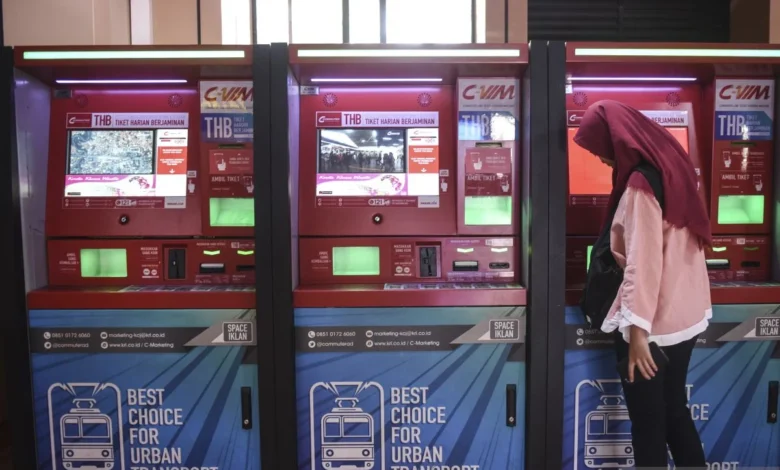
The escalating cost of living in Jakarta for 2026 remains a significant concern for both single professionals and families, driven by persistently high expenses for housing, food, transportation, and daily necessities. The exact expenditure varies considerably based on lifestyle choices, residential location, and household composition, posing a continuous challenge for residents striving for financial stability in the bustling Indonesian capital.
Projected Living Costs for 2026: A Detailed Outlook
Based on various economic projections and analyses of expenditure patterns, a single individual residing in Jakarta in 2026 is estimated to require approximately Rp5 million to Rp10 million (approximately US$320 – US$640) per month. This range encompasses the spectrum from meeting basic needs to enjoying a moderately comfortable lifestyle. For a small family, typically comprising two adults and one to two children, the monthly financial outlay is projected to be substantially higher, ranging from Rp12 million to Rp25 million (approximately US$770 – US$1,600). This broader range reflects the diverse choices available in housing, education, and consumption habits that significantly impact family budgets.
The Provincial Government of DKI Jakarta has set the Jakarta Provincial Minimum Wage (UMP) for 2026 at Rp5,729,876, marking a 6.17 percent increase from the 2025 UMP of Rp5,396,761. This figure serves as a crucial benchmark for assessing the affordability of living in the capital, particularly for entry-level workers and those at the lower end of the income spectrum. While the increase aims to keep pace with inflation and maintain purchasing power, its sufficiency in covering the multifaceted costs of urban life is a subject of ongoing debate among economists, labor unions, and the general public.
Key Expenditure Categories: A Deeper Dive
For single workers, housing typically constitutes the largest component of monthly expenses. The cost of a simple boarding house (kos) in various Jakarta neighborhoods can range from a few hundred thousand rupiah to several million rupiah per month, depending on size, facilities, and proximity to central business districts or public transport hubs. Conversely, renting an apartment or a private dwelling incurs significantly higher costs, often starting from Rp3 million to Rp5 million for a modest studio or one-bedroom unit in less central areas, and skyrocketing to Rp10 million or more for larger, more upscale properties in prime locations like Sudirman, Thamrin, or Kuningan.
Beyond housing, other essential expenditures include food, public transportation, mobile phone credits, internet access, entertainment, and savings. A preliminary estimate suggests that a single person adopting a frugal lifestyle in Jakarta in 2026 might spend around Rp5 million to Rp8 million per month. A breakdown could look like this:
- Housing (kos): Rp1 million – Rp2.5 million
- Food (mix of cooking and eating out modestly): Rp1.5 million – Rp3 million
- Transportation (public transport, occasional online ride-hailing): Rp300,000 – Rp1 million
- Utilities, Internet, Mobile: Rp500,000 – Rp1 million
- Personal Care, Entertainment, Savings: Rp500,000 – Rp1.5 million
This conservative estimate highlights the tight financial management required even for singles earning above the UMP.
Family Budgets: Expanding Needs and Greater Pressures
Small families face considerably greater financial demands due to additional expenses such as house rent, children’s needs, healthcare, and education. The estimate for a family with two adults and one child could range from Rp12 million to Rp20 million per month. For families aspiring to a more comfortable standard of living, perhaps including private schooling, a larger residence, or more frequent leisure activities, monthly expenditures could easily exceed Rp20 million.
Specific family-related costs include:
- Housing (rent for a modest house or apartment): Rp3 million – Rp8 million (highly variable by location and size).
- Food (groceries, dining out): Rp3 million – Rp6 million.
- Transportation (personal vehicle costs or extensive use of ride-hailing/public transport for multiple people): Rp1 million – Rp2.5 million.
- Education (preschool, private schools): Rp1 million – Rp5 million per child, with international schools costing significantly more. Public schools offer a more affordable option but might have geographical constraints.
- Healthcare (beyond BPJS, private clinics, specialized care): Rp500,000 – Rp2 million.
- Childcare and other necessities: Rp1 million – Rp2 million.
- Utilities, Internet, Mobile: Rp700,000 – Rp1.5 million.
- Savings and Emergency Fund: Essential for long-term financial security.
The Influence of Inflation and Economic Dynamics
Beyond direct living costs, inflation and fluctuations in the prices of staple goods significantly impact household budgets in Jakarta. The Central Statistics Agency (BPS) regularly monitors regional inflation rates, which serve as a critical indicator of changes in the prices of goods and services consumed by the public. Jakarta, as a major economic hub, is particularly susceptible to inflationary pressures, which can erode purchasing power even with annual UMP adjustments. Factors such as global commodity price volatility, supply chain disruptions, and domestic demand can all contribute to inflationary spikes, making financial planning more challenging for residents. For instance, food inflation, a common occurrence in Indonesia, disproportionately affects lower-income households, which spend a larger percentage of their income on food.
Background Context: Jakarta’s Economic Prowess and Urban Challenges
Jakarta’s status as the capital city and the economic engine of Indonesia naturally attracts millions seeking better opportunities. This massive influx of migrants, coupled with organic population growth, places immense pressure on the city’s infrastructure and resources, directly contributing to higher living costs. The rapid urbanization has led to soaring land prices, which translate into expensive housing and commercial rents. While the city government has invested heavily in infrastructure development, particularly in public transportation like the MRT and LRT, these initiatives, while improving mobility, do not necessarily reduce the overall cost of living. Instead, they often lead to property value appreciation in areas well-served by these networks.
The ongoing discourse surrounding the relocation of Indonesia’s capital to Nusantara in East Kalimantan also adds a layer of complexity. While the move is intended to de-densify Jakarta and foster more equitable development across the archipelago, its immediate impact on Jakarta’s cost of living for 2026 is likely minimal. Jakarta is expected to remain a significant economic and financial center, maintaining its high cost structure for the foreseeable future, even if its administrative functions diminish.
Perspectives from Stakeholders
Government’s Stance: The DKI Jakarta Provincial Government’s decision on the UMP reflects a balancing act between ensuring worker welfare and maintaining business competitiveness. Governor Heru Budi Hartono, or whoever holds the office in 2026, would likely emphasize the government’s commitment to improving the quality of life for Jakarta residents through various programs, including affordable housing schemes, public transport subsidies, and basic food price stabilization. The UMP increase, while not fully satisfying all parties, is presented as a measure to ensure that wages grow in line with economic indicators and inflation, as stipulated by prevailing regulations.
Economists’ Analysis: Economic observers, such as those from the Institute for Development of Economics and Finance (INDEF) or the Center of Reform on Economics (CORE), frequently comment on the adequacy of the UMP. They often argue that while the UMP provides a floor, it is often insufficient for a comfortable life in a high-cost city like Jakarta, especially for those with dependents. They advocate for a more holistic approach, including robust social safety nets, accessible and affordable public services, and policies that encourage diversified economic growth beyond a few high-value sectors. Analysts also stress the importance of productivity growth to justify wage increases without fueling inflation or negatively impacting business profitability. They advise individuals to adjust their spending habits to their income, particularly for newcomers to Jakarta. Budget management, choosing residences with good public transport access, and limiting discretionary spending are cited as crucial strategies to keep living costs under control.
Labor Unions’ Views: Labor unions consistently lobby for higher minimum wages, often arguing that the UMP calculations do not fully reflect the actual cost of living or the ‘Decent Living Needs’ (Kebutuhan Hidup Layak – KHL) basket. They frequently highlight the struggles of workers, even those earning above the UMP, to cover basic necessities and build savings. Unions might express disappointment that the 6.17 percent increase, while positive, may still lag behind the true cost increases, especially for food and housing. They often call for a UMP that allows workers to not just survive, but to thrive and improve their quality of life.
Businesses’ Challenges: From the perspective of businesses, particularly small and medium enterprises (SMEs), significant UMP increases can pose a challenge. Higher wage bills can impact profitability, especially in labor-intensive industries. Business associations like Apindo (Employers’ Association of Indonesia) often advocate for UMP increases that are sustainable for businesses and linked to productivity, fearing that excessive wage hikes could lead to job losses or discourage investment. They emphasize the need for a predictable and balanced wage policy that supports both worker welfare and business growth.
Mitigation Strategies and Financial Planning
For individual residents, especially those earning around the UMP, meticulous financial planning is paramount. This includes:
- Budgeting: Creating a detailed monthly budget to track income and expenses.
- Housing Choices: Opting for shared accommodation or living in slightly outer areas with good public transport links.
- Food Management: Cooking at home more frequently and limiting expensive dining out. Utilizing traditional markets for groceries can also be more economical than supermarkets.
- Transportation: Maximizing the use of affordable public transport (TransJakarta, KRL Commuter Line, MRT, LRT) and minimizing reliance on private vehicles or frequent online ride-hailing services.
- Emergency Fund: Building an emergency fund to cover unexpected expenses, which is crucial given the high cost of living.
- Savings: Prioritizing savings, even small amounts, for future goals such as education, down payments, or retirement.
With the Jakarta UMP 2026 at approximately Rp5.7 million, single workers can still meet basic needs with stringent financial management. However, for those with families, income requirements are typically much higher to cover daily expenses, save for the future, and establish an emergency fund. This disparity underscores the significant financial burden placed on families in Jakarta and highlights the need for either higher household incomes or more comprehensive government support mechanisms.
Broader Implications and Future Outlook
The persistently high cost of living in Jakarta has several broader implications:
- Economic Inequality: It exacerbates economic inequality, making it harder for lower-income groups to climb the socioeconomic ladder and potentially pushing them into poverty.
- Urban Planning: It puts pressure on urban planners to develop more affordable housing solutions and efficient public transport networks that cater to a diverse population.
- Migration Patterns: It might influence migration patterns, with some individuals or families choosing to relocate to surrounding satellite cities (like Bogor, Depok, Tangerang, Bekasi) where living costs are comparatively lower, even if it means longer commutes.
- Government Policy: It necessitates ongoing government intervention through various policies, including wage adjustments, subsidies, social assistance programs, and infrastructure development to make the city more livable for all its inhabitants.
In conclusion, Jakarta in 2026 continues to present a dynamic and challenging economic landscape for its residents. While the UMP provides a foundational income, the reality of living expenses, particularly for housing and essential goods, demands prudent financial management and strategic lifestyle choices. For families, the financial pressure is significantly amplified, underscoring the ongoing need for robust economic policies and personal adaptability to thrive in one of Southeast Asia’s most vibrant yet expensive metropolises. The future trajectory of Jakarta’s cost of living will depend on a complex interplay of economic growth, inflation control, urban development, and effective governance.
Related posts: