The Foldover Jeans Trend: Gen Z’s Controversial Fashion Statement Sparks Parental Concern and Retail Frenzy

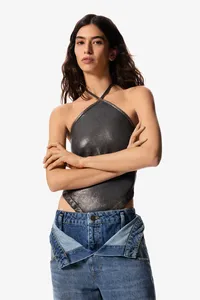
A new fashion phenomenon is sweeping through Generation Z, prompting bewilderment and head-shaking from parents and sparking a significant buzz across social media platforms. Dubbed "foldover jeans," this distinctive style deliberately mimics the appearance of unbuttoned or unzipped trousers, creating a deliberately undone aesthetic that some perceive as risqué. This trend, which has rapidly gained traction, presents a unique design where the waistband is intentionally folded outwards and stitched, giving the illusion of a prematurely opened fly or an unfastened button. Many iterations of these jeans feature subtle embellishments, such as small floral patterns or delicate stripes, strategically placed to resemble underwear, further enhancing the visual deception of improperly secured trousers.
The Genesis and Evolution of a Bold Style
While the foldover jeans trend appears to be at its peak, its roots can be traced back to 2022. This was the year when prominent celebrities began showcasing this daring look. Figures such as Addison Rae, Doja Cat, Hwasa of MAMAMOO, and Jennie of BLACKPINK were photographed sporting jeans with deliberately unzipped and folded-down fronts. Their endorsement quickly propelled the style from a niche aesthetic to a mainstream fashion statement.
The initial adoption by celebrities created a ripple effect, influencing both high-street and luxury fashion houses. Brands like Fashion Nova, Hollister, Edikted, and AGOLDE quickly embraced the trend, releasing their own interpretations of foldover jeans. Even high-end Japanese label Sacai joined the movement, demonstrating the widespread appeal and commercial viability of this unconventional design. This rapid integration into the fashion landscape underscores the speed at which Gen Z trends can emerge and be adopted by the industry.

Economic Impact and Retail Response
The market response to foldover jeans has been overwhelmingly positive, translating into significant sales figures and robust demand across various retail sectors. The price spectrum for these jeans is remarkably broad, reflecting their availability from budget-friendly options to designer pieces. Prices can range from approximately $35 (around Rp 628,000) for more accessible brands to as high as $1,210 (approximately Rp 21.7 million) for luxury interpretations. This wide price range ensures that the trend is accessible to a diverse consumer base.
Retailers have reported a consistent and rapid turnover of foldover jeans. Staff at Hollister in Manhattan, a key player in the teen fashion market, have noted that these jeans are among their fastest-selling items, frequently requiring restocks to meet escalating demand. Similar reports have emerged from other major U.S. retailers like Nordstrom and Edikted, confirming the trend’s widespread popularity and its impact on inventory management and sales strategies. The consistent sell-outs suggest a strong consumer appetite for this particular style, indicating its sustained relevance in the current fashion cycle.
Generational Divide: Parental Concerns vs. Youthful Expression
Despite its commercial success and adoption by fashion influencers, the foldover jeans trend has not been met with universal approval, particularly from older generations. Many parents express confusion and concern over the aesthetic, viewing it as potentially immodest or indicative of carelessness. Lisa Alvarez, a mother of two daughters in Queens who have embraced the trend, articulated this sentiment, stating, "This trend really gets under my skin. Every time they come down from their rooms, I feel like saying, ‘Please zip up your pants, honey.’" This reaction highlights a common intergenerational disconnect regarding fashion norms and perceptions of appropriateness.
Conversely, fashion experts and Gen Z proponents view the trend as a natural evolution of self-expression and a reflection of the generation’s willingness to experiment with their attire. Aiyana Ishmael, a lifestyle editor at Cosmopolitan USA, commented on the phenomenon, suggesting that the enthusiastic adoption of foldover jeans by Gen Z signifies their continuous exploration of sartorial boundaries. "Gen Z has embraced this trend with great enthusiasm," Ishmael stated. "The style looks fun, a bit cheeky, and also serves as a way to show more skin, which young people often gravitate towards." This perspective frames the trend not as an oversight but as a deliberate fashion choice that aligns with contemporary youth culture’s embrace of bolder and more revealing styles.

Creative Adaptation and DIY Fashion
The popularity of foldover jeans has also spurred a wave of creativity and resourcefulness among young consumers, particularly college students. Sofia Yassinger, a student at Duke University, observed that many of her peers are engaging in do-it-yourself (DIY) alterations to achieve the foldover look. This often involves purchasing oversized denim jeans and then strategically sewing the waistband to create the desired outward fold. "They want to look sexy," Yassinger explained, underscoring the underlying motivation for this fashion choice. This DIY movement not only democratizes the trend, making it more accessible and customizable, but also demonstrates Gen Z’s innovative approach to fashion, often repurposing existing garments to align with current aesthetics.
Broader Implications and Future Trajectory
The foldover jeans trend, while seemingly superficial, offers a glimpse into broader cultural shifts. It reflects Gen Z’s increasing comfort with body positivity and their willingness to challenge traditional notions of modesty. The trend can be seen as an extension of a broader movement towards embracing individuality and self-expression through fashion, where the lines between provocative and empowering are constantly being redefined.
From an economic standpoint, the rapid rise and widespread adoption of foldover jeans highlight the power of social media in driving fashion trends. Platforms like TikTok and Instagram have become crucial incubators for new styles, allowing them to gain viral momentum and influence consumer behavior at an unprecedented pace. This also presents both opportunities and challenges for fashion brands, requiring them to be agile and responsive to emerging trends while also navigating the complexities of consumer perception and generational differences.
The longevity of the foldover jeans trend remains to be seen. Fashion cycles are notoriously fast-paced, and what is popular today can be quickly replaced by the next emerging style. However, the trend’s impact on how denim is designed and perceived, and its role in sparking conversations about fashion, modesty, and generational attitudes, is undeniable. It serves as a compelling case study in the evolving landscape of youth culture and its influence on the global fashion industry. The continued demand and creative adaptations suggest that the foldover aesthetic, in some form, may continue to influence denim silhouettes and styling choices for the foreseeable future, challenging established norms and pushing the boundaries of everyday wear.
Related posts: