Understanding the Islamic Jurisprudence on Distributing Zakat to Parents and the Dynamics of Familial Financial Obligations

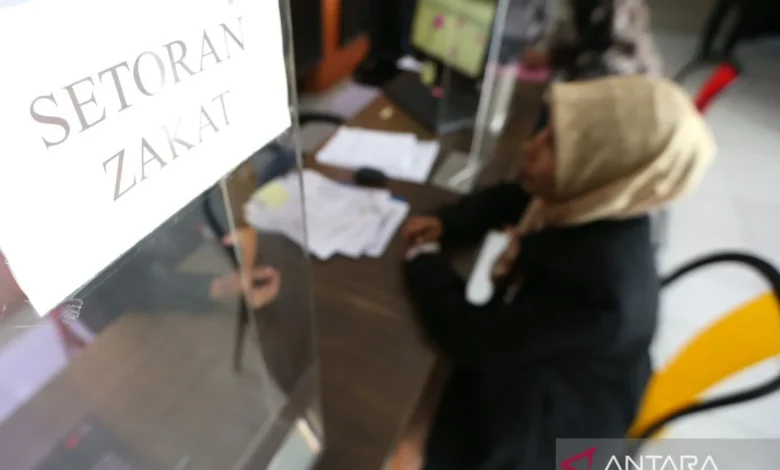
The question of whether a Muslim is permitted to distribute Zakat to their own parents is a perennial inquiry that surfaces frequently within Islamic societies, particularly during the holy month of Ramadan or when calculating annual wealth taxes. In the context of Islamic law (Sharia), the distribution of Zakat—one of the five pillars of Islam—is governed by strict protocols derived from the Al-Qur’an, the Sunnah (traditions of the Prophet Muhammad), and the consensus of classical and contemporary jurists. While Zakat is designed to alleviate poverty and redistribute wealth, its application within the immediate family unit, specifically regarding "ushul" (ancestors) and "furu" (descendants), carries specific legal prohibitions that every practitioner must understand to ensure their worship remains valid.
In Indonesia, the world’s most populous Muslim-majority nation, this issue holds significant social and economic weight. The National Zakat Board (BAZNAS) and various Islamic organizations frequently provide guidance on this matter, emphasizing that while the intention to help one’s parents is noble, the mechanism used must align with established jurisprudential frameworks. The fundamental principle in Islam is that a child who possesses the financial means is religiously obligated to provide for their parents’ needs through "nafaqah" (maintenance), rather than through the specialized channel of Zakat.
The Jurisprudential Foundation: Why Parents Are Generally Excluded
The majority of Islamic scholars, including those from the Shafi’i, Maliki, and Hanbali schools of thought, maintain a consensus that Zakat—whether it be Zakat Mal (wealth tax) or Zakat Fitrah (the end-of-Ramadan charity)—cannot be given to one’s biological parents or grandparents. This prohibition is rooted in the legal concept of "nafaqah." Under Sharia, the responsibility to support parents who are in need falls squarely on the shoulders of their children, provided the children have the financial capacity to do so.
When a child gives Zakat to their parents to cover their daily living expenses, the child is essentially using Zakat funds to fulfill their own pre-existing financial obligation. In the eyes of Islamic jurisprudence, this is seen as a way for the giver to protect their own personal wealth. If Zakat were permitted for parents, a child could potentially use their "obligatory charity" to bypass the duty of spending their "private wealth" on their parents’ upkeep. Consequently, the Zakat would not be considered a valid distribution because it serves the interest of the giver rather than solely benefiting the recipient as an independent entity.
The Qur’an, in Surah At-Tawbah (9:60), explicitly identifies eight categories (asnaf) of people eligible to receive Zakat: the poor (fakir), the needy (miskin), the Zakat administrators (amil), those whose hearts are to be reconciled (mu’allaf), those in bondage (riqab), those in debt (gharimin), those striving in the cause of Allah (fisabilillah), and the wayfarer (ibnus sabil). While parents may technically fall into the categories of "fakir" or "miskin," the specific legal relationship between parent and child overrides these categories, shifting the burden of care from the public Zakat fund to the private responsibility of the offspring.
The Distinction Between Maintenance and Charity
To understand the complexity of this ruling, one must distinguish between "Zakat" (obligatory tax), "Sadaqah" (voluntary charity), and "Nafaqah" (obligatory maintenance). Islamic law categorizes parents as "ushul," meaning they are part of the direct vertical line of a person’s ancestry. Just as a parent is obligated to provide for their young children, an adult child is obligated to provide for their elderly or needy parents.
In contemporary Indonesia, religious scholars often point out that providing for parents is a manifestation of "Birrul Walidain" (devotion to parents), which is a high-ranking act of worship. Using Zakat to fulfill this devotion is considered legally insufficient because Zakat is the "right of the poor" within the broader community, whereas the support of parents is a "private debt of gratitude and duty" owed by the child.
However, there are nuanced scenarios that scholars debate. For instance, if a parent is heavily in debt (gharimin) for a reason unrelated to their basic daily maintenance—such as a failed business venture or medical bills that exceed the child’s total capacity to pay—some jurists allow the child to use Zakat funds to help clear those specific debts. This is because paying off a debt is a distinct category of Zakat (Gharimin) that may, in very specific circumstances, fall outside the standard definition of "daily maintenance." Nevertheless, the prevailing view in the Indonesian context, as supported by the Indonesian Ulema Council (MUI), remains conservative: direct Zakat to parents is generally disallowed to prevent the erosion of the child’s primary duty of maintenance.
Data and Economic Context of Zakat in Indonesia
The discussion surrounding Zakat for parents is not merely academic; it has significant implications for Indonesia’s social safety net. According to data from BAZNAS, the potential for Zakat in Indonesia is estimated to be over IDR 327 trillion annually. However, actual collection remains a fraction of that potential. When individuals distribute Zakat privately—such as trying to give it to family members—it often bypasses the institutional systems designed to tackle systemic poverty.
A 2023 report on Indonesian philanthropy suggested that many Muslims prefer "direct distribution" to people they know, including extended family, due to a lack of awareness regarding the specific legal boundaries of Zakat. This "informal" distribution can lead to a situation where Zakat is used as a substitute for familial support, thereby failing to reach the "asnaf" who have no family to support them.
By educating the public that Zakat cannot be given to parents, religious institutions aim to ensure that Zakat funds are directed toward those who truly have no other recourse, such as orphans, the destitute with no kin, and those struggling in the path of education or social service.
The Role of "Birrul Walidain" and Recommended Alternatives
Rather than using Zakat, Islam encourages children to honor their parents through other financial avenues. Scholars suggest the following alternatives for children who wish to support their parents financially:
- Nafaqah (Direct Support): This is the most meritorious form of support. It is taken from the child’s remaining wealth after their own basic needs are met.
- Sadaqah (Voluntary Charity): Unlike Zakat, there are no strict "asnaf" rules for voluntary charity. A child can give any amount of money as a gift or charity to their parents at any time. In fact, giving charity to family members is often described by the Prophet Muhammad as having a "double reward"—the reward of charity and the reward of maintaining family ties.
- Hibah (Gifts): Giving gifts to parents is a highly recommended practice that strengthens the emotional bond and provides for their comfort without the legal constraints of Zakat.
- Wakaf (Endowment): A child can establish a "Wakaf" in the name of their parents, providing a continuous source of reward (Sadaqah Jariyah) for them.
Religious leaders emphasize that "Birrul Walidain" is not a burden but a privilege. In the hierarchy of Islamic duties, the obligation to provide for one’s parents is so significant that it takes precedence over voluntary charity to strangers.
Institutional Responses and Social Implications
The Indonesian government, through the Ministry of Religious Affairs, has consistently worked to synchronize religious understanding with national poverty alleviation strategies. If every capable Muslim used their Zakat only for their immediate family, the structural goal of Zakat—which is to circulate wealth throughout the entire Ummah (community)—would be compromised.
Spokespersons from major Islamic organizations like Nahdlatul Ulama (NU) and Muhammadiyah have echoed the sentiment that Zakat is a communal tool. In various "Bahtsul Masail" (deliberative forums), it has been clarified that the prohibition of giving Zakat to parents serves to protect the dignity of the parents. By receiving "nafaqah" from a child, a parent is being cared for as a family member; by receiving "Zakat," they are being treated as a "mustahik" (a recipient of charity), which may carry a social stigma that Islam seeks to avoid within the parent-child relationship.
Furthermore, the impact of this ruling extends to tax regulations in Indonesia. With the emergence of Zakat as a "tax credit" or "tax-deductible" instrument, the legal clarity of who can receive Zakat is essential for financial transparency. If Zakat given to parents were allowed and then used to reduce a person’s income tax, it could lead to potential abuses of the tax system, where personal family maintenance is subsidized by the state’s tax revenue.
Conclusion: Upholding the Integrity of Zakat
In summary, while the desire to assist one’s parents is a cornerstone of Islamic morality, the use of Zakat for this purpose is generally prohibited by the majority of ulema. The legal consensus remains that because a child is responsible for the maintenance of their parents, Zakat cannot be used to offset this personal duty.
For the Muslim community in Indonesia and beyond, this ruling serves as a reminder of the different layers of social and religious responsibility. Zakat is a mechanism for broader social justice, designed to support the vulnerable members of society who lack a support system. Meanwhile, the care of parents is a private, sacred obligation that should be fulfilled with the best of one’s own personal resources. By adhering to these distinctions, believers ensure that their Zakat fulfills its communal purpose while their "Birrul Walidain" remains a pure, dedicated act of love and duty toward those who raised them.
As the landscape of Islamic finance continues to evolve with digital Zakat platforms and new tax laws, the fundamental principles of "ushul" and "furu" remain a vital guide. Umat Islam are encouraged to consult with certified "Amil" (Zakat collectors) or religious scholars when faced with complex family financial situations, ensuring that every rupiah distributed is both legally sound and spiritually rewarding. Through this balance of communal charity and familial duty, the holistic vision of Islamic social welfare is realized.