Unlocking Balanced Skin: Expert Guide to Moisturizers for Oily and Acne-Prone Complexions in Indonesia

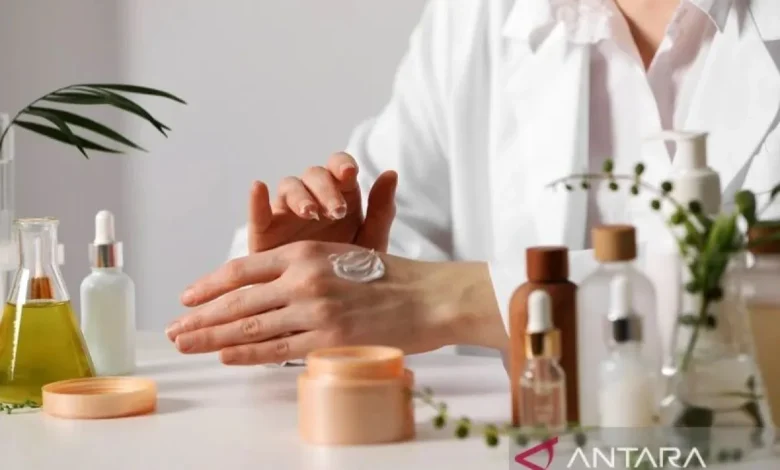
Jakarta (ANTARA) – The persistent issue of excess facial oil is a widespread concern for many Indonesians, exacerbated by the nation’s consistently hot and humid tropical climate. While it might seem counterintuitive, selecting the right moisturizer is crucial for maintaining optimal skin hydration without contributing to a greasy appearance or exacerbating acne. Dermatologists emphasize that even oily skin requires adequate hydration to preserve its protective barrier, known as the skin barrier. Contrary to popular belief, neglecting moisturization can paradoxically lead to increased oil production as the skin attempts to compensate for dryness. This comprehensive guide delves into the types of moisturizers best suited for oily and acne-prone skin, offering insights into key ingredients and application techniques to achieve a balanced, healthy complexion.
The Misconception of Avoiding Moisturizers for Oily Skin
A common misconception among individuals with oily skin is that applying moisturizer will inevitably lead to a shinier complexion or trigger breakouts. This fear often prompts them to skip this essential step in their skincare routine. However, this approach can be detrimental. Dr. Anya Sharma, a renowned dermatologist based in Jakarta, explains, "Oily skin doesn’t mean your skin is overhydrated; it often means your sebaceous glands are overactive, potentially due to a compromised skin barrier. When the skin barrier is weakened, it loses moisture, and the skin compensates by producing more oil. A good moisturizer helps to reinforce this barrier and signal to the skin that it doesn’t need to overproduce sebum."
The humid climate prevalent in Indonesia, with its average annual temperatures often exceeding 30 degrees Celsius and high humidity levels, intensifies this challenge. The constant presence of moisture in the air can make the skin feel perpetually sticky and prone to oiliness. Furthermore, the widespread availability and affordability of various skincare products in the Indonesian market, from local brands to international ones, can sometimes lead to confusion and the adoption of ineffective routines.
Expert Recommendations for Oily Skin Moisturizers
Dermatologists universally recommend that individuals with oily skin opt for moisturizers that are lightweight, oil-free, and non-comedogenic, meaning they are formulated not to clog pores. These criteria are paramount in preventing the exacerbation of existing oiliness and the development of acne.
1. Gel-Based Moisturizers: The Lightweight Champion
Gel moisturizers are often hailed as the holy grail for oily skin. Their defining characteristic is their light, water-based formulation that feels refreshing and absorbs quickly into the skin without leaving a sticky residue. This makes them ideal for the humid Indonesian climate, where heavy creams can feel suffocating.
"Gel moisturizers are typically water-based, which means they provide essential hydration without adding extra oil to the skin’s surface," notes Dr. Budi Santoso, a dermatologist specializing in tropical dermatology in Surabaya. "This is crucial because the goal is to hydrate the skin, not to make it greasier. Their ability to penetrate the skin quickly also makes them perfect for layering under sunscreen or makeup, which are often integral parts of a daily skincare routine in Indonesia."
The Indonesian skincare market has seen a surge in the availability of gel-based moisturizers from both domestic and international brands, catering to the specific needs of consumers in the region. Brands like Wardah, Avoskin, and Somethinc, popular among Indonesian consumers, frequently feature gel formulations in their product lines targeting oily and acne-prone skin.
2. The Power of Niacinamide: A Multi-Tasking Ingredient
Niacinamide, also known as Vitamin B3, has emerged as a superstar ingredient in skincare, particularly for those with oily and acne-prone complexions. Its benefits extend beyond simple hydration. Niacinamide is known for its ability to strengthen the skin barrier, improve skin texture, and, importantly for oily skin types, help regulate sebum production.
"Niacinamide can help reduce the appearance of enlarged pores and control excess oiliness for many users," explains Dr. Sharma. "It also possesses anti-inflammatory properties, which are beneficial for acne-prone skin. By improving the skin’s resilience, it can make it less susceptible to irritation and breakouts."
The Indonesian market has embraced niacinamide-rich products, with many local brands highlighting this ingredient in their serums and moisturizers. This aligns with the growing consumer awareness in Indonesia about targeted ingredient benefits, driven by educational content on social media and beauty blogs.
3. Hyaluronic Acid: Hydration Without the Greasiness
Hyaluronic acid is a humectant, meaning it draws moisture from the environment and binds it to the skin. For oily skin, this is a game-changer. It provides intense hydration without the heaviness or oiliness associated with traditional emollients.
"Hyaluronic acid is exceptional because it can hold up to 1,000 times its weight in water," states Dr. Santoso. "This means it can effectively hydrate the skin, preventing it from becoming dehydrated. When the skin is properly hydrated, it’s less likely to overcompensate by producing excess oil. It’s a key ingredient for maintaining skin balance, which is vital in a tropical climate."
The widespread availability of hyaluronic acid in various forms, from serums to moisturizers, has made it an accessible ingredient for Indonesian consumers seeking effective hydration.
4. Ceramides: Restoring the Skin Barrier
Ceramides are naturally occurring lipids that are essential components of the skin’s protective barrier. In individuals with oily or acne-prone skin, this barrier can sometimes be compromised due to harsh treatments or environmental factors. Moisturizers containing ceramides can help repair and strengthen this barrier.
"Ceramides are like the mortar that holds the bricks of your skin together," Dr. Sharma explains. "When the skin barrier is healthy, it prevents moisture loss and protects against external irritants. For oily skin that might be experiencing irritation from acne treatments, ceramides can be incredibly soothing and help restore the skin’s natural defenses."
The inclusion of ceramides in skincare has become more prominent in Indonesia, with brands recognizing their importance for overall skin health, particularly for those dealing with sensitivity or over-treatment.
5. Specialized Moisturizers for Acne-Prone Skin
For individuals whose oily skin is also prone to acne, choosing a moisturizer specifically formulated for acne-prone skin is crucial. These products are designed to be non-comedogenic and often contain ingredients that help manage breakouts without drying out the skin.
"Many acne treatments, such as salicylic acid or benzoyl peroxide, can be drying," notes Dr. Santoso. "It’s essential to use a moisturizer that replenishes lost moisture and soothes the skin, preventing it from becoming irritated and potentially triggering more oil production. Look for labels that explicitly state ‘for acne-prone skin’ and ‘non-comedogenic’."
The Indonesian market offers a growing selection of targeted acne-care lines that include moisturizers, reflecting a deeper understanding of the multifaceted needs of consumers dealing with this common condition.
Key Ingredients to Seek and Avoid
Ingredients to Look For:
- Hyaluronic Acid: For superior hydration.
- Niacinamide: To regulate oil production and strengthen the skin barrier.
- Ceramides: To repair and maintain the skin barrier.
- Glycerin: A humectant that draws moisture to the skin.
- Squalane (plant-derived): A lightweight emollient that mimics the skin’s natural oils.
- Dimethicone: A silicone that provides a smooth finish and helps lock in moisture without feeling heavy.
- Salicylic Acid (in low concentrations): For gentle exfoliation and pore unclogging, often found in specialized acne moisturizers.
Ingredients to Avoid:
- Mineral Oil: Can be occlusive and clog pores for some individuals.
- Heavy Butters (e.g., Shea Butter, Cocoa Butter): While moisturizing, these can be too rich and occlusive for oily skin.
- Lanolin: Can be comedogenic for some.
- Alcohol (denatured alcohol): Can be drying and stripping, leading to increased oil production.
- Fragrance and Dyes: Can be irritants for sensitive or acne-prone skin.
- Coconut Oil: Known to be highly comedogenic for many people.
Optimal Application Techniques for Oily Skin
The way a moisturizer is applied can significantly impact its effectiveness, especially for oily skin.
"The best approach is to apply a small amount of moisturizer to clean, slightly damp skin," advises Dr. Sharma. "Patting the product gently into the skin rather than rubbing can help with absorption and minimize irritation. Avoid applying excessive amounts, as this can lead to a feeling of greasiness."
Step-by-step application:
- Cleanse: Begin with a gentle, oil-free cleanser to remove dirt, oil, and impurities.
- Tone (Optional): If you use a toner, apply it after cleansing.
- Serum (Optional): Apply any treatment serums (e.g., niacinamide or salicylic acid).
- Moisturize: Dispense a pea-sized amount of your chosen moisturizer onto your fingertips.
- Apply: Gently pat or lightly massage the moisturizer into your face and neck, focusing on areas that feel dry or tight.
- Sunscreen: In the morning, always follow with a broad-spectrum sunscreen, preferably an oil-free and non-comedogenic formula.
The Broader Implications for Skin Health in Indonesia
The consistent and appropriate use of moisturizers is more than just a cosmetic concern; it is fundamental to maintaining healthy skin, especially in a tropical environment like Indonesia. The Indonesian market, with its increasing consumer awareness and accessibility to diverse skincare products, presents both opportunities and challenges. Consumers are becoming more discerning, seeking products that are not only effective but also tailored to their specific skin type and concerns.
The emphasis on scientifically-backed ingredients like niacinamide, hyaluronic acid, and ceramides reflects a global trend that has firmly taken root in Indonesia. This shift towards informed skincare choices empowers individuals to address issues like excess oiliness and acne more effectively.
Moreover, the rising prevalence of dermatological advice being disseminated through digital platforms and integrated into beauty editorial content signifies a positive development. This educational push helps demystify skincare and encourages routines that promote long-term skin health rather than quick fixes.
Ultimately, understanding that oily skin still requires hydration is the first and most crucial step towards achieving a balanced, comfortable, and healthy complexion in the challenging Indonesian climate. By selecting lightweight, oil-free, and non-comedogenic moisturizers, and incorporating them thoughtfully into their daily routines, Indonesians can effectively manage excess oil and cultivate resilient, radiant skin.
Pewarta: M. Hilal Eka Saputra Harahap
Editor: Maria Rosari Dwi Putri
Copyright © ANTARA 2026
Dilarang keras mengambil konten, melakukan crawling atau pengindeksan otomatis untuk AI di situs web ini tanpa izin tertulis dari Kantor Berita ANTARA.
Related posts: