Suzy Dazzles in Singapore, Unveils Secrets to Luscious Hair as Tsubaki’s Global Ambassador

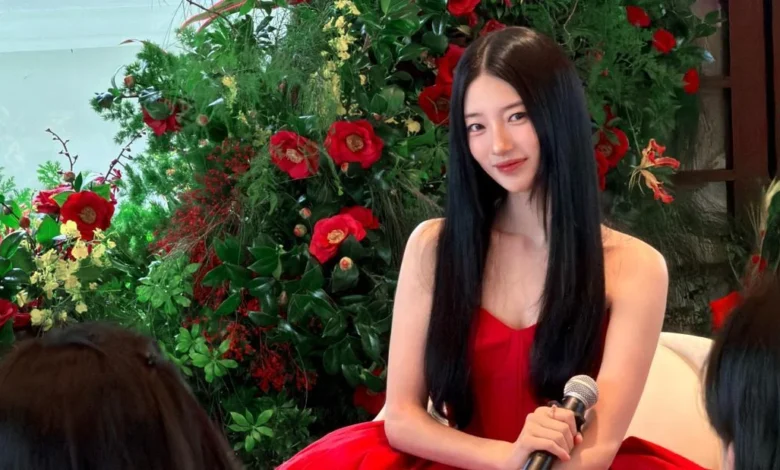
Singapore – South Korean superstar Suzy captivated audiences in Singapore with her recent appearance, showcasing her radiant beauty and lustrous hair while serving as the global ambassador for a prominent Japanese haircare brand. The event, held at a meticulously designed pop-up salon experience, drew significant attention, highlighting Suzy’s enduring popularity and her influential role in the beauty industry. Her visit underscored the brand’s strategic expansion into key Asian markets and reinforced Suzy’s status as a global icon.
The celebrated actress, known for her roles in hit K-dramas such as "Genie Make A Wish," graced the occasion in a striking ensemble that further amplified her natural charm. Dressed in a head-to-toe red outfit, Suzy exuded an aura of sophisticated elegance, her dark, glossy hair appearing as if it belonged in the pages of an anime. This visual spectacle not only complemented her fashion choices but also served as a powerful testament to the efficacy of the haircare products she endorses. The vibrant red attire, a deliberate choice for the event, symbolized confidence and energy, resonating with the brand’s image and Suzy’s vibrant persona.
The pop-up salon, organized by the esteemed Japanese haircare brand Tsubaki, offered fans an immersive experience, allowing them to engage with the brand’s latest offerings and witness firsthand the star power of their global ambassador. Suzy’s presence at Plaza Singapura created a palpable buzz, with a large crowd of admirers gathering to catch a glimpse of the beloved star. Her choice of attire for the public appearance, a chic pairing of a vest and trousers from the fashion label avouavou, showcased her impeccable taste in both casual and formal wear. The ensemble was further elevated by the understated luxury of gold necklaces and rings from FRED Jewelry, adding a touch of refined glamour to her look. This curated selection of fashion and accessories not only demonstrated Suzy’s personal style but also aligned with the premium image the brand aims to project.
Addressing her enthusiastic fans with fluency in English, Suzy expressed her delight at being in Singapore. "Hello everyone, I’m Suzy! I’m so happy to be here in Singapore for Tsubaki’s pop up. It’s great to see you all. Thank you for coming today!" she exclaimed, her warm greeting echoing through the venue. This direct engagement with her international fanbase further solidified her connection with them, transcending language barriers and cultural differences. The event served as a testament to her global appeal, drawing attendees not only from Singapore but potentially from surrounding regions as well, eager to witness her charisma in person.
A Deeper Dive into Suzy’s Haircare Philosophy
Beyond her dazzling appearance, Suzy took the opportunity to share her personal insights into maintaining healthy, beautiful hair, a topic of immense interest given her role as a haircare ambassador. She revealed that consistent care and attention are paramount to achieving and maintaining her signature luscious locks. "Ensuring my hair remains in good condition is very important… To achieve this, what is truly essential is rest. Taking a whole day to just rest, relax, and be myself," Suzy shared. This candid admission offered a relatable perspective, emphasizing that beauty routines are not just about external products but also about holistic well-being.
This statement from Suzy carries significant weight, particularly in the context of the fast-paced entertainment industry. The relentless demands of filming, promotional activities, and public appearances often leave little room for personal downtime. By highlighting the importance of rest and self-care, Suzy not only promotes a healthier lifestyle but also implicitly underscores the ability of Tsubaki products to support hair health even under challenging conditions. Her emphasis on "being myself" suggests a connection between inner peace and outer radiance, further enhancing the brand’s message of natural beauty and self-acceptance.
The global haircare market is a multi-billion dollar industry, with consumers increasingly seeking products that offer both efficacy and a connection to aspirational figures. Suzy’s endorsement taps into this demand, leveraging her image as a symbol of beauty and wellness. Her advice on rest and relaxation, when coupled with Tsubaki’s scientific formulations, creates a powerful narrative for consumers. This approach moves beyond superficial endorsements to offer a more profound message about achieving beauty through a balanced lifestyle.
Tsubaki’s Strategic Global Ambassadorship
Tsubaki’s choice of Suzy as its global ambassador is a strategic move that aligns with its expansion goals in the Asian market and beyond. The brand, known for its innovative "Camellia Oil" technology, has consistently aimed to deliver salon-quality results to consumers worldwide. By partnering with a personality of Suzy’s stature, Tsubaki aims to enhance brand visibility, cultivate deeper consumer engagement, and reinforce its image as a premium haircare provider.
The decision to appoint Suzy, a prominent figure with a massive global following, speaks volumes about Tsubaki’s commitment to leveraging influential personalities to drive brand awareness and sales. Her appeal spans across various demographics, making her an ideal representative for a brand that seeks to cater to a diverse clientele. This partnership is not merely about celebrity endorsement; it’s about aligning the brand’s values with those of its ambassador, creating a compelling and authentic connection with consumers. The pop-up event in Singapore, therefore, serves as a crucial touchpoint in this global strategy, allowing fans to experience the brand and its ambassador firsthand in a key regional hub.
A Glimpse into Suzy’s Upcoming Projects
Adding to the excitement surrounding her appearance, fans were also reminded of Suzy’s upcoming projects, further cementing her position as a versatile and in-demand artist. The announcement of her new drama, slated for release later this year, generated considerable anticipation. In this upcoming project, Suzy will share the screen with fellow actor Kim Seon Ho, and the duo is set to portray a captivating pair of vampires. The premise of their characters – a beautiful vampire and a painter – promises a unique blend of fantasy, romance, and drama, hinting at a compelling on-screen chemistry that fans are eager to witness. This upcoming role, titled "Potraits of Delusion," marks another significant chapter in Suzy’s acting career, showcasing her continued ability to take on diverse and challenging roles.
The collaboration with Kim Seon Ho is particularly noteworthy, as both actors have established strong fan bases and critical acclaim for their previous works. The prospect of their combined talent in a supernatural romance genre is expected to attract a substantial audience, further boosting the popularity of both the actors and the drama itself. This strategic casting choice by the production team underscores the industry’s recognition of Suzy’s magnetic presence and her ability to drive viewership.
Broader Implications and Industry Trends
Suzy’s successful engagement in Singapore highlights several key trends in the modern entertainment and beauty industries. Firstly, the power of celebrity endorsements remains a potent force in driving brand recognition and consumer purchasing decisions. Secondly, the growing emphasis on holistic well-being, encompassing both physical appearance and mental health, resonates strongly with consumers, making ambassadors who advocate for such a lifestyle highly influential. Finally, the strategic use of experiential marketing, such as pop-up events, allows brands to create memorable interactions with their target audience, fostering a deeper connection beyond traditional advertising.
The integration of social media and digital platforms further amplifies the reach and impact of such events. Suzy’s presence in Singapore undoubtedly generated a significant amount of user-generated content, shared across various social media channels, extending the event’s visibility far beyond the physical venue. This digital footprint is invaluable for brands seeking to maintain a continuous engagement with their audience and capitalize on viral marketing opportunities.
The success of Tsubaki’s event in Singapore, spearheaded by Suzy, serves as a compelling case study for other global brands looking to make a significant impact in the dynamic Asian market. By combining the allure of a beloved celebrity with an immersive brand experience and a message that champions both beauty and well-being, Tsubaki has not only reinforced its market position but also set a new benchmark for influencer marketing strategies. The event underscores the evolving landscape of celebrity endorsements, where authenticity, relatable advice, and engaging experiences are becoming as crucial as the star power itself. As Suzy continues to captivate audiences worldwide, her partnership with Tsubaki is poised to yield even greater success, reinforcing her status as a true global icon in both the entertainment and beauty realms.