Police Offer Temporary Relief on Vehicle Tax Payments Without Original Owner’s ID, Mandating Future Ownership Transfer

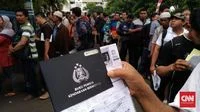
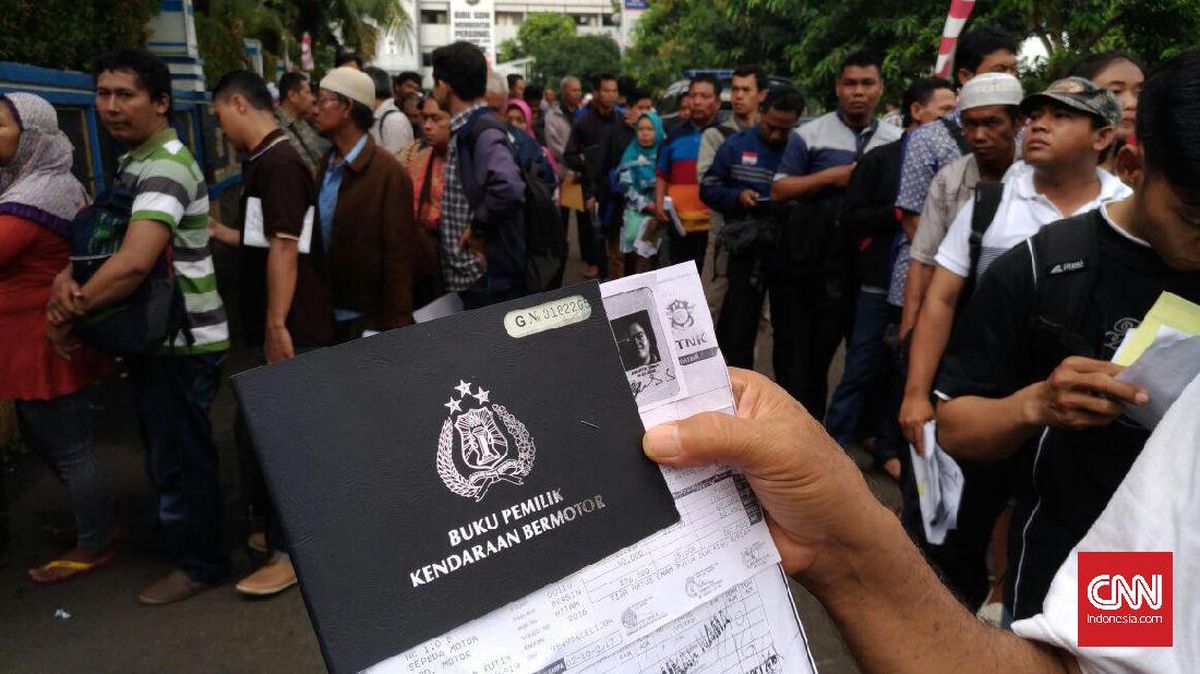
The Indonesian National Police have introduced a temporary policy allowing citizens to pay vehicle taxes and extend vehicle registration certificates (STNK) without the registered owner’s original identification (KTP). This nationwide measure, effective throughout 2026, aims to ease the burden on buyers of used vehicles who may not have yet completed the ownership transfer process. However, individuals taking advantage of this leniency are required to commit to formally transferring vehicle ownership by no later than 2027.
This significant adjustment to existing regulations acknowledges the practical challenges faced by many vehicle owners, particularly those who have purchased pre-owned vehicles. Previously, the absence of the registered owner’s KTP could hinder or prevent the renewal of vehicle tax payments and STNK extensions, creating a bureaucratic hurdle for new custodians of a vehicle. The new policy seeks to streamline this process while emphasizing the ultimate necessity of formalizing ownership.
Background and Rationale Behind the Policy Shift
The decision to implement this temporary reprieve stems from a recognition of the complexities inherent in the used vehicle market. The process of transferring vehicle ownership, often referred to as "balik nama" in Indonesian, can be time-consuming and involve various administrative steps. While the government has made strides in simplifying certain aspects, such as offering free Stamp Duty for Used Vehicle Ownership Transfer (BBNB II), the complete transfer process can still present obstacles for immediate compliance.
Brigadier General Wibowo, Director of Registration and Identification (Dirregident) of the National Police Traffic Corps (Korlantas Polri), elaborated on the policy’s framework. He emphasized that this is a conditional and time-bound measure, specifically designed to bridge a gap during 2026. The overarching objective remains to ensure all vehicles are legally registered under their current owners.
"This is effective nationally and is only for the year 2026. By 2027, all vehicles are mandated to undergo ownership transfer," stated Brigjen Wibowo in a conversation on Tuesday, April 14th. This clear timeline underscores the temporary nature of the concession and reiterates the long-term goal of accurate and up-to-date vehicle registration records.
Operational Implementation and Procedural Adjustments
In practical terms, law enforcement officers will continue to encourage vehicle owners to complete the ownership transfer process, even when tax payments are made without the KTP of the originally registered owner. This approach aims to balance immediate administrative relief with sustained efforts towards regulatory compliance.
"The question is, can people pay vehicle taxes without the old owner’s KTP if ownership has changed? We can still serve them, but we will direct them to complete the ownership transfer," Brigjen Wibowo explained. This indicates a dual approach: facilitating immediate tax compliance while actively guiding citizens towards the proper legal channels.
To formalize this arrangement, applicants will be required to complete a declaration form. This form serves as a legal commitment, wherein the individual attests to their current possession and control of the vehicle and pledges to undertake the ownership transfer by the stipulated deadline.
"Therefore, we will provide a form for the public, stating that they are the owners of the vehicle. Then, they will submit an application for blocking [the previous owner’s records, in a sense], and a commitment to transfer ownership next year, or by 2027," Brigjen Wibowo elaborated. This procedural step is crucial for maintaining a verifiable record of intent and ensuring accountability.
Addressing Socioeconomic Factors
Brigjen Wibowo further highlighted that this concession has taken into account the socioeconomic conditions of the public, including potential financial constraints. While the Stamp Duty for Used Vehicle Ownership Transfer (BBNB II) has been waived, the overall costs associated with administrative processes can still be a deterrent for some.
"If they are unable to transfer ownership this year, for example, due to cost factors, even though BBNB II is free, we provide an opportunity to transfer ownership next year or by 2027," he added. This demonstrates a pragmatic understanding of the financial realities that individuals might face, offering a more extended period for them to arrange the necessary funds and complete the transfer.
It is important to note that this policy adjustment operates within the existing legal framework. The requirement to present the registered owner’s KTP for vehicle-related transactions is codified in Police Regulation (Perpol) Number 7 of 2021, specifically in Article 61. The current leniency is an administrative accommodation rather than a fundamental change to the underlying regulation.
"However, we also do not want to violate existing rules. So, we are providing an opportunity for ownership transfer at the latest by next year," Brigjen Wibowo concluded, reaffirming the commitment to eventual full compliance with established regulations.
Broader Implications and Potential Impacts
The implementation of this policy is likely to have several significant implications for the Indonesian automotive ecosystem.
- Increased Used Vehicle Transactions: By removing a potential barrier to immediate tax payments, the policy could stimulate greater activity in the used car market. Buyers may feel more confident in purchasing vehicles, knowing they can fulfill their immediate tax obligations without the immediate pressure of completing the ownership transfer.
- Improved Tax Revenue Collection: While the immediate focus is on facilitating ownership transfer, ensuring that vehicles remain taxed is crucial for government revenue. This policy ensures that these vehicles continue to contribute to the state’s coffers, even during the transition period.
- Data Accuracy and Enforcement: The ultimate goal of mandating ownership transfer by 2027 is to improve the accuracy of vehicle registration data. This enhanced accuracy is vital for various administrative functions, including law enforcement, accident investigations, and traffic management. It will also help in more effectively enforcing traffic regulations and identifying vehicle ownership in case of legal disputes or offenses.
- Potential for Abuse and Mitigation: While the policy aims to help legitimate buyers, there is always a potential for misuse. Law enforcement agencies will need to remain vigilant in monitoring the process and ensuring that the declaration forms are filled out truthfully. The commitment to transfer by 2027 serves as a crucial accountability mechanism. The Police’s emphasis on directing individuals to complete the transfer suggests a proactive approach to mitigate potential abuse.
- Economic Relief for Vehicle Owners: The policy provides a welcome period of financial flexibility for individuals who may have encountered unforeseen circumstances or financial strains that delayed their ownership transfer. This is particularly relevant in a country where vehicle ownership is a significant asset for many.
Timeline of the Policy
- Current (2026): Citizens are permitted to pay vehicle taxes and extend STNK without the registered owner’s KTP. However, they must sign a declaration committing to transfer ownership.
- Deadline (2027): All vehicles must have undergone formal ownership transfer ("balik nama"). Failure to comply by this date will likely result in stricter enforcement and potential penalties.
- Ongoing: The National Police will continue to guide and encourage vehicle owners to complete the ownership transfer process throughout this period.
Government Initiatives and Public Perception
This move by the National Police complements existing government efforts to simplify administrative procedures and reduce the financial burden on citizens. The waiving of BBNB II, for instance, has been a significant step in making vehicle ownership transfer more accessible. The current policy can be seen as a further refinement of these efforts, demonstrating an adaptive approach to governance.
Public reaction to such policies is often varied. While many will welcome the practical relief and flexibility, some may express concerns about potential loopholes or the long-term effectiveness of the deadline. However, the clear communication from Brigjen Wibowo, emphasizing the temporary nature and the ultimate requirement of ownership transfer, is crucial in managing public expectations and ensuring understanding of the policy’s intent.
Conclusion
The National Police’s decision to offer temporary relief on vehicle tax payments without the registered owner’s KTP, coupled with a firm deadline for ownership transfer by 2027, represents a pragmatic approach to address the realities of the used vehicle market in Indonesia. This policy aims to facilitate legitimate transactions, ensure continued tax revenue, and ultimately improve the accuracy of national vehicle registration data. By acknowledging socioeconomic factors while upholding regulatory objectives, the authorities are striving to strike a balance that benefits both the public and the state. The success of this initiative will hinge on effective implementation, public cooperation, and diligent enforcement of the 2027 deadline.