Standedge Tunnel To Offer Spine-Chilling Underground Ghost Tours For Halloween While Launching Critical Fundraising Campaign For Historic Waterway

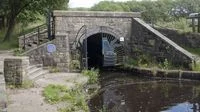
Deep beneath the rugged expanse of the Pennines in the United Kingdom lies an engineering marvel that has captivated historians, engineers, and thrill-seekers for over two centuries. The Standedge Tunnel, widely recognized as the deepest, longest, and highest canal tunnel in the United Kingdom, is preparing to welcome adventurous visitors for a series of exclusive paranormal-themed boat tours. Scheduled for October 30 and 31, these special Halloween excursions coincide with a dual milestone: celebrating the haunting legends that shroud the subterranean passage and marking the twenty-fifth anniversary of the historic site’s grand reopening following extensive multi-million-pound restorations.
Managed by the national waterways charity Canal & River Trust (CRT), the subterranean landmark stretches an impressive 5.6 kilometers through solid rock, connecting the village of Marsden in West Yorkshire with Diggle in Greater Manchester. While the engineering achievement itself remains a cornerstone of Britain’s industrial heritage, the upcoming Halloween events are designed to highlight the eerie folklore and supernatural reputation that have accumulated within the damp, dark brick-lined corridors over generations. As staff and visitors alike report inexplicable phenomena—ranging from sudden drops in temperature and spectral glowing lights to disembodied voices and sightings of a mysterious cloaked figure—the trust has curated an experience tailored to test the nerves of even the most seasoned paranormal investigators.
Historical Chronology And Engineering Significance
The construction of the Standedge Tunnel represents one of the most formidable feats of civil engineering during the Industrial Revolution, a testament to human perseverance executed long before the advent of modern heavy machinery. The chronology of the tunnel’s existence spans more than two hundred years of British transportation history, tracing a trajectory from a vital commercial shipping artery to a cherished heritage attraction.
The genesis of the project dates back to the late eighteenth century, when the rapid expansion of manufacturing hubs in northern England necessitated more efficient trade routes between Yorkshire and Lancashire. The Huddersfield Canal Company commissioned the renowned canal engineer Benjamin Outram to survey a route connecting the Calder and Hebble Navigation with the Ashton Canal. The proposed solution required cutting directly through the formidable geological barrier of the Pennine hills.
Construction officially commenced in 1794, launching a grueling seventeen-year endeavor that relied entirely on manual labor, primitive hand tools, gunpowder blasting, and sheer physical endurance. Navvies—the itinerant laborers of the canal era—worked in near-total darkness, battling constant flooding, treacherous rock formations, and suffocating ventilation issues deep underground. Tragically, numerous workers lost their lives during the construction phase due to workplace accidents and diseases.
By the time the tunnel was formally completed and opened to navigation in April 1811, it had claimed its place as an essential economic link. Boats carrying coal, wool, lime, and manufactured goods were historically "legged" through the tunnel—a grueling process where crew members lay on wooden boards attached to the sides of the boat and used their legs against the tunnel walls to push the vessel forward through the pitch-black waterway, as steam and combustion engines were not yet viable in the confined space.
Despite its initial commercial success, the rise of the railway network in the mid-to-late nineteenth century eventually diminished the economic viability of commercial canal transport. The Huddersfield Narrow Canal, including the Standedge Tunnel, fell into decline and was ultimately closed to navigation in the mid-twentieth century, leaving the magnificent subterranean bore abandoned and sliding into structural decay.
The Modern Restoration And Silver Jubilee
The renaissance of the Standedge Tunnel began toward the end of the twentieth century, driven by tireless lobbying from heritage preservationists, local history enthusiasts, and organizations such as the Huddersfield Canal Society. Recognizing the immense cultural and historical value of the waterway, a massive restoration project was initiated with substantial funding from the National Heritage Lottery Fund, regional development agencies, and government grants.
Engineers and conservationists faced daunting challenges in clearing decades of silt, repairing collapsed masonry, and restoring the complex lock systems leading up to the tunnel portals. The endeavor culminated in a triumphant reopening in May 2001, exactly one hundred and ninety years after its original completion. The successful restoration not only revived a critical historical monument but also catalyzed local tourism, transforming the rugged Pennine corridor into a vibrant recreational destination.
As the Canal & River Trust marks the twenty-fifth anniversary of this modern reopening, the organization finds itself reflecting on the enduring popularity of the site. Thousands of tourists, educational groups, and boating enthusiasts navigate the Huddersfield Narrow Canal annually, experiencing firsthand the claustrophobic grandeur of the underground passage. However, the milestone also brings to light the ongoing financial and logistical challenges of maintaining such a complex heritage asset in an era of constrained funding.
Paranormal Folklore And The Halloween Experience
Beyond its industrial pedigree, the Standedge Tunnel has steadily cultivated a reputation as a hotspot for anomalous activity. The combination of intense human labor during its construction, the isolated environment, and the sheer scale of the subterranean space has naturally fertilized local ghost stories.
According to archival accounts and contemporary reports gathered by the Canal & River Trust, staff members performing routine maintenance and visitors taking part in underground boat tours have frequently encountered unexplained phenomena. The most commonly reported incidents include sudden, sharp fluctuations in ambient air temperature, unexplainable flickering light anomalies that defy the pathway’s electrical layout, and echoes of pickaxes striking stone originating from dead-end adits where no workers are present. The most persistent legend involves the sighting of a silent, hooded figure drifting near the midpoint of the tunnel—frequently speculated to be the spirit of a nineteenth-century navvy who perished during construction.
Capitalizing on these enduring legends, the upcoming Halloween tours—scheduled for October 30 and 31—aim to offer an immersive, spine-chilling exploration of the subterranean dark. In collaboration with the Huddersfield Canal Society, the trust has organized specialized excursions designed to balance historical education with atmospheric thrills. Organizers note that the events have been meticulously crafted to appeal to thrill-seekers, paranormal enthusiasts, and families alike, featuring specialized "family ghost-busting" sessions alongside more intense evening tours.
In an official statement released by the Canal & River Trust, representatives emphasized the unique atmosphere of the venue: "This activity is designed to provide a genuinely unsettling experience, leveraging the natural acoustics, complete darkness, and rich history of the tunnel to offer something truly unforgettable for even the bravest paranormal investigators."
Fundraising Imperative And The Future Of Subterranean Tourism
While the Halloween ghost tours promise lighthearted scares and community engagement, they serve a much more urgent and practical purpose: raising awareness and financial support for the replacement of the tunnel’s primary tourist boat fleet.
Since the site’s reopening in 2001, the specialized narrowboats that transport visitors through the subterranean expanse have operated under rigorous daily schedules, exposing the vessels to the harsh, damp, and mineral-heavy environment of the underground waterway. Consequently, the current operational fleet has reached the end of its viable service life, necessitating an urgent acquisition of new vessels to ensure uninterrupted public access.
Catherine Clayton, the Regional Operations Manager for the Canal & River Trust, underscored the critical nature of the current fundraising initiative during a recent briefing on regional infrastructure needs.
"Without a replacement vessel, future generations may no longer have the extraordinary opportunity to experience what it feels like to journey beneath the Pennines," Clayton stated. "The Standedge Tunnel is not merely a historic curiosity; it is a vital part of our shared industrial heritage that requires active, ongoing stewardship. The wear and tear on our fleet reflect decades of heavy public use, and we are now at a crucial juncture where public support is essential to secure the longevity of this attraction."
The Canal & River Trust has structured the fundraising campaign to accept donations both online through their official portal and on-site at the Standedge Tunnel visitor center in Marsden. Contributions will go directly toward the engineering, procurement, and certification of modern, environmentally compliant tour boats capable of navigating the narrow clearances and low ventilation tolerances of the five-kilometer bore.
Broader Economic And Cultural Implications
The challenges facing the Standedge Tunnel reflect a broader, nationwide conversation regarding the preservation and financial sustainability of the United Kingdom’s extensive canal and inland waterway network. Managed largely by charities like the Canal & River Trust, these historic networks face escalating maintenance deficits due to inflation, climate change impacts on masonry and embankments, and fluctuating government subsidies.
Analysts note that heritage tourism plays a pivotal role in the local economies of post-industrial regions like West Yorkshire and Greater Manchester. Attractions such as the Standedge Tunnel act as economic anchors, driving foot traffic to local hospitality businesses, bed-and-breakfasts, cafes, and independent retailers in Marsden and Diggle. The loss or reduction of operational capacity at major heritage sites can trigger a localized downturn in visitor spending, highlighting the interconnectedness of heritage preservation and regional economic vitality.
Furthermore, educational institutions across northern England rely on the site to provide experiential learning opportunities regarding the Industrial Revolution, civil engineering, and Victorian labor history. The potential interruption of boat tours threatens to sever a tangible educational link for students who benefit from witnessing historical infrastructure firsthand rather than merely through textbooks.
As the dates for the Halloween ghost tours approach, ticket sales via the Canal & River Trust’s official digital platforms have demonstrated robust public interest, signaling that local communities and heritage advocates remain deeply invested in the site’s future. Whether driven by a fascination with the paranormal, an appreciation for Victorian engineering, or a desire to support regional heritage conservation, visitors descending into the depths of the Standedge Tunnel this autumn will be participating in a vital effort to preserve a unique chapter of British history for decades to come.