Navigating the UTBK SNBT 2026: A Comprehensive Guide to Dress Code and Essential Requirements

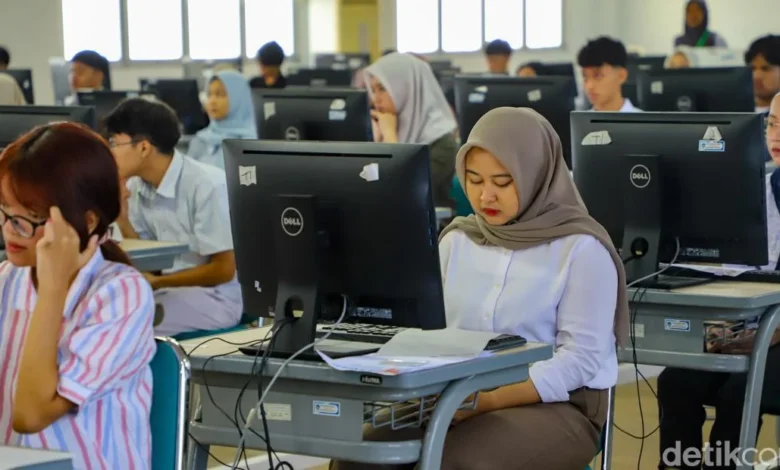
As the highly anticipated UTBK SNBT 2026 examination period draws nearer, prospective students are diligently focusing on mastering the vast curriculum. However, beyond academic preparation, a crucial yet often overlooked aspect of the exam lies in adhering to the specific dress code mandated by the organizing committee. Understanding and complying with these regulations is paramount for ensuring a comfortable, focused, and stress-free examination experience. This comprehensive guide aims to demystify the UTBK SNBT 2026 dress code, outlining permissible attire, prohibited items, and essential documents, thereby empowering participants to approach their examination day with confidence and clarity.
Background and Significance of UTBK SNBT
The Ujian Tulis Berbasis Komputer (UTBK) Seleksi Nasional Berbasis Tes (SNBT) is a pivotal national examination in Indonesia, serving as the primary gateway for students seeking admission to public universities. This standardized test assesses a student’s academic aptitude across various domains, including general knowledge, logical reasoning, and specific subject areas, depending on the chosen program of study. The SNBT, as part of the broader National Higher Education Admission System (SN-PTN), aims to ensure a fair and equitable selection process for millions of high school graduates annually vying for limited spots in prestigious higher education institutions. The year 2026 marks another significant iteration of this crucial examination, with the organizing committee, the National Achievement Center (Puspresnas) under the Ministry of Education, Culture, Research, and Technology, implementing stringent guidelines to maintain the integrity and fairness of the process.
The UTBK SNBT has evolved over the years, with the introduction of computer-based testing marking a significant technological leap. This shift necessitates not only robust infrastructure but also a well-defined set of operational protocols, including strict examination rules. The dress code, while seemingly a minor detail, plays a role in minimizing distractions, preventing potential forms of academic dishonesty, and fostering an environment of seriousness and respect within the examination halls. The committee’s emphasis on these regulations, as communicated through official channels like the @snpmb_id Instagram account, underscores their importance in upholding the credibility of the examination.
Understanding the UTBK SNBT 2026 Dress Code
The UTBK SNBT 2026 organizing committee has established clear guidelines regarding the attire of examination participants. The overarching principle is to ensure that clothing is neat, modest, and conducive to a focused learning environment. While specific details regarding permissible clothing items are typically disseminated through official announcements, a general understanding can be derived from past examinations and the underlying rationale of the committee.
Generally, participants are expected to wear appropriate academic attire. This typically includes:
- Shirts/Tops: Plain, long-sleeved or short-sleeved shirts are usually acceptable. T-shirts with excessive graphics, logos, or slogans that could be distracting or deemed inappropriate are often discouraged. Collared shirts or blouses are often preferred for a more formal appearance.
- Trousers/Skirts: Long trousers, such as jeans or formal slacks, are typically permitted. Skirts or dresses, if worn, should be of a modest length, generally extending to the knee or below.
- Footwear: Closed-toe shoes are usually mandatory. This is a common requirement in examination settings for safety and to prevent any potential use of concealed items. Sandals or flip-flops are generally not allowed.
- Headwear: In many cases, headscarves or religious headwear are permitted, provided they do not obscure the face and do not carry any distracting insignia. However, any form of hat or cap worn for non-religious reasons is usually prohibited during the examination itself.
The committee’s advice for participants to wear attire that allows for comfort and concentration is crucial. Long examination periods can be taxing, and uncomfortable clothing can significantly detract from a participant’s ability to perform at their best. Therefore, choosing breathable fabrics and comfortable fits is advisable.
Prohibited Attire and Items in UTBK SNBT 2026
To maintain the integrity of the examination and prevent any form of academic misconduct, the UTBK SNBT 2026 committee has also outlined specific items of clothing and accessories that are strictly prohibited within the examination venue. Adherence to these prohibitions is non-negotiable and failure to comply may result in exclusion from the test.
Key prohibitions typically include:
- Clothing with distracting prints or messages: This encompasses t-shirts, shirts, or any other apparel featuring large logos, offensive graphics, political slogans, or any imagery that could be considered disruptive or inappropriate in an academic setting. The goal is to minimize any visual distractions for both the test-taker and their peers.
- Excessive jewelry or accessories: While some minimal jewelry might be acceptable, items that are overly flashy, noisy, or could potentially be used to conceal unauthorized materials are usually forbidden. This can include large necklaces, bracelets, or elaborate earrings.
- Hats or caps (non-religious): As mentioned earlier, any headwear not worn for religious observance is typically prohibited. This is to prevent the concealment of unauthorized notes or electronic devices.
- Sandals or flip-flops: Footwear must be closed-toe for safety and to ensure no unauthorized items are hidden within or attached to the footwear.
- Clothing that is too revealing or inappropriate: This falls under the general umbrella of maintaining a respectful and serious academic environment. Attire that is excessively casual or revealing is not suitable for a formal examination.
The rationale behind these prohibitions is to create a level playing field for all participants and to ensure that the examination environment remains focused and conducive to academic assessment. Any deviation from these rules could be interpreted as an attempt to gain an unfair advantage or to disrupt the examination process.
Prohibited Items to Bring into the Examination Hall
Beyond attire, the UTBK SNBT 2026 committee also enforces strict regulations on the items that participants are permitted to bring into the examination hall. These rules are designed to prevent cheating and to ensure that all candidates are assessed based on their own knowledge and abilities.
The following items are generally prohibited:
- Electronic Devices: This is a critical category. Mobile phones, smartwatches, calculators (unless specifically permitted for certain sections), cameras, tablets, and any other electronic gadgets capable of communication or data storage are strictly forbidden. These devices must be switched off and stored in designated areas before entering the examination hall.
- Bags and Backpacks: Large bags, backpacks, and even small purses are typically not allowed inside the examination room. Participants are usually advised to bring only essential items and to leave their bags in a designated holding area outside the examination hall.
- Books, Notes, and Study Materials: Any form of written or printed material, including textbooks, notebooks, loose papers, or cheat sheets, is prohibited. The examination is designed to test the knowledge acquired by the student, not to allow them to refer to external sources.
- Food and Drinks (unless medically necessary): While water bottles might be allowed in some cases, bringing excessive amounts of food or drinks is generally discouraged. This is to prevent distractions and potential issues with littering. Any exceptions for medical reasons would typically require prior approval and documentation.
- Writing Utensils (unless provided): In many computer-based tests, the examination platform itself provides the necessary tools for answering questions. Participants are usually instructed not to bring their own pens or pencils unless explicitly stated otherwise.
Important Note on Bag and Note Collection:
As a standard procedure, participants will be required to deposit their bags, books, and any other prohibited notes at a designated collection point managed by the examination committee. This collection process will take place before candidates are permitted to enter the examination room. This measure ensures that no unauthorized materials are brought into the testing environment.
Essential Documents for UTBK SNBT 2026
While many items are prohibited, there are crucial documents that participants must bring with them to the UTBK SNBT 2026 examination. These documents are essential for verification and identification purposes and are required for entry into the examination hall. Forgetting any of these can lead to significant complications, potentially even preventing a candidate from taking the test.
The mandatory documents typically include:
- Valid Identification: This is the most critical document. Participants must bring a valid, government-issued identification card. This could be a National Identity Card (KTP), a Student Identity Card (Kartu Pelajar) with a recent photograph, or a driver’s license, depending on what is specified in the official guidelines. The identification must be current and clearly display the participant’s photograph and personal details.
- UTBK SNBT 2026 Registration Card/Proof of Registration: This document serves as proof that the participant is officially registered for the examination. It usually contains the participant’s name, examination center, date, and time. This card is typically printed after completing the online registration process.
- Passport-sized Photographs (as specified): In some instances, participants may be required to bring a certain number of recent passport-sized photographs. The size and background color of these photographs are usually specified in the registration guidelines. These might be needed for official record-keeping or for pasting onto attendance sheets.
- Medical Certificate (if applicable): As mentioned earlier, if a participant requires special accommodations due to a medical condition, a valid medical certificate from a registered doctor, along with prior approval from the committee, would be a mandatory document.
Timeline and Chronology of Preparations
The UTBK SNBT 2026 examination is not a spontaneous event; it is the culmination of a carefully planned and executed process that begins many months in advance. Understanding this timeline can help participants stay organized and informed.
- Early Stages (Mid to Late Previous Year): The National Achievement Center (Puspresnas) and the Ministry of Education, Culture, Research, and Technology typically begin the planning and development phase for the upcoming UTBK SNBT. This includes curriculum review, test item development, and the establishment of the overall examination framework.
- Registration Period (Typically early months of the examination year): The official registration window for the UTBK SNBT is announced. This period allows students to create accounts, select their examination preferences, and complete the payment. This is a crucial phase where participants must ensure they have all necessary personal documents ready.
- Information Dissemination (Ongoing): Throughout the registration and preparation phases, official announcements regarding examination procedures, dress codes, prohibited items, and required documents are disseminated through official websites and social media channels of SNPMB and Puspresnas.
- Examination Period (Typically several weeks): The actual UTBK SNBT examinations are conducted over a period of several weeks. Participants are assigned specific dates and times based on their chosen examination center.
- Result Announcement (Following the examination period): After the examination concludes, the results are processed and announced to the public, allowing students to then proceed with their university application processes.
Reactions and Official Statements
While direct quotes from specific officials regarding the dress code are not provided in the source material, the emphasis placed on these regulations by the @snpmb_id official Instagram account speaks volumes about the committee’s commitment to a fair and orderly examination. Official statements from the Ministry of Education, Culture, Research, and Technology consistently highlight the importance of integrity and transparency in the national admission process. These sentiments underscore the rationale behind stringent rules, including dress codes and prohibitions, aiming to foster an environment where merit and academic performance are the sole determinants of success.
Broader Impact and Analysis
The UTBK SNBT 2026 dress code and regulations are more than just a set of rules; they are an integral part of maintaining the integrity and credibility of Indonesia’s higher education admission system. By ensuring that all participants adhere to similar standards of presentation and conduct, the committee aims to:
- Promote Fairness: A standardized dress code and prohibition of unauthorized materials ensure that no participant gains an unfair advantage through external aids or inappropriate attire.
- Enhance Focus: A disciplined examination environment, free from distractions, allows students to concentrate fully on the test, thereby reflecting their true academic capabilities.
- Instill Discipline: Adhering to these regulations teaches students the importance of following rules and procedures, a valuable life skill that extends beyond academic pursuits.
- Uphold the Value of Education: By maintaining the integrity of the selection process, the UTBK SNBT reinforces the value and prestige of higher education in Indonesia.
In conclusion, while the UTBK SNBT 2026 is primarily an academic challenge, meticulous attention to practical details such as the dress code and required documents is equally vital for a successful examination experience. Participants are strongly advised to refer to the latest official announcements from the SNPMB and Puspresnas for the most accurate and up-to-date information. By understanding and adhering to these guidelines, students can approach their examination day with confidence, knowing they have fulfilled all necessary requirements, and can focus their energy entirely on demonstrating their academic prowess.
Related posts: