Navigating Separation Anxiety: Expert Strategies and Psychological Insights for Parents Managing Childhood Distress


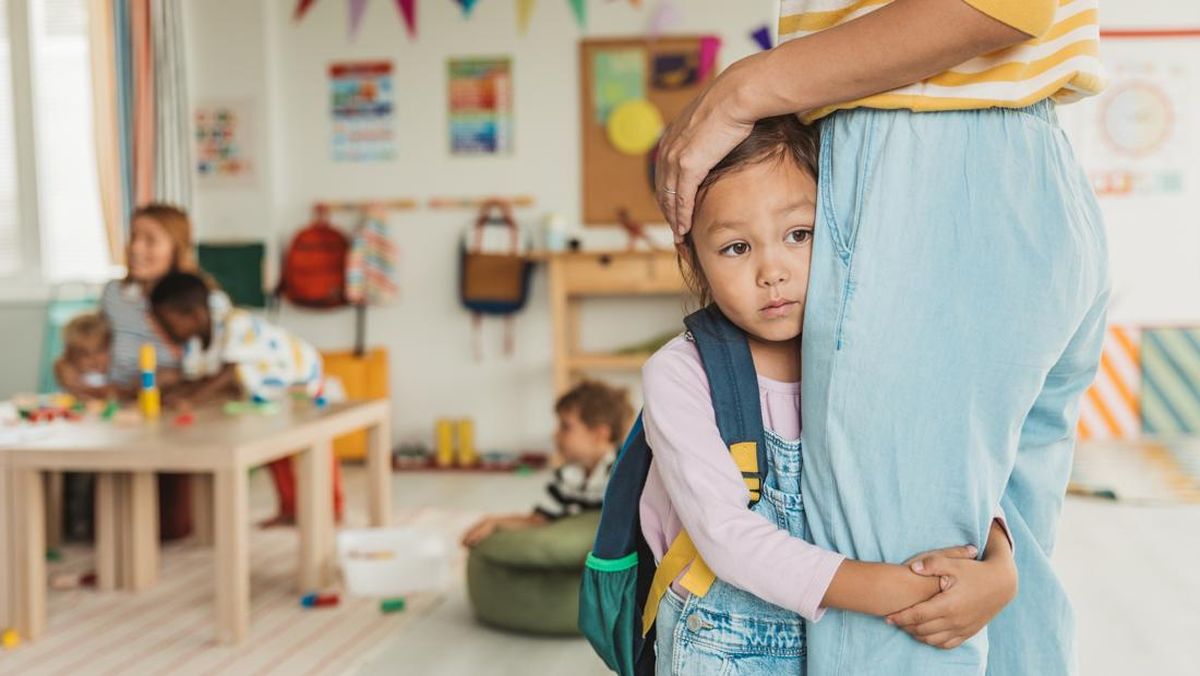
Children crying uncontrollably, clutching onto their parents’ legs, or throwing temper tantrums at the mention of daycare or school drop-offs are scenes familiar to households worldwide. While emotionally draining for caregivers, this behavior is a deeply rooted biological phenomenon known as separation anxiety. Managing this delicate transition requires a delicate balance of empathy, consistency, and psychological understanding. Far from being a mere behavioral problem or a sign of excessive pampering, separation anxiety is a normal developmental milestone that reflects a child’s evolving cognitive awareness of the world and their attachment to caregivers.
Understanding the Roots of Separation Anxiety
According to developmental psychology, infants quickly learn that their primary caregivers are the ultimate source of safety, nourishment, and emotional regulation. This foundational attachment is vital for healthy psychological development. However, as children grow, they begin to develop object permanence and cognitive maturity. They start to realize that caregivers have lives independent of them and can physically leave the immediate environment.
This realization often triggers an internal panic response. The child wonders: If my caregiver can leave, will they return? Who will protect and care for me? This existential uncertainty manifests as acute distress during departures. Psychological research published in behavioral journals indicates that separation anxiety typically peaks at specific developmental windows, most notably around 8 to 14 months of age, with a secondary wave often occurring when children enter formal schooling around ages 4 to 6. Although the intensity varies greatly from one child to another, the underlying emotional mechanism remains remarkably consistent.
The Chronology of Childhood Independence: A Developmental Timeline
Understanding when and how separation anxiety typically manifests can help parents prepare for these emotional hurdles and respond with strategic foresight.
Infancy (0 to 12 Months): During the first half of the first year, babies generally accept interactions with various caregivers. However, around 8 months, stranger anxiety and separation anxiety emerge concurrently. Infants learn to distinguish primary caregivers from unfamiliar faces and protest vocally when separated from their preferred attachment figures.
Toddlerhood (1 to 3 Years): This is a period of intense autonomy-seeking coupled with deep-seated dependency. Toddlers may demand constant proximity while simultaneously exploring their environment. Drop-off resistance at childcare centers frequently spikes during this phase as children test the boundaries of their independence.
Early Childhood (4 to 6 Years): The transition to preschool or kindergarten introduces a complex social environment. Children at this stage possess better language skills but may still struggle with the abstract concept of time. A school day can feel like an eternity to a five-year-old, heightening morning anxiety.
Middle Childhood and Beyond: While clinical separation anxiety is less common in older children, transitional life events—such as moving to a new neighborhood, changing schools, or family disruptions—can trigger a resurgence of attachment-related fears.
Actionable Strategies for Easeful Transitions
Child development experts and pediatric behavioral specialists advocate for proactive, structured approaches rather than reactive measures when handling separation distress. Implementing evidence-based techniques can significantly reduce the emotional friction of daily departures.
-
Proactive Preparation and Clear Communication
Parents often make the mistake of sneaking away while the child is distracted to avoid a tearful scene. While this may spare the parent immediate emotional discomfort, it erodes the child’s trust. Experts strongly advise explaining upcoming departures beforehand using simple, age-appropriate language. Highlighting positive aspects of the destination—such as playing with specific toys or engaging in fun group activities—helps direct the child’s cognitive focus toward anticipated positive experiences. -
Establishing Consistent, Brief Good-Bye Rituals
Lengthy, drawn-out good-byes often exacerbate anxiety by prolonging the anticipation of separation. Establishing a predictable routine—such as a specific handshake, a dual kiss on the cheek, and a reassuring phrase—provides emotional security. Once the ritual is complete, the parent must execute a confident departure. Lingering after the good-bye signals to the child that the situation is genuinely dangerous or uncertain. -
Contextualizing Time for Young Minds
Young children lack a fully developed internal clock. Abstract phrases like "I will be back in five hours" hold no meaning for a toddler or preschooler. Instead, parents should anchor time to concrete daily events. Utilizing reference points such as "I will pick you up right after your afternoon nap" or "Mommy will be here when you finish your lunch" bridges the cognitive gap and provides a tangible marker for the child to anticipate. -
Validating Emotions Without Reinforcing Fear
Dismissing a child’s tears with phrases like "stop crying, there is nothing to be afraid of" invalidates their emotional reality. Conversely, over-coddling can inadvertently signal that the environment is indeed perilous. A balanced, empathetic response acknowledges the child’s feelings while maintaining a calm, optimistic demeanor. Statements such as "I know it is hard to say goodbye right now, but I know you are going to have a wonderful day and I will see you soon" offer emotional validation coupled with secure reassurance. -
Gradual Exposure and Desensitization
Just as physical endurance is built over time, emotional resilience requires gradual practice. Parents can introduce short separations by leaving the child with a trusted family member, close friend, or familiar babysitter for brief intervals. Gradually extending the duration helps the child internalize the reality that separation is always followed by reunion. Furthermore, parents must monitor their own anxiety levels; children are exceptionally perceptive and can absorb emotional tension from their caregivers, mirroring parental unease during handoffs.
Broader Implications and When to Seek Professional Support
While separation anxiety is a standard phase of growing up, its management has broader implications for a child’s long-term social and emotional development. Successfully navigating these early transitional hurdles fosters resilience, emotional self-regulation, and confidence in interpersonal relationships. Children who learn that temporary separations are safe develop stronger coping mechanisms for future life stressors.
However, parents must remain vigilant regarding the boundary between normal developmental anxiety and clinical conditions. If separation anxiety persists with intense severity beyond the expected developmental window, causes extreme physical symptoms such as chronic stomachaches or panic attacks, or severely disrupts family functioning and school attendance, it may indicate Separation Anxiety Disorder (SAD).
In such cases, self-help strategies may no longer suffice. Caregivers are encouraged to consult pediatricians, child psychologists, or licensed mental health professionals. Therapeutic interventions, such as cognitive-behavioral therapy (CBT) tailored for children, can provide specialized tools to help both the child and the family navigate persistent emotional distress, ensuring healthy psychological growth for the long term.
Related posts: