Joko Anwar’s ‘Ghost in the Cell’ Delves into the Dark Underbelly of Indonesia’s Correctional System


Joko Anwar, a director known for his daring and thought-provoking cinematic contributions, has once again delivered a potent piece of filmmaking with his latest offering, "Ghost in the Cell." This fictional narrative transcends the conventional horror genre, presenting a sharp social critique that delves into the grim realities and systemic rot within Indonesia’s correctional facilities. The film, released on April 16, 2026, has sparked considerable discussion for its unflinching portrayal of institutional decay and the moral compromises that fester within such closed environments.
A Glimpse into the Shadowy World of Lapas Labuan Angsana
"Ghost in the Cell" centers on a malevolent entity that specifically targets individuals harboring negative emotions, such as rage and malice. The film’s core message is starkly articulated: "Even ghosts can be angered by human evil." This premise serves as a powerful allegory, warning against the propagation of negativity and its potential to invite catastrophe. The narrative unfolds within the confines of Lapas Labuan Angsana, a fictional prison that becomes a microcosm of the broader societal issues plaguing Indonesia.
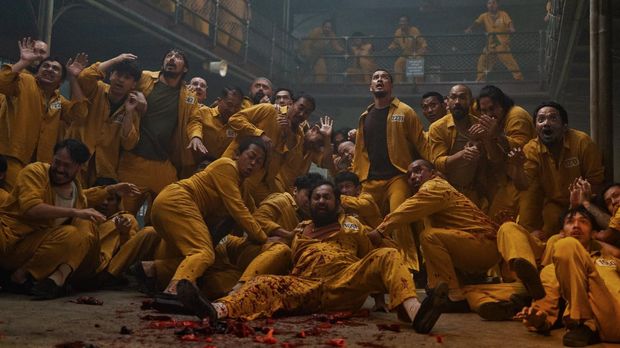
The film doesn’t shy away from explicit, visceral horror. Joko Anwar masterfully employs explicit gore, unsettling audiences with its raw intensity. Beyond the bloodshed, however, lies a more insidious psychological layer. The film incorporates elements designed to trigger trypophobia, the fear of clustered holes, which are visually linked to decay and parasitic infestation. These disturbing visual motifs are not merely for shock value; they symbolize the pervasive corruption and moral rot that have infiltrated the characters, gnawing at their integrity from the inside out. This visual metaphor powerfully underscores how internal decay can manifest externally, mirroring the systemic breakdown within the prison.
A Systemic Critique: Guards vs. Inmates
A particularly striking aspect of "Ghost in the Cell" is its subversion of typical perpetrator-victim dynamics. The film boldly suggests that within the suffocating walls of Lapas Labuan Angsana, the inmates are not always the sole villains. Instead, the narrative highlights how prison guards often exhibit far more heinous behavior, acting with a cruelty that surpasses that of the incarcerated. This portrayal challenges the audience’s preconceived notions about justice and punishment, suggesting that the very institutions designed to rehabilitate can become breeding grounds for greater transgression.
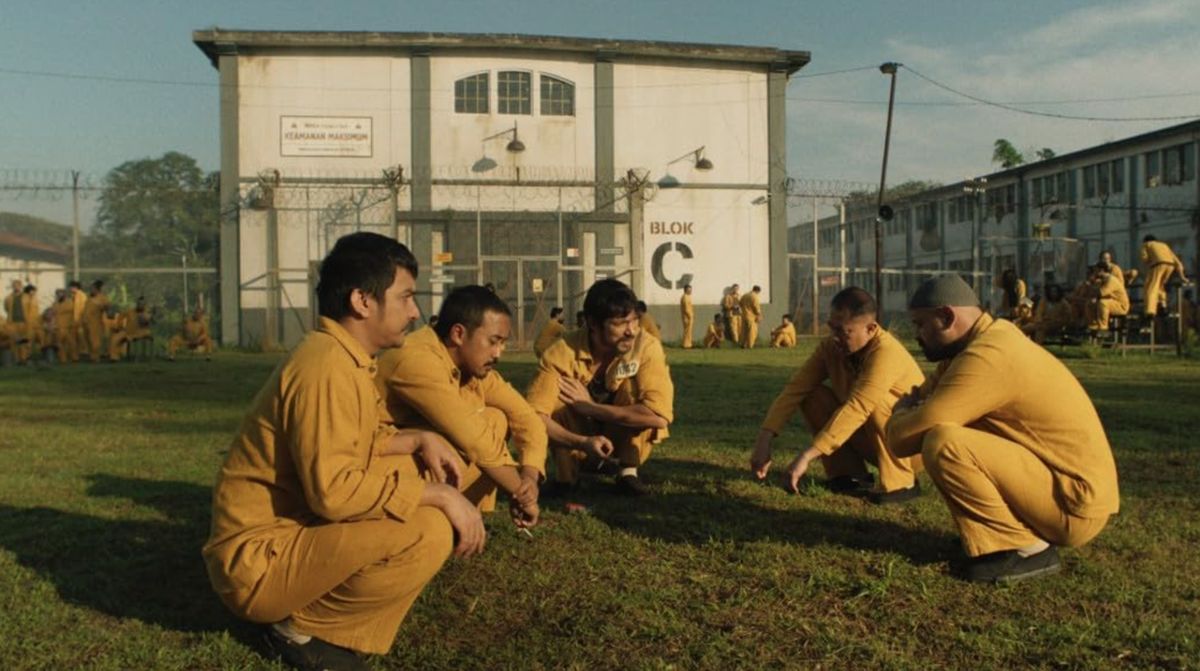
The prison is depicted as a self-contained world where torture is often rationalized as a means of enforcing justice, carried out by individuals driven by a punitive rather than rehabilitative mindset. This is a critical commentary on the flaws within the justice system, where the emphasis may have shifted from reform to retribution. The film implicitly questions the effectiveness and ethical implications of such an approach, especially when wielded by those in positions of authority.
Addressing Societal Ills Through Allegory
Joko Anwar’s narrative courageously tackles sensitive real-world issues, weaving them into the fabric of the film’s plot. One notable storyline involves a once-heroic activist for the people who, in their twilight years, succumbs to corruption. This serves as a poignant reminder of how power can corrupt and how even noble intentions can be compromised by greed and moral compromise. The film suggests that such betrayals of public trust are not isolated incidents but can be symptomatic of a larger societal malaise.
The film meticulously portrays the rigid hierarchy of power within the prison walls. Corrupt guards are shown to be in league with influential inmates, a symbiotic relationship that allows them to maintain a facade of order and control while perpetuating their illicit activities. This complex web of alliances and betrayals highlights the pervasive nature of corruption, demonstrating how it can permeate even the most secure institutions. The film’s depiction of this internal power struggle offers a stark allegory for the challenges faced by Indonesian society in its fight against corruption at various levels.
A Stellar Ensemble Cast
"Ghost in the Cell" is bolstered by a formidable cast of acclaimed Indonesian actors. The ensemble includes luminaries such as Abimana Aryasatya, Rio Dewanto, Lukman Sardi, Bront Palarae, Tora Sudiro, Morgan Oey, Endy Arfian, and Kiki Narendra. Their collective performances lend significant weight and authenticity to the film’s dark and complex narrative.
A standout performance comes from Aming, who deviates sharply from his usual comedic roles. In "Ghost in the Cell," Aming embodies a chillingly effective psychopath, delivering a transformative portrayal of a character who is both cold and uniquely menacing. His performance is a testament to his versatility as an actor and adds another layer of depth to the film’s already compelling character dynamics. This unexpected turn by a familiar face likely surprised and impressed audiences, further solidifying the film’s impact.
Humor as a Cathartic Release and Critical Tool
Despite its overwhelmingly dark and oppressive atmosphere, "Ghost in the Cell" strategically incorporates moments of humor. This comedic relief is not gratuitous but serves a crucial purpose, acting as both a cathartic release for the audience and a subtle vehicle for social commentary. The humor manifests in witty, satirical dialogue that cleverly targets various contemporary issues in Indonesia. Lines like "Preman masuknya nggak di penjara, masuknya ormas" (Thugs don’t go to prison, they join organizations) and "Tapi kan lu tinggal di Indonesia, bukan Norwegia" (But you live in Indonesia, not Norway) offer sharp observations on the country’s socio-political landscape.
The inclusion of these satirical jabs is a masterstroke by Joko Anwar. It prevents the audience from succumbing to mental fatigue caused by the film’s intense and often disturbing visuals. Moreover, it provides an effective channel for conveying critical messages without resorting to overt didacticism. This balanced approach ensures that the film remains engaging and impactful, resonating with viewers on multiple levels.
Weaknesses and Enduring Strengths
While "Ghost in the Cell" is undeniably a powerful film, it is not without its minor shortcomings. The narrative conceit of ghosts detecting auras, while serving the allegorical purpose, might strain credulity for some viewers, leading to moments where the plot feels less grounded. Additionally, some critics have pointed out that certain dialogues can feel repetitive, and the thematic depth in specific instances could have been further explored.
However, these criticisms do not detract from the film’s overarching strengths. The characters, despite the fantastical elements, leave a profound and lasting impression. The film’s central message – that the most terrifying demons are not supernatural but are found in corrupt systems and the loss of human self-control – is delivered with undeniable force.
The film’s resonance with contemporary Indonesian realities is undeniable. Watching "Ghost in the Cell" elicits a bitter laugh, a laugh born from the tragicomic absurdity and profound sadness of the nation’s current state. It is a laughter that acknowledges the darkness but also highlights the resilience and the persistent, albeit often painful, human spirit.

Broader Implications and Context
The release of "Ghost in the Cell" comes at a time when discussions surrounding prison reform, corruption, and the state of the justice system are particularly salient in Indonesia. Recent reports from the Indonesian Ombudsman and various human rights organizations have consistently highlighted issues such as overcrowding, allegations of abuse, and the need for more effective rehabilitation programs within correctional facilities. For instance, data from the Directorate General of Correctional Institutions (Ditjenpas) has often indicated prison populations significantly exceeding capacity, creating an environment ripe for the issues depicted in the film.
Joko Anwar’s decision to set his story within this context is not coincidental. By choosing a fictional prison, he gains the creative license to exaggerate and allegorize without directly implicating specific institutions, thereby allowing for a broader critique of systemic failures. The film’s narrative, which contrasts the supposed guardians of order with those they incarcerate, mirrors real-world concerns about the integrity of law enforcement and judicial processes. The portrayal of corrupt guards colluding with inmates for mutual benefit speaks to the pervasive nature of corruption that has been a persistent challenge for the Indonesian government.
Future Outlook and Societal Impact
The implications of "Ghost in the Cell" extend beyond its cinematic release. The film serves as a catalyst for public discourse, encouraging audiences to critically examine the societal structures and ethical considerations that underpin the justice system. By presenting a narrative that is both horrifying and relatable, Joko Anwar prompts viewers to confront uncomfortable truths about their society.
The film’s success in engaging a wide audience, from critics to the general public, suggests a growing appetite for cinema that tackles complex social issues. This trend could pave the way for more films that challenge societal norms and advocate for reform through artistic expression. The strong performances, particularly Aming’s, also highlight the potential for actors to break free from typecasting and contribute to powerful social commentaries.
Ultimately, "Ghost in the Cell" is more than just a horror film; it is a potent social commentary that uses the medium of cinema to hold a mirror up to society. Its exploration of corruption, systemic failure, and the dark side of human nature, set against the backdrop of a grim correctional facility, leaves an indelible mark on the viewer. The film’s enduring message—that the most formidable "ghosts" are not supernatural but are the product of a broken system and a compromised human spirit—is a timely and crucial reminder for Indonesia and indeed, for the world.