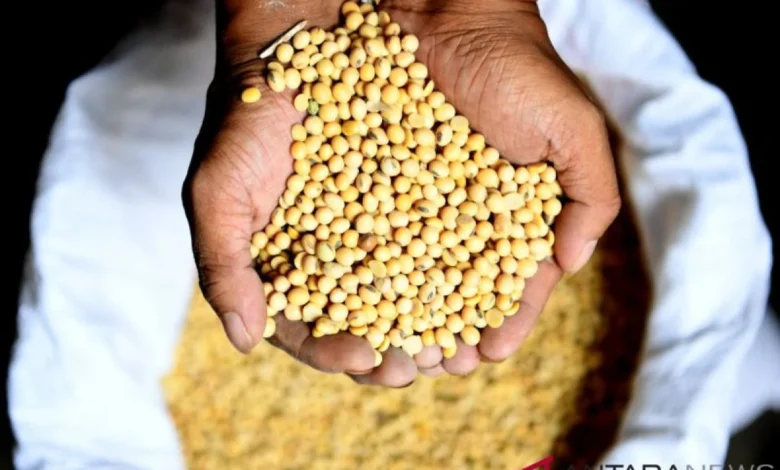
In the landscape of modern nutrition, plant-based beverages have transitioned from niche dietary alternatives to mainstream staples. Among these, soy milk stands out as a highly nutritious, versatile, and accessible option. Derived from the processing of soybeans—involving soaking, grinding, boiling, and filtration—soy milk offers a profile of essential amino acids, vitamins, and minerals that rival traditional dairy products. As global dietary habits shift toward more sustainable and health-conscious choices, soy milk has emerged as a cornerstone of plant-based nutrition, particularly for those navigating lactose intolerance, veganism, or cardiovascular health concerns.
The Nutritional Architecture of Soy Milk
The nutritional composition of soy milk is defined by its protein density and the presence of unique bioactive compounds. On average, a standard 240-milliliter serving provides approximately 7 to 8 grams of high-quality protein. This protein is classified as "complete," meaning it contains all nine essential amino acids that the human body cannot synthesize on its own. Beyond protein, soy milk is a source of unsaturated fatty acids, potassium, magnesium, and phosphorus, all of which contribute to systemic physiological functions.
Modern manufacturing processes often employ fortification to enhance the nutritional value of commercial soy milk. By adding calcium, vitamin D, vitamin A, and vitamin B12, producers align the nutritional profile of soy milk more closely with cow’s milk. Furthermore, the inclusion of isoflavones—a class of phytoestrogens—distinguishes soy from other plant-based milks. While these compounds structurally resemble human estrogen, they operate differently, providing potential health benefits that have been the subject of extensive clinical research for decades.
A Historical Perspective and Evolution of Soy Consumption
The consumption of soy-based beverages is deeply rooted in East Asian history, dating back over two millennia. Originally developed as a byproduct of tofu production, soy milk gained wider global recognition during the 20th century as industrial food processing allowed for shelf-stable packaging.
In the late 1990s and early 2000s, clinical interest in soy intensified following studies published in leading medical journals suggesting that soy protein could contribute to the reduction of low-density lipoprotein (LDL) cholesterol. This period marked a turning point, moving soy milk from an ethnic food category to a health-food aisle staple. The subsequent rise of the "flexitarian" movement in the 2010s further propelled its market growth, as consumers sought to mitigate the environmental impact of livestock farming while maintaining protein intake.
Clinical Implications and Health Benefits
The clinical benefits of regular soy milk consumption are multifaceted, supported by a growing body of peer-reviewed evidence.
Cardiovascular Health and Lipid Management
One of the most documented benefits of soy protein is its role in heart health. Clinical trials have suggested that substituting animal-based proteins—which are often high in saturated fats—with soy protein can lead to a modest but significant decrease in LDL cholesterol levels. The mechanism is believed to involve the high polyunsaturated fat content and the fiber found in soybeans, which assist in managing blood pressure and reducing arterial inflammation.
Bone Density and Nutrient Absorption
For individuals who cannot tolerate dairy, the primary concern is often the loss of calcium and vitamin D intake. Fortified soy milk addresses this gap effectively. Vitamin D is essential for the intestinal absorption of calcium, and by pairing these nutrients in a single serving, manufacturers ensure that soy milk serves as a viable vehicle for skeletal health. Recent studies from nutritional institutions highlight that fortified plant-based milks are increasingly effective in maintaining bone mineral density, provided that the diet is well-balanced.
Hormonal Balance and Menopausal Management
The role of isoflavones in women’s health remains a critical area of study. During menopause, the decline in endogenous estrogen production leads to symptoms such as hot flashes and mood fluctuations. Because isoflavones exhibit weak estrogenic activity, they can act as selective estrogen receptor modulators. While results from epidemiological studies have been mixed, many women report a reduction in the frequency of vasomotor symptoms after incorporating consistent amounts of soy protein into their diets.
The Solution for Lactose Intolerance
Lactose intolerance affects a significant portion of the global population, with estimates suggesting that nearly 65% of humans have a reduced ability to digest lactose after infancy. Soy milk is naturally lactose-free, providing an essential solution for individuals who suffer from gastrointestinal distress, such as bloating and diarrhea, after consuming bovine milk.
Analysis of Market Trends and Dietary Integration
The rise of "clean label" consumerism has significantly influenced how soy milk is produced and marketed. Today, health-conscious consumers are increasingly scrutinized regarding additives. The modern market now bifurcates between "original" or "sweetened" varieties and "unsweetened" or "organic" options.
Nutritional experts advise that for optimal health outcomes, consumers should prioritize unsweetened varieties to avoid unnecessary caloric intake from added sugars. When selecting a product, the label should be inspected for the fortification status—specifically checking for vitamin B12, which is rarely found in plant-based sources, and calcium levels.
Furthermore, while soy milk is a potent source of nutrition, it must be viewed as part of a holistic diet. The "synergy effect"—the idea that nutrients work better when consumed in a varied diet—is crucial. Relying on soy milk as the sole source of protein or vitamins is not recommended; rather, it should complement other legumes, vegetables, grains, and healthy fats.
Official Guidelines and Precautions
Health organizations, including the American Heart Association and various global health departments, generally recognize soy as a safe and healthy food source. However, there are specific caveats. Individuals with a diagnosed soy allergy—which can trigger severe immunological responses—must strictly avoid soy-based products.
Additionally, there have been historical debates regarding the safety of soy isoflavones for individuals with thyroid conditions. Current medical consensus suggests that in moderate amounts, soy milk does not adversely affect thyroid function in healthy individuals. However, for those on thyroid medication, it is often recommended to consume soy milk at least four hours apart from medication timing to prevent potential absorption interference.
Future Outlook and Research Trajectory
The future of soy milk lies in continued innovation regarding bioavailability. Research is currently focused on fermentation processes that could further enhance the digestibility of soy proteins and increase the absorption rates of isoflavones. Furthermore, the development of sustainable farming practices for soybeans, including regenerative agriculture, is expected to maintain soy milk’s position as a leader in environmentally sustainable nutrition.
As we look toward the next decade, the integration of plant-based milks into national dietary guidelines is likely to increase. By providing a reliable source of protein, essential fatty acids, and critical micronutrients, soy milk serves as a bridge between traditional nutritional requirements and modern lifestyle demands. Whether for the purpose of managing cholesterol, supporting skeletal health, or accommodating dietary restrictions, soy milk remains a resilient and scientifically validated choice for the modern consumer.
Ultimately, the choice to include soy milk in one’s daily routine should be guided by a clear understanding of personal nutritional needs. By prioritizing fortified, low-sugar options and integrating them into a diet rich in diverse, whole foods, individuals can leverage the long-standing benefits of the humble soybean to support long-term health and wellness. The evidence remains clear: soy milk is far more than just an alternative; it is a nutritional powerhouse capable of supporting a healthy, active, and balanced life.
Related posts: