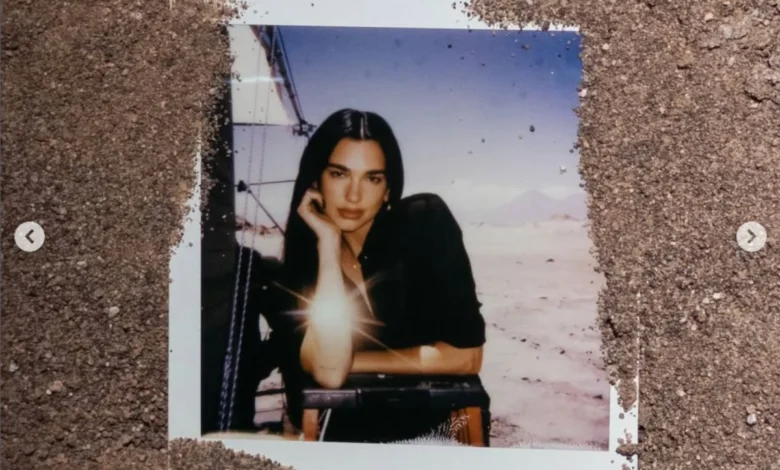
The desert sands of Indio, California, are set to host one of the most anticipated musical gatherings of the decade as the organizers of the Coachella Valley Music and Arts Festival officially announced the headlining acts for the 2027 edition. Global pop sensation Dua Lipa, psychedelic rock stalwarts Tame Impala, and R&B powerhouse SZA have been confirmed as the marquee artists for the festival. The event is scheduled to span two consecutive weekends, taking place from April 9–11 and April 16–18, 2027, at the iconic Empire Polo Club. This announcement marks a significant milestone in the cultural calendar, signaling a shift toward a blend of high-energy pop production and experimental soundscapes that defines the current musical landscape.
A Career Defining Milestone
For Dua Lipa, securing a headlining slot at Coachella serves as the pinnacle of a decade-long ascent. Since her breakthrough, the British-Albanian singer has transformed from a rising star with viral YouTube covers into a multi-Grammy-winning force of nature. Her discography, characterized by infectious disco-pop anthems such as "Don’t Start Now," "Levitating," and the cinematic "Dance the Night," has solidified her status as one of the most streamed artists globally.
Industry analysts suggest that the choice of Lipa as a headliner reflects the festival’s strategic pivot to emphasize globally recognized, high-production-value performances that resonate with an international audience. Her inclusion alongside Tame Impala—a project led by Kevin Parker known for its meticulous studio craftsmanship—and SZA—a critical and commercial darling of modern R&B—suggests that the 2027 lineup is designed to balance genre-defying innovation with mass-market appeal.
The Formative Years: From Soho Service to Stardom
While the world now recognizes Dua Lipa for her sold-out stadium tours and red-carpet appearances, her path to the Coachella stage was anything but conventional. Born in London in 1995 to Kosovar-Albanian parents, Dukagjin and Anesa Lipa, she grew up in an environment where music was a central pillar. Her father, a former vocalist for the Kosovar rock band Oda, instilled in her a deep appreciation for diverse musical traditions.
The trajectory of her youth was marked by a significant relocation. At age 11, the family returned to Kosovo, providing Lipa with a formative cultural experience. However, her ambition to pursue music eventually necessitated a return to London at age 15. Living independently in one of the world’s most expensive cities, she faced the harsh realities of the music industry’s "hustle culture."
Before the record labels and the chart-topping singles, Lipa supported herself through a variety of service-industry roles. Notably, she worked as a hostess at La Bodega Negra, a renowned Mexican restaurant in London’s Soho district. In various interviews, she has reflected on this period with professional gratitude, noting that the experience of managing a fast-paced environment and interacting with a diverse clientele helped her cultivate the social intelligence necessary for a career in the public eye.
Perhaps more unconventional was her tenure as a nightclub "bouncer." Working at a London club for approximately a year, she developed a level of personal fortitude that she later cited as crucial to her survival in the entertainment industry. "You have to learn how to deal with difficult people and how to command a room," she noted in a 2017 interview with The Standard. This early exposure to the grit of the nightlife scene served as a precursor to her eventual mastery of the stage.
Chronology of a Musical Ascent
The timeline of Dua Lipa’s rise is a testament to the power of digital persistence in the modern era. Her career can be categorized into several distinct phases:
- 2012–2014: The Digital Foundation. Lipa spent these years uploading covers to YouTube and refining her songwriting, eventually catching the attention of talent scouts.
- 2015: The Breakthrough. She released her debut single, "New Love," followed by "Be the One," which gained significant traction in European markets.
- 2017: The Self-Titled Era. The release of her debut album, Dua Lipa, propelled her into the mainstream, with "New Rules" becoming an international anthem for female empowerment.
- 2020: Future Nostalgia. This era cemented her as a pop icon. The album won the Grammy for Best Pop Vocal Album and spawned hits that defined the early pandemic era.
- 2024: Radical Optimism. With the release of her third studio album, featuring tracks like "Houdini" and "Training Season," she shifted toward a more psychedelic, organic sound, showcasing her growth as an artist.
- 2027: The Coachella Headliner. The culmination of fifteen years of industry development, leading to her performance at the Empire Polo Club.
Economic and Cultural Implications
The Coachella Valley Music and Arts Festival generates hundreds of millions of dollars in economic impact for the Coachella Valley. According to recent municipal reports, the two-weekend event regularly draws over 250,000 attendees, making it one of the most lucrative events in the live music industry. The announcement of a headliner like Dua Lipa is expected to drive record-breaking ticket sales, as her demographic reach spans from Gen Z to older listeners who appreciate her disco-infused aesthetic.
Furthermore, the integration of artists like SZA and Tame Impala alongside Lipa creates a "halo effect" for the festival’s secondary and tertiary acts. By diversifying the top of the bill, the organizers aim to maintain Coachella’s reputation as a cultural barometer. Experts in the music business note that headliners are no longer just performers; they are brands. Lipa’s ongoing collaborations—ranging from high-fashion partnerships to recent musical projects with artists like Jennie—position her as a central figure in the global cultural conversation.
Challenges and Future Outlook
Despite her success, the path for any headliner at a festival of this magnitude is fraught with technical and logistical challenges. The Coachella stage is known for its massive scale and high-tech production requirements. Lipa’s team will need to translate her studio-polished sound into a live environment that spans a massive field, often competing with desert environmental conditions.
Moreover, the music industry is currently navigating a period of intense scrutiny regarding the role of AI in music, copyright, and the sustainability of massive touring cycles. Lipa has not been immune to these pressures, having been involved in high-profile legal discussions regarding her brand partnerships and artistic output. These challenges, however, appear to have done little to dampen her momentum.
As the world looks toward April 2027, the focus remains on the artistic spectacle. For Dua Lipa, the Coachella performance represents more than just a gig; it is an affirmation of the "radical optimism" she championed in her latest work. From a teenager working the door of a Soho club to the top of the festival billing in California, her journey remains one of the most compelling narratives in contemporary pop music.
Industry observers expect the full lineup for the 2027 festival to be released in the coming months, but for now, the confirmation of the three headliners has already set the stage for what is expected to be a landmark year in live entertainment. As the industry continues to evolve, the story of Dua Lipa serves as a reminder that even in an age of algorithmic fame, there is no substitute for the long, grinding road of building an authentic connection with an audience.
Related posts: