Bandung Becomes Hotbed for Custom Motorcycle Culture as 85 Contenders Showcase Masterpieces at CustoMAXi Yamaha 2026

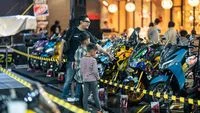
The vibrant city of Bandung in West Java recently transformed into a epicenter of automotive creativity, hosting a total of 85 meticulously crafted entries for the prestigious CustoMAXi Yamaha 2026 competition. Bringing together skilled builders, visionary designers, and passionate motorcycle enthusiasts from across the region, the event served as a definitive showcase of how Indonesia’s aftermarket modifying community continues to push the boundaries of design, engineering, and street-legal performance.
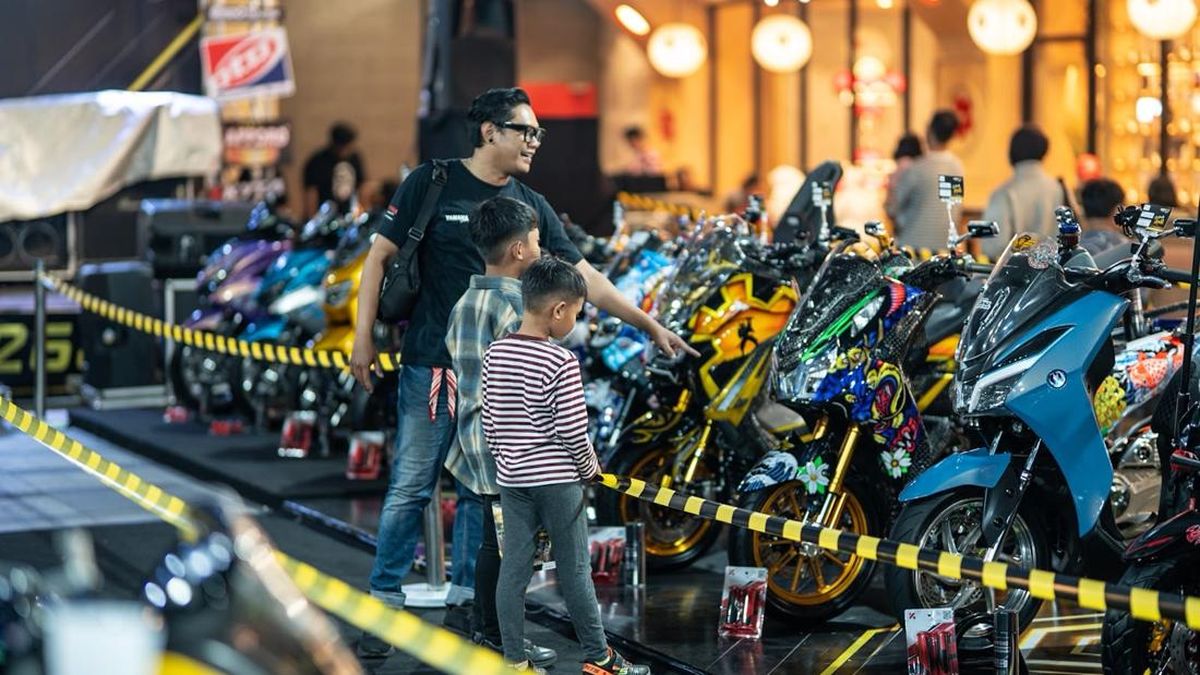
Against a backdrop of roaring engines and intricate aesthetic displays, the annual contest highlighted the enduring popularity of Yamaha’s iconic MAXi family lineup—specifically the Xmax, Aerox, Nmax, and Lexi models. Far from being standard factory units, the motorcycles presented on the exhibition floor were transformed into rolling canvases and high-performance machines. Competitors introduced a diverse spectrum of design philosophies, ranging from understated elegance and aggressive motorsport-inspired styling to extreme, avant-garde overhauls that consistently prioritized structural integrity and strict compliance with public road regulations.
As one of the most anticipated fixtures on the national custom automotive calendar, the Bandung leg of CustoMAXi 2026 demonstrated the sophisticated maturation of local fabrication talent. It also underscored the expanding commercial ecosystem surrounding the country’s aftermarket sector, drawing thousands of spectators, industry stakeholders, and regional media outlets to witness the unfolding spectacle.
An Overview of Competing Classes and Dominant Design Philosophies
The sheer diversity of the 85 entries presented a formidable challenge for the judging panel, who were tasked with evaluating machines based on craftsmanship, aesthetic harmony, technical complexity, and functional execution. Among the participants, users of the Yamaha Xmax and Aerox notably dominated the registration roster, each group leaning heavily into distinct styling subcultures that accentuated the inherent character of their respective platforms.
In the Nmax and Lexi categories, builders heavily favored advanced aesthetic techniques, with numerous entrants deploying intricate airbrush paint applications to realize complex color gradients, custom motifs, and hyper-detailed bodywork. These finishes often required dozens of hours of painstaking masking, layering, and clear-coating to achieve factory-level smoothness alongside striking visual depth.
Meanwhile, the Aerox division heavily leaned toward racing and performance-oriented motifs. Entrants in this bracket focused on shedding unnecessary weight, upgrading stopping power with multi-piston calipers and floating rotors, and installing specialized suspension components designed to mimic the agile handling characteristics of professional track machines.
Conversely, the large-displacement Xmax category attracted builders with a penchant for high-end, luxury modifications—frequently referred to within the local community as the "hedon" style. These builds were characterized by the integration of ultra-premium global aftermarket components, bespoke carbon-fiber body panels, and exotic structural materials.
Standout Engineering Feats and Championship-Winning Machines
The pinnacle of technical achievement during the event was unquestionably embodied by Rizky Bayu Pradana and his heavily modified Yamaha Xmax. Rizky’s machine captured the attention of both the judges and the public by incorporating elite engineering practices rarely seen in standard scooter modifications. His Xmax featured a fully integrated suspension system paired with custom titanium framework, significantly enhancing rigidity while shaving off valuable kilograms from the vehicle’s overall mass.
This meticulous fusion of form and function propelled Rizky to a historic sweep, earning him seven distinct accolades, culminating in the coveted first-place title within the SuperMAXi Xmax class. His victory served as a testament to the rising technical standards of Indonesian custom builders, who are increasingly capable of executing complex frame-up engineering tasks that rival professional European workshops.
Adding a cinematic flair to the exhibition floor was another specialized Xmax build inspired by the iconic nocturnal vigilante of Gotham City. Conceived through a collaborative partnership between Yonk Jaya and MWM Custom, the motorcycle featured bespoke body paneling meticulously sculpted to mimic the angular, dark aesthetic of the superhero’s armored vehicle. Every square inch of the machine, from the custom matte-black finish to the stealth-inspired lighting arrays, was crafted to evoke the character’s signature presence. Organizers confirmed that this cinematic masterpiece has been selected to represent Indonesia on the international custom motorcycle stage, where it will compete in forthcoming overseas exhibitions.
Strict Roadworthiness Standards: The Non-Negotiable Riding Test
Beyond the visual splendor of custom paint jobs and exotic hardware, CustoMAXi Yamaha 2026 maintained a rigorous compliance standard designed to separate purely decorative showpieces from truly functional machinery. A mandatory prerequisite for all participating contestants was the successful completion of a comprehensive on-site riding test.
This strict regulation reinforces the competition’s core commitment to the "street-legal" philosophy. Under these guidelines, every modified scooter presented for judging must remain entirely capable of safe, legal, and reliable operation on public thoroughfares. Participants were thus challenged not only to impress the jury panel with stationary aesthetic displays but also to prove that their heavily altered steering geometry, upgraded powerplants, and custom electrical systems performed harmoniously under real-world riding conditions.
Engineers and safety inspectors evaluated the machines for handling stability, braking responsiveness, ground clearance, and signaling compliance. By enforcing this rigorous dynamic testing phase, the organizers ensured that the event honored both artistic expression and everyday vehicular practicality, bridging the gap between high-concept garage fabrication and accessible urban mobility.
Official Perspectives on the Evolution of Indonesia’s Modification Culture
Reflecting on the overwhelming turnout and the exceptional quality of craftsmanship on display, corporate leadership emphasized the vital role that community-driven customization plays in the broader automotive landscape. Fitri Agustadhi, Chief of Yamaha DDS 2 West Java, shared official insights regarding the trajectory of the movement during the event’s proceedings.
"We see the enthusiasm and the remarkable diversity of works this year as definitive proof that the MAXi Yamaha modification culture continues to evolve at an unprecedented pace," Fitri noted in an official written statement released on Monday, September 28. He further highlighted that the platform serves as an essential incubator for local talent, providing builders with an avenue to showcase innovations that frequently influence future commercial aftermarket trends.
Industry analysts observing the event noted that manufacturers increasingly rely on grassroots enthusiast ecosystems to maintain brand loyalty and drive ancillary product sales. By fostering platforms like CustoMAXi, manufacturers actively stimulate consumer interest in original accessories and regional parts fabrication, creating a mutually beneficial economic loop that supports independent workshops, painters, fabricators, and parts distributors across the archipelago.
Complementary Attractions: Exhibitions, Aftermarket Bazaars, and Entertainment
While the custom motorcycle competition served as the undisputed centerpiece of the gathering, CustoMAXi Yamaha 2026 was structured as an immersive lifestyle festival for the wider motorcycling community. To engage the thousands of attendees who flooded the venue, the organizing committee curated a diverse array of supporting attractions and commercial zones.
A prominent feature of the supporting itinerary was the MAXi Photo Contest, which invited amateur and professional photographers to capture the dynamic lines, fine details, and atmospheric energy of the event through their lenses. This sub-competition attracted scores of visual artists eager to interpret the intersection of automotive design and human passion.
Additionally, the venue hosted an extensive aftermarket bazaar featuring dozens of prominent local and international brands. Visitors had direct access to booth displays offering specialized performance parts, suspension upgrades, premium lubricants, custom riding apparel, and aesthetic accessories. This commercial marketplace provided an invaluable networking hub where everyday riders could consult directly with master fabricators and parts manufacturers to plan their own customized builds.
To maintain a vibrant, festival-like atmosphere throughout the day, the schedule also incorporated live musical performances from popular regional acts and local indie bands. The combination of high-octane engineering, commercial enterprise, and entertainment ensured that the event resonated deeply with both hardcore automotive enthusiasts and casual families alike.
Broader Industry Implications and Economic Impact
The successful execution of CustoMAXi Yamaha 2026 in Bandung carries significant economic and cultural implications for Indonesia’s fast-growing creative economy. The motorcycle modification sector has long served as a vital employment engine for small and medium-sized enterprises (SMEs), ranging from independent welding shops and carbon-fiber artisans to specialized tuning garages and custom paint specialists.
By spotlighting world-class craftsmanship on a regional and international stage, events of this caliber elevate the global standing of Indonesian custom builders. The transition of domestic masterpieces—such as the bat-inspired Xmax heading to international exhibition circuits—proves that local fabrication standards are fully capable of competing with established European, Japanese, and American custom houses.
Furthermore, the emphasis on street-legal compliance during the competition sends a constructive regulatory message to the broader riding community. It promotes responsible modification practices that prioritize safety alongside aesthetic and mechanical enhancement, helping to foster a more mature automotive culture that can harmoniously coexist with regulatory standards on public roadways. As the CustoMAXi tour progresses through subsequent regional phases, it leaves behind an energized community of builders, a stimulated local aftermarket economy, and an elevated benchmark for scooter customization across Southeast Asia.
Related posts: