Beyond the Pitch: The Intersecting Paths of Professional Athletics and Global Entertainment

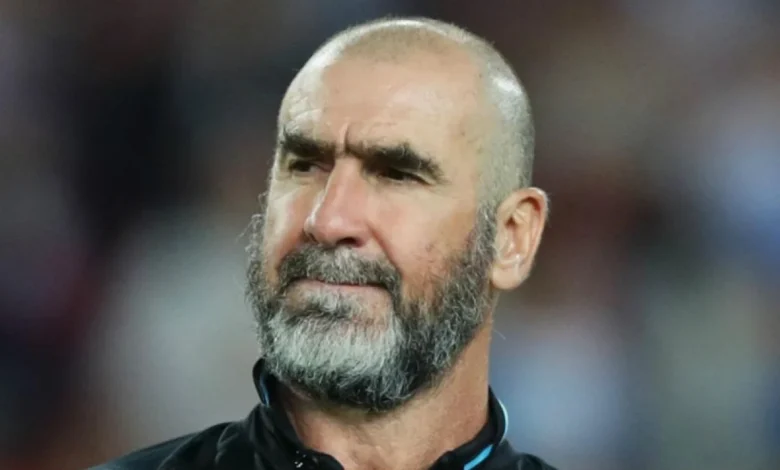
The convergence of professional football and the global entertainment industry reveals a fascinating narrative trajectory, where the discipline of the pitch often serves as a precursor to the performance of the stage. While the modern public primarily associates figures like Vinnie Jones, Eric Cantona, and Julio Iglesias with their iconic contributions to cinema and music, their formative years were defined by the rigors of elite sporting competition. This phenomenon highlights a distinct psychological and physical crossover: the high-stakes pressure, the demands of public scrutiny, and the requirement for disciplined performance that define both the locker room and the film set.
From the Turf to the Silver Screen: A Historical Analysis
The transition from professional athlete to entertainer is not merely a career shift but an evolution of skill sets. Football requires tactical awareness, physical endurance, and the ability to maintain composure under the gaze of thousands. Similarly, the arts demand emotional intelligence, timing, and consistency. For many, the transition occurs when a career-defining injury or the expiration of a contract forces a pivot.
The chronology of these transitions often begins in the early years of athletic development. Academy systems in Europe—particularly in England, France, and Spain—act as talent incubators. When these athletes exit the professional sporting cycle, they possess a level of grit and institutionalized experience that frequently translates into successful second careers in the entertainment sector.
Vinnie Jones: The Archetype of the Hardman
Vinnie Jones stands as perhaps the most prominent example of an athlete whose sporting reputation seamlessly bled into his cinematic persona. Before his induction into the Hollywood pantheon of tough-guy actors, Jones was a foundational figure in the "Crazy Gang" era of Wimbledon FC.
His professional tenure between 1984 and 1999 saw him represent clubs including Wimbledon, Leeds United, Sheffield United, Chelsea, and Queens Park Rangers. As a defensive midfielder, Jones was renowned for his uncompromising physicality, a trait that arguably made his 1998 film debut in Guy Ritchie’s Lock, Stock and Two Smoking Barrels a natural extension of his public identity. His role in helping Wimbledon secure the 1988 FA Cup remains one of the most significant underdog victories in English football history.
Industry analysts note that Jones successfully capitalized on his "bad boy" reputation to create a unique niche in the film market. By the time he appeared in X-Men: The Last Stand (2006) as the Juggernaut, his transition was complete. His case study suggests that in the entertainment industry, authenticity—even a curated one—is a primary driver of commercial success.
Eric Cantona: The Philosopher of the Manchester United Era
While Vinnie Jones transitioned to film as an extension of his physical presence, Eric Cantona approached the entertainment world with the same enigmatic intensity he brought to Old Trafford. Cantona, whose career at Manchester United (1992–1997) defined the Premier League’s early growth, remains a cultural icon.
Winning four league titles in five seasons, Cantona’s contribution to the sport was more than statistical; he brought an artistic flair that was mirrored in his post-football artistic endeavors. Since his retirement, Cantona has featured in over 25 films, including the critically acclaimed Looking for Eric (2009). The film, which features a protagonist who views Cantona as a spiritual mentor, blurs the lines between his reality as a former athlete and his identity as a public intellectual and actor.
The Professional Path: Frank Leboeuf and the Pursuit of Craft
Frank Leboeuf provides a distinct perspective on this transition. Unlike athletes who drifted into entertainment through fame, Leboeuf treated his post-football life as a vocational challenge. A central defender for Chelsea and a member of the 1998 World Cup-winning French squad, Leboeuf’s commitment to acting was deliberate.
After retiring from the pitch, he relocated to Los Angeles to study at the Lee Strasberg Theatre & Film Institute. This academic rigor distinguishes him from many of his peers. His appearance in the 2014 biographical drama The Theory of Everything demonstrated a transition that was rooted in craft rather than celebrity. This approach underscores a broader trend: high-level athletes are increasingly viewing entertainment not as a hobby, but as a discipline that requires professional training.
The Music Connection: Nicky Byrne and Julio Iglesias
The crossover is not limited to cinema. The musical sphere has also been influenced by the structured upbringing of professional football academies. Nicky Byrne, best known as a member of the multi-platinum group Westlife, provides a clear example of how early athletic failure can serve as a catalyst for creative success.
Byrne’s tenure as a goalkeeper for Leeds United between 1995 and 1997, where he was part of the 1997 FA Youth Cup-winning squad, provided him with the work ethic necessary for the demanding schedule of a pop star. When his football contract ended, the transition to music was, according to industry insiders, a shift in performance venues rather than a shift in ambition.
Similarly, the case of Julio Iglesias offers a historical precedent. His trajectory from a goalkeeper in Real Madrid’s youth system to one of the most successful Latin artists in history was prompted by a tragic 1962 automobile accident. The subsequent paralysis forced a change in focus, leading him to discover the guitar during his rehabilitation. Iglesias’s story is a stark reminder of the volatility of professional sports, where career longevity is rarely guaranteed, often leading athletes toward resilient second lives in the arts.
Broader Implications and Socio-Economic Context
The intersection of football and entertainment has significant implications for modern talent management. Many professional clubs now mandate career-transition programs for their academy players, recognizing that only a small percentage will achieve long-term professional status.
Data from the Professional Footballers’ Association (PFA) indicates that a high percentage of former players eventually find roles in media, broadcasting, or commercial entertainment. This trend has created a circular ecosystem:
- Sports to Media: Former players provide analysis, commentary, and expert insight.
- Media to Arts: The exposure gained through media roles often leads to commercial endorsements and acting opportunities.
- Arts to Branding: The cultural capital accumulated through these endeavors reinforces the global brand of the sport itself.
Furthermore, the economic impact is non-negligible. Figures like Cantona and Jones bring a massive existing fanbase into the film industry, effectively lowering the risk for production companies. By leveraging their established personal brands, these individuals can command significant audiences, illustrating that the modern "celebrity" is increasingly multi-hyphenate.
Conclusion
The stories of Jones, Cantona, Leboeuf, Byrne, and Iglesias represent more than just a list of career changes; they reflect the shared DNA between high-performance athletics and the performing arts. Whether the shift was necessitated by physical injury, retirement, or the natural conclusion of a contract, these individuals successfully channeled their competitive discipline into new arenas.
As the lines between professional sports and global entertainment continue to blur, the trajectory of these figures serves as a template for future generations. The resilience, focus, and performance-based mindset required to thrive in the world’s most competitive football leagues appear to be the same qualities that allow these individuals to command the stage and screen with equal authority. Ultimately, the transition from the pitch to the spotlight is not a detour, but a testament to the versatility of human performance.
Related posts: