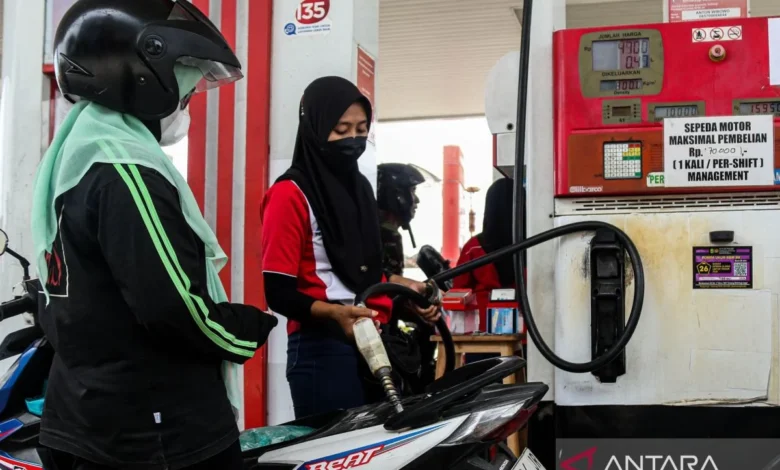
Selecting the appropriate fuel for a vehicle is a fundamental aspect of automotive maintenance that extends far beyond simple budgeting. In the Indonesian market, Pertamina’s Pertamax—a gasoline product with a Research Octane Number (RON) of 92—represents a significant tier in the fuel hierarchy, positioned above the entry-level Pertalite, which maintains a RON of 90. As vehicle technology evolves toward higher compression ratios and more sophisticated engine management systems, the correlation between fuel octane ratings and mechanical health has become a critical point of interest for both manufacturers and motorists.
The Science of Octane and Combustion Dynamics
At the core of the debate regarding fuel selection is the concept of the Research Octane Number. Contrary to a common misconception, the octane rating does not indicate the energy content or the "power" of the fuel. Instead, it measures the fuel’s resistance to "knocking" or pre-ignition.
Knocking occurs when the air-fuel mixture in the cylinder ignites prematurely due to the high heat and pressure generated during the compression stroke, rather than by the timed spark from the spark plug. This creates a secondary flame front that collides with the primary one, producing a characteristic audible pinging or knocking sound. Over time, this phenomenon can lead to severe mechanical distress, including pitted pistons, damaged spark plugs, and weakened connecting rods.
Modern internal combustion engines, particularly those featuring turbochargers or high compression ratios, are specifically calibrated by engineers to operate at a certain octane threshold. When a vehicle designed for RON 92 is forced to run on lower-octane fuel, the Engine Control Unit (ECU) often intervenes by retarding the ignition timing to prevent knocking. While this saves the engine from immediate damage, it invariably results in a drop in torque and overall power output.
Historical Context and the Evolution of Indonesian Fuel Standards
The shift toward higher octane fuels in Indonesia is not merely a marketing endeavor but a necessity driven by the global trend in automotive engineering. Over the past decade, manufacturers have transitioned from older, low-compression engine designs to more efficient, high-compression units that require cleaner, more stable fuel to meet increasingly stringent emission standards.
Historically, the Indonesian fuel landscape was dominated by low-octane products. However, as the vehicle fleet in the archipelago expanded, the government and Pertamina began to prioritize the distribution of higher-RON fuels to support modern vehicle technology. The introduction and subsequent prioritization of Pertamax (RON 92) and higher-tier products like Pertamax Turbo (RON 98) reflect a strategic pivot toward improving air quality and protecting the longevity of modern engine components.
Analyzing the Performance and Efficiency Claims
There is a widespread belief among consumers that upgrading to a higher octane fuel will inherently improve fuel economy and increase horsepower. However, technical analysis suggests that this is only true if the vehicle’s engine was designed to utilize that higher octane.
For a vehicle engine optimized for RON 90, the combustion chamber is calibrated for a specific flame propagation rate associated with that fuel. Using RON 92 in such a vehicle will not necessarily lead to improved efficiency or power. In fact, if the engine’s compression ratio is too low to take advantage of the slower-burning characteristics of higher octane fuel, the benefits remain negligible.
Conversely, for vehicles with a compression ratio of 10:1 or higher, the engine timing is often advanced to extract maximum energy from the fuel. In these instances, using RON 92 is not just a recommendation but a necessity to prevent the aforementioned knocking and to ensure that the engine operates within its intended thermal efficiency map.
The Role of Fuel Additives in Engine Maintenance
Beyond octane ratings, Pertamax and similar premium fuels are formulated with specialized detergent additives. These chemical packages are designed to perform several critical functions:
- Detergency: They prevent the accumulation of carbon deposits on intake valves, fuel injectors, and combustion chamber surfaces.
- Corrosion Inhibition: They create a microscopic protective film on fuel system components, shielding them from oxidative stress caused by moisture and ethanol blends.
- Lubricity: They assist in reducing friction in high-pressure fuel pumps, which is particularly important in modern Gasoline Direct Injection (GDI) systems.
The accumulation of deposits—often referred to as "gunk" or "varnish"—is a silent killer of engine performance. When fuel injectors become clogged, the spray pattern is disrupted, leading to incomplete combustion, increased emissions, and rough idling. By using fuels with integrated additive packages, motorists can potentially extend the interval between deep-cleaning maintenance cycles.
Economic Implications for the Average Motorist
From an economic standpoint, the decision to use Pertamax involves a cost-benefit analysis. While the price per liter is higher than that of subsidized fuels like Pertalite, the total cost of ownership (TCO) must be calculated over the life of the vehicle.
If a vehicle requires RON 92 and is operated on RON 90, the potential costs include:
- Decreased Fuel Economy: As the ECU retards timing, the engine becomes less efficient, requiring more fuel to cover the same distance.
- Premature Component Failure: The long-term impact of chronic low-level knocking can lead to expensive engine rebuilds.
- Increased Maintenance Frequency: The need for professional carbon cleaning and fuel system flushing becomes more frequent due to the lack of specialized additives in lower-grade fuels.
When these factors are aggregated, the "premium" price of RON 92 may actually result in a neutral or even lower TCO compared to the long-term expenses associated with engine neglect.
Expert Perspectives and Official Guidance
Automotive experts consistently emphasize that the user manual provided by the vehicle manufacturer is the final authority on fuel selection. The "Recommended RON" is determined through thousands of hours of dynamometer testing and field trials. Ignoring these specifications is generally ill-advised.
Pertamina, as the primary fuel provider in Indonesia, continues to advocate for the transition to higher octane fuels to support the national effort toward reducing exhaust emissions. Lower-octane fuels, when used in engines not designed for them, tend to produce higher levels of nitrogen oxides (NOx) and unburned hydrocarbons due to inefficient combustion cycles.
Furthermore, academic research from institutions such as the Bandung Institute of Technology (ITB) has highlighted the importance of precise fuel monitoring. Tools like the Oktis-2, used for measuring octane levels, underscore the scientific rigor required to ensure that the fuel being sold meets the quality standards required for modern engines.
Broader Impact: Sustainability and Future Trends
The transition to cleaner, higher-octane fuels is inextricably linked to the broader goal of sustainable transportation. As Indonesia looks to reduce its reliance on fossil fuels and modernize its automotive sector, the standardization of fuel quality acts as a bridge to cleaner engine technologies, including hybrid powertrains. Hybrid vehicles, which often rely on high-compression Atkinson-cycle engines, are particularly sensitive to fuel quality and require stable, high-octane gasoline to operate at peak thermal efficiency.
The implications for the environment are clear: better combustion leads to cleaner exhaust. As vehicle populations continue to surge in dense urban centers like Jakarta, the aggregate impact of using fuel that matches engine specifications cannot be overstated. It is a collective effort involving government regulation, industry standard-setting, and consumer education.
Conclusion: Making the Informed Choice
Ultimately, the choice of fuel should be governed by technical specifications rather than anecdotal evidence or misconceptions about performance gains. For the majority of modern vehicle owners, the recommendation is straightforward: follow the manufacturer’s guidance regarding the minimum RON requirement.
If the manual specifies RON 92, using Pertamax is a prudent investment in the mechanical longevity and operational efficiency of the vehicle. If the vehicle is designed for RON 90, the focus should shift toward maintaining a regular service schedule and ensuring that the vehicle’s hardware—such as spark plugs, air filters, and sensors—is in optimal condition.
The intersection of fuel technology and mechanical engineering is dynamic. As drivers, staying informed about the interplay between octane, combustion, and engine maintenance is the most effective way to protect one’s investment and contribute to a more efficient and sustainable automotive future. By aligning driving habits and maintenance routines with the engineering realities of their vehicles, motorists can ensure that their engines perform at their best, regardless of the road conditions or the distance ahead.