Southeast Asia Ascends in Global Aviation Rankings as Nine Regional Carriers Secure Spots in the Skytrax World Top 100 for 2026

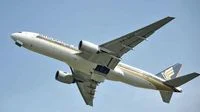
The aviation landscape in Southeast Asia has reached a significant milestone, cementing its status as a powerhouse in the global transport sector. According to the latest data from the prestigious Skytrax World Airline Awards 2026, nine airlines from the region have successfully secured positions within the top 100 list, reflecting a period of intense recovery, strategic fleet modernization, and a renewed focus on passenger experience. This achievement highlights a shift in the center of gravity for international aviation, with Southeast Asian carriers increasingly outperforming legacy competitors in both service quality and operational efficiency.
The highlight of the 2026 rankings is the triumphant return of Singapore Airlines to the pinnacle of the industry. Having claimed the title of World’s Best Airline, the carrier has once again set the global benchmark for luxury and service excellence. This victory marks the sixth time Singapore Airlines has secured the top spot since the awards’ inception, underscoring its relentless commitment to cabin innovation and ground services.
A Period of Transformation and Strategic Growth
The Skytrax rankings, often regarded as the "Oscars of the Aviation Industry," are the result of a rigorous, year-long survey process. Between September 2025 and August 2026, more than 24 million travelers representing over 100 nationalities provided feedback on 325 airlines worldwide. The criteria for evaluation are comprehensive, covering everything from seat comfort and inflight entertainment to the efficiency of check-in processes and the professionalism of cabin crew.
For many Southeast Asian carriers, the 2026 results represent the fruition of multi-year recovery plans initiated in the post-pandemic era. The aviation industry faced unprecedented headwinds during 2020-2022, leading to a period of consolidation. The current rankings suggest that airlines in the region have successfully pivoted from survival mode to growth and expansion.
Thai Airways, for instance, has staged a remarkable comeback, jumping nine positions to land at number 20. This upward trajectory is supported by the airline’s aggressive expansion of its winter schedule for 2026/2027, which includes 66 distinct routes. By focusing on critical holiday hubs, Thai Airways is positioning itself to capture the surge in tourism demand that typically characterizes the end-of-year period. Similarly, Malaysia Airlines has demonstrated the effectiveness of its long-term investment strategy. Rising six places to secure the 21st spot, the carrier has successfully rebranded itself through significant capital expenditure on its fleet, enhanced catering, and a digital overhaul of its customer loyalty programs.
The Low-Cost Carrier Dominance
One of the most notable features of the Southeast Asian aviation market is the enduring dominance of budget airlines. AirAsia, the Malaysia-based titan of the low-cost sector, has maintained its grip on the title of World’s Best Low-Cost Airline for an astonishing 17th consecutive year. Ranked 26th overall, AirAsia’s performance demonstrates that the low-cost model is not merely a survival strategy but a sustainable business approach that, when executed with operational precision, rivals full-service carriers in popularity and passenger trust.
The region’s low-cost ecosystem is further strengthened by Scoot, a subsidiary of the Singapore Airlines Group. Holding the 28th position, Scoot has managed to balance the parent company’s reputation for quality with the lean, cost-efficient model required for the short-to-medium haul market. Meanwhile, Bangkok Airways, often referred to as a "boutique" airline, continues to provide a hybrid service model that prioritizes passenger comfort in smaller, high-demand regional airports, securing the 29th spot.
Regional Developments and Emerging Players
While established carriers continue to dominate, the 2026 rankings also shine a light on the evolution of national flag carriers and emerging players in the region. Vietnam Airlines, which rose to the 55th position, serves as a prime example of the rapid industrialization of Vietnam’s aviation sector. The airline’s growth is inextricably linked to the country’s emergence as a global manufacturing and tourism hub.
Further down the list, Royal Brunei Airlines has climbed eight positions to 93rd place, signaling a successful revitalization effort. Perhaps the most interesting addition to the list is the entry of Sun PhuQuoc Airways at 99th place. As a newcomer, the airline has strategically utilized the tourism potential of Phu Quoc Island, linking it directly to key Asian metropolitan hubs like Seoul, Singapore, and Kuala Lumpur. This indicates a sophisticated approach to route development that prioritizes high-yield tourism corridors.
The Absence of Indonesian Carriers
Despite the overall success of the Southeast Asian aviation sector, the 2026 Skytrax report carries a somber note for the Indonesian aviation industry. For the second consecutive year, no Indonesian carrier has managed to break into the top 100 list. Industry analysts suggest that this absence may be attributed to a combination of legacy infrastructure challenges, a focus on domestic-heavy route networks that often prioritize volume over premium service metrics, and the lingering effects of fleet constraints that have hindered international expansion for major local players.
The absence from the top 100 list is viewed by aviation experts as a "call to action" for Indonesia’s civil aviation authority and its major airlines. To regain a foothold in global rankings, Indonesian carriers will likely need to accelerate their digital transformation, improve ground handling services at hub airports like Soekarno-Hatta, and invest more heavily in cabin product consistency to meet the high expectations of international travelers participating in the Skytrax surveys.
Global Context: The Competitive Landscape
While Southeast Asian airlines have made significant strides, the competition remains fierce. Qatar Airways, the reigning champion from 2025, slipped to the second position in 2026, narrowly conceding the top spot to Singapore Airlines. Cathay Pacific Airways maintained a strong third-place showing, while All Nippon Airways (ANA) and Turkish Airlines rounded out the top five.
The dominance of these carriers suggests that the global airline industry has returned to a state of hyper-competition. Carriers are currently engaged in a "service arms race," with airlines investing billions in new, fuel-efficient aircraft like the Airbus A350 and Boeing 787 Dreamliner, which offer superior cabin environments, lower noise levels, and better air quality—all of which are key factors in customer satisfaction surveys.
Future Implications for Southeast Asian Aviation
The implications of these rankings are multifaceted. For regional tourism, the presence of nine top-tier airlines serves as a powerful marketing tool, instilling confidence in international travelers who prioritize reliability and service quality. It also suggests that the regional aviation infrastructure is maturing; as these airlines grow, they require more sophisticated airport facilities and air traffic management systems, which in turn benefits the regional economy.
However, the industry faces significant challenges in the coming years. Sustainable Aviation Fuel (SAF) mandates, rising labor costs, and the increasing demand for seamless digital connectivity are the new frontiers of competition. The airlines that ranked highly in 2026 are those that have already begun integrating these elements into their long-term corporate strategies.
The success of these nine Southeast Asian airlines is a testament to the region’s resilience and its ability to adapt to a changing global landscape. By focusing on the fundamentals of the passenger experience while simultaneously expanding their operational reach, these carriers have successfully navigated the complexities of the post-2025 aviation market. As the industry looks toward 2027 and beyond, the challenge will be to maintain this momentum, continue the push for environmental sustainability, and ensure that the regional aviation sector remains a competitive force on the world stage. Whether through the luxury of a flag carrier or the efficiency of a low-cost provider, the 2026 Skytrax rankings confirm that Southeast Asia is now firmly established as a cornerstone of international civil aviation.