TMII Announces Special Free Admission Hours for Morning Walkers and Weekend Visitors Ahead of September 2026

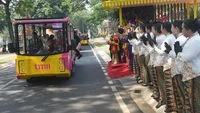
Jakarta, CNN Indonesia — Taman Mini Indonesia Indah (TMII), one of Indonesia’s premier cultural and recreational landmarks located in East Jakarta, has officially announced a limited free admission policy tailored to accommodate early morning exercise enthusiasts and evening leisure seekers. The management initiative, slated to roll out toward the end of September 2026, aims to encourage public health, community engagement, and accessible recreation without imposing financial barriers on local visitors.
Under the newly structured program, the management of TMII has divided the complimentary entry schedules into two distinct windows: a weekday morning slot and a weekend evening slot. While the initiative provides a welcoming opportunity for citizens to experience the expansive grounds free of charge, visitors are required to adhere to specific operational guidelines, entry gates, and visitor codes of conduct to ensure a smooth experience for all patrons.
Detailed Schedule and Access Mechanisms
The free admission policy is strategically designed to cater to different segments of the public based on their weekly routines. For individuals seeking a refreshing start to their workday or a serene environment for physical fitness, the weekday program operates from Monday through Friday. During these days, visitors can enter the TMII complex completely free of charge between 05:00 AM and 08:00 WIB (Western Indonesian Time).
To streamline foot traffic during these early hours, access is restricted exclusively to Gate 3. This window is primarily intended for citizens who wish to engage in morning walks, jogging, cycling, or simply enjoy the tranquil, green ambiance of the cultural park before the heat of the day sets in.
In contrast, the weekend program caters to families, groups, and individuals looking to unwind as the sun sets. On Saturdays and Sundays, free entry is granted between 04:00 PM and 07:00 WIB (16:00 to 19:00). This evening schedule offers visitors a chance to witness the transition of the park from day to night, viewing the illuminated traditional pavilions and architectural monuments under cooler evening temperatures.
Terms, Conditions, and Exclusions
While the initiative opens up the park to a broader demographic, management has established explicit parameters to regulate the influx of visitors and maintain park safety. First and foremost, the free admission program applies exclusively to Indonesian citizens (WNI). Visitors may be required to present valid identification upon entry to verify their citizenship status.
Furthermore, the mechanics of the promotion vary depending on the time slot chosen. For the weekday morning sessions, tickets must be acquired on-site rather than through online pre-booking platforms. Management has also clarified that the complimentary pass covers pedestrian entry only; it does not extend to vehicular access fees for cars, motorcycles, or other forms of private transport. Additionally, the morning free-entry window does not apply to organized tour groups, ensuring that the space remains manageable and primarily serves individual community members engaging in personal wellness routines.
Pet Policies and Community Guidelines
With the expansion of accessible hours, TMII management has also updated its protocols regarding visitors accompanied by pets. As pet ownership continues to rise in urban centers like Jakarta, balancing animal welfare with public comfort has become a priority for large-scale recreational facilities.
Pet owners wishing to bring their animals into the park during these designated times must ensure their pets meet strict health and behavioral standards. Animals must be in optimal health, fully vaccinated, docile, and easily controllable by their handlers. Mandatory safety measures dictate that dogs, cats, and other permitted pets must remain on a leash or harness at all times, with owners maintaining strict supervision.
To preserve the ecological balance and cleanliness of the park, specific restrictions have been put in place. Pets are strictly prohibited from entering water bodies, decorative lakes, fountains, and shared public utility areas where food, beverage, or direct human contact is predominant. Furthermore, owners are legally and socially required to clean up after their animals. Bringing waste disposal bags is compulsory, and handlers must ensure that their pets do not disrupt, frighten, or endanger other visitors or the local wildlife residing within the TMII ecosystem. Molesting, disturbing, or harming wild animals in the park is heavily penalized under park regulations.
Background and Strategic Context of TMII’s Evolution
The introduction of these targeted free-access hours reflects a broader strategic shift in how large public parks are managed in post-pandemic Indonesia. Over recent years, TMII underwent a massive revitalization project spearheaded by the government and private sector operators to transform the aging 1970s theme park into a modernized, world-class cultural destination.
Originally conceived by former First Lady Tien Suharto and opened in 1975, TMII serves as a vast synopsis of Indonesian culture, featuring pavilions representing every province of the archipelago, alongside museums, artificial lakes, and cable cars. However, decades of wear and tear necessitated a comprehensive overhaul, which was largely completed ahead of major international summits hosted in Jakarta.
Following its modernization, management has continually experimented with dynamic pricing models, community outreach programs, and accessibility initiatives. By offering selective free windows, TMII aligns itself with global trends observed in major metropolitan parks—such as Central Park in New York or Hyde Park in London—which serve as vital communal lungs for urban residents. These initiatives help integrate the massive tourist attraction into the daily lives of local Jakarta residents, shifting its identity from a mere occasional holiday destination to an accessible daily sanctuary for health and leisure.
Economic and Social Implications
From a socio-economic perspective, the implementation of staggered free admission hours carries several notable implications for both the local community and park administration. Urban planners and public health advocates have long emphasized the scarcity of secure, green, and expansive public spaces in Jakarta. By opening its gates during early morning and late afternoon hours, TMII provides a safe, vehicle-regulated environment for fitness enthusiasts who might otherwise struggle to find suitable running or walking tracks in densely populated neighborhoods.
Economically, while the policy sacrifices short-term ticketing revenue during off-peak morning and evening hours, it stimulates secondary spending. Visitors who enter for free during these windows frequently patronize surrounding culinary vendors, cafes, and internal transit services once they are inside the park. Moreover, fostering a habit of regular visitation builds long-term brand loyalty, encouraging citizens to return for paid events, museum exhibitions, and weekend family outings.
Logistical Adjustments and Future Outlook
As TMII prepares for the full rollout of this program toward the end of September 2026, park authorities are ramping up security and sanitation staffing, particularly around Gate 3 and high-traffic pedestrian zones. Crowd management protocols will be closely monitored during the initial weeks to assess whether adjustments to the time slots or entry gates are necessary.
Public reception across digital platforms, including the park’s official social media channels, has been overwhelmingly positive. Community groups, running clubs, and families have expressed enthusiasm for the initiative, noting that it lowers the cost of living pressures while promoting active lifestyles.
Ultimately, TMII’s new policy underscores a growing recognition that cultural landmarks must serve a dual purpose: preserving national heritage while actively contributing to the physical and social well-being of the surrounding populace. As the program goes live, its success will likely serve as a benchmark for other public-private recreational ventures across Indonesia seeking to balance commercial viability with public accessibility.
Related posts: