Chronology of the Discovery
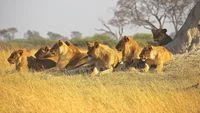
The incident was brought to light late last week when rangers patrolling the remote Ndutu sector of the reserve encountered the deceased animals. While initial reports were brief, the scale of the loss—ten individual lions in a single event—is considered a significant blow to the regional population. Following the discovery, the NCAA launched an immediate investigation, cordoning off the site to gather environmental samples and conduct necropsies on the remains.
By September 20, the authority issued a statement confirming that while investigations are ongoing, the evidence points toward the ingestion of poison. The authorities have pledged a rigorous inquiry to identify those responsible for the deaths. This incident occurs against a backdrop of increasing human-wildlife encroachment in the region, a factor that experts suggest is often the primary driver behind such lethal conflicts.
The Ngorongoro Ecosystem and Biodiversity Significance
The Ngorongoro Conservation Area is not merely a tourist destination; it is a UNESCO World Heritage site and a critical sanctuary for biodiversity. The caldera and its surrounding plains serve as a massive ecological vessel for the "Big Five": lions, leopards, rhinos, elephants, and buffalo. The region is particularly prized for its population of black rhinoceros, which remain critically endangered.
The loss of ten lions is particularly acute because lions are apex predators that maintain the health of the entire ecosystem by regulating prey populations. When a pride is decimated, it creates an ecological vacuum that can lead to overgrazing by herbivores and a subsequent decline in the health of the grasslands. Furthermore, the Ndutu area is a migratory corridor, meaning these lions were likely part of a broader population that moves between the Serengeti and Ngorongoro ecosystems, making their loss felt across a vast geographical territory.
The Anatomy of Human-Wildlife Conflict
The tragedy in Ngorongoro highlights a persistent, recurring crisis in East Africa: the retaliatory killing of predators. In many parts of Tanzania and neighboring Kenya, pastoralist communities live in close proximity to wildlife. As human populations expand and grazing lands for livestock dwindle, cattle frequently encroach upon protected areas. When lions prey on livestock, which represent the primary wealth and sustenance for these communities, the response is often swift and brutal.
Poisoning is a preferred method for some aggrieved farmers because it is discreet, requires minimal interaction with the predator, and can kill multiple animals simultaneously. Commonly used substances include agricultural pesticides like carbofuran, which are easily accessible in local markets. This method is notoriously indiscriminate, often resulting in the secondary poisoning of vultures, hyenas, and jackals that feed on the lion carcasses, leading to a cascade of death that can cripple the local food web for weeks.
Comparative Data and Regional Trends
The Ngorongoro incident does not exist in a vacuum. Throughout East Africa, lion populations have been in a state of precarious decline. According to the International Union for Conservation of Nature (IUCN), the African lion population has plummeted by approximately 40% over the last three decades. The primary threats include habitat loss, depletion of natural prey, and retaliatory killings.
This latest discovery follows closely on the heels of a major wildlife crime investigation in neighboring Kenya. Just last month, authorities across the border arrested four individuals in connection with the mass death of 18 elephants. While the motive in the Kenya case involved poaching for ivory, the underlying theme is the same: the inability of current enforcement and community engagement strategies to adequately protect wildlife from human-driven mortality.
Official Responses and Strategic Implications
The Tanzania government, through the Ministry of Natural Resources and Tourism, is under pressure to enhance anti-poaching and anti-poisoning patrols. Environmental NGOs have called for a multi-pronged approach, suggesting that enforcement alone will not solve the issue.
"We are dealing with a complex socio-economic reality," noted an independent wildlife policy analyst. "Until we provide sustainable economic alternatives for pastoralists and implement effective livestock compensation schemes, the temptation to use poison will remain a dangerous shortcut for those protecting their herds."
The NCAA has signaled that it is reviewing its community engagement protocols. This includes potential initiatives to improve predator-proof enclosures (bomas) for livestock and increasing the presence of community rangers who can act as mediators between wildlife authorities and local herders. However, the logistical challenge of policing thousands of square kilometers of protected wilderness remains an immense hurdle.
Economic and Long-term Impact
Beyond the ecological damage, the incident poses a significant threat to Tanzania’s tourism-dependent economy. Wildlife safaris are a cornerstone of the nation’s GDP, and the Ngorongoro Conservation Area is the crown jewel of the northern circuit. International tourists travel from across the globe specifically to witness the region’s lion prides in their natural habitat. A reputation for failing to protect these flagship species could lead to a decline in tourism revenue, which would, ironically, reduce the funding available for the very conservation efforts needed to protect the animals.
Furthermore, the legal implications for those found responsible will be severe. Tanzania has enacted stringent wildlife protection laws in recent years, including mandatory minimum sentences for the killing of endangered species. The authorities have promised that those identified in the current investigation will face the full weight of the law, a move aimed at deterring others who might consider similar acts.
The Path Forward: Conservation Challenges
As the investigation proceeds, conservationists are calling for a shift in strategy. The focus is moving toward "coexistence modeling," which emphasizes the importance of community participation. If local communities are viewed as stakeholders in the conservation of lions—through community-led tourism ventures or direct benefits from the conservation area—the motivation to destroy these predators diminishes.
The tragedy of the ten lions in Ngorongoro serves as a stark reminder that the survival of Africa’s iconic megafauna is inextricably linked to the prosperity and security of the human populations living alongside them. Without a comprehensive approach that addresses the economic insecurities of the local pastoralist communities, the cycle of retaliatory killing is likely to continue.
As the scientific community awaits the final report on the cause of death, the international conservation community is watching Tanzania closely. The incident has effectively reignited the debate over how to balance the rights of local people to protect their livelihoods with the global mandate to preserve the world’s remaining wildlife. For now, the empty territory in the Ndutu region remains a somber symbol of the ongoing struggle for survival in one of the world’s most beautiful and fragile ecosystems. The loss of these ten lions is a tragedy, but if it catalyzes a more effective, community-centered approach to conservation, it may yet prevent further losses in the future.