Recognizing the Signs of Decline: A Comprehensive Guide to Understanding End-of-Life Indicators in Felines

Jakarta — Witnessing a beloved feline companion age or suffer from a severe terminal illness remains one of the most emotionally challenging experiences for pet owners. Frequently, caregivers only recognize an underlying medical emergency when the animal’s physical condition has already deteriorated severely. Understanding the critical behavioral and physiological indicators of end-of-life decline is essential, allowing owners to prepare emotionally and make informed, compassionate decisions regarding palliative care and veterinary intervention.
Veterinary medicine emphasizes that recognizing these transitional phases ensures pets receive appropriate medical comfort during their final moments. While every cat’s journey is unique, medical professionals have identified distinct behavioral and physiological markers that indicate a feline is nearing the end of its life.
Understanding the Feline End-of-Life Timeline and Progression
The progression toward the end of life in felines rarely occurs overnight. Typically, it follows a gradual timeline spanning weeks or months, often accelerated by chronic conditions such as chronic kidney disease, feline immunodeficiency virus, hyperthyroidism, or advanced neoplasia.
During the initial phase of decline, subtle changes emerge. Cats may reduce their grooming frequency or show a slight decrease in appetite. As the condition progresses into the intermediate phase, weight loss becomes more pronounced, and behavioral withdrawal intensifies. In the final phase—often lasting from a few days to a couple of weeks—extreme lethargy, complete loss of appetite, changes in vital signs, and pronounced hiding behaviors manifest. Veterinarians note that identifying these chronological shifts helps owners transition from curative treatments to comfort-focused palliative care.
Extreme Lethargy and Loss of Mobility
Healthy adult domestic cats naturally spend a significant portion of the day sleeping, often ranging between 12 to 16 hours daily, with older felines sleeping up to 20 hours. However, in their final days, cats exhibit an extreme, debilitating kelesuan (lethargy) that far surpasses normal resting behavior.
According to observations compiled by veterinary resources such as Cats.com, dying felines demonstrate severe physical weakness. They may struggle to change positions, lack the muscular strength to stand upright, or fail to respond to environmental stimuli in their customary manner. Neurological decline can also lead to a loss of motor coordination, manifest as dragging the hind legs or an unsteady gait. When mobility is severely compromised, immediate veterinary consultation is warranted to assess pain levels and manage palliative needs.
Rapid and Unexplained Weight Loss
A sudden and drastic drop in body weight serves as a critical red flag in feline medicine. This phenomenon is frequently observed in geriatric cats or those battling chronic degenerative diseases, particularly renal failure. As metabolic processes slow down and organ systems fail, the animal’s appetite diminishes significantly, exhausting internal energy reserves.
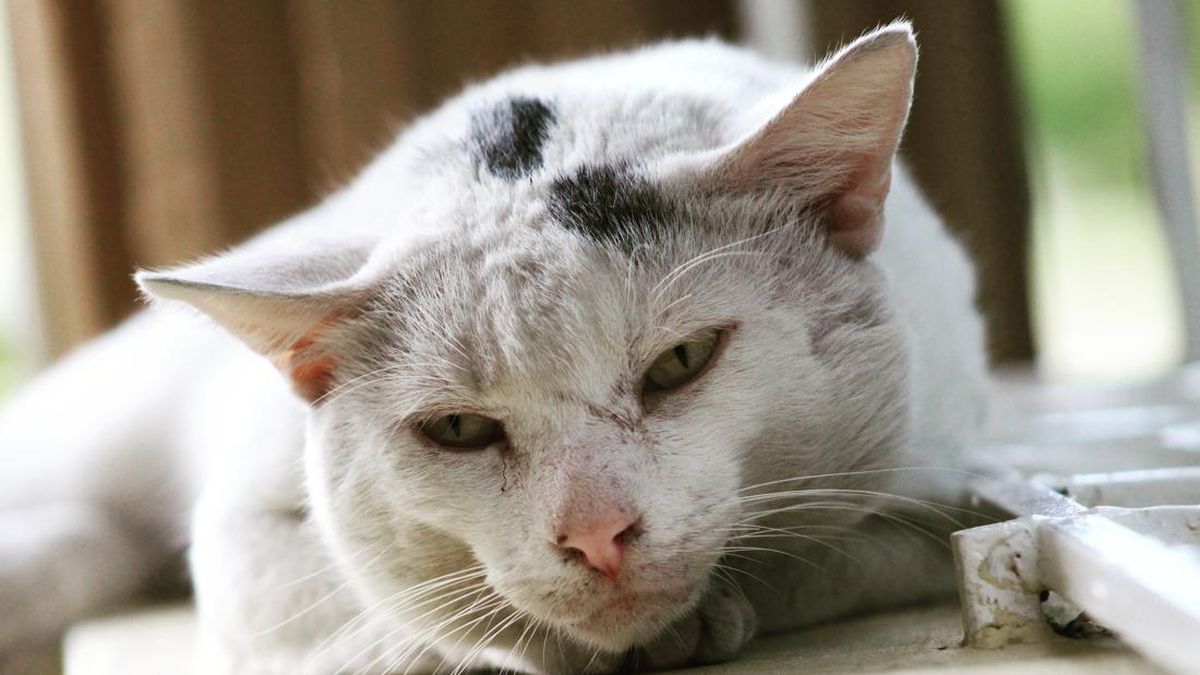
This muscle wasting and fat depletion occur rapidly. Beyond the physical transformation, alterations in elimination habits frequently accompany this stage. Felines may lose voluntary control over their bladder and bowels, resulting in accidents outside the litter box. In severe instances, elimination can be accompanied by visible discomfort, while the presence of blood in urine or feces signifies urgent medical complications that require professional evaluation.
Deterioration of Grooming Habits and Personal Hygiene
Felines are fastidious animals, dedicating a substantial portion of their waking hours to self-grooming. A sudden cessation of this natural behavior indicates a profound lack of energy or severe illness.
In terminal stages, a cat’s coat often becomes matted, dull, greasy, and unkempt. The animal may develop an uncharacteristic body odor due to toxin accumulation and metabolic failure. Furthermore, physical weakness may prevent the cat from reaching the litter box, compounding hygiene issues and leading to localized skin irritations or infections.
Heightened Seclusion and Instinctive Hiding Behaviors
Behavioral studies highlighted by veterinary care platforms like Daily Paws indicate that sick cats inherently seek isolation. In the final phases of life, this instinctual tendency amplifies dramatically.
A dying cat will frequently locate a novel, secluded, and dark resting place—such as underneath furniture, inside closets, or behind appliances—and remain there for extended periods. They may resist emerging even when called or tempted by favored food offerings. This retreat is an evolutionary defense mechanism; in the wild, vulnerable animals distance themselves from the group to avoid predation, and domestic cats retain this deeply embedded instinct.
Marked Behavioral Alterations and Cognitive Shifts
Alongside isolation, caregivers frequently observe profound psychological and behavioral shifts. While some felines become entirely withdrawn and docile, others exhibit unexpected clinginess, demanding constant physical contact and reassurance.
Additionally, cognitive dysfunction syndrome in older cats can manifest as confusion, disorientation, excessive vocalization—particularly during nighttime hours—and erratic sleep-wake cycles. These behavioral anomalies are frequently linked to reduced cerebral perfusion, neurological degradation, or systemic metabolic imbalances affecting brain function.
Abnormal Odors and Metabolic Shifts
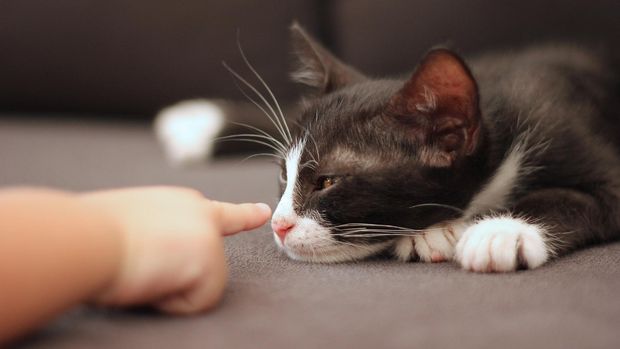
As renal and hepatic systems fail, metabolic waste products accumulate within the bloodstream, altering the animal’s biochemical profile. This internal toxicity frequently results in abnormal, noticeable body odors.
Veterinarians note that uremic poisoning, caused by kidney failure, can cause a cat’s breath to carry an ammonia-like scent or a distinctively sweet, chemical odor. These olfactory changes serve as reliable physiological indicators that vital organs are no longer effectively filtering toxins from the body.
Loss of Interest in Enriched Activities and Stimuli
A definitive marker of end-of-life decline is the complete loss of pleasure in previously favored activities, a condition analogous to anhedonia in humans. Cats that once displayed enthusiasm for interactive play, specific treats, catnip, or affectionate petting will typically show total indifference.
They may ignore familiar toys, reject high-value dietary offerings, and cease purring when petted. This emotional and sensory detachment signals that the animal’s physiological focus is entirely consumed by maintaining basic bodily functions amid systemic failure.
Implications and Professional Veterinary Guidance
Recognizing these indicators does not serve to induce panic among pet owners, but rather to foster preparedness, empathy, and proactive medical intervention. Pet owners facing these signs are strongly advised to consult a licensed veterinarian.
Professional veterinary assessments can accurately determine whether a cat is experiencing irreversible decline or suffering from a treatable secondary infection. When a terminal diagnosis is confirmed, veterinary teams can establish a comprehensive palliative care plan. This includes administering pain management therapeutics, subcutaneous fluid therapy, and nutritional support to maximize the animal’s remaining quality of life.
Ultimately, understanding the physiological and behavioral realities of a cat’s final days empowers owners to make compassionate, informed decisions. By providing a tranquil environment, managing pain effectively, and offering gentle affection, human caregivers can ensure their feline companions experience dignity, comfort, and peace during the final chapter of their lives.