Maudy Ayunda faces public backlash following viral mindfulness video regarding consumption of current events

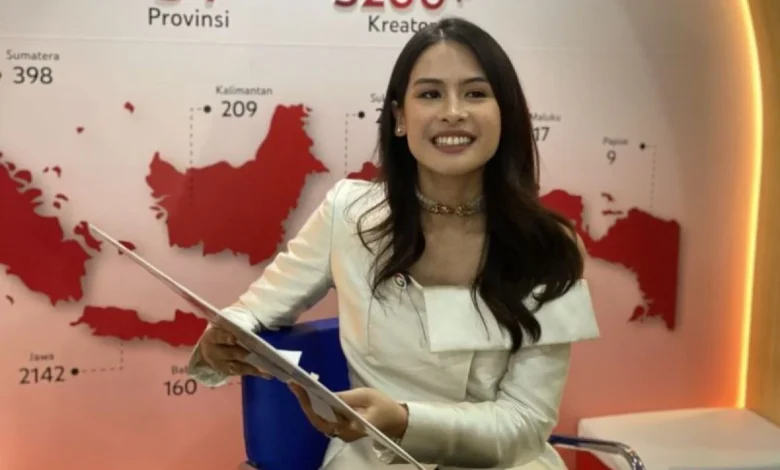
The intersection of digital influence, social responsibility, and the concept of privilege has ignited a significant debate in Indonesia, centering on public figure and entrepreneur Maudy Ayunda. On August 21, 2026, the artist and activist published a video on her YouTube channel titled "Mindfulness in the Age of Bad News," which quickly became a focal point of intense criticism across social media platforms, particularly X (formerly Twitter). The controversy underscores the evolving expectations placed upon public figures, particularly those perceived to hold academic and socioeconomic advantages, when addressing systemic social issues.
Chronology of the Controversy
The discourse began to shift from analytical to critical shortly after the video’s release. An influential user on X, @pandaleezasol, catalyzed the backlash by publicly declaring their decision to unsubscribe from Maudy Ayunda’s channel. The user argued that the content, which advocated for "news dieting" or intentionally limiting one’s intake of negative media to preserve mental health, was "tone-deaf." The criticism highlighted that while the advice might be applicable to some, it ignored the reality of millions of Indonesians whose livelihoods and safety are directly impacted by the very news events the video suggested ignoring, such as forest fires, recurring natural disasters, and controversial government policy shifts.
By August 23, 2026, the sentiment had expanded beyond the video content itself, drawing in critics who scrutinized the intersection of Maudy’s personal brand and her business ventures. The spotlight turned toward From This Island, a beauty brand founded by Maudy, specifically questioning the sourcing of tengkawang fat—a natural ingredient derived from the rainforests of Kalimantan. As environmental groups and netizens pointed to the ecological fragility of the region, the narrative shifted from a debate on mental health to an accusation of hypocrisy. Critics argued that a business model benefiting from the extraction of resources from sensitive ecological zones creates a moral dissonance when the business owner simultaneously advises the public to disconnect from the crises affecting those same regions.
The Role of Privilege and Academic Expectation
A recurring theme in the criticism stems from Maudy Ayunda’s educational background. As a graduate of the University of Oxford and Stanford University, Maudy has long been positioned as an intellectual icon and a role model for Indonesian youth. This status brings with it a specific set of public expectations. Sociologists often refer to this as the "burden of the public intellectual," where those with high educational capital are expected to exercise a higher degree of social awareness.
In this context, the backlash was not merely about the advice provided in the video, but about the perceived lack of acknowledgement regarding socioeconomic barriers. For a large portion of the Indonesian population, ignoring the news is not a luxury afforded to them, as local governance, economic shifts, and climate-related disasters have immediate, tangible consequences on their survival. The criticism directed at Maudy centers on the argument that "mindfulness" in a bubble of prosperity can easily be interpreted as a form of escapism that trivializes the struggles of those without the resources to protect themselves from systemic instability.
Industry Context and Sustainability Debates
The scrutiny of From This Island adds a layer of complexity to the narrative. The brand has marketed itself as a champion of local Indonesian wisdom and natural ingredients. However, the environmental landscape of Kalimantan is currently subject to intense scrutiny due to deforestation and the impact of the palm oil and extractive industries.
While there is no evidence that the brand’s sourcing practices are illegal or inherently unethical, the public reaction highlights a growing trend among Gen Z and Millennial consumers: the demand for total brand transparency. Modern consumers are increasingly evaluating the personal philosophies of founders against the supply chain practices of their companies. When a brand promotes a "natural" and "local" identity, it invites rigorous investigation into how "local" is defined and how the environmental impact of sourcing is mitigated. This case serves as a broader reminder to the beauty and wellness industry that reputation management is now inextricably linked to environmental advocacy and social empathy.
Maudy Ayunda’s Official Response
Recognizing the gravity of the public outcry, Maudy Ayunda issued a formal clarification and apology in the comments section of the original YouTube video. Her response acknowledged the validity of the criticism, specifically regarding the role of privilege in determining one’s relationship with information.
"Being able to step away from the news is itself a privilege," she wrote. "Not everyone has that choice, especially when what is happening has a direct impact on their lives, families, work, or communities. I apologize because this part was not sufficiently reflected upon in the video."
Maudy emphasized that her intention was never to encourage an apolitical stance or to suggest that the public should remain indifferent to social injustice. Rather, she intended to address the psychological toll of "doomscrolling"—the phenomenon of excessive exposure to negative news which has been linked to increased rates of anxiety and depression. By validating the feedback, she attempted to pivot the conversation toward a more nuanced understanding of how to balance personal mental health with civic engagement. She concluded by stating, "I am listening and learning," signaling a shift toward a more reflective approach to her content creation.
Broader Implications and Analysis
The incident involving Maudy Ayunda provides several key insights into the current state of digital discourse in Indonesia:
- The Accountability of Influencers: Public figures with large platforms are no longer just entertainers or educators; they are expected to be social stakeholders. The "influencer" status now carries an implicit contract with the audience, where personal brand consistency is monitored with the same rigor as political policy.
- Mental Health vs. Social Responsibility: The tension between the self-care movement and the necessity of social activism is a growing point of contention. While mental health awareness is a positive development, it is increasingly being challenged when it is perceived to be used as a shield against the realities of social and environmental crises.
- The Power of the Digital Crowd: The swiftness with which the narrative escalated—from a single unsubscribe to a broader corporate audit—demonstrates the power of the digital ecosystem in Indonesia. It also reflects a maturing audience that is less likely to accept top-down narratives from public figures without questioning the underlying context.
- Transparency as a Survival Metric: For businesses owned by public figures, the line between personal ethics and business operations has effectively disappeared. Future brand ventures will likely require deeper, more explicit evidence of social and environmental responsibility to avoid the kind of backlash seen here.
As of late August 2026, the conversation has begun to stabilize, though it remains a case study for public relations experts and social media analysts. The incident serves as a poignant reminder that in an era of global connectivity and heightened social awareness, the privilege of a platform is tempered by the responsibility to engage with the world as it is, rather than how one might wish to experience it from a position of relative comfort. Whether this event marks a permanent shift in Maudy Ayunda’s content strategy remains to be seen, but it has certainly redefined the boundaries of how influencers and their audiences interact in the context of Indonesia’s most pressing social challenges.