Navigating Airport Security: Comprehensive Guidelines for Bringing Skincare and Liquids in Airplane Cabins

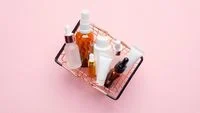
For many modern travelers, maintaining a consistent daily skincare and grooming routine is non-negotiable, regardless of destination. Whether embarking on a high-stakes business trip or a long-awaited tropical vacation, packing favorite cleansers, serums, and sunscreens is standard procedure. However, the convenience of keeping these personal care items close at hand in an airplane cabin is heavily regulated by international aviation security protocols. Failing to understand or adhere to these strict limits can result in frustrating delays at security checkpoints, the confiscation of expensive cosmetic products, and even potential compliance issues with airport authorities.
Understanding the precise mechanics of aviation security regarding liquids, aerosols, and gels is essential for a seamless travel experience. This guide provides a comprehensive overview of global regulations, strategic packing techniques, and expert recommendations for transporting skincare products safely within aircraft cabins.
The Evolution of Aviation Security and the 3-1-1 Liquid Rule
To comprehend why skincare products face such stringent restrictions in airport security lines, it is necessary to examine the historical background of aviation safety regulations. The contemporary restrictions governing liquids, aerosols, and gels in aircraft cabins are largely the result of a thwarted transatlantic terrorist plot in August 2006. British authorities uncovered a conspiracy involving liquid explosives disguised as everyday beverages and personal care items intended to be assembled aboard commercial flights.
In response to this critical security threat, the United Kingdom, followed rapidly by the United States Transportation Security Administration (TSA) and international aviation bodies such as the International Civil Aviation Organization (ICAO), swiftly implemented emergency restrictions. This gave birth to the universally recognized "3-1-1 rule" for carry-on baggage. Under these foundational guidelines, passengers are permitted to carry liquids, aerosols, gels, creams, and pastes in containers with a maximum capacity of 3.4 ounces (equivalent to 100 milliliters). Furthermore, all such containers must fit comfortably into a single, clear, resealable plastic bag of a specific volume, typically one quart or one liter.
Over nearly two decades, these regulations have remained the global standard across the vast majority of international commercial airports, though technological advancements in 3D luggage scanning equipment at select airports have occasionally hinted at future policy relaxations. Despite ongoing upgrades to scanning infrastructure, the 100 ml limit remains the safest and most universally enforced standard worldwide, making compliance critical for global travelers.
Defining Regulated Skincare Items in Carry-On Luggage
A common misconception among travelers is that the restrictions on liquids apply strictly to beverages or obvious bath products like shampoos. In reality, airport security agencies enforce a broad definition of liquids, aerosols, and gels that encompasses almost the entire spectrum of modern skincare and cosmetic formulations.
According to guidelines issued by transportation authorities globally, any product that can be classified as a fluid, semi-solid, paste, or pressurized substance is subject to the 100 ml rule when packed in cabin baggage. Essential skincare items frequently flagged during security screenings include:
- Facial cleansers, foaming washes, and makeup removers
- Liquid toners, essences, and astringents
- Hydrating serums, facial oils, and vitamin C treatments
- Daily moisturizers, anti-aging creams, and rich night balms
- Chemical and mineral sunscreens, including lotions and fluid sprays
- Hair care products, including shampoos, conditioners, and styling gels
- Personal hygiene items such as liquid deodorants, perfumes, and colognes
- Oral hygiene products, notably toothpaste and mouthwash
- Makeup essentials including liquid foundation, concealer, mascara, lip gloss, and liquid eyeliner
- Nail care products, including nail polish and cuticle removers
Conversely, products existing entirely in a solid state are generally exempt from the liquid restrictions. These include traditional bar soaps, solid deodorant sticks, pressed powder foundations, eye shadow palettes, and various solid balm-based skincare items. However, security personnel retain final discretion; if a solid product exhibits gel-like qualities or appears semi-liquid under thermal stress, it may be subject to manual inspection.
Strategic Packing: Transitioning to Travel-Size Containers
One of the most frequent errors travelers make is assuming that the volume restriction applies to the amount of product remaining inside a container rather than the container’s maximum printed capacity. For instance, attempting to pass through security with a 250 ml bottle of high-end facial toner that is only one-quarter full will invariably result in confiscation. Security officers evaluate the volumetric capacity indicated on the manufacturer’s label, not the physical contents inside.
To circumvent this limitation without abandoning expensive skincare regimens, frequent flyers rely on travel-sized adaptation strategies:
- Investing in Travel-Sized Containers: Purchase reusable, leak-proof silicone or plastic travel bottles with a maximum capacity of 100 ml or less. These containers can be filled with bulk quantities of everyday cleansers, moisturizers, and serums.
- Utilizing Manufacturer Trial Sizes: Many cosmetic brands offer travel-size or trial-size versions of popular formulations specifically designed to comply with international aviation standards.
- Repurposing Sample Packets: Accumulating foil sample packets of serums, creams, and foundations throughout the year provides an ultra-lightweight, compliant alternative for short trips.
The Mechanics of the Clear Plastic Bag Protocol
Beyond the individual container limitation, the method of enclosure is a critical compliance factor at security checkpoints. Regulatory bodies require that all eligible containers fit securely inside a single, transparent, resealable plastic bag. This measure allows security screeners to rapidly assess the volume and contents of the liquids using advanced imaging technology without needing to manually open every piece of luggage.
The standard specification for this bag is a one-quart or one-liter capacity bag, typically featuring a zip-top closure. Overstuffing the bag so that it cannot close properly violates the procedural guidelines and may prompt security personnel to require the removal or surrender of excess items. Travelers are strongly advised to pack their transparent liquid bag in an easily accessible compartment of their carry-on luggage or personal item, ensuring it can be retrieved and laid separately on the screening belt within seconds.
Special Considerations for Aerosols, Fragrances, and Sharp Beauty Tools
Navigating skincare and grooming requirements in an airplane cabin extends beyond simple fluids to encompass pressurized products and metallic accessories.
Aerosol products—such as hairsprays, dry shampoos, continuous facial mist sprays, and aerosol deodorants—are fully subject to the 100 ml liquid rule, provided they are equipped with safety caps to prevent accidental discharge. Beyond aviation security limits, airlines often impose strict hazardous materials guidelines regarding total quantities of aerosols per passenger, balancing cabin pressure safety with fire prevention protocols.
Fragrances and perfumes require particular attention. High-end luxury perfumes often come in heavy glass bottles exceeding the 100 ml limit. Travelers wishing to bring signature scents must transfer them into specialized travel atomizer bottles or purchase dedicated 30 ml travel editions.
Furthermore, travelers must exercise caution regarding associated beauty tools. While basic hygiene tools are generally permitted in carry-on luggage, strict prohibitions apply to items deemed hazardous or capable of being used as a weapon. Tweezers and nail clippers are universally allowed, but safety razors with removable blades, straight razors, and specialized crafting scissors will be confiscated if placed in the cabin. Electric toothbrushes, hair dryers, and flat irons are permitted in both carry-on and checked luggage, though lithium-ion battery-powered styling tools may require battery removal or specific stowage procedures depending on the airline.
Global Variations and Regulatory Discrepancies
While organizations like the TSA and the European Civil Aviation Conference (ECAC) maintain standardized guidelines regarding the 100 ml rule, travelers must remain cognizant of localized variations. International aviation authorities continuously update their protocols based on evolving threat assessments. Furthermore, specific regional airports may enforce stricter screening methodologies or temporary emergency bans depending on geopolitical climates.
Certain international hubs have begun modernizing their security screening checkpoints by installing advanced computed tomography (CT) scanners. These high-resolution 3D imaging systems enable security personnel to inspect luggage contents thoroughly without requiring passengers to remove laptops or compliant liquid bags from their carry-on luggage. In airports featuring upgraded CT scanning technology, local authorities have occasionally lifted the requirement to separate liquids into a clear plastic bag, and in select jurisdictions, increased the permitted liquid container volume up to two liters.
However, these technological upgrades are not globally uniform. A traveler departing from an advanced airport permitting large liquid volumes may encounter strict 100 ml enforcement during a connecting flight at a regional facility lacking modern scanning equipment. Consequently, seasoned travelers adhere to the universal 100 ml rule as a baseline standard to ensure uninterrupted transit worldwide.
Economic and Practical Implications of Non-Compliance
Failing to adhere to cabin baggage regulations regarding skincare and cosmetics carries both financial and logistical consequences. Confiscated luxury cosmetics and premium skincare products represent an immediate financial loss for the traveler. At major international transit hubs, security checkpoints feature massive disposal bins filled daily with surrendered designer perfumes, high-end serums, and specialized sunscreens.
Beyond financial considerations, non-compliance disrupts the efficiency of airport security operations. When an individual bag triggers a secondary manual search due to improperly packed liquids or oversized containers, processing times increase for all passengers waiting in line. In high-volume travel hubs during peak holiday seasons, even minor security delays can result in missed flight connections, administrative stress, and cascading logistical complications.
Conclusion and Best Practices for Travelers
Integrating a reliable skincare routine into air travel requires a balance of personal care maintenance and strict adherence to global aviation safety protocols. By understanding the core principles of the liquid restriction guidelines, utilizing properly labeled travel-sized containers, organizing items in transparent, resealable bags, and accounting for localized variations in security technology, travelers can navigate airport checkpoints efficiently.
Proper preparation eliminates the risk of product confiscation, minimizes security processing delays, and ensures that personal care essentials arrive safely at their destination. As global aviation security continues to evolve alongside technological innovations, remaining informed of international standards remains the ultimate strategy for the modern, mobile traveler.
Related posts: