Apple Unveils Revolutionary Apple Watch Series 12 and Apple Watch Ultra 4 Featuring Advanced S11 Chip and AI-Driven Health Insights

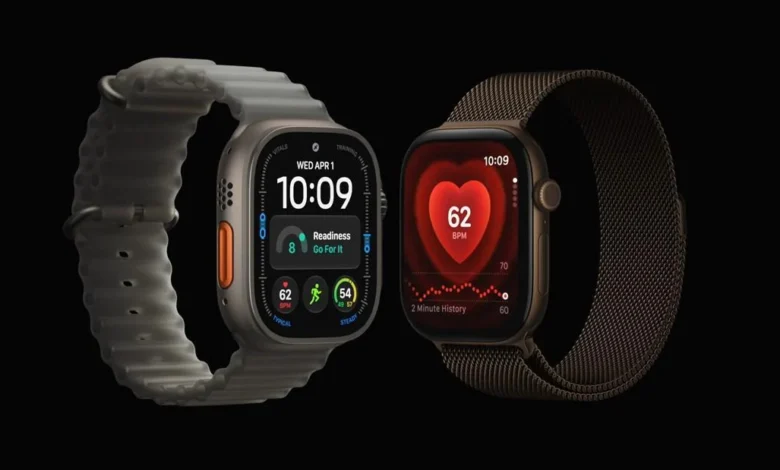
Apple has officially unveiled its latest generation of wearable technology, introducing the Apple Watch Series 12 and the Apple Watch Ultra 4 to a global audience. These devices represent a significant leap forward in health-tracking precision and computational intelligence, centered around the new S11 silicon architecture. By integrating advanced sensor arrays with sophisticated "Audio Intelligence" and a new metric dubbed "Readiness," Apple is positioning these devices not merely as fitness trackers, but as comprehensive daily health companions.
The announcement, which took place in September 2026, marks another milestone in the company’s decade-long commitment to health technology. As the wearable market faces increasing pressure from specialized fitness brands and multi-functional smartwatches, Apple’s latest iteration focuses on actionable insights rather than just raw data collection, effectively bridging the gap between casual fitness monitoring and clinical-grade health analysis.
Technological Evolution: The S11 Chipset and Sensor Array
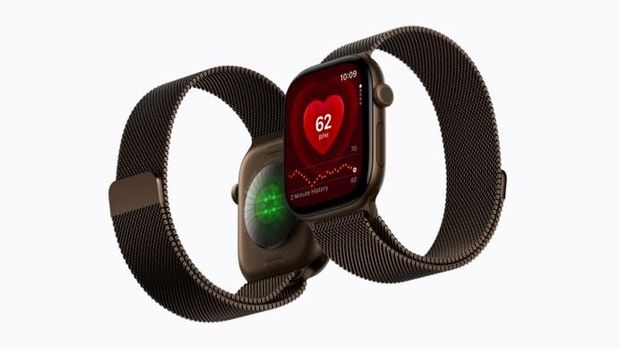
At the heart of both the Series 12 and Ultra 4 lies the S11 chip. This proprietary silicon serves as the engine for the devices’ enhanced processing capabilities, allowing for more frequent data sampling and complex algorithm execution locally on the watch. According to technical documentation provided during the launch, the S11 enables a massive increase in the frequency of Heart Rate Variability (HRV) tracking—up to 24 times more frequent than previous generations.
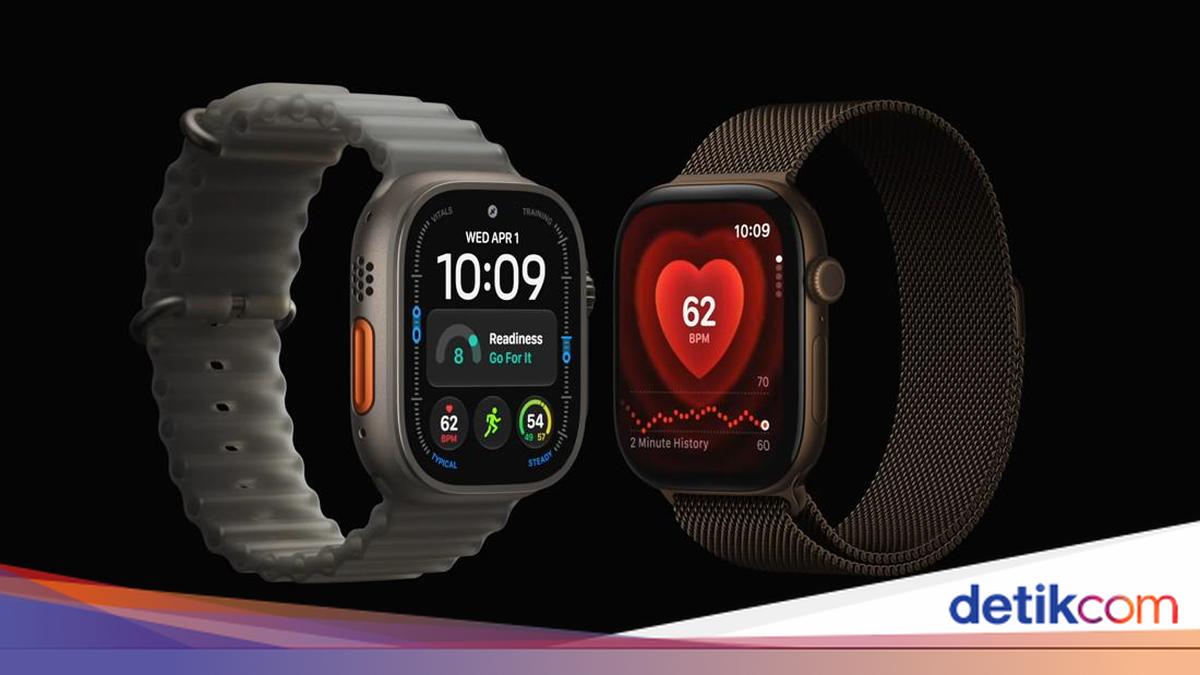
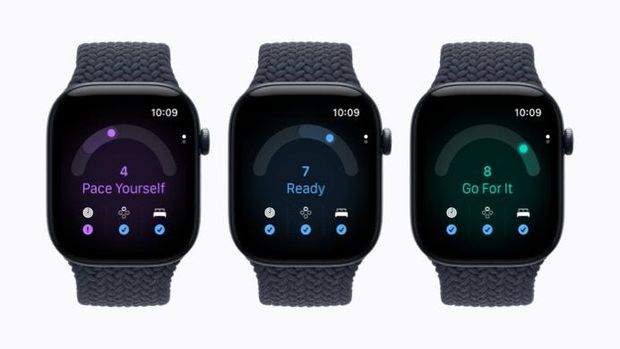
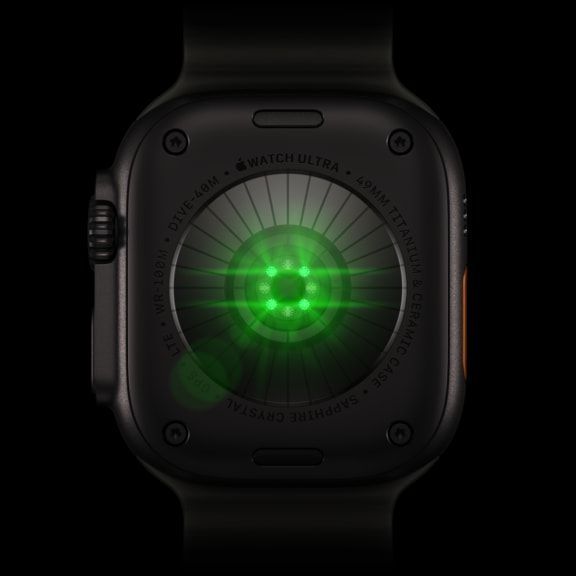
The hardware upgrade is complemented by a completely redesigned optical and electrical heart sensor. Apple conducted an extensive internal study involving over 1,000 participants to calibrate these sensors, asserting that they currently offer the highest level of accuracy within the consumer wearable market. This improvement is crucial for the implementation of the new Readiness feature, which synthesizes resting heart rate, sleep quality, and physical strain into a single score ranging from zero to ten.
The Readiness Metric: A Shift Toward Holistic Recovery
The introduction of the Readiness score marks a departure from traditional "activity ring" tracking. Instead of pushing users to constantly close their rings, the Apple Watch now offers personalized guidance based on physiological state. The system provides four distinct recommendations: Recover, Pace Yourself, Ready, and Go For It.
This functionality is a strategic move to address the common issue of overtraining. By contextualizing heart rate and strain data, the watch acts as a recovery coach. Kaiann Drance, Vice President of Worldwide Apple Watch Product Marketing, emphasized during the event that the goal of the Health Sensing System is to provide "meaningful insights" that empower users to understand the nuances of their daily physical capacity. While Apple is careful to note that these metrics are not a replacement for professional medical diagnosis, they represent a significant advancement in preventive health management for the general public.
Audio Intelligence: Bringing Generative Features to the Wrist
Perhaps the most intriguing addition to the Apple Watch ecosystem is the suite of features categorized under "Audio Intelligence." These tools—including Sound Recognition, Live Rewind, and Siri Recap—leverage the processing power of the S11 chip to assist users in their daily interactions.
Live Rewind is particularly notable for its accessibility potential; it captures and displays a transcript of the previous 15 seconds of conversation, a tool that could prove invaluable in noisy environments or for users with hearing impairments. Siri Recap further simplifies data consumption by providing synthesized summaries of long conversations or meetings. To address privacy concerns, Apple has confirmed that all audio processing occurs within the device’s Secure Enclave, and data is purged immediately after processing.
It is important to note, however, that these AI-driven features operate on a "beta" status through the end of 2026. Furthermore, they require pairing with an iPhone 16 or newer model that supports the broader Apple Intelligence ecosystem. This creates a clear ecosystem lock-in, where the full potential of the wearable is gated behind ownership of the company’s latest smartphone flagship.
Apple Watch Ultra 4: Built for Extremes
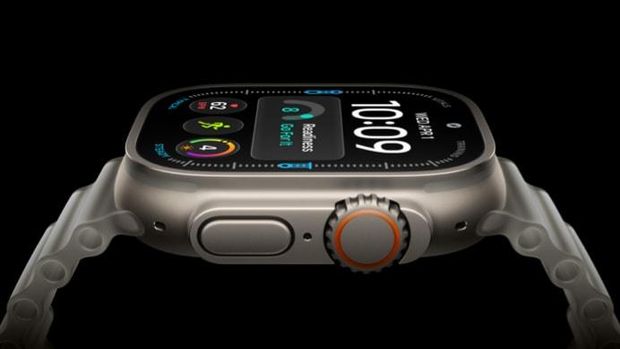
While the Series 12 caters to the mass market, the Apple Watch Ultra 4 continues its trajectory as the gold standard for endurance athletes and outdoor enthusiasts. The design language remains consistent with its predecessors, maintaining the rugged titanium construction, but the internal improvements are substantial.
The primary differentiator for the Ultra 4 is battery longevity. In standard usage, the device is rated for 50 hours, which can be extended to 84 hours when utilizing Low Power Mode. For ultra-endurance athletes, the "Max Extended Workout" mode offers 45 hours of continuous GPS and heart rate tracking. This technical capability addresses a long-standing criticism of smartwatches in the ultra-marathon and long-distance hiking communities: the need for devices that can survive multi-day excursions without access to a power source.
Furthermore, the integration of satellite connectivity for Emergency SOS and Find My features reinforces the Ultra 4’s status as a critical safety tool for remote operations. With a titanium chassis available in both natural and black finishes, the device strikes a balance between aesthetic appeal and extreme durability.
Market Implications and Future Outlook
The release of these devices comes at a time when the global wearable technology market is experiencing a shift toward "smart health." Competitors like Garmin and Suunto have long dominated the high-end endurance space, while Google’s Pixel Watch and Samsung’s Galaxy Watch have aggressively chased the health-tracking segment.
Apple’s strategy with the Series 12 and Ultra 4 is clearly focused on "intelligence." By moving from simple step counting to data-driven recovery coaching, Apple is increasing the utility of the device in the user’s daily life. The integration of Apple Intelligence ensures that the Watch remains a key component of the company’s wider ecosystem strategy, making it difficult for users to migrate to competing platforms once they are accustomed to these features.
However, the economic implications remain a factor. With the Series 12 starting at USD 399 and the Ultra 4 at USD 799, these devices remain premium products. The high price point, combined with the requirement for a recent-model iPhone to access the full feature set, ensures that these products will remain central to Apple’s high-margin business model.
Timeline and Global Availability
The launch schedule for the new wearables is highly synchronized. Pre-orders commenced on September 9, 2026, across more than 50 countries and territories. General retail availability is scheduled for September 18, 2026.
While pricing in the United States has been clearly established, international markets—including Indonesia—are still awaiting localized pricing and release dates. Apple has confirmed that the new devices will arrive in Indonesia, but the timing is subject to local regulatory approvals and distribution logistics. For prospective buyers in these regions, the wait is likely to involve a premium due to import taxes and regional currency fluctuations.
Conclusion: A New Standard for Wearables
The Apple Watch Series 12 and Ultra 4 do not reinvent the smartwatch, but they significantly refine it. By prioritizing the accuracy of physiological sensors and introducing intelligent, automated assistance, Apple is defining the next era of wearable technology. Whether these advancements will be sufficient to justify the upgrade cycle for current users of the Series 10 or 11 remains to be seen, but for those seeking deeper integration between their lifestyle, physical health, and personal technology, the new lineup offers a compelling argument for the future of the wrist-worn computer.
As the technology enters the hands of consumers, the real-world performance of the Readiness metric and the utility of the AI-driven audio features will be the ultimate tests of Apple’s latest innovation cycle. Regardless of the immediate reception, the S11 chip and the associated sensor upgrades have undeniably set a new benchmark for the industry.