Indonesian Actor Dude Harlino Returns Rp5.25 Billion Brand Ambassador Fees to Police Amidst Major PT Dana Syariah Indonesia Fraud Investigation


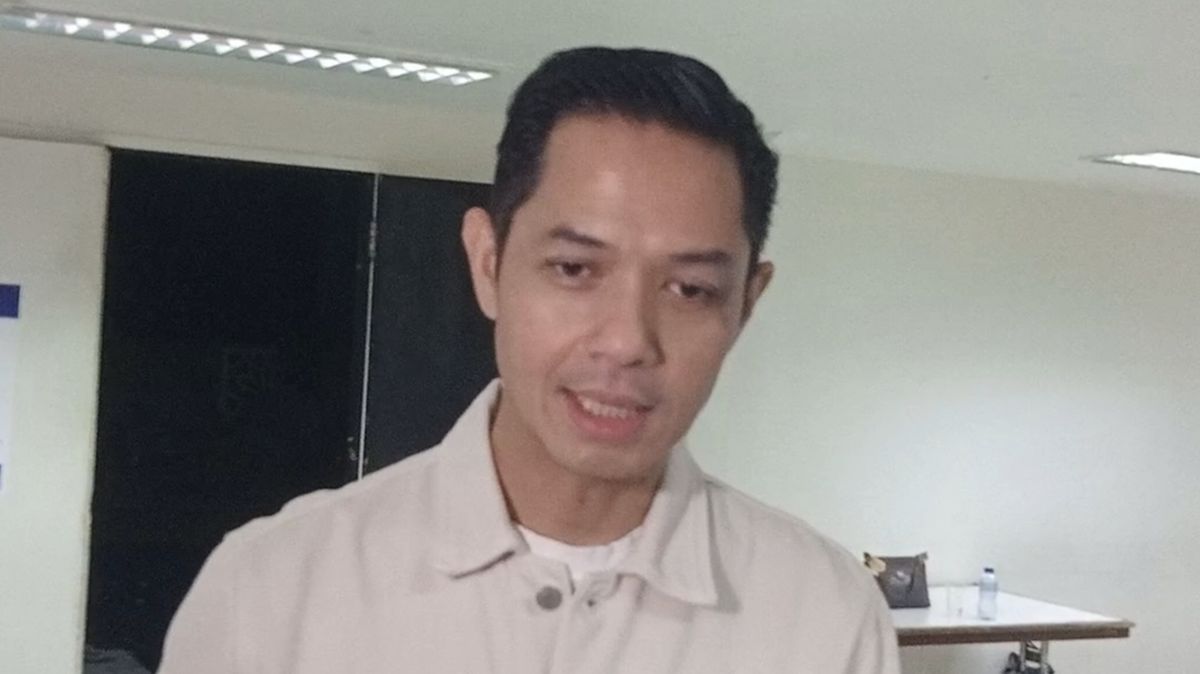
Indonesian actor Dude Harlino recently made headlines by voluntarily returning Rp5.25 billion (approximately USD 340,000) in brand ambassador fees to the National Police’s Criminal Investigation Department (Bareskrim Polri). The funds were received from PT Dana Syariah Indonesia (DSI), a company now embroiled in a massive alleged investment fraud scandal. Harlino’s proactive move, undertaken on July 23, 2020, signals a significant development in the ongoing investigation into DSI, which has reportedly defrauded 15,000 victims of an estimated Rp2.4 trillion (approximately USD 155 million). The actor emphasized that his decision was driven by moral responsibility and empathy for the victims, rather than legal compulsion.
Details of the Voluntary Return and Harlino’s Stance
Dude Harlino, accompanied by his legal counsel Haris Azhar, visited Bareskrim Polri to hand over the substantial sum. Azhar clarified that the money represented Harlino’s honorarium for his role as a brand ambassador for DSI, a position he shared with his wife. The contract for this ambassadorship was slated to run from 2022 to 2025, indicating that Harlino had received an advance or full payment for services intended to span several years into the future. The total amount returned, Rp5.25 billion, underscores the significant financial commitment DSI made to secure his endorsement.
Haris Azhar firmly stated that Harlino’s action stemmed from a deep sense of moral obligation and concern for the thousands of individuals who lost their savings to DSI’s alleged fraudulent scheme. "This is a form of moral accountability from Dude. Legally, Dude has no issues, but he feels concerned about the situation of the DSI victims. Therefore, Dude is taking on a greater role beyond just being a witness," Azhar explained to reporters. He further expressed hope that the return of these funds would aid investigators in their efforts to recover assets for the victims.
Harlino himself addressed the media, confirming that the decision to return the money had been a long-discussed matter with his legal team. Despite the unwelcome spotlight the case cast upon him, he affirmed his commitment to adhering to all legal procedures. He viewed the incident as a profound learning experience in his career. "For me personally, this is part of the consequences of work that I must undergo and obey whatever rules have been established," Harlino remarked, maintaining a composed demeanor. His statement reflected a pragmatic acceptance of the challenges and responsibilities that come with public life, particularly when associated with entities that later face legal scrutiny.
Brigadier General Susatyo Purnomo Condro, Head of the PT DSI Case Investigation Team, confirmed the receipt of the multi-billion rupiah sum from Harlino. He stated that the money had been officially confiscated as part of the asset tracing process. "The Directorate of Economic and Special Criminal Investigation of Bareskrim Polri has received the honorarium handed over by Brother DH as a Brand Ambassador for PT DSI from 2022 to 2025, with a total value of approximately Rp5.25 billion," Condro announced. He added that the seizure was carried out in accordance with legal provisions, documented through a Letter of Receipt (STP) and a Seizure Report (Berita Acara Penyitaan), integrating it into the official investigation administration.
The PT Dana Syariah Indonesia (DSI) Fraud: A Deep Dive
PT Dana Syariah Indonesia (DSI) positioned itself as a sharia-compliant financial technology (fintech) company, ostensibly facilitating peer-to-peer (P2P) lending or investment in various sectors under Islamic principles. In Indonesia, a country with the largest Muslim population in the world, sharia-compliant financial products often attract a significant level of trust and interest, making them fertile ground for fraudulent schemes if not properly regulated and supervised. DSI capitalized on this trust, promising high and consistent returns to investors, often significantly above market rates, a classic red flag for Ponzi schemes.
The fraud, which reportedly spanned from 2018 to 2025 (though it collapsed and was investigated much earlier, around 2020), accumulated a staggering 15,000 victims. These victims collectively suffered losses amounting to Rp2.4 trillion, making it one of the largest investment fraud cases in recent Indonesian history. The scheme allegedly operated by using funds from new investors to pay off earlier investors, creating an illusion of profitability and sustainability. This cycle inevitably collapses when the inflow of new money dwindles, exposing the underlying fraud.
Beyond the initial deception, Bareskrim Polri’s investigation uncovered further layers of criminality, including allegations of embezzlement by PT DSI’s management and the deliberate falsification of company financial statements. Such actions are designed to obscure the true financial health of the company and mislead both investors and regulatory bodies.
In response to the scale and complexity of the fraud, Bareskrim Polri has named five individuals as suspects. These include key figures within DSI’s leadership: Taufiq Aljufri (President Director), Mery Yuniarni (former Director), Arie Rizal Lesmana (Commissioner), and another former Director identified only by the initials AS. These individuals are believed to be instrumental in orchestrating and perpetuating the fraudulent scheme.
Chronology of the DSI Scandal
The timeline of the DSI scandal reveals a period of apparent growth and trust-building before its eventual collapse:
- 2018: PT Dana Syariah Indonesia (DSI) begins operations, promoting itself as a legitimate sharia-compliant investment platform. It likely started attracting early investors with promises of attractive returns.
- Late 2019 – Early 2020: The company expands its reach and influence, possibly through aggressive marketing campaigns and leveraging public figures. This is around the period when contracts for brand ambassadors like Dude Harlino, covering future years (2022-2025), would have been initiated and paid for, indicating significant capital at the time.
- July 23, 2020: Dude Harlino voluntarily returns Rp5.25 billion in brand ambassador fees to Bareskrim Polri. This action strongly suggests that the fraud had already been uncovered or was on the verge of collapsing, and investigations were actively underway by this point. Harlino’s decision to return the funds aligns with an ongoing police probe into DSI’s activities.
- Post-July 2020: Bareskrim Polri continues its extensive investigation, uncovering the full scope of the fraud, identifying victims, tracing assets, and eventually naming key suspects. The investigation details the alleged embezzlement and falsification of financial records.
- Ongoing: The legal process proceeds, with suspects facing charges and efforts continuing to recover assets for the 15,000 victims. The return of funds by Harlino becomes a key piece of evidence and a source of recovery.
The Role of Celebrity Endorsements in Financial Schemes
The involvement of a prominent figure like Dude Harlino in the DSI scandal highlights a critical aspect of investment fraud in consumer markets: the leveraging of celebrity trust. In Indonesia, public figures, especially actors and artists, command significant influence and are often seen as credible, trustworthy individuals. When such personalities endorse financial products or investment opportunities, their followers often perceive these endorsements as implicit guarantees of legitimacy and safety. This psychological impact makes celebrity endorsements a potent tool for fraudulent schemes seeking to quickly build credibility and attract a large pool of investors.
For public figures, the ethical considerations of endorsing financial products are immense. While they may genuinely believe in the legitimacy of a company at the time of endorsement, the responsibility to conduct thorough due diligence is paramount. The consequences of endorsing a fraudulent entity can be severe, not only for the victims who trusted their recommendation but also for the celebrity’s reputation and public image. Harlino’s swift action to return the funds, coupled with his expressed concern for the victims, is a testament to his understanding of this moral responsibility and an attempt to mitigate the potential damage to his standing.
This case serves as a stark reminder for both celebrities and the public. For celebrities, it underscores the need for rigorous scrutiny of any company or product they choose to represent, especially in the sensitive financial sector. Simply reviewing a contract or relying on the company’s public presentation is often insufficient. For the public, it reinforces the crucial message that even endorsements from trusted figures should not replace individual due diligence and skepticism, particularly when promises of unusually high returns are made.
Legal Ramifications and Asset Recovery Challenges
The suspects in the DSI case face a barrage of serious charges under Indonesian law, reflecting the multifaceted nature of the alleged crimes. The charges include:
- Article 488 and/or Article 486 and/or Article 492 of the Criminal Code (KUHP): These articles typically pertain to fraud and embezzlement, which form the core of the investment scheme’s deception.
- Article 45A Paragraph (1) Jo Article 28 Paragraph (1) of the ITE Law (UU ITE): This refers to the Electronic Information and Transactions Law, indicating that the suspects likely used electronic means (internet, social media, apps) to disseminate false information, mislead investors, or conduct fraudulent transactions.
- Article 299 of the Law on Development and Strengthening of the Financial Sector (UU P2SK): This newer legislation, enacted in 2022 (though the core fraud was earlier, this law could apply to ongoing aspects or be referenced for context on financial sector crimes), aims to strengthen oversight and consumer protection in the financial industry. It likely addresses specific violations related to unregistered or unauthorized financial activities.
- Article 607 Paragraph (1) letters a, b, and c of the Criminal Code (KUHP): These articles often relate to falsification of documents or financial records, directly addressing the police’s findings regarding falsified company financial statements.
The complexity of these charges reflects the sophisticated nature of modern financial fraud, often combining traditional criminal acts with digital platforms and financial market manipulations.
One of the most challenging aspects of large-scale investment fraud cases is the recovery of assets. Funds are often siphoned off, laundered, or spent, making it difficult to trace and seize them for victim compensation. The voluntary return of Rp5.25 billion by Dude Harlino is therefore highly significant. It represents a direct recovery of funds that can be allocated towards compensating victims, however small a fraction it might be of the total Rp2.4 trillion loss. It also sets a precedent for other public figures or entities who may have benefited from DSI to consider similar actions, potentially expediting the asset recovery process. The police’s immediate seizure and documentation of the funds underscore its importance as evidence and as a step towards victim restitution.
Broader Implications for Consumer Protection and Regulation
The DSI fraud case carries profound implications for consumer protection and financial regulation in Indonesia. It highlights several areas requiring urgent attention:
- Regulatory Oversight: The sheer scale of the fraud and the number of victims suggest potential gaps in regulatory oversight. While the Financial Services Authority (OJK) and Commodity Futures Trading Regulatory Agency (Bappebti) are responsible for supervising financial and investment products, unregistered or illicit entities often operate under the radar or exploit loopholes. This case may prompt regulators to intensify their efforts in monitoring online investment platforms, especially those offering high returns or leveraging popular figures.
- Financial Literacy: The susceptibility of 15,000 individuals to such a scheme underscores the need for enhanced financial literacy among the public. Many victims might have lacked the knowledge to identify red flags associated with fraudulent investments, such as guaranteed high returns, opaque business models, and pressure tactics. Educational campaigns on discerning legitimate investments from scams are crucial.
- Due Diligence for Endorsers: The case serves as a cautionary tale for anyone in a position of influence. It reinforces the expectation that public figures, influencers, and media personalities must exercise extreme caution and conduct thorough due diligence before endorsing any financial product or service. Their association lends credibility, and a failure to verify can have devastating consequences for their audience.
- Legal Framework Strengthening: While Indonesia has a robust legal framework, cases like DSI may lead to discussions about further strengthening laws related to investment fraud, asset forfeiture, and consumer protection in the digital age. The inclusion of charges under the UU ITE and potentially referencing the UU P2SK demonstrates an adaptive legal response, but continuous evaluation is necessary.
In conclusion, Dude Harlino’s voluntary return of his brand ambassador fees in the PT Dana Syariah Indonesia fraud case is a notable event that transcends mere financial restitution. It underscores the moral responsibilities of public figures, highlights the pervasive threat of investment fraud, and reinforces the ongoing challenges faced by law enforcement and regulators in protecting the public from such schemes. As the investigation and legal proceedings continue, the DSI case will undoubtedly serve as a critical reference point for future efforts in combating financial crime and safeguarding consumer trust in Indonesia’s evolving financial landscape.