YouTube Creators Inject Rp 8.4 Trillion into Indonesia’s GDP by 2025, Fueling Creative Economy and Job Growth

Jakarta, Indonesia – The vibrant YouTube creator ecosystem is projected to contribute a staggering Rp 8.4 trillion (approximately USD 570 million at current exchange rates) to Indonesia’s Gross Domestic Product (GDP) by 2025, according to a comprehensive study by Oxford Economics. This significant economic infusion underscores a profound transformation within the nation’s creative economy, simultaneously fostering the creation of an estimated 190,000 full-time equivalent jobs across the archipelago within the same timeframe. The findings highlight the platform’s pivotal role not just as a source of entertainment but as a powerful engine for economic development and entrepreneurial growth, shifting traditional perceptions of career paths and empowering a new generation of digital professionals.
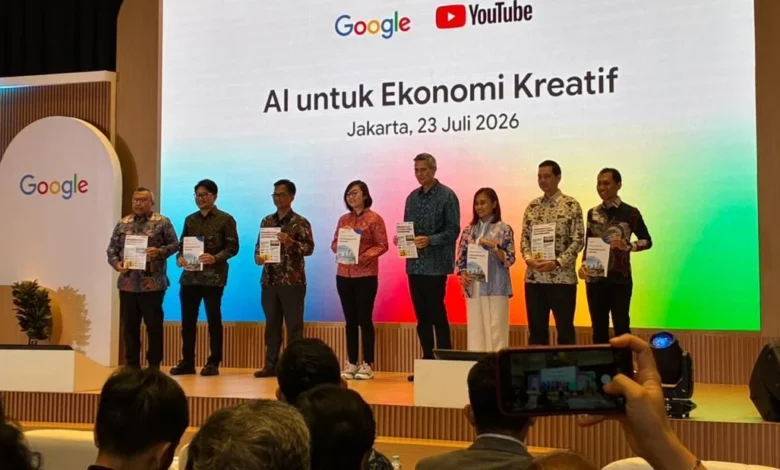
The data, unveiled by Veronica Utami, Country Director of Google Indonesia, during the ‘Google & YouTube Ekonomi Kreatif’ event held on Thursday, July 23, 2026, in Thamrin, Central Jakarta, paints a vivid picture of a rapidly expanding digital landscape. Utami emphasized the dual impact of the YouTube ecosystem, stating, "The creative YouTube ecosystem in Indonesia has contributed more than Rp 8.4 trillion to Indonesia’s GDP. This ecosystem also helps 81% of creators in Indonesia generate income from YouTube and reach international audiences." Her remarks underscore the platform’s capacity to not only provide direct revenue streams but also to globalize local content and talent, connecting Indonesian creators with viewers far beyond national borders.
The Evolution of a Digital Profession
Utami further elaborated on how creative ideas, once perhaps considered hobbies, have remarkably transformed into sustainable primary professions. What began for many as managing personal channels has burgeoned into robust micro, small, and medium-sized enterprises (MSMEs) capable of generating employment for others. The ripple effect of this ecosystem extends well beyond the YouTube platform itself, stimulating growth in ancillary industries such as production studios, equipment suppliers, digital marketing agencies, and various local service providers across the nation. This interconnected web of businesses demonstrates a significant multiplier effect, where the success of individual creators translates into broader economic benefits. The ease of access and relatively low barrier to entry offered by YouTube have democratized content creation, allowing individuals from diverse backgrounds to tap into global markets and build viable businesses.
A crucial aspect of YouTube’s economic impact lies in its ability to empower MSMEs. The Oxford Economics research indicates that a remarkable 75% of small and medium-sized enterprises with a YouTube channel report that the platform has significantly aided their content in reaching international audiences. This is a game-changer for businesses that traditionally faced immense hurdles and costs associated with global market entry. YouTube provides an accessible and cost-effective avenue for these enterprises to showcase their products, services, and unique Indonesian culture to a worldwide viewership, fostering export potential and brand recognition on an unprecedented scale. Moreover, the study revealed that more than 25% of YouTube channels in Indonesia are achieving significant financial success, with annual earnings reaching 10 digits (Rp 1 billion or more). This statistic highlights the lucrative potential within the creator economy, attracting new talent and investment into the digital content sphere.
Contextualizing Google and YouTube’s Role in Indonesia
Indonesia, with its vast digital population and high internet penetration rates, has long been a strategic market for global tech giants like Google. The proliferation of affordable smartphones and expanding internet infrastructure has laid fertile ground for the growth of platforms like YouTube. Over the past decade, YouTube has transitioned from primarily a video-sharing website to a comprehensive ecosystem supporting a diverse range of creators, from educators and entertainers to entrepreneurs and artists. Google’s broader commitment to Indonesia’s digital transformation includes various initiatives aimed at enhancing digital literacy, supporting local businesses, and nurturing talent, all of which contribute to the robust environment in which YouTube creators thrive.
The Oxford Economics study itself provides a credible and methodologically sound assessment of YouTube’s economic footprint. Such studies typically involve extensive surveys of creators, businesses, and consumers, coupled with sophisticated economic modeling to quantify direct, indirect, and induced economic contributions. By analyzing income streams, employment figures, and supply chain impacts, these reports offer a holistic view of a platform’s economic significance, providing valuable insights for policymakers and industry stakeholders alike. The continuous growth projected for YouTube’s economic contribution is also reflective of global trends where the creator economy is increasingly recognized as a legitimate and powerful sector, driving innovation and providing flexible employment opportunities.

Balancing Digital Reach with Tangible Presence
However, the event also brought forth a critical perspective from Irene Umar, Deputy Minister of Creative Economy and Deputy Head of the Creative Economy Agency. While acknowledging Indonesia’s immense potential in terms of population and digital engagement, Umar emphasized that success metrics should extend beyond market size and job creation to include the export value of products and services. She highlighted the crucial need for creators and intellectual property (IP) owners to balance their digital presence with tangible, offline engagement to maximize their impact and revenue potential.
Umar used the popular Indonesian children’s content "Baba Lili Tata (BaLiTa)" as a prime example. Despite boasting over 17 million subscribers online, a significant portion of the Indonesian public, including many in the room, remained unaware of the brand. "BaLiTa exists on the internet, but they realize there’s still work to be done to bring their products offline, build licenses, and mobilize potential audiences who don’t know who they are," Umar explained. This insight underscores a common challenge for digital-native brands: translating online popularity into real-world commercial success and broader cultural resonance.
To illustrate the power of this offline integration, Umar recounted a successful collaboration between her agency and BaLiTa at Plaza Indonesia. Initially, the mall management was skeptical, questioning the brand’s recognition. "I told them to just wait and see. And indeed, the mall was packed [during the event]," she recalled. This experience served as an eye-opener for both mall operators and IP owners, demonstrating that a strong digital presence, when strategically leveraged offline, can unlock significant commercial opportunities and deepen brand engagement. Umar’s message was clear: digital success should not lead to complacency. The potential for growth often lies in diversifying into physical experiences, merchandise, and licensing.
Another compelling case study presented by Umar was the animated film "Jumbo." The film garnered over 10 million cinema viewers, showcasing its robust appeal. However, its creators did not stop there, actively seeking to transcend the boundaries of the big screen through diverse licensing agreements. "That’s why you see it everywhere. This week, they launched a Jumbo collaboration with Discovery Hotel Ancol. This is the level of innovation we want," Umar stated enthusiastically. She further emphasized, "We want to see more stories like this, how brands in this competition can diversify into real offline businesses." This proactive approach to IP management, extending a brand’s reach into hospitality, retail, and other sectors, represents a sophisticated strategy for long-term growth and value creation in the creative economy.
Broader Impact and Future Implications
The insights from both Google Indonesia and the Ministry of Creative Economy point towards several broader implications for Indonesia’s economic and social landscape. The rise of the creator economy signifies a significant step towards economic diversification, reducing reliance on traditional sectors and fostering innovation. It offers new pathways for youth employment, particularly for those seeking flexible and passion-driven careers outside conventional corporate structures. Moreover, the global reach of Indonesian creators and IPs contributes to the nation’s soft power, allowing Indonesian culture, stories, and creativity to gain international recognition and appreciation.
To sustain and accelerate this growth, policymakers will need to consider robust frameworks for intellectual property protection, ensuring creators’ rights are safeguarded as their content gains broader traction and commercial value. Continued investment in digital infrastructure, including reliable and affordable internet access across all regions, will be crucial to ensure equitable opportunities for creators nationwide. Furthermore, educational programs and workshops that equip aspiring creators with technical skills, business acumen, and an understanding of monetization strategies will be vital. The government’s role in fostering an enabling environment for creative industries, through incentives, funding, and mentorship, will also be paramount.
However, challenges remain. The creator economy, while dynamic, can be volatile, with monetization stability being a concern for many. Content saturation and the ever-evolving algorithms of platforms like YouTube require creators to constantly innovate and adapt. Regulatory landscapes also need to evolve to address issues such as fair compensation, data privacy, and the unique labor dynamics of freelance creators. Despite these challenges, the trajectory for Indonesia’s creative economy, powered by platforms like YouTube, appears set for continued expansion. The emphasis on balancing online presence with offline diversification, as advocated by Deputy Minister Umar, offers a strategic roadmap for maximizing the economic and cultural impact of this burgeoning sector, ensuring that digital success translates into tangible and sustainable growth across the nation.
Related posts: