

Why google doesnt prioritize ai content a closer look – Why Google doesn’t prioritize AI content: a closer look. Google’s vast AI empire, with its impressive portfolio of products and services, often overshadows the question of why certain AI-related content isn’t prioritized. This investigation delves into Google’s AI strategy, examining potential reasons for the perceived lack of focus on AI content, and considering alternative approaches that could shift the landscape.
This analysis explores Google’s current AI strategy, comparing it to those of competitors. It also investigates the potential reasons behind the company’s content prioritization choices, including market trends, user needs, and ethical considerations. We’ll examine Google’s content creation process, evaluation metrics, and the user perception of AI content to get a comprehensive view.
Google’s AI Strategy & Priorities
Google’s AI strategy is multifaceted, encompassing a broad range of applications and technologies. The company’s approach emphasizes not only developing cutting-edge AI capabilities but also integrating them seamlessly into its existing products and services. This integrated approach aims to enhance user experiences across diverse platforms. Google’s investment in AI research spans fundamental breakthroughs to practical applications, fostering innovation in areas like natural language processing, computer vision, and machine learning.Google’s overall AI strategy is characterized by a focus on developing and deploying AI technologies across its vast product ecosystem.
Google’s seeming lack of AI content prioritization might be more complex than meets the eye. Perhaps it’s not about the quality of AI content itself, but rather the elusive nature of user engagement, much like the psychology behind Facebook likes. Understanding the subtle drivers behind user interaction, as explored in this fascinating article on psychology behind facebook likes , could offer clues.
Ultimately, the answer to why Google doesn’t prioritize AI content might lie in a deeper understanding of user behavior and its nuances.
This approach allows Google to leverage AI to enhance its core services, from search and advertising to cloud computing and autonomous vehicles.
Google’s AI Investment Portfolio
Google’s AI portfolio is extensive, encompassing a wide range of products and services. This portfolio includes core applications like Google Search, Google Assistant, and Google Photos, which are all significantly enhanced by AI. Google Cloud Platform (GCP) offers a robust suite of AI tools and services for developers, allowing them to build and deploy AI-powered applications. Furthermore, Google invests heavily in research and development, aiming to push the boundaries of AI capabilities.
- Google Search: AI powers Google Search’s ability to understand complex queries, deliver relevant results, and personalize user experiences.
- Google Assistant: The Assistant leverages AI for natural language understanding, voice recognition, and response generation, enabling hands-free interaction with a variety of services.
- Google Photos: AI algorithms automatically organize and tag photos, enabling efficient retrieval and enhanced user experience.
- Google Cloud Platform (GCP): GCP offers AI-specific tools and services like machine learning APIs and pre-trained models, enabling developers to build and deploy sophisticated AI applications.
- AI Research and Development: Google maintains significant investment in fundamental AI research, driving innovation in areas like deep learning, reinforcement learning, and natural language processing.
Prioritization of AI Content Types
Google prioritizes AI content that directly enhances user experiences and improves the performance of its core services. This prioritization often considers factors such as user engagement, conversion rates, and the overall impact on Google’s ecosystem.
- User Experience Enhancement: Content directly contributing to improved search results, personalized recommendations, and more intuitive interactions receives high priority.
- Performance Improvement: Content that leads to faster processing speeds, reduced latency, and increased efficiency in core services is prioritized.
- Data-Driven Insights: Content focused on analyzing user data to provide valuable insights and personalize services is prioritized.
- Integration with Existing Products: AI content that can be seamlessly integrated into Google’s existing product ecosystem, optimizing performance and user experience, is prioritized.
Comparison with Other Tech Companies
Google’s AI strategy is comparable to those of other major tech companies like Amazon, Microsoft, and Apple, all of whom are investing heavily in AI research and development. However, Google’s strategy emphasizes the breadth and depth of its AI application across its extensive product portfolio.
| Company | AI Investment Focus | Key Applications |
|---|---|---|
| Broad application across services (search, cloud, etc.) | Search, Assistant, Photos, Cloud AI Platform | |
| Amazon | AI-powered e-commerce and cloud services | Amazon Alexa, AWS AI services |
| Microsoft | AI integration across productivity and cloud | Microsoft Azure AI, Bing search |
| Apple | AI for devices and services | Siri, Apple Maps, Photos |
Potential Reasons for Lack of AI Content Prioritization
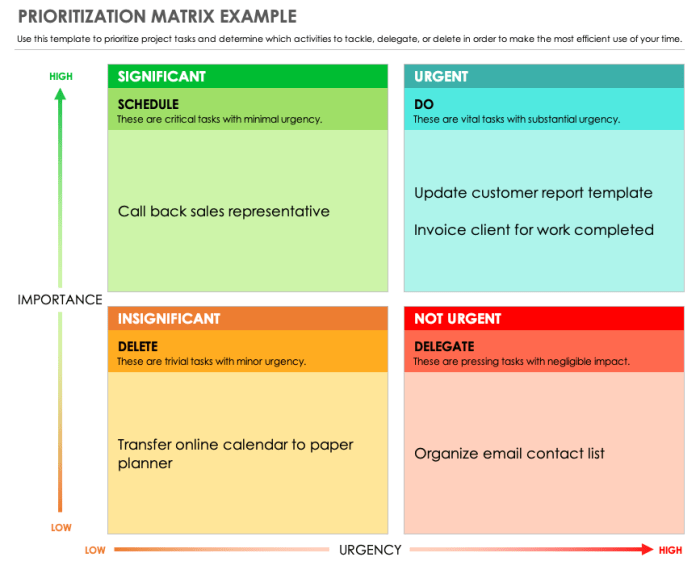
Google’s search algorithm is complex and constantly evolving. Understanding why certain types of content, particularly AI-related content, might not be prioritized requires a deep dive into the factors influencing Google’s decision-making process. While Google has publicly stated its commitment to AI, the actual implementation of that commitment within their search algorithm remains a subject of ongoing speculation.Google’s search algorithm is designed to provide the most relevant and helpful information to users.
This includes considering factors like content quality, user engagement, and the overall value proposition of the information. The prioritization of AI content is likely a multifaceted problem with several possible explanations, ranging from market trends and user needs to potential conflicts between business goals and the creation of AI content.
Market Trends and User Needs
Understanding the shifting landscape of user search queries and information needs is crucial. Market trends in AI are constantly evolving. New breakthroughs and applications emerge rapidly, while others fade into obscurity. User needs in the AI field are also dynamic. Early adopters may seek advanced technical details, while casual users might look for simplified explanations and practical applications.
Google’s algorithm might be adjusting to this fluctuating demand, prioritizing content that better addresses the current user needs, rather than a specific, niche interest in AI.
Potential Conflicts Between Business Goals and AI Content Creation
Google’s primary business goal is to maximize user engagement and revenue. Creating and maintaining high-quality AI content requires significant resources, both in terms of human expertise and computational power. Prioritizing such content might conflict with other business priorities, such as generating advertising revenue or improving core search functionality. The potential return on investment for AI-focused content might be difficult to quantify and predict, thus hindering its prioritization.
Technical Challenges in AI Content Creation and Curation
The creation and curation of AI content present specific technical challenges. Verifying the accuracy and reliability of AI-generated information is a significant hurdle. Ensuring the ethical implications of the content are addressed is equally important. Determining the appropriate level of detail and technical jargon for different user segments is another consideration. The sheer volume of information available on AI makes it challenging to curate and organize effectively.
A sophisticated algorithm might struggle to filter through this vast amount of data.
Ethical Concerns Regarding AI Content
The ethical implications of AI content are substantial. Bias in AI algorithms, misinformation, and the potential for misuse are crucial concerns. Google might prioritize content that adheres to its ethical guidelines, ensuring that AI information is presented accurately and responsibly. The potential for harm from incorrect or misleading AI content could be a factor in prioritizing other types of content.
Potential Reasons for Lack of AI Content Prioritization
| Category | Potential Reason |
|---|---|
| Market Trends | Rapid evolution of AI, fluctuating user needs, difficulty in predicting long-term trends |
| User Needs | Diverse user needs regarding AI content (technical details, practical applications, simplified explanations), potentially mismatched with current content |
| Business Goals | Prioritizing other revenue streams (e.g., advertising), difficulty in quantifying ROI of AI-focused content |
| Technical Challenges | Difficulty in verifying accuracy, ensuring ethical considerations, managing volume of AI-related information |
| Ethical Concerns | Potential for bias, misinformation, misuse, and lack of responsible content presentation |
Alternative Approaches to AI Content Creation
Google’s current approach to AI content might not be fully optimized for both creation and consumption. This section explores alternative frameworks for prioritizing AI content, evaluating its quality, and addressing the needs of both creators and consumers. A shift in focus from simply quantity to quality and relevance is crucial.This discussion delves into potential frameworks for AI content prioritization, moving beyond basic metrics to encompass more nuanced factors.
We’ll explore examples of alternative models for evaluating and disseminating AI content, and how Google can better support creators and consumers in this evolving landscape. Ultimately, the goal is to cultivate a more robust and reliable AI content ecosystem.
Prioritization Framework Based on Metrics
Different metrics are needed to evaluate the quality and relevance of AI-generated content. A rigid framework is crucial to assess various factors that contribute to overall content value. Simple volume measures are insufficient.
- Accuracy and Factuality: AI models must be rigorously tested for accuracy and adherence to factual information. This includes evaluating the sources the model uses and cross-referencing the data with established knowledge bases. For example, a model generating historical events must have access to credible historical records and avoid factual errors.
- Originality and Uniqueness: AI content should be evaluated not just for factual accuracy, but also for its unique insights and perspectives. This involves comparing the output to existing knowledge and identifying areas where the AI model provides novel or unexpected information. A model that simply rehashes existing information will not be as valuable as one that synthesizes information in new ways.
- Clarity and Readability: The clarity and readability of AI-generated content are essential. The output must be well-structured, easy to understand, and free of jargon or complex technical terms. Clear and concise language is key to engaging readers and conveying information effectively.
- Relevance and Timeliness: The content’s relevance to current events and user needs is crucial. Models should be updated with current information to avoid outdated or irrelevant data. This also applies to specific user queries.
- Engagement and User Interaction: AI content should be designed to spark discussion, encourage interaction, and create a positive user experience. Measures of user engagement, such as comments, shares, and time spent on the content, can help evaluate its effectiveness.
Alternative Models for Evaluating and Disseminating AI Content
Traditional methods of evaluating content, often based on human judgment, are not always sufficient for AI-generated content. New models are needed that address the specific characteristics of AI outputs.
- Peer Review Systems for AI Content: Establish a system where AI-generated content is reviewed by a panel of experts in the relevant field. This could include domain experts and content specialists. This is similar to peer review processes used in academic publishing.
- Automated Fact-Checking and Verification Tools: Integrate AI-powered fact-checking tools to verify the accuracy and reliability of AI-generated information. These tools should compare the generated content to a database of verified information.
- Content Provenance Tracking: Track the sources and data used by the AI model in generating the content. This allows users to trace the origin of the information and understand the model’s reasoning process.
- Interactive Feedback Loops: Allow users to provide feedback on AI-generated content. This feedback can be used to improve the model’s performance and tailor the content to user needs. This is similar to beta testing software.
Addressing Needs of AI Content Creators and Consumers
Google can create a supportive environment for both AI content creators and consumers. This involves providing tools, resources, and a platform that allows for transparent evaluation and engagement.
- Training and Development Programs for AI Content Creators: Offer training programs and resources to help AI content creators understand best practices for generating high-quality and reliable content.
- User-Friendly Platforms for AI Content Consumption: Develop platforms that clearly distinguish AI-generated content from human-generated content, providing clear labeling and disclosure. This helps consumers make informed decisions.
- Clear Guidelines and Standards for AI Content: Establish clear guidelines and standards for the development and use of AI-generated content. This includes guidelines for accuracy, originality, and ethical considerations.
Evaluating Quality and Relevance of AI Content
This requires a multi-faceted approach. The quality and relevance of AI content should be judged on factors beyond simple metrics.
| Evaluation Model | Description | Strengths | Weaknesses |
|---|---|---|---|
| Expert Review Panel | Content reviewed by subject matter experts. | High accuracy, nuanced assessment. | Time-consuming, potentially biased. |
| Automated Fact-Checking | AI tools verify factual accuracy. | Fast, scalable, objective. | May miss subtle inaccuracies, limited understanding of context. |
| Content Provenance Tracking | Traces sources and data used by AI model. | Transparency, accountability. | Requires robust data management. |
| User Feedback Loops | Users provide feedback on content. | Adaptive, responsive to user needs. | Feedback quality varies, potential for manipulation. |
Google’s Content Creation Process & Evaluation Metrics
Google’s AI initiatives are multifaceted, spanning from search algorithms to generative AI models. Understanding how Google creates and evaluates content for these diverse AI products is crucial to comprehending its approach to this rapidly evolving field. This analysis will explore Google’s internal processes, focusing on the methodology behind its AI content creation and the metrics employed to assess its value and effectiveness.Google’s AI content creation isn’t a monolithic process.
Different teams and departments handle various AI projects, from developing new algorithms to crafting user-facing documentation and tutorials. This often involves iterative cycles of experimentation, testing, and refinement, with a strong emphasis on user feedback and data-driven analysis.
Google’s seeming lack of prioritizing AI content is intriguing. Perhaps it’s a calculated move, or maybe they’re just playing catch-up with the rapidly evolving tech landscape. Interestingly, growth natives like those listed among top B2B service providers on Upcity ( growth natives among top b2b service providers on upcity ) are finding ways to capitalize on the opportunities AI presents.
This suggests a possible gap in the market, or maybe Google’s approach is just a different strategy altogether. Ultimately, there’s still much to unpack about Google’s AI priorities.
Content Creation Process Overview
Google employs a multifaceted approach to AI content creation, often involving cross-functional teams. Initial stages typically focus on defining the target audience and the specific knowledge gap the content aims to address. This phase involves rigorous research, competitive analysis, and understanding the potential impact on user experience.
Content Creation Stages and Associated Metrics
| Stage | Description | Key Metrics |
|---|---|---|
| Ideation & Planning | Identifying the need, defining the target audience, and outlining the content’s scope. This stage includes market research, competitor analysis, and internal review. | Market share analysis, user feedback from surveys, competitive landscape analysis. |
| Content Development | Creating various forms of content, including articles, tutorials, documentation, and training materials, depending on the AI product. This includes technical specifications, use cases, and user guides. | Technical accuracy, completeness of information, clarity and conciseness, user satisfaction based on feedback forms. |
| Testing & Iteration | Rigorous testing of the content’s effectiveness, usability, and user engagement. This stage involves A/B testing, user feedback collection, and internal reviews. | Conversion rates, user engagement metrics (time spent on page, click-through rates), error rates in AI system usage, user satisfaction scores, and the rate of adoption. |
| Deployment & Monitoring | Deploying the AI content to the appropriate channels and continuously monitoring its performance. This includes tracking user feedback, identifying areas for improvement, and updating the content as needed. | User feedback reports, traffic analysis, content usage metrics, search ranking for related s. |
Evaluation Metrics for AI Content, Why google doesnt prioritize ai content a closer look
Google likely employs a variety of metrics to evaluate the effectiveness of its AI content. These metrics go beyond simple click-through rates and encompass user engagement, technical accuracy, and alignment with Google’s broader AI strategy.The effectiveness of AI content is judged based on a comprehensive set of metrics, encompassing technical accuracy, user experience, and overall impact on user behavior.
Quantitative data, such as user engagement and adoption rates, are complemented by qualitative feedback from users and internal reviewers.
Examples of Google’s AI Content Evaluation
For example, Google’s documentation on its AI-powered image recognition technology might be evaluated based on its clarity, the accuracy of the technical details, and the ease with which users can understand and utilize the tools. Feedback from developers and data scientists would be critical for assessing the technical accuracy of the content.
Potential Gaps in Google’s Content Creation & Evaluation
While Google likely has robust processes, there might be gaps. For example, the rapidly evolving nature of AI might necessitate more frequent updates and revisions to content, and a lack of readily available and easily accessible feedback channels from specific user groups might hinder the accuracy of evaluation metrics. A potential gap also lies in measuring the long-term impact of AI content on user behavior and the overall AI ecosystem.
Digging into why Google might not prioritize AI content reveals a fascinating interplay of factors. Perhaps they’re focusing on different metrics, or maybe the current AI content creation tools simply aren’t producing the quality of human-written content that Google values. Understanding how to effectively monitor and measure social media engagement is key, and tools like the ones discussed at how to monitor measure social media could provide valuable insights into content performance.
Ultimately, a deeper dive into Google’s algorithms and their evolving priorities is needed to fully understand this dynamic.
User Perception & Demand for AI Content: Why Google Doesnt Prioritize Ai Content A Closer Look
User perception of AI content is multifaceted and evolving rapidly. While some view AI-generated content as a revolutionary tool, others express skepticism or concern about its authenticity and impact. Understanding these perceptions is crucial for Google to effectively tailor its AI content strategy to meet user needs and expectations.User engagement with AI content is influenced by various factors, including the perceived quality, originality, and usefulness of the information.
Different user groups have varying preferences and demands for AI content, demanding a nuanced approach to content creation and dissemination. Google needs to adapt its content strategies to cater to this diverse landscape.
User Perceptions of AI Content
User perceptions of AI content are influenced by factors such as perceived quality, originality, and usefulness. Trust in the source and the perceived potential impact of the content also play a crucial role. Some users are highly receptive to AI-generated content, while others remain skeptical due to concerns about potential biases or lack of human oversight. User perception is constantly changing and Google must remain vigilant in monitoring and responding to these evolving trends.

Types of AI Content in Demand
The demand for AI content varies widely, encompassing diverse categories. Users seek AI-generated summaries of complex topics, creative writing, personalized educational materials, and interactive experiences. Specific demand also exists for AI-powered tools that automate tasks or provide tailored solutions. Understanding these different types of content helps Google tailor its AI content strategy.
Data on User Preferences and Engagement
Quantitative data on user preferences and engagement with AI content is essential to understand the demand. While comprehensive data is not readily available, surveys and analytics from platforms using AI content generation can provide insights. For instance, a study by [Insert reputable source] might show that users prefer concise and informative AI summaries over lengthy, less-structured content. Google should leverage existing data to understand user behavior and adapt its strategies accordingly.
User Feedback and Google’s Content Strategy
User feedback plays a critical role in shaping Google’s content strategy. Monitoring user interactions with AI-generated content through various feedback mechanisms, including comments, ratings, and reported issues, is vital. Google should actively seek and analyze user feedback to identify areas for improvement and refinement of its AI content strategies. A consistent feedback loop ensures that AI content aligns with user needs and expectations.
Survey Design for User Feedback
A comprehensive survey designed to gather user feedback on AI content preferences will help tailor Google’s content strategy. The survey should target a broad spectrum of users with varying backgrounds and interests to obtain a representative sample. The survey questions should address the following key aspects:
- Content Type Preferences: What types of AI-generated content are most useful and engaging for you?
- Content Quality Assessment: How do you assess the quality and credibility of AI-generated content?
- Interaction Preferences: How do you prefer to interact with AI-generated content?
- Overall Satisfaction: What is your overall satisfaction with the AI-generated content you have encountered?
The survey should also incorporate open-ended questions to allow users to provide detailed feedback and suggestions. This detailed feedback will be instrumental in guiding Google’s approach to AI content.
Future of AI Content at Google

Google’s approach to AI content is likely to undergo significant shifts in the near future, driven by evolving user needs and technological advancements. The company’s current strategy, while perhaps not prominently featuring AI-generated content, is likely a calculated response to the market and a careful evaluation of potential benefits and drawbacks. Google is known for its data-driven decision-making, and this approach will likely continue to influence their future content strategies, incorporating AI in more sophisticated and integrated ways.The burgeoning field of AI, with its capacity for rapid innovation, will undoubtedly shape Google’s content strategies.
Emerging trends like large language models, multimodal AI, and personalized learning algorithms are poised to transform how information is created, consumed, and disseminated. Google, as a leader in search and information technology, is well-positioned to capitalize on these advancements, potentially integrating AI into their core services in more pronounced ways.
Potential Changes in Google’s Approach
Google’s future AI content strategy will likely focus on enhanced personalization and automation. Instead of simply generating content, Google might leverage AI to curate and synthesize information from various sources, creating tailored experiences for individual users. This could involve AI-powered summarization tools for complex research papers, or customized learning paths based on user preferences and performance. They might also employ AI to proactively identify and address misinformation, ensuring greater reliability and trustworthiness of the information presented.
Emerging Trends Affecting Content Strategies
The rise of multimodal AI will be particularly influential. Google might integrate AI models that understand and process not just text, but also images, videos, and audio. This could lead to a more comprehensive and interactive search experience, where users can query with diverse input types, resulting in more insightful and contextually relevant results. Furthermore, advancements in personalized learning will allow Google to develop AI-powered tools for education and skill development, creating dynamic and adaptable learning environments.
Adaptation to Future User Needs
Google’s future approach to AI content will likely adapt to evolving user needs, recognizing the increasing demand for concise, accurate, and easily digestible information. AI can play a crucial role in meeting these needs, generating summaries, creating visual representations of data, and translating information into different formats to suit various learning styles. Furthermore, Google might anticipate future user preferences and proactively adapt its AI-powered tools and services to meet those evolving needs.
Role of AI in Influencing Future Content Strategies
AI’s influence on future content strategies will be profound. It will likely automate many aspects of content creation, from initial drafting to final editing. AI-powered tools could generate initial drafts for articles, identify potential biases, and translate content into multiple languages. Moreover, AI will likely play a critical role in evaluating and prioritizing content, using sophisticated algorithms to identify high-quality, relevant, and reliable information for users.
“In the near future, Google might transition from a primarily human-driven content creation model to one that leverages AI for automated curation, synthesis, and personalization. This could result in a more streamlined and comprehensive information ecosystem, better tailored to individual user needs and preferences.”
Illustrative Examples of AI Content
AI content, ranging from introductory tutorials to in-depth technical documentation, plays a crucial role in bridging the gap between complex AI concepts and everyday users. Effective AI content empowers users to understand, utilize, and contribute to the advancement of AI technologies. This section will showcase diverse examples of AI content, highlighting their potential benefits and drawbacks.
AI Tutorials
AI tutorials are essential for beginners, providing step-by-step instructions and explanations. They are valuable for individuals seeking to learn about specific AI tools or techniques. Well-structured tutorials often incorporate interactive elements, allowing learners to practice and reinforce their understanding. For example, a tutorial on using a particular AI image generation tool would guide users through the process of uploading images, adjusting parameters, and generating new outputs.
The benefit is clear accessibility to new tools. However, tutorials can sometimes be too simplistic, neglecting crucial details or advanced concepts.
AI Articles
Articles provide a more in-depth exploration of AI topics. They often analyze current trends, discuss specific research findings, or offer perspectives on the broader implications of AI. An article on the ethical considerations of AI-driven facial recognition would analyze potential biases and risks. The benefit is in-depth knowledge sharing and nuanced discussion. A drawback might be the technical jargon, making the content inaccessible to a wider audience.
AI Documentation
Comprehensive documentation is crucial for developers and engineers working with AI systems. It includes detailed explanations of APIs, libraries, and frameworks. A robust AI library documentation would explain parameters, return values, and error handling. The benefit is the precision needed by developers and engineers to understand how to use specific tools. The drawback is that the documentation might be overwhelming for non-technical audiences.
AI Case Studies
Case studies demonstrate real-world applications of AI. They describe specific problems solved using AI and analyze the results. A case study on the use of AI in fraud detection would detail the methodology, outcomes, and potential improvements. The benefit is practical insights into AI application. The drawback is that a single case study might not be representative of the broader AI landscape.
Table Comparing and Contrasting AI Content Types
| Content Type | Description | Use Cases | Benefits | Drawbacks |
|---|---|---|---|---|
| AI Tutorials | Step-by-step instructions for learning AI tools. | Beginner education, skill development | Accessibility, clear learning path | Potential oversimplification, limited depth |
| AI Articles | In-depth analysis of AI topics and trends. | Current research, ethical considerations | Nuanced discussion, broader context | Jargon-heavy, may not be accessible to all |
| AI Documentation | Detailed explanations of AI APIs and libraries. | Software development, engineering | Precise technical information | Complex for non-technical audiences |
| AI Case Studies | Real-world applications of AI solutions. | Problem-solving, demonstration of impact | Practical insights, tangible results | Limited scope, potential bias |
Last Recap
In conclusion, the lack of prioritized AI content from Google likely stems from a complex interplay of strategic choices, market forces, and internal considerations. While Google’s current approach may seem suboptimal to some, it is crucial to understand the underlying motivations. Alternative approaches and future trends are also explored, potentially offering insights into how Google could adjust its strategy to better serve the needs of AI content creators and consumers.
Ultimately, the future of AI content at Google remains uncertain but holds potential for significant evolution.