
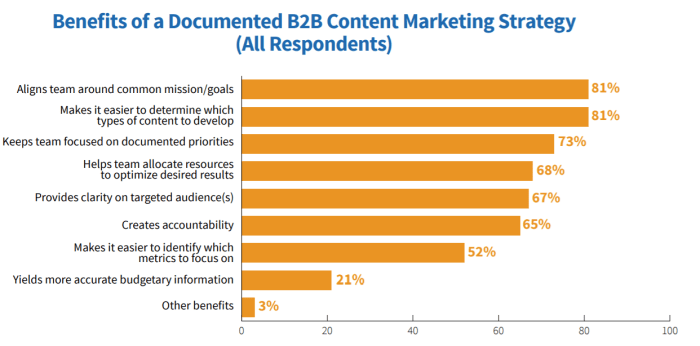
Why content strategy matters most is a fundamental question for any business seeking online success. It’s not just about creating pretty posts; it’s about understanding your audience, crafting compelling narratives, and aligning your content with your overall business goals. This deep dive explores the crucial elements of a winning content strategy, from defining it to measuring its impact and ensuring its long-term sustainability.
Content strategy isn’t a fleeting trend; it’s a powerful tool for establishing a strong online presence. By thoughtfully planning and executing a content strategy, businesses can foster deeper connections with their audience, drive significant growth, and achieve lasting results. It’s about creating a consistent flow of valuable content that resonates with your target audience, ultimately driving conversions and boosting your bottom line.
Defining Content Strategy
Content strategy is the art and science of planning, creating, and distributing valuable content to achieve specific business objectives. It’s not just about producing pretty articles or engaging social media posts; it’s about understanding your audience, defining your goals, and aligning your content with those objectives. It’s a holistic approach that ensures every piece of content contributes to the overall success of your business.A strong content strategy acts as a roadmap, guiding your content creation efforts and ensuring consistency across all platforms.
It involves careful consideration of your target audience, their needs, and the most effective channels for reaching them. This meticulous approach results in a more targeted and impactful content delivery, leading to increased engagement and better business outcomes.
Core Components of a Strong Content Strategy
A robust content strategy encompasses several key elements. These elements, when combined effectively, create a powerful engine for driving business growth.
- Target Audience Definition: Understanding your ideal customer is crucial. This includes demographics, psychographics, interests, and online behavior. Thorough audience research allows for the creation of highly relevant and engaging content that resonates with your target audience.
- Clear Business Objectives: Content strategy should directly support your overall business goals. This could include increasing brand awareness, generating leads, driving sales, or improving customer retention. Defining these objectives provides a clear direction for all content creation activities.
- Content Pillars and Themes: Identifying key themes and topics related to your business allows for focused content creation. This ensures that your content is consistent and contributes to a unified brand message. Content pillars provide a structured approach to topic creation.
- Content Calendar and Workflow: A well-organized content calendar ensures consistent content production and distribution. It also helps to manage resources effectively. A clear workflow Artikels the steps involved in creating, editing, and publishing content, ensuring efficiency and quality control.
- Content Measurement and Analysis: Tracking key metrics, such as website traffic, engagement rates, and conversions, is essential for understanding the effectiveness of your content strategy. This data allows you to refine your approach over time and optimize your content for maximum impact.
Relationship Between Content Strategy and Business Objectives
A strong content strategy is intrinsically linked to achieving business objectives. Effective content attracts the right audience, builds brand awareness, and drives desired actions, such as purchases or lead generation.
- Brand Awareness: Consistent, high-quality content can significantly improve brand awareness by positioning your company as a thought leader and expert in your field.
- Lead Generation: Targeted content can attract potential customers and convert them into leads by offering valuable information and resources.
- Customer Engagement: Engaging content can foster deeper relationships with customers, improving loyalty and retention.
- Sales Growth: Content designed to address customer needs and pain points can ultimately drive sales by positioning your products or services as the solution to those problems.
Examples of Effective Content Strategies
Effective content strategies vary across industries, adapting to the specific needs and characteristics of each.
- E-commerce: E-commerce businesses often use blog posts, product demos, and customer testimonials to drive sales and build trust.
- Software Companies: Software companies leverage case studies, tutorials, and webinars to demonstrate the value of their products and attract potential customers.
- Education Institutions: Educational institutions often use blog posts, podcasts, and online courses to promote their programs and attract students.
Key Differences Between a Weak and Strong Content Strategy
The effectiveness of a content strategy hinges on its quality and alignment with business objectives.
Strong content strategy is crucial for any business, big or small. It’s the bedrock of attracting and engaging your audience. This directly impacts your visibility in local search results, making local SEO a vital component. Understanding how to optimize your online presence for local searches, like through local SEO important business , is key to reaching your target customers in your area.
Ultimately, a robust content strategy, incorporating local SEO best practices, leads to a more successful and profitable business.
| Characteristic | Weak Content Strategy | Strong Content Strategy |
|---|---|---|
| Audience Understanding | Limited or superficial understanding of target audience needs and behaviors. | Deep understanding of target audience, including demographics, psychographics, and online behavior. |
| Business Alignment | Content creation lacks clear connection to business goals. | Content creation directly supports specific business objectives. |
| Content Quality | Irrelevant, poorly written, or unengaging content. | High-quality, engaging, and relevant content. |
| Measurement & Analysis | Lack of content measurement and analysis. | Thorough tracking of content performance and continuous improvement. |
| Consistency | Inconsistent or sporadic content creation. | Consistent and strategic content creation schedule. |
Benefits of a Solid Content Strategy
A well-defined content strategy is no longer a luxury, but a necessity for businesses aiming to thrive in today’s competitive landscape. It’s a roadmap that guides content creation, ensuring alignment with overall business goals and target audience needs. A strong content strategy delivers tangible results, fostering brand loyalty, driving engagement, and ultimately, boosting revenue.A comprehensive content strategy empowers businesses to understand their audience, anticipate their needs, and create valuable content that resonates with them.
This proactive approach translates into higher brand visibility, stronger customer relationships, and increased conversions. It’s about more than just producing content; it’s about crafting a narrative that connects with your target audience on an emotional level, building trust, and driving action.
Improved Brand Awareness
A well-structured content strategy significantly enhances brand awareness. By consistently publishing valuable and relevant content across various channels, businesses establish a strong online presence. This consistent output positions the brand as a thought leader and authority in its industry. Regular engagement with the target audience through insightful content builds familiarity and trust. Content that addresses customer questions and provides valuable solutions establishes a positive brand image, ultimately leading to increased recognition and market share.
Enhanced Customer Engagement
Content strategy plays a crucial role in fostering customer engagement. Engaging content, such as interactive quizzes, polls, and contests, encourages active participation from the audience. By creating content that sparks conversations and encourages feedback, businesses cultivate a loyal community around their brand. This fosters stronger relationships, allowing businesses to understand customer needs and preferences more deeply, ultimately driving brand advocacy and positive word-of-mouth marketing.
Driving Conversions
Content strategy directly impacts conversion rates. By strategically creating content that addresses specific customer pain points and offers solutions, businesses can guide prospects through the sales funnel. Informative blog posts, detailed product descriptions, and persuasive landing pages can transform website visitors into paying customers. This targeted approach ensures that content not only attracts attention but also motivates action.
Content strategy is crucial because it forms the foundation of any successful online presence. It dictates what you’re saying, to whom, and how. A well-thought-out strategy, combined with the right speed in link building, is key to getting your content seen. Understanding optimum link building speed helps you strategically acquire high-quality backlinks, which in turn improves your search engine rankings and overall visibility.
Ultimately, a solid content strategy, with efficient link building, is the most effective way to achieve your online goals.
For example, a blog post about a common customer problem followed by a call-to-action to download a helpful resource significantly increases the likelihood of lead generation.
Quantifiable Results of a Good Content Strategy
A well-implemented content strategy delivers quantifiable results. The following table demonstrates the potential impact on key performance indicators (KPIs):
| KPI | Potential Impact |
|---|---|
| Website Traffic | Significant increase in unique visitors and page views. For example, a 50% increase in monthly website visits in the first six months of implementing a content strategy. |
| Lead Generation | Higher quality leads and increased lead volume. For instance, a 30% increase in qualified leads generated from targeted content marketing. |
| Sales Conversions | Directly boosts sales by converting leads into paying customers. For example, a 15% increase in sales revenue within a year of a robust content strategy implementation. |
| Customer Lifetime Value (CLTV) | Increased customer retention and loyalty, leading to higher CLTV. For example, a 20% increase in CLTV due to improved customer engagement and brand advocacy. |
Content Strategy & Customer Journey Mapping
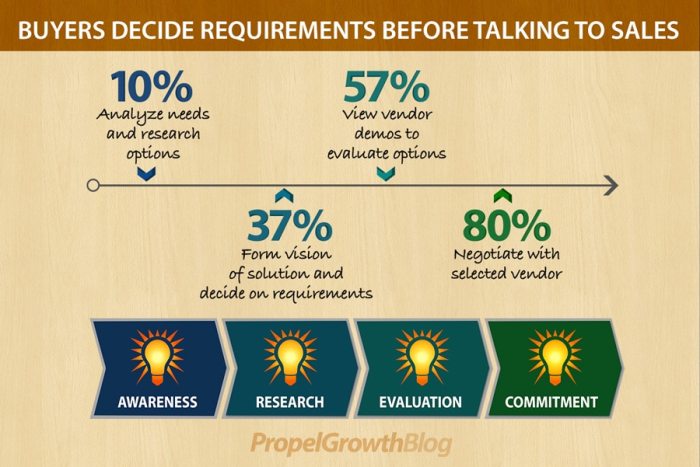
A strong content strategy isn’t just about creating great content; it’s about understanding your audience’s needs and guiding them through a meaningful experience. This crucial connection is forged through aligning your content with the customer journey. By mapping out the different stages of a customer’s interaction with your brand, you can tailor content to address their specific needs and desires at each step.Effective content strategy anticipates and addresses customer pain points and aspirations, nurturing a relationship that translates into loyalty and conversions.
This understanding allows you to provide relevant and valuable content that resonates with each stage of the journey.
Understanding the Customer Journey
Content strategy needs to be deeply integrated with a customer’s journey, from initial awareness to final purchase. Understanding how customers move through these stages allows businesses to craft content that speaks directly to their needs and pain points at each juncture. This targeted approach is far more effective than a one-size-fits-all strategy.
Content Tailored to Different Stages
Content should evolve as the customer progresses through their journey. Initial awareness requires introductory content, while consideration necessitates detailed product information and comparison guides. Conversion and retention stages demand content that builds trust and encourages loyalty.
- Awareness Stage: This stage is about raising awareness of your brand and its offerings. Content focuses on educating the audience about your products or services and establishing your expertise. Examples include blog posts, articles, social media updates, and informative videos that introduce the core value proposition.
- Consideration Stage: Here, customers actively research and compare options. They need more detailed information and evidence of your value. Content examples include case studies, product demos, comparisons with competitors, pricing information, testimonials, and webinars.
- Decision Stage: This is the critical moment where customers make a purchasing decision. Content needs to address remaining concerns, offer clear calls to action, and build trust. Examples include product pages, detailed FAQs, and personalized recommendations.
- Action/Retention Stage: After the purchase, you want to keep the customer engaged and encourage repeat business. This stage focuses on fostering loyalty. Content might include product tutorials, success stories, exclusive offers, and community forums.
Addressing Customer Pain Points and Desires, Why content strategy matters most
Recognizing and addressing customer pain points is crucial for a successful content strategy. Understanding what challenges your customers face, and how your product or service can alleviate them, is key to building trust and creating valuable content. This also includes anticipating their desires and providing content that resonates with their aspirations.
- Pain Points: Identifying customer pain points is essential to crafting content that addresses those issues. Examples include difficulty using a product, lack of understanding about a specific topic, or feeling uncertain about the purchase decision. Content can offer solutions and guidance to alleviate these issues.
- Desires: Understanding customer desires is just as important. Content can highlight how your product or service can help customers achieve their goals or fulfill their aspirations. For example, a desire for efficiency can be addressed with content demonstrating how a product streamlines workflows.
Illustrative Customer Journey Flowchart
This flowchart illustrates how content supports the customer journey at each stage. Note that this is a general example and will vary based on the specific product or service.
(Imagine a flowchart here. It would depict a customer journey with stages: Awareness, Consideration, Decision, Action/Retention. Each stage would have arrows leading to different content types, such as blog posts, product demos, testimonials, etc. The arrows would indicate how the content supports the customer at each step.)
A visual representation would clarify the flow of a customer’s journey and how content strategically guides them towards the desired outcome.
Content Strategy & Competitive Analysis: Why Content Strategy Matters Most
Knowing your competitors is crucial for crafting a successful content strategy. It’s not enough to simply create compelling content; you need to understand what’s already working in your industry and identify opportunities to stand out. A thorough competitive analysis informs every aspect of your content creation, from selection to tone of voice, ultimately leading to a more targeted and effective approach.A strong content strategy isn’t just about producing content; it’s about understanding your audience and your competitors.
By examining their strategies, you can identify gaps in the market and tailor your content to fill those gaps, establishing your brand as a leader in the space. This analysis empowers your content to resonate more deeply with your target audience and gain a competitive edge.
Importance of Competitor Analysis
Competitor analysis provides valuable insights into the content landscape. Understanding your competitors’ strengths and weaknesses allows you to differentiate your content and resonate with your target audience. This understanding can also help identify gaps in the market that your content can fill. It’s not about copying what others do, but about using their strategies as a benchmark to create something even better.
Identifying Competitor Content Strengths and Weaknesses
A comprehensive competitor analysis requires a systematic approach. Begin by identifying your key competitors. Analyze their content pieces, evaluating their quality, engagement metrics, and overall impact. Look for patterns in their content creation and distribution. This systematic review should include examining their target audience, content format, tone of voice, and overall brand image.
Consider factors such as the depth and originality of their content, the clarity and conciseness of their writing, and the effectiveness of their calls to action. This detailed examination will highlight strengths and weaknesses. Document your findings in a structured manner.
Adapting Your Content Strategy Based on Competitor Analysis
After identifying strengths and weaknesses, tailor your content strategy to capitalize on opportunities and address any shortcomings. If a competitor excels at in-depth articles, consider creating more comprehensive resources. If they lack visuals, incorporate more images and videos into your strategy. Adapt your content to align with the best practices you’ve observed in successful competitors while adding your unique touch.
Content strategy is key for any successful marketing effort, and that’s especially true when targeting a specific audience like bariatric patients. Understanding their journey is crucial, and a great resource for this is the marketing roadmap offered by understanding the bariatric patient journey a marketing roadmap. By tailoring your content to their needs and pain points, you’re creating a stronger connection and ultimately, a more effective marketing approach.
This thoughtful strategy is the bedrock of any campaign aiming to truly resonate.
This adaptation allows for a more nuanced approach.
Differentiation Strategies
Differentiation is key to standing out in a crowded market. Consider these approaches:
- Unique Perspective: Offer a fresh angle on familiar topics, bringing unique insights and expertise to your content.
- High-Quality Visuals: Invest in professional-quality images and videos to enhance the visual appeal of your content and elevate it beyond the standard.
- Interactive Content: Incorporate quizzes, polls, and interactive infographics to boost engagement and create a more dynamic experience for your audience.
- Exclusive Content: Create content that’s exclusive to your brand, such as behind-the-scenes glimpses, interviews, or premium reports. This builds a sense of exclusivity and value for your audience.
These strategies can help you carve out a unique position in the market and attract a loyal audience.
Comparative Analysis Table
This table provides a snapshot of your content strategy compared to key competitors.
| Metric | Your Content Strategy | Competitor A | Competitor B | Competitor C |
|---|---|---|---|---|
| Target Audience | (Describe your target audience) | (Describe Competitor A’s target audience) | (Describe Competitor B’s target audience) | (Describe Competitor C’s target audience) |
| Content Format | (Describe your content format, e.g., blog posts, videos) | (Describe Competitor A’s content format) | (Describe Competitor B’s content format) | (Describe Competitor C’s content format) |
| Tone of Voice | (Describe your content tone) | (Describe Competitor A’s content tone) | (Describe Competitor B’s content tone) | (Describe Competitor C’s content tone) |
| Content Pillars | (List your content pillars) | (List Competitor A’s content pillars) | (List Competitor B’s content pillars) | (List Competitor C’s content pillars) |
This table allows for a direct comparison, aiding in strategic decision-making. Remember, this is a simplified example; a comprehensive analysis would involve many more metrics and a deeper dive into each competitor’s strategy.
Content Strategy & Measurement
A successful content strategy isn’t just about creating compelling content; it’s about understanding its impact. Measurement provides the crucial data to refine your approach, identify what resonates with your audience, and optimize future efforts. Tracking and analyzing content performance allows you to see which strategies are working and which need adjustments. This ultimately translates to a more effective and profitable content marketing program.Effective measurement goes beyond simply counting views.
It involves digging deeper into the data to understand
- why* certain content performs well and
- how* that performance can be replicated or improved. This data-driven approach is essential for achieving long-term content marketing success.

Key Metrics for Evaluating Content Performance
Understanding the effectiveness of your content requires focusing on specific metrics. These metrics provide a comprehensive view of content performance, ranging from initial engagement to long-term impact. A good mix of metrics allows for a well-rounded evaluation.
- Website Traffic: Analyzing website traffic provides insight into the reach and visibility of your content. Tracking metrics like unique visitors, page views, bounce rate, and time on page offers a valuable understanding of audience engagement with specific pieces.
- Engagement Metrics: These metrics, including likes, shares, comments, and social media interactions, demonstrate how well your content resonates with your audience. High engagement often indicates content that is relevant, engaging, and valuable to your target demographic.
- Conversion Rates: Tracking conversions, such as sign-ups, purchases, or form submissions, directly measures the content’s impact on desired actions. A higher conversion rate suggests the content effectively drives desired user actions.
- Lead Generation: Quantifying leads generated through content is a crucial metric. This helps determine the effectiveness of content in attracting and converting potential customers. Analyzing the sources of these leads provides further insights.
- Customer Acquisition Cost (CAC): Understanding how much it costs to acquire a customer through content marketing is essential. Lower CAC values suggest a higher return on investment (ROI) for your content marketing efforts.
Tracking and Analyzing Content Data
Systematic tracking and analysis of content data is critical for optimizing future content strategies. This involves collecting, organizing, and interpreting data to gain actionable insights.
- Collecting Data: Utilize tools and platforms designed to track website traffic, social media engagement, and other relevant metrics. Tools like Google Analytics, social media analytics dashboards, and CRM systems are commonly used.
- Organizing Data: Structure the collected data into a manageable format, using spreadsheets or dedicated analytics dashboards. This ensures ease of access and interpretation.
- Interpreting Data: Analyze the collected data to identify trends, patterns, and correlations between content performance and desired outcomes. Look for insights that can be used to improve content strategy.
Improving Future Content Strategies Using Data
Using data to improve future content strategies is a continuous process. It requires analyzing trends and patterns to identify what resonates with your audience and what needs adjustments.
- Identify High-Performing Content: Determine which pieces of content have consistently generated positive results in terms of engagement, conversions, and other relevant metrics. Analyze the characteristics of these high-performing pieces.
- Identify Underperforming Content: Analyze content that hasn’t met expectations and identify the reasons for underperformance. Were the topics not engaging, or was the format inappropriate? Understand the factors contributing to lower performance.
- Adjust Content Strategy: Use the insights gained from analyzing data to adjust your content strategy. This may involve changing topics, formats, or target audiences.
- Testing and Iteration: Continuously test different approaches and iterate on your content strategy based on the results. Experiment with different formats, tones, and topics to discover what works best for your audience.
Content Strategy Performance Report Template
This template provides a structured approach to tracking and analyzing content performance.
| Content Piece | Date Published | Platform | Key Metrics | Analysis | Next Steps |
|---|---|---|---|---|---|
| Blog Post: Content Strategy for Beginners | 2024-07-20 | Blog | 1000 Views, 50 Shares, 20 Comments, 10 Leads | High engagement, strong lead generation | Replicate successful format for similar topics |
| Social Media Post: X | 2024-07-21 | 5000 Views, 100 Likes, 20 Shares | High visibility, moderate engagement | Refine caption and hashtags to enhance engagement |
Content Strategy & Platform Optimization
A strong content strategy isn’t just about creating great content; it’s about strategically placing that content where your target audience is most receptive. This means understanding the nuances of each platform and tailoring your approach to maximize impact. Knowing where your audience spends their time online is paramount to reaching them effectively.Platform-specific content strategies are crucial for maximizing engagement and achieving your marketing objectives.
Each platform possesses unique characteristics in terms of user behavior, algorithm preferences, and content formats that resonate best. Failing to adapt your content to these platform-specific dynamics can lead to reduced visibility and diminished impact.
Platform-Specific Content Strategies
Different platforms demand different content approaches. Social media, email marketing, and your website all have distinct audiences and behaviors. Therefore, the content format, tone, and even the message itself should be adjusted for each platform to ensure maximum effectiveness. This involves tailoring your content to resonate with the specific platform’s culture and user expectations.
Social Media Content Optimization
Social media algorithms prioritize content that resonates with users. Understanding these algorithms is vital for driving organic reach and engagement. Content tailored to platform-specific algorithms often performs better than generic content.
- Content Formats: Consider the diverse formats supported by each platform. Visual content like images and videos tends to perform exceptionally well on platforms like Instagram and TikTok. Thought-provoking articles and engaging stories excel on platforms like LinkedIn and Twitter. Short-form video, for example, is favored on platforms like TikTok and Instagram Reels, while in-depth articles are more suited to platforms like Medium or LinkedIn.
- Platform Algorithms: Each platform has its own algorithm. Understanding how these algorithms work is critical to success. Factors like engagement (likes, shares, comments), recency, and relevance influence visibility. By understanding and adapting to these algorithms, you can significantly improve your content’s performance.
- User Behavior: Understanding the habits and preferences of your target audience on each platform is equally important. For instance, what type of content do they typically engage with? Are they more responsive to humor, news, or educational content? Tailoring your content to match these preferences will increase engagement and conversion rates.
Email Marketing Content Optimization
Email marketing requires a different approach than social media. Email is a direct communication channel. Your content must be concise, relevant, and focused on delivering value to the recipient.
- Content Formats: Emails are best suited for announcements, promotions, and updates. Newsletters and educational content can also be highly effective. Short, impactful messages are often more engaging than lengthy articles. Clear calls to action and concise subject lines are essential.
- Personalization: Email content should be highly personalized to the recipient. Segmentation and targeted messaging based on user behavior and interests are critical to achieving high open and click-through rates.
Example Table: Optimal Content Formats for Social Media Platforms
| Platform | Optimal Content Format | Example |
|---|---|---|
| High-quality images and videos, short-form video (Reels), Stories | Product showcase, behind-the-scenes content, lifestyle images | |
| TikTok | Short-form videos, trending challenges, comedic content | Dance challenges, product demonstrations, humorous skits |
| Short, engaging tweets, trending topics, news updates | News snippets, thought-provoking statements, engaging discussions | |
| Articles, industry insights, thought leadership pieces | Expert opinions, company updates, industry news | |
| Visual content, longer-form posts, updates on personal lives | Event announcements, company news, updates on personal lives |
Content Strategy & Sustainability
A content strategy isn’t a sprint; it’s a marathon. Creating valuable, engaging content requires a long-term vision, not just short-term gains. A sustainable content strategy ensures your efforts continue to yield results over time, driving consistent growth and building a loyal audience. This involves more than just producing content; it’s about nurturing a relationship with your audience that lasts.A sustainable content strategy focuses on building a reservoir of valuable content that continually serves your audience’s needs.
This contrasts with a strategy that relies on fleeting trends or tactics that quickly lose their impact. This long-term approach not only establishes a stronger online presence but also positions your brand as a trusted authority in its field.
Long-Term Value of a Content Strategy
A well-defined content strategy offers enduring value that extends far beyond initial publications. It lays the groundwork for consistent engagement, attracting new visitors and nurturing existing ones. This, in turn, fosters brand loyalty and generates a reliable stream of organic traffic. Over time, this consistent effort builds credibility and trust, making your brand a go-to resource in your industry.
Importance of Building a Sustainable Content Strategy
A sustainable content strategy is vital for long-term success. It’s about building a foundation that can adapt to evolving trends and audience needs, ensuring your content remains relevant and impactful. This proactive approach is essential for maintaining a consistent presence and establishing your brand as a reliable source of information.
Maintaining a Consistent Brand Voice
Consistency in brand voice is crucial for building trust and recognition. A consistent brand voice creates a recognizable personality for your brand. This resonates with your audience and makes your content easily identifiable. Maintaining a consistent brand voice across all platforms helps build a recognizable presence and strengthens brand recognition.
Creating Content that Resonates Over Time
Content that resonates with audiences over time is built on understanding their needs and preferences. Content should address enduring issues and offer insightful perspectives, rather than merely following fleeting trends. This requires ongoing research to understand audience interests and to tailor content accordingly. Consider the evergreen nature of the content; what questions or topics will remain relevant for a longer period?
Creating a Content Calendar for Long-Term Strategy
A structured content calendar is essential for a sustainable content strategy. It’s a roadmap for content creation, distribution, and optimization. A well-structured content calendar helps maintain consistency and ensures that your content remains relevant and engaging.
- Content Planning Phase: Define your content pillars and themes for the year. This ensures all your content aligns with your overall strategy and long-term goals. Identify recurring topics that are relevant to your audience. This is the foundation of creating a content calendar.
- Content Creation Phase: Schedule time blocks for content creation, ensuring consistency. Utilize a variety of formats, such as blog posts, videos, infographics, and social media updates, to cater to diverse audience preferences. Develop a content calendar that is detailed and specific, outlining what type of content will be published, when, and on which platforms.
- Content Optimization Phase: Optimize content for search engines () to improve discoverability. Track and analyze the performance of your content to identify what’s working and what’s not. Use analytics tools to monitor engagement, traffic, and other relevant metrics. This feedback loop is critical for refining your content calendar over time.
- Content Promotion Phase: Plan how you will promote your content across various platforms. Engage with your audience through comments and interactions. Consider using social media scheduling tools to distribute content consistently. This will help maintain a regular posting schedule.
Concluding Remarks
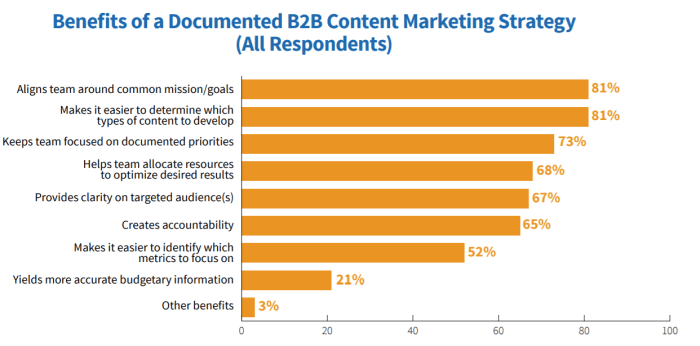
In conclusion, a well-defined content strategy is paramount for any business aiming to thrive in today’s digital landscape. From understanding your customers to analyzing your competitors, and measuring the results of your efforts, a robust content strategy empowers businesses to create meaningful connections, drive growth, and achieve lasting success. By prioritizing a sustainable approach, businesses can ensure that their content strategy continues to yield valuable returns over time.