Things Google knows about you are more extensive than you might imagine. From your search history and browsing habits to your location data and even predicted needs, Google meticulously collects and analyzes a vast amount of information to personalize your experience. This exploration delves into the methods Google employs to gather this data, the types of information it stores, and the impact this personalization has on your daily interactions with its services.
This deep dive into Google’s data collection practices, examines the types of information Google gathers, how it personalizes your experience, and the potential impact on your privacy. Understanding these processes can empower you to make informed decisions about your online presence and interactions with technology giants.
Data Collection Methods: Things Google Knows About You
Google’s vast knowledge about users stems from a complex web of data collection methods. This intricate system allows Google to tailor services and advertisements to individual preferences, but also raises concerns about privacy. Understanding how Google collects and uses this data is crucial for users to make informed decisions about their online activities.Data collection is a fundamental aspect of Google’s operations.
The company gathers a wealth of information about users through various channels and technologies. This data is then processed, analyzed, and used to improve user experiences and personalize services.
Methods of Information Gathering
Google employs a diverse array of methods to collect information about users. These methods are often interconnected and work in concert to create a comprehensive profile of each user.
- Search Queries: Users’ search queries provide a direct insight into their interests, needs, and knowledge gaps. This data reveals a wealth of information about user preferences, ranging from specific products to general topics of interest.
- Browsing History: Tracking browsing history through cookies and other technologies reveals a detailed picture of user behavior on websites. This includes the websites visited, the content interacted with, and the duration of each visit. This data is a critical component in understanding user engagement and interests.
- Location Data: Location data, obtained through GPS or IP address information, helps Google understand users’ physical location and activities. This data enables services like location-based recommendations, maps, and targeted advertising. Examples include targeted ads for restaurants or stores near a user’s current location, or recommendations for nearby events.
- App Usage Data: Data collected from apps users install on their devices, such as Google Maps or Gmail, adds another layer to user profiles. This information includes the frequency of app usage, the types of actions performed, and the data entered within the app. The data collected helps to personalize user experiences and tailor recommendations within the app.
- Device Information: Information about the device used to access Google services, including the operating system, device model, and browser type, helps tailor experiences and identify potential issues. This data allows for better platform optimization and personalized user interfaces.
Data Types Collected
Google collects a variety of data types, each contributing to a comprehensive user profile. These data points are used to personalize services and advertisements.
- Search Terms: Users’ search queries reveal their interests, needs, and information-seeking behaviors. For example, if a user frequently searches for “best running shoes,” this indicates an interest in athletic footwear.
- Website Interactions: Websites visited, pages viewed, and time spent on each page provide insight into user interests and preferences. Frequent visits to websites related to finance, for example, might suggest an interest in financial matters.
- Location History: Users’ location history, obtained through GPS or IP address data, helps Google provide location-based services and targeted advertising. This data enables services like location-based recommendations, maps, and advertisements for businesses near the user’s location.
- App Activity: App usage data, collected from various apps, provides further insights into user behavior and preferences. This data might include app usage frequency, specific actions within the app, and the data entered within the app.
Cookies and Tracking Technologies
Cookies and similar tracking technologies play a crucial role in data collection. They enable Google to identify users across different devices and services.
Cookies are small pieces of data that websites store on a user’s computer. These cookies can track user activity across different websites, enabling Google to create a comprehensive user profile. Different types of cookies serve varying purposes, some for essential website functionality and others for targeted advertising.
- Cookies enable Google to recognize returning users and personalize their experience.
- Tracking pixels are tiny graphics embedded in websites or emails that allow Google to track user interactions.
- These technologies are employed to improve services, provide targeted advertising, and enhance user experience. However, they also raise privacy concerns.
Data Aggregation and Storage
Google aggregates and stores the collected data to build a comprehensive user profile. This profile enables personalized services and targeted advertisements.
Data aggregation involves combining various data points to create a cohesive picture of the user. This combined data helps Google understand user behavior and preferences, enabling personalized experiences and targeted advertising.
Data Collection Summary
| Data Point | Source | Method |
|---|---|---|
| Search queries | Search engine | User input |
| Browsing history | Websites visited | Cookies, tracking pixels |
| Location data | GPS, IP address | Location services |
| App usage data | Installed apps | App-specific data collection |
| Device information | Device metadata | Automatic device identification |
Types of User Information

Google meticulously collects and analyzes vast amounts of user information to personalize its services and deliver targeted advertising. This data encompasses a wide range of user interactions and preferences, shaping the user experience in profound ways. Understanding the types of data collected and how it’s utilized is crucial for appreciating the scope of Google’s operations.The diverse categories of user information Google maintains, from simple search queries to complex activity patterns, are carefully considered to offer relevant and tailored experiences.
This intricate data collection and analysis process allows Google to provide personalized results, targeted advertisements, and efficient services. The implications of this data collection process for user privacy and data security are significant.
Ever wondered what Google knows about your online habits? It’s a lot, really. This information, often collected through apps, is constantly being refined and used to improve user experience. Staying on top of the latest trends in mobile app development, like those highlighted in top 12 mobile app development trends , is crucial to understanding how these apps shape our digital footprint.
Ultimately, the more we understand these trends, the better we can navigate the complex landscape of data collection and privacy in the digital world.
Search History
Google’s extensive search history data provides a detailed record of every query entered by a user. This data includes the specific s used, the frequency of searches, and the time of day searches are conducted. This information enables Google to understand user interests and preferences, ultimately leading to more relevant search results. For instance, if a user frequently searches for information about gardening, Google’s algorithms can tailor future search results to focus on gardening-related content.
Location Data, Things google knows about you
Google gathers location data from various sources, including GPS signals from mobile devices, IP addresses, and Wi-Fi connections. This data allows Google to pinpoint a user’s current location and historical movement patterns. This data enables a range of services, including location-based advertising, real-time navigation, and local search results. A user searching for “restaurants near me” will receive results specifically tailored to their current location.
User Preferences
Google’s understanding of user preferences goes beyond simple search queries. The platform collects data on various aspects of user behavior, such as preferred websites, frequently visited pages, and types of content consumed. These preferences allow for personalized recommendations and tailored experiences. For example, if a user frequently reads articles about technology, Google might recommend similar articles in the future.
User Activity Data
User activity data encompasses a wide range of interactions beyond searches and location data. This includes information on the user’s interactions with Google products, such as YouTube videos watched, Google Maps usage, and Google Docs activity. This extensive data collection allows Google to understand the full spectrum of a user’s online behavior and tailor services accordingly. For example, frequent usage of Google Translate might indicate a preference for multilingual content.
Ever wondered what Google knows about your browsing habits? It’s a lot, isn’t it? Knowing this data can be harnessed to create more efficient business processes, like automating salesforce workflows. This can be achieved by understanding how to unlock potential salesforce workflow for efficient business automation here. Ultimately, understanding the insights Google gathers about us can lead to innovative solutions in various sectors, boosting productivity and overall efficiency.
Comparison of User Information Types
| Category | Description | Potential Uses | Privacy Implications |
|---|---|---|---|
| Search history | Records of user searches | Personalized search results, targeted ads | Potential for misuse of search data, revealing private interests |
| Location data | User’s geographic location | Targeted advertising, navigation, local services | Potential for tracking and monitoring of movement, location privacy concerns |
| User Preferences | User’s preferred websites, content types | Personalized recommendations, tailored experiences | Potential for revealing sensitive information, potential for targeted advertising |
| User Activity Data | Comprehensive record of interactions with Google products | Personalized services, improved product design | Potential for broad data collection, potential for profiling users |
Personalization and Targeting

Google’s services are meticulously designed to offer personalized experiences. This involves tailoring search results, recommendations, and advertisements to individual user preferences, creating a more engaging and relevant online environment. The core of this personalization relies on extensive data collection and sophisticated algorithms that analyze user behavior to predict future needs and preferences.Google’s personalized approach goes beyond simply remembering past actions; it actively anticipates and anticipates what users might want next.
This proactive personalization allows for a more efficient and satisfying user experience, ultimately driving engagement and usage of Google’s services.
How Google Personalizes User Experiences
Google utilizes a multifaceted approach to personalize user experiences. This includes analyzing a vast array of data points, including search history, location data, browsing history across various Google services, and even interactions with other apps and websites. Sophisticated algorithms process this data, identifying patterns and preferences, and then using these insights to curate tailored content and services. The goal is to anticipate user needs before they are explicitly stated, thereby enhancing the user experience.
How Google Tailors Advertisements
Google employs sophisticated algorithms to match advertisements with user interests and needs. This process involves analyzing user search queries, browsing history, and location data to identify patterns and preferences. The goal is to deliver advertisements that are relevant to the user, increasing the likelihood of engagement and conversions.
Google knows a surprising amount about our online habits, from the searches we make to the sites we visit. Understanding this data is crucial for creating quality content that resonates with your audience. Learning how to craft engaging content that speaks directly to a target audience is key to success, whether you’re aiming to improve SEO or just get your message across clearly.
A deep dive into the “how-to” of creating quality content can be found at creating quality content what it is and how to do it. Ultimately, understanding what Google knows about your online behavior can help you create content that stands out and is more likely to be found by the right people.
How Google’s Algorithms Predict User Needs
Google’s algorithms are trained on massive datasets to identify patterns and correlations between user behavior and future needs. These algorithms use machine learning techniques to predict what users might be interested in, search for, or consume in the near future. This predictive capability allows Google to anticipate user needs and offer relevant information and recommendations. For example, if a user frequently searches for information on hiking gear and outdoor activities, the algorithm might predict their need for information on upcoming hiking trails in their location.
Examples of Google’s Services Adapting to Individual Preferences
Google’s services are designed to adapt to individual user preferences, creating a more personalized and relevant experience. The system continuously learns and refines its understanding of each user, leading to increasingly tailored recommendations and services.

Table of Personalized Features in Google Products
Impact on User Experience
Personalized services, deeply ingrained in our digital lives, profoundly impact how we interact with technology. From tailored product recommendations to customized news feeds, these services aim to enhance user experience by anticipating needs and preferences. However, this approach also presents potential downsides, which need careful consideration.Personalized services are designed to improve the efficiency and satisfaction of users by offering content and features aligned with their individual tastes.
This often translates to a more engaging and fulfilling online experience.
Personalized Recommendations
Tailored recommendations, whether for movies, music, or products, significantly influence user engagement. Users are more likely to explore and purchase items they are predisposed to enjoy, leading to increased satisfaction and higher conversion rates for businesses. This personalized approach is often more effective than generic recommendations, as it caters directly to individual preferences. A prime example is Netflix’s recommendation system, which consistently garners praise for its ability to suggest movies and shows that align with user viewing history and preferences.
Enhanced User Experience
Personalized services can elevate the user experience by streamlining interactions and anticipating needs. For instance, a personalized news feed can present articles relevant to the user’s interests, preventing the user from having to sift through irrelevant information. This efficiency boosts user satisfaction and makes online interactions more productive. Similarly, personalized settings on websites allow users to quickly adjust interfaces to match their specific preferences.
Potential Drawbacks of Personalization
While personalization enhances user experience, it also presents potential drawbacks. A significant concern is the creation of “filter bubbles,” where users are only exposed to information confirming their existing biases. This can limit exposure to diverse perspectives and hinder the development of critical thinking. Furthermore, personalized services can perpetuate existing societal biases, reinforcing inequalities if the data used to personalize is flawed or reflects existing societal biases.
This can lead to skewed representations and potentially exacerbate inequalities.
Comparison of Benefits and Drawbacks
| Benefit | Drawback |
|---|---|
| Enhanced user experience | Potential for filter bubbles and echo chambers |
| Increased efficiency | Potential for data misuse and privacy violations |
| Personalized recommendations | Loss of serendipitous discoveries |
The table above highlights the contrasting aspects of personalized services. While personalization can significantly enhance user experience, it also carries the risk of limiting exposure to diverse viewpoints and potentially perpetuating biases. Careful consideration of these trade-offs is essential for developing responsible and ethical personalization strategies.
Real-World Examples
E-commerce platforms extensively use personalized recommendations to drive sales. Amazon’s algorithm analyzes user purchase history, browsing behavior, and ratings to suggest products likely to be of interest. This targeted approach leads to higher conversion rates and increased customer satisfaction. Conversely, news aggregators, such as Google News, curate personalized feeds, which can lead to filter bubbles and limit exposure to differing viewpoints.
Privacy and Security Considerations
Google’s vast reach and collection of user data naturally raise concerns about privacy and security. Understanding the measures Google takes to protect user information, how privacy policies function, and how users can manage their data is crucial for maintaining trust and confidence. This section delves into these vital aspects, outlining Google’s approach and highlighting potential vulnerabilities.Google, as a major player in the digital landscape, recognizes the importance of user trust.
Their commitment to user privacy is demonstrated through a multifaceted approach encompassing robust security measures, transparent privacy policies, and user-control mechanisms. However, despite these efforts, the sheer volume of data collected and the ever-evolving threat landscape necessitate constant vigilance.
Google’s Data Protection Measures
Google employs a range of security measures to protect user data. These include robust encryption protocols to safeguard sensitive information during transmission and storage, access controls to limit access to data, and regular security audits to identify and address potential vulnerabilities. Furthermore, Google utilizes advanced threat detection systems to proactively identify and mitigate security threats.
Privacy Policies and Their Role
Google’s privacy policies serve as a cornerstone of its commitment to user privacy. These policies detail how Google collects, uses, and shares user data. They explain the various purposes for data collection and provide users with transparency into Google’s practices. Users can easily access and review these policies on Google’s website.
User Data Management
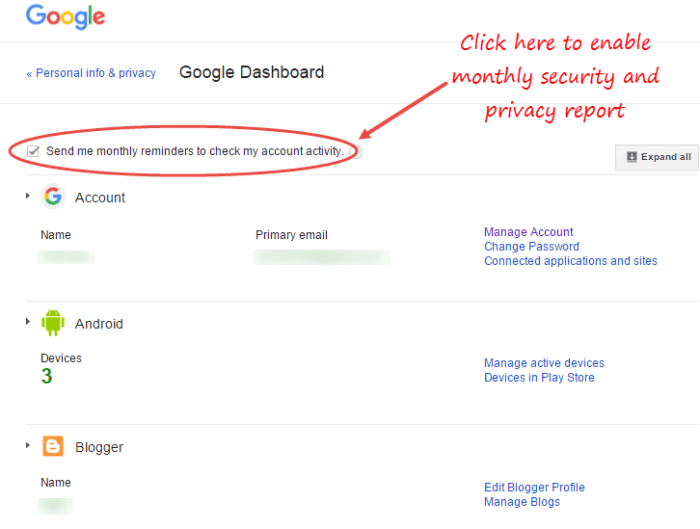
Users have significant control over their data within Google’s ecosystem. Users can access, modify, and delete their data through their Google accounts. Account settings provide tools for managing data preferences, enabling users to customize what data Google collects and how it’s used. For instance, users can adjust their location history settings or delete their search history.
Security Breaches and Their Implications
While Google strives for robust security, the digital landscape is constantly evolving, and security breaches remain a possibility. Past breaches, though often limited in scope, highlight the importance of proactive security measures and the need for constant vigilance. For example, a breach in a specific Google service might compromise user data, potentially leading to identity theft or financial fraud.
The implications of such breaches can be significant, ranging from reputational damage for Google to substantial financial and personal losses for affected users. The key takeaway is that no system is completely impenetrable.
Summary of Google’s Privacy Policies and Data Protection Measures
| Policy | Description | Implementation |
|---|---|---|
| Data deletion | Methods to remove personal data from Google’s systems. | User account settings, deletion options for specific data types. |
| Data usage | How Google uses collected data, including specific examples. | Detailed in Google’s privacy policy, outlining permissible uses. |
| Data security | Security measures to protect data, from transmission to storage. | Encryption, access controls, security audits, threat detection systems. |
Closing Notes
In conclusion, Google’s vast knowledge of its users is a direct result of sophisticated data collection and analysis. While personalization can enhance user experience, it’s crucial to be aware of the data collected, its potential uses, and the implications for privacy. This awareness allows for informed choices and helps maintain a sense of control over your online presence.