Behind the Scenes at the 2026 Emmy Awards: How Mariska Hargitay Orchestrated Taylor Swift’s Viral Law and Order Cameo

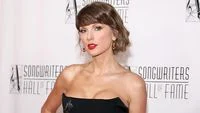
The 2026 Emmy Awards ceremony delivered numerous memorable moments, but few captured the collective attention of global audiences quite like Taylor Swift’s surprise appearance in a Law & Order: Special Victims Unit (SVU) parody sketch. The viral segment, which immediately dominated social media platforms upon airing, was the result of meticulous planning, a strong personal friendship, and a collaborative creative process spearheaded by television veteran Mariska Hargitay. Behind-the-scenes accounts from the event’s executive producers and network executives have since illuminated the complex coordination required to bring the world’s most prominent pop superstar onto the iconic procedural television set.
The Genesis of a Surprise Crossover
The collaboration began long before the cameras started rolling, rooted in a well-documented friendship between Taylor Swift and Mariska Hargitay. Hargitay has portrayed Captain Olivia Benson on NBC’s Law & Order: SVU since the series premiered in 1999, establishing a towering legacy in American television history. Swift, an outspoken and lifelong fan of the series, has frequently expressed her admiration for the character, most famously naming one of her Scottish Fold cats "Olivia Benson." Over the years, the mutual fandom blossomed into a genuine personal relationship, with Swift even appearing on stage during the 1989 World Tour in 2015 alongside the actress.
When the production team for the 2026 Emmy Awards—comprising Jesse Collins Entertainment executive producers Jesse Collins, Dionne Harmon, and Jeannae Rouzan-Clay, alongside NBCUniversal Executive Vice President of Live Events and Specials Jen Neal—began brainstorming ways to make the telecast stand out, the idea of leveraging Hargitay’s star power naturally surfaced. During early creative meetings with the show’s head writer, Ariel Dumas, Hargitay stepped up to facilitate what many thought might be an impossible booking.
"They truly are close friends," noted executive producer Dionne Harmon during a post-event industry panel. According to Harmon, Hargitay enthusiastically volunteered to bridge the gap, stating directly to the production team: "Let me call Tay Tay!"
Conceptualizing the Narrative and the Easter Eggs
With the pop star’s tentative interest secured, the writers drafted a satirical premise tailored specifically to the mythology of both the Emmy Awards and the long-running procedural drama. The narrative centered on the SVU detective squad attempting to solve a high-stakes mystery: figuring out how, or even if, Taylor Swift would make her grand entrance at the Emmy Awards ceremony.
Swift was approached to play a fellow investigator tasked with decoding a series of cryptic clues—a concept that playfully nodded to her own real-life penchant for dropping elaborate "Easter eggs" for her fanbase. Rather than remaining a passive celebrity cameo, the singer actively engaged with the material.
According to Jesse Collins, the collaboration was remarkably smooth. "The entire conversation was about how to make everything run seamlessly, comfortably, and enjoyably for Taylor," Collins explained. "Taylor loved the script, she provided some notes, and we incorporated them directly into the material."
When pressed about the nature of Swift’s creative contributions, Collins highlighted her insistence on precision, particularly concerning the subtle nods hidden within the dialogue. "She wanted those things to be completely official and accurate," he said, ensuring that the clues referenced in the sketch would satisfy both television viewers and her detail-oriented fanbase.
A High-Security Production at the SVU Set
The production logistics required unprecedented levels of secrecy. According to reports from entertainment trade publications, the sketch was filmed under intense security protocols and strict confidentiality agreements at the permanent Law & Order: SVU production headquarters in late August 2026.
Stepping onto the legendary soundstage offered a unique atmosphere. "Walking onto the SVU set feels like walking into Mariska’s own home," Jesse Collins remarked. "And she makes everyone feel comfortable, especially Taylor."
Given the massive cultural footprint of Taylor Swift and the extreme anticipation surrounding any public appearance or media project associated with her, maintaining secrecy was paramount. The production team leaned heavily on trust and professionalism. "Because this involved Mariska’s friend, we promised Taylor we would keep it under wraps," Collins noted with a touch of humor. "If you make a promise to Captain Benson, you have to keep it. We didn’t want to end up in awards-show jail."
Jen Neal, representing NBCUniversal, emphasized how deeply rooted Swift’s fandom was in the reality of the moment. "Taylor has been a massive fan of Mariska for a very long time, and while on set, she talked about it constantly," Neal said. "She watches almost every single episode. She literally named her cat Olivia Benson!"
The Last-Minute Addition of a Famous Feline
The collaborative spirit of the shoot extended down to the very last minute of production. One of the sketch’s most talked-about elements—the surprise cameo appearance of Swift’s actual cat, Olivia Benson—was not originally part of the initial storyboard.
Just a day before filming commenced, Swift proposed the idea to the creative team. "The night before, she said, ‘How about I put the cat in the scene?’ And we thought, that is a brilliantly cool idea. So we did it," Collins recalled. Despite the unpredictable nature of working with animals on a professional television set, the feline performer reportedly executed its role flawlessly. "The cat performed wonderfully!"
Broader Implications and Industry Impact
The successful execution of the Taylor Swift Law & Order: SVU sketch at the 2026 Emmy Awards highlights a shifting paradigm in live television production. As traditional broadcast networks compete with streaming platforms and decentralized social media content for viewer attention, major award shows increasingly rely on cross-platform synergy, unexpected celebrity collaborations, and instantly shareable digital moments.
The viral success of the segment demonstrated the measurable value of organic celebrity friendships in modern media production. By blending the institutional prestige of a legacy television procedural with the unmatched cultural momentum of contemporary pop stardom, the Emmy Awards producers successfully captured a demographic of younger, digital-first viewers who might not otherwise tune into a traditional, multi-hour broadcast.
Furthermore, the meticulous security and collaborative scriptwriting process underscore how heavily managed modern high-profile appearances have become. Every element, from the cryptographic Easter eggs to the inclusion of the celebrity pet, was engineered to maximize audience engagement while maintaining strict narrative control.
As the television industry continues to adapt to the demands of real-time social media metrics, the 2026 Emmy Awards sketch featuring Taylor Swift, Mariska Hargitay, and the SVU team stands as a masterclass in modern event television production—proving that when creative forces and genuine friendships align, the resulting television magic can transcend traditional broadcast boundaries.