Beyond the Peloton: How Cycling Evolved Into Modern Urban Culture and Sustainable Mobility

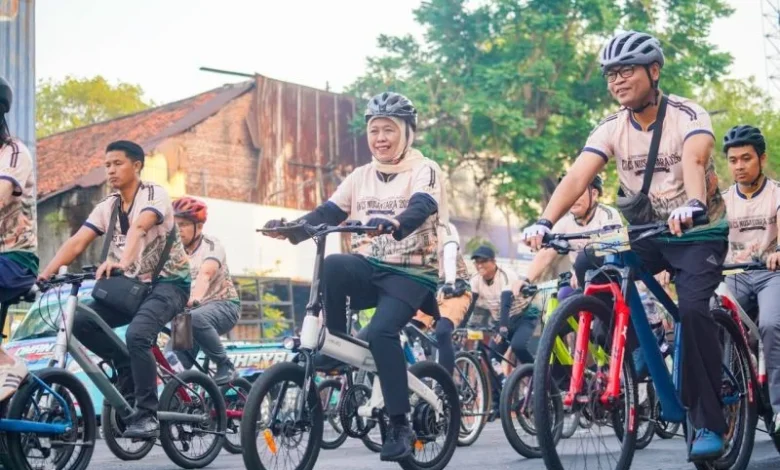
Cycling has long been celebrated as a fundamental physical activity, prized for its ability to maintain cardiovascular fitness, strengthen lower-body muscles, and offer an accessible entry point into an active lifestyle. However, in recent years, the humble bicycle has undergone a profound cultural and functional metamorphosis. Across major metropolitan areas worldwide, and increasingly in urban centers throughout Indonesia, the two-wheeled machine has transcended its traditional boundaries as a mere exercise apparatus. Today, cycling occupies a complex, multifaceted space at the intersection of everyday transportation, community building, environmental activism, and digital self-expression.
This evolution reflects a broader societal shift in how citizens interact with public spaces, combat urban congestion, and pursue sustainable lifestyles. No longer measured solely by distance covered or the intensity of a weekend workout, cycling has firmly established itself as a cornerstone of modern urban culture.
The Chronology of a Movement: From Leisure to Daily Commuting
The transition of the bicycle from a recreational weekend toy to a daily lifestyle choice did not happen overnight. Over the past decade, rapid urbanization and escalating traffic congestion in dense cities like Jakarta forced urban planners, civil society organizations, and citizens to rethink traditional commuting models.
The movement gained significant momentum with the proliferation of grassroots advocacy groups. Organizations such as Bike to Work (B2W) Indonesia systematically campaigned for structural changes, urging municipal governments to install protected bike lanes, improve road safety, and recognize cyclists as legitimate road users. These efforts dovetailed with municipal policy adjustments, most notably the expansion of Jakarta’s Car-Free Days (Hari Bebas Kendaraan Bermotor or HBKB). Originally conceived as periodic breathers from vehicular pollution, HBKB events gradually transformed into vital incubation spaces where citizens could experience car-free corridors safely.
By 2026, this trajectory reached new milestones. The Jakarta Provincial Government expanded HBKB zones into high-density commercial corridors such as the H.R. Rasuna Said thoroughfare. Concurrently, international frameworks began acknowledging the multi-dimensional value of cycling. Global events like World Bicycle Day 2026 served as focal points for international advocacy, while the Union Cycliste Internationale (UCI) dedicated major forums—such as the Mobility & Bike City 2026 conference—to integrating cycling strategies into municipal master plans, tourism frameworks, and economic development models.
The Intersection of Health, Fitness, and Daily Routine
While cycling’s cultural footprint has expanded into art, technology, and community organizing, its foundational health benefits remain a primary driver of its enduring popularity. Modern lifestyles often present significant barriers to regular exercise, as busy work schedules leave little room for dedicated gym sessions. The bicycle offers a seamless solution by embedding physical activity directly into daily errands and commutes.
According to guidelines from the Health Development Policy Agency of the Indonesian Ministry of Health, leisurely cycling qualifies as a moderate-intensity physical activity. Health authorities recommend that adults engage in 150 to 300 minutes of moderate-intensity aerobic physical activity per week. By choosing to ride a bicycle for short-distance trips—such as commuting to an office, traveling to a campus, or meeting friends—individuals can effortlessly meet these weekly health benchmarks without needing to carve out specialized time slots in their schedules.
Clinical studies further reinforce the long-term advantages of this habit. Regular cycling contributes to improved heart health, effective weight management, enhanced joint mobility, and sustained mental well-being, particularly for aging populations. The World Health Organization (WHO) consistently advocates for active mobility, emphasizing that integrating walking and cycling into daily life yields compounding benefits for individual health, public healthcare systems, and environmental preservation.
Community, Culture, and Digital Integration
Beyond its physiological utility, the modern cycling phenomenon is heavily anchored in social connectivity. The contemporary cycling landscape is populated by diverse subcultures and affinity groups. Some communities organize rigorous pre-dawn endurance rides, while others focus on casual urban exploration, social advocacy, or environmental clean-up initiatives.
For many participants, the bicycle functions as a social catalyst, creating environments where individuals with shared interests can forge meaningful personal and professional networks. This communal aspect was prominently on display during global observances like World Bicycle Day 2026, where advocacy groups leveraged public gatherings not only to promote sustainable transit but also to strengthen internal community bonds.
Furthermore, the cycling experience has been thoroughly transformed by digital technology and social media. The curation of aesthetic content—ranging from scenic route photography and post-ride culinary stops to specialized apparel and bicycle configurations—has turned cycling into a visual medium of self-expression.
A prime example of this technological intersection is the popularity of "Strava Art," a digital subculture where cyclists meticulously plan their navigation routes to trace recognizable drawings or text when mapped on GPS tracking applications. National and local competitions centered around digital route artistry highlight how modern technology and cycling culture have fused, turning physical exertion into a canvas for digital creativity.
Urban Mobility, Infrastructure, and Policy Responses
The rapid expansion of urban cycling has inevitably forced municipal authorities to re-evaluate infrastructure priorities. In major urban centers dealing with severe traffic gridlock and poor air quality, non-motorized transport is no longer viewed as a peripheral recreational activity, but as a critical component of municipal transit strategy.
During the Mobility & Bike City 2026 discussions, international stakeholders emphasized that sustainable urban design must accommodate cyclists through dedicated infrastructure, secure bike-parking facilities, and stringent road safety regulations. In Indonesia, municipal policies have increasingly reflected this necessity. The continuous rollout of protected bicycle lanes, combined with periodic expansions of car-free zones, illustrates a growing institutional recognition of active mobility.
However, transitioning a car-centric city into a bike-friendly metropolis remains fraught with challenges. Issues concerning road safety, aggressive motor vehicle traffic, inadequate enforcement of bike lane boundaries, and high temperatures continue to test the resolve of daily commuters. In response, government agencies and advocacy groups have ramped up public awareness campaigns, issuing comprehensive safety guidelines for urban cyclists and drivers alike to foster a culture of mutual respect on the road.
Broader Implications and Economic Impact
The metamorphosis of cycling from a solitary sport into an intricate socio-cultural lifestyle carries wide-ranging economic and environmental implications. On a macro level, the promotion of bicycle infrastructure reduces urban carbon footprints, aligns with global climate targets, and alleviates the economic burden of fossil fuel dependency.
Locally, the cycling boom has stimulated a vibrant commercial ecosystem. The demand for specialized gear, maintenance services, cycling apparel, and bicycle-friendly hospitality venues has generated significant economic activity for small and medium-sized enterprises (SMEs). Cafes, workshops, and tourism operators increasingly tailor their services to accommodate the cycling demographic, creating localized economic hubs centered around popular riding routes.
Ultimately, the enduring appeal of the bicycle lies in its radical simplicity and infinite adaptability. Whether utilized as a competitive athletic machine, a sustainable commuting vehicle, a social anchor for community groups, or a medium for artistic and digital expression, the bicycle continues to redefine its place in modern society. As cities continue to densify and citizens search for healthier, more sustainable ways to navigate their environments, the two-wheeled revolution is poised to remain a permanent fixture of the urban landscape.
Related posts: