

Marketing campaigns for schools are crucial for attracting students, fostering community engagement, and achieving fundraising goals. This comprehensive guide dives into the strategies, tactics, and considerations needed to develop effective campaigns that resonate with diverse audiences. From recruitment to fundraising, we’ll explore the nuances of school marketing and how to tailor messages to prospective students, parents, and alumni.
We’ll also examine the role of technology, content creation, and budgeting in achieving successful outcomes.
Understanding the unique needs of educational institutions is key to crafting effective campaigns. This guide will explore the specific goals and objectives, target audience segmentation, and measurable metrics for success, enabling schools to build a strong and lasting brand presence.
Defining School Marketing Campaigns: Marketing Campaigns For Schools
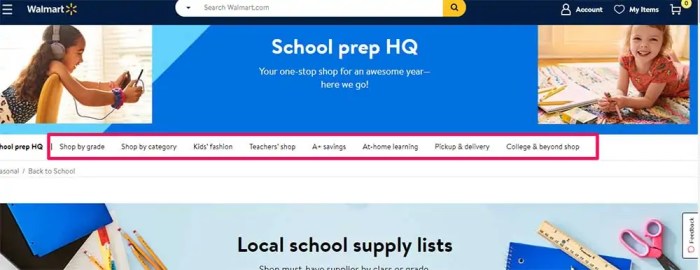
School marketing campaigns are crucial for attracting students, securing funding, and fostering community engagement. They are more than just advertisements; they’re strategic initiatives designed to build a positive brand image and achieve specific goals within the educational landscape. Unlike traditional business marketing, school campaigns often focus on long-term relationships and building a sense of community.Marketing campaigns for educational institutions are distinct from those for other businesses.
While both aim to create awareness and generate interest, school campaigns often prioritize building trust, showcasing the school’s values, and demonstrating the benefits of an education. A primary focus is fostering a sense of belonging and attracting the right students and families. Profit isn’t the sole driver; the mission is to provide quality education and create a thriving learning environment.
Types of School Marketing Campaigns
School marketing encompasses a variety of campaigns aimed at diverse audiences. These campaigns are vital to shaping the school’s reputation and achieving its objectives.
- Recruitment campaigns are designed to attract prospective students and their families. These campaigns often highlight the school’s academic programs, extracurricular activities, and overall learning environment. They typically involve showcasing the school’s unique strengths and values to prospective families.
- Fundraising campaigns are essential for schools to maintain and improve facilities, resources, and programs. They seek donations from individuals, corporations, and foundations. Effective fundraising campaigns present a clear case for support, outlining how donations will impact the school’s capacity to provide quality education and enhance the learning experience.
- Community engagement campaigns aim to foster relationships with local businesses, organizations, and residents. These campaigns build a sense of shared responsibility and support for the school’s mission. Events and collaborations are often used to foster this engagement.
Examples of Successful School Marketing Campaigns
Numerous schools have successfully employed various marketing strategies. One example involves a high school that used social media to highlight student achievements and extracurricular activities, fostering a sense of community and attracting prospective students. Another example features a private elementary school that used targeted email marketing campaigns to reach parents in the surrounding area, emphasizing the school’s unique pedagogical approach and small class sizes.
These campaigns successfully positioned the schools as desirable learning environments.
Target Audience for Different School Marketing Campaigns
The target audience for each type of school marketing campaign varies. A well-defined target audience is crucial for maximizing the impact of marketing efforts.
| Campaign Type | Target Audience |
|---|---|
| Recruitment | Prospective students and their families |
| Fundraising | Individuals, corporations, and foundations |
| Community Engagement | Local businesses, organizations, and residents |
Goals and Objectives
Setting clear goals and objectives is crucial for any successful marketing campaign, especially for schools. These objectives should be SMART – Specific, Measurable, Achievable, Relevant, and Time-bound. A well-defined strategy ensures that the school’s marketing efforts are focused and effective in achieving desired outcomes. A lack of clear goals can lead to wasted resources and a failure to demonstrate the campaign’s impact.Effective school marketing campaigns go beyond simply promoting the institution.
They need to resonate with the target audience, building a strong brand identity and fostering a sense of community. This approach not only attracts new students but also strengthens the school’s reputation and engagement with existing families.
Essential Goals for School Marketing
Schools should define specific goals aligned with their overall mission and vision. These goals must be relevant to the school’s unique identity and address its specific needs. For example, a school emphasizing arts education might focus on attracting students with a passion for creative pursuits.
Measurable Metrics for Campaign Success
Tracking the success of marketing campaigns is essential to demonstrate their value. Measurable metrics provide concrete evidence of the campaign’s impact. These metrics can include website traffic, social media engagement, lead generation, and conversion rates. By analyzing these metrics, schools can identify what’s working and what needs improvement, allowing for data-driven adjustments to optimize the campaign’s performance.
Potential Objectives for Social Media Marketing
Social media plays a vital role in modern school marketing. A comprehensive social media strategy can build a strong online presence and engage with potential students and families. Potential objectives for a social media campaign include:
- Increasing brand awareness and visibility within the community.
- Generating leads and inquiries about the school’s programs.
- Building a strong online community of parents, students, and alumni.
- Improving the school’s online reputation and fostering positive sentiment.
- Promoting school events and activities.
Fundraising vs. Recruitment Campaigns
Fundraising and recruitment campaigns, while both aiming to increase the school’s resources, differ significantly in their objectives. Fundraising campaigns primarily focus on acquiring financial resources, while recruitment campaigns prioritize attracting new students. The target audiences, key messages, and metrics for success also vary considerably.
Comparison of Goals in Fundraising and Recruitment Campaigns
| Feature | Fundraising Campaign | Recruitment Campaign ||—|—|—|| Primary Goal | Secure financial resources | Attract new students || Target Audience | Donors, philanthropists, community members | Prospective students and their families || Key Message | Support our mission, invest in future generations | Discover a community that fosters excellence || Measurable Metrics | Amount of donations, number of pledges, donor acquisition | Number of applications, enrollment rate, student acquisition |
Alignment of Marketing Activities with School Objectives
Different marketing activities can be tailored to support specific school objectives. A well-structured marketing plan can create a cohesive strategy, ensuring that all activities contribute to the overall goals. The table below illustrates how various activities can support specific school objectives:
| Marketing Activity | School Objective | Description |
|---|---|---|
| Website development and optimization | Increase website traffic and engagement | Improving website design, content, and navigation to attract visitors and provide valuable information |
| Social media campaigns | Build community and generate leads | Engaging content and targeted advertising to connect with potential students and parents |
| Public relations and media outreach | Enhance school reputation | Building positive relationships with local media to highlight school achievements and programs |
| Email marketing | Promote events and activities | Sending targeted emails to parents and students about upcoming events and announcements |
Strategies and Tactics
Crafting a successful school marketing campaign requires a multifaceted approach that blends various strategies and tactics. A well-defined strategy, executed effectively, can significantly boost enrollment, enhance brand recognition, and ultimately improve the school’s overall standing in the community. This section delves into the key strategies and tactics that form the bedrock of modern school marketing.
Crafting compelling marketing campaigns for schools requires a strong online presence. Think about how your website copy can entice prospective students and parents. Mastering strategies for web writing, like strategies for web writing , is crucial for success. Ultimately, a well-written website is key to a successful school marketing campaign, making it easier for the right people to find your school and learn more about your programs.
Diverse Marketing Strategies for Schools
Different schools cater to varying demographics and educational philosophies. Therefore, employing a one-size-fits-all marketing strategy isn’t optimal. Schools need to tailor their approach to resonate with their specific target audience. This involves understanding their needs, interests, and pain points. A comprehensive strategy should include a clear understanding of the target audience and the messages that will resonate most effectively with them.
- Enrollment Marketing: This strategy focuses on attracting prospective students and their families. It often involves highlighting the unique educational offerings, extracurricular activities, and the school’s overall culture. The goal is to create a compelling narrative that draws in prospective students and parents, showcasing the school’s strengths and emphasizing the benefits for future learners.
- Community Engagement Marketing: This strategy emphasizes building relationships within the local community. Activities like sponsoring local events, partnering with community organizations, and actively participating in local initiatives are crucial for fostering goodwill and demonstrating the school’s commitment to the wider community. This helps build a strong reputation and positive brand image.
- Brand Building Marketing: This focuses on developing a consistent brand identity that resonates with the target audience. It involves creating a memorable logo, establishing a distinct school voice, and ensuring that all marketing materials reflect the same values and principles. This approach builds recognition and trust within the community.
Detailed Marketing Tactics
Effective marketing requires more than just a strategy; it needs a precise execution plan. This involves specific tactics that will bring the overall strategy to life.
- Social Media Marketing: Utilizing platforms like Facebook, Instagram, and Twitter, schools can share engaging content, interact with parents and students, and build a strong online presence. Schools can showcase student achievements, teacher spotlights, and school events to create an attractive and engaging online presence. This builds community and drives interest.
- Email Marketing: Sending targeted emails to parents, students, and alumni can keep them informed about upcoming events, important announcements, and school updates. A well-structured email marketing strategy can foster communication and build stronger connections with the school community. This approach can enhance engagement with school activities and updates.
- Public Relations: Building relationships with local media outlets and creating press releases can help spread the word about the school’s accomplishments, initiatives, and unique programs. This generates positive publicity and builds a positive reputation. Press coverage can greatly impact public perception and attract potential students.
- Content Marketing: Creating valuable content like blog posts, articles, and videos about educational topics or school events can establish the school as a thought leader in the field. This can also improve search engine rankings, which helps with organic reach and visibility. Educational content can attract potential students and parents and solidify the school’s reputation.
Importance of Consistent Brand Messaging
Maintaining a consistent brand message across all marketing channels is vital for building a strong brand identity. This involves using the same tone, style, and visual elements in all materials, ensuring that the message is clear, concise, and memorable. Consistency builds trust and recognition, ultimately strengthening the school’s overall brand image.
Role of Technology in Modern School Marketing
Technology plays a pivotal role in modern school marketing campaigns. Schools can use online platforms to share information, engage with the community, and manage communication more effectively. Utilizing online tools allows for more targeted and efficient outreach to prospective students and families.
Effectiveness of Marketing Channels
| Marketing Channel | Strengths | Weaknesses | Effectiveness for Schools |
|---|---|---|---|
| Social Media | High reach, cost-effective, real-time engagement | Requires consistent effort, can be time-consuming | High, especially for attracting younger audiences |
| Email Marketing | Targeted messaging, direct communication | Can be perceived as spam if not managed well | Moderate, effective for keeping parents and students informed |
| Public Relations | Builds credibility, broad reach | Limited control over messaging, dependent on media | High, crucial for establishing positive reputation |
| Content Marketing | Establishes thought leadership, improves | Time-consuming to create high-quality content | High, builds trust and attracts potential students |
Target Audience Segmentation
Understanding your audience is crucial for effective school marketing. Different groups of people—prospective students, parents, and alumni—have distinct needs and motivations when interacting with a school. A targeted approach, tailored to each group, significantly improves the chances of achieving marketing goals. This detailed analysis will highlight the specific needs and motivations of each audience segment, providing actionable strategies for crafting impactful messaging.
Identifying Target Audiences
Schools serve multiple constituencies, each with unique concerns and priorities. Prospective students are focused on academic programs, extracurricular activities, and the overall school culture. Parents prioritize the safety, educational quality, and resources offered to their children. Alumni, on the other hand, often have sentimental ties to the school and might be interested in staying connected through events and opportunities.
By recognizing these distinct needs, schools can craft messaging that resonates with each segment.
Crafting effective marketing campaigns for schools is a constant challenge. Modernizing approaches is key, and integrating innovative tools like ChatGPT into search engines like Bing, as detailed in this article about chatgpt integration into bing , could unlock fresh avenues for student recruitment and engagement. Ultimately, these cutting-edge advancements can only strengthen school marketing strategies for a competitive future.
Specific Needs and Motivations
- Prospective Students: They are seeking a school that aligns with their academic goals, extracurricular interests, and personal values. Factors like program offerings, reputation, and school environment are key considerations.
- Parents: Parents are primarily concerned with their child’s well-being, academic success, and safety. Factors like teacher quality, school facilities, extracurricular opportunities, and community involvement are paramount.
- Alumni: Alumni may be motivated by a desire to stay connected with their alma mater, support the school, or participate in activities that foster a sense of community. Factors like networking opportunities, school events, and philanthropic opportunities are important.
Tailoring Messaging to Different Audiences
Crafting tailored messaging is essential to effectively reach each audience. A campaign focused on prospective students should emphasize academic excellence, extracurricular activities, and the school’s unique environment. Conversely, a campaign targeted at parents should highlight safety measures, teacher qualifications, and resources available to support student growth. For alumni, the messaging should focus on engagement opportunities, philanthropic possibilities, and fostering a sense of community.
Market Research for Better Understanding, Marketing campaigns for schools
Understanding the target audience involves gathering data through various market research methods. Surveys, focus groups, and interviews can provide valuable insights into the needs, preferences, and concerns of prospective students, parents, and alumni. Analyzing online reviews, social media engagement, and feedback from past events can offer additional perspectives. Data analysis and interpretation will help schools develop more effective and targeted marketing strategies.
Messaging Adaptation for Different Audiences
| Target Audience | Key Message Focus | Example Messaging |
|---|---|---|
| Prospective Students | Academic excellence, extracurriculars, school culture | “Experience the vibrant learning environment at [School Name], where our rigorous academics meet a wide range of extracurricular opportunities.” |
| Parents | Safety, educational quality, resources | “Ensure your child’s well-being and success in a supportive and nurturing environment at [School Name].” |
| Alumni | Connection, community, philanthropy | “Reconnect with [School Name] and contribute to the next generation of leaders through alumni engagement opportunities.” |
Content Creation for Schools
Crafting compelling content is crucial for any school’s marketing strategy. It’s the bridge between the school and its target audience, communicating the unique value proposition and fostering a desire to connect. This section delves into the various types of content schools can use to effectively reach and engage their target audience, from prospective students to parents and alumni.
Different Types of School Marketing Content
Schools can leverage a diverse range of content formats to communicate their strengths and attract the desired audience. This includes informative brochures, engaging videos, and interactive online tools. The key is to choose content formats that resonate with the specific needs and interests of the target audience, and then to deliver that content consistently and effectively.
Engaging Content Formats for Various Audiences
Tailoring content to specific audiences is essential for maximizing impact. For prospective students, showcasing the school’s unique educational programs, extracurricular activities, and campus life is key. Highlighting student success stories and testimonials from previous students can also be very persuasive. For parents, focusing on academic rigor, safety measures, and the school’s commitment to student well-being is crucial.
For alumni, maintaining a connection through events, newsletters, and updates on the school’s growth and achievements is important.
Creating Informative and Persuasive Content
Content should provide valuable information while also persuading the audience to choose the school. This requires careful consideration of the audience’s needs and motivations. Highlighting unique selling points, like small class sizes, specialized programs, or a supportive learning environment, can significantly enhance the content’s persuasiveness. Using clear and concise language, avoiding jargon, and focusing on tangible benefits are key to creating content that resonates with the target audience.
Visual Content in School Marketing
Visual content plays a significant role in grabbing attention and conveying information effectively. High-quality images and videos of school facilities, student activities, and faculty members create a strong visual representation of the school’s culture and values. These visual elements can significantly enhance the overall appeal and memorability of the school’s marketing materials.
Storytelling in School Marketing
Storytelling is a powerful tool for connecting with audiences on an emotional level. Sharing compelling narratives about student success, faculty dedication, or the school’s history can create a sense of community and inspire potential students and their families. Authentic stories demonstrate the school’s values and culture, making the school more relatable and memorable. These narratives often resonate more deeply than purely factual information.
Content Formats for Various Marketing Channels
| Marketing Channel | Content Format | Example |
|---|---|---|
| Website | Blog posts, case studies, interactive maps, video testimonials | A blog post highlighting a successful student project, a video featuring student interviews, an interactive map showcasing campus facilities. |
| Social Media | Short videos, infographics, behind-the-scenes glimpses, live Q&A sessions, student spotlights, quotes from faculty members. | A short video of a student playing a musical instrument, an infographic showcasing academic achievements, a live Q&A session with a teacher, or a student spotlight showcasing their talents. |
| Email Marketing | Newsletters, event invitations, personalized messages, school updates, student spotlights. | A newsletter showcasing the school’s latest events, an email inviting parents to a school event, a personalized message from the principal to prospective students. |
| Print Materials | Brochures, flyers, posters, annual reports, school magazines. | A brochure outlining the school’s academic programs, a flyer for an upcoming school event, or an annual report showcasing the school’s achievements. |
Budget and Resources
Effective school marketing hinges on a well-defined budget and the strategic allocation of resources. A comprehensive approach considers not just financial investments but also the invaluable contribution of volunteers and diverse funding options. This section delves into the crucial aspects of resource management for successful campaigns.
Creating a Realistic Budget
Developing a realistic budget is paramount for any school marketing campaign. It involves meticulous planning and a clear understanding of anticipated costs. Start by identifying all necessary activities, from website design and social media management to print materials and event planning. Quantify the time commitment required for each activity and factor in potential unexpected expenses.
Consider using a spreadsheet to track projected costs. Break down expenses into categories like design, printing, advertising, event coordination, and personnel. Don’t underestimate the costs of software subscriptions or professional design services. Include contingency funds for unforeseen circumstances. A realistic budget isn’t just about numbers; it’s about thoughtful estimation, informed decision-making, and ensuring the campaign’s sustainability.
Volunteer Support
Volunteers play a crucial role in bolstering school marketing efforts. Their dedication can significantly reduce costs and enhance the campaign’s impact. Identify areas where volunteers can contribute, such as social media management, event setup and assistance, and outreach to potential students and families.
Crafting compelling marketing campaigns for schools often hinges on understanding your audience. Just like attracting property owners requires top-notch content, schools need to deliver engaging material. Think about the specific needs and desires of prospective students and their families when designing your campaign. This includes highlighting the unique strengths of the school, from innovative teaching methods to extracurricular activities.
Referencing resources like top content tips attract property owners can offer invaluable insights into creating effective messaging, ultimately leading to successful recruitment and a thriving school community.
- Recruiting volunteers through school announcements, flyers, or online platforms can broaden the pool of potential contributors.
- Providing clear guidelines and training for volunteer tasks can ensure efficiency and high-quality execution.
- Appreciating and recognizing volunteer contributions can motivate continued participation.
Funding Sources
Schools can tap into various funding sources to support their marketing initiatives. Explore potential grants, fundraising events, partnerships with local businesses, and donations from alumni or community members.

- Local businesses often sponsor events or donate resources. Proactively reaching out to local businesses that align with the school’s values can yield fruitful partnerships.
- Alumni networks can be invaluable resources. Engage alumni to support the school’s marketing campaigns through donations, volunteer time, or even mentorship.
- Exploring grant opportunities from educational foundations or community organizations can provide financial support.
Resource Allocation
Effective allocation of resources across various marketing activities is crucial. Prioritize activities based on their potential impact and alignment with the school’s goals. For example, if the goal is to attract new students, focus resources on digital marketing efforts.
| Marketing Activity | Estimated Cost (USD) |
|---|---|
| Website Design and Development | $500 – $5,000 |
| Social Media Management (monthly) | $50 – $500 |
| Print Materials (flyers, brochures) | $100 – $1,000 |
| Event Coordination | $100 – $1,000+ |
| Advertising (online/print) | $100 – $10,000+ |
This table provides a general overview; costs can vary significantly based on specific needs and choices. Be sure to research specific vendors and services to get precise estimates.
Measurement and Evaluation
Tracking the effectiveness of school marketing campaigns is crucial for understanding what works and what doesn’t. Knowing how your campaigns perform allows you to refine strategies and allocate resources more effectively, maximizing impact and return on investment. This detailed look at measurement and evaluation will equip you with the tools to create impactful marketing strategies.A robust measurement framework ensures you’re not just spending money, but strategically investing in the future of your school.
It allows you to see the tangible results of your efforts, adapt your approach in real-time, and ultimately achieve your enrollment or fundraising goals. This process isn’t just about numbers; it’s about understanding the “why” behind the data, using it to refine your strategies, and ultimately improving the experience for both prospective students and your community.
Key Performance Indicators (KPIs)
A clear set of KPIs is essential for evaluating campaign success. These metrics provide a quantifiable way to assess the impact of your marketing efforts. Choosing the right KPIs depends heavily on your specific campaign goals. For instance, if your goal is increased enrollment, then enrollment rate and lead generation will be critical metrics. If fundraising is the target, then donations received and donor acquisition are vital.
- Website Traffic and Engagement: Track the number of visits to your school website, time spent on the site, and the number of page views. This provides insight into how engaging your website is. Analyzing bounce rates (percentage of visitors who leave after viewing only one page) and click-through rates (CTR) on important calls-to-action (CTAs) will indicate the effectiveness of your messaging.
- Social Media Engagement: Monitor the number of likes, shares, comments, and followers on your social media platforms. This reveals the level of interaction with your content and the reach of your message. A high engagement rate signifies that your content resonates with your target audience.
- Lead Generation and Conversion Rates: Measure the number of leads generated through various channels (website forms, social media ads, email campaigns). Also, track the conversion rate of leads into enrolled students or donors. A high conversion rate suggests that your marketing materials are effective in motivating potential students or donors to take the desired action.
- Enrollment and Fundraising Data: If enrollment or fundraising is a primary goal, monitor the number of applications received, the number of students enrolled, and the amount of money raised. This provides a direct measure of the campaign’s impact on your desired outcomes.
Data Tracking and Analysis
To truly understand the effectiveness of your campaigns, you need a system to track data consistently. Using analytics platforms and custom tools is a key component in gathering this data.
- Web Analytics Tools: Utilize tools like Google Analytics to monitor website traffic, user behavior, and conversion rates. These tools provide detailed insights into which marketing channels are driving the most traffic and which content is most engaging.
- Social Media Analytics: Use social media platform analytics to understand engagement, reach, and audience demographics. This allows for a deeper understanding of which posts resonate with your target audience. Tools provided by the platforms themselves offer detailed reports.
- CRM Systems: Implement a Customer Relationship Management (CRM) system to manage leads, track interactions, and monitor campaign performance. This provides a comprehensive view of your marketing efforts and customer interactions, facilitating personalized follow-ups and targeted messaging.
- Data Interpretation: Analyze the collected data to identify trends and patterns. Understanding what drives successful campaigns is key to improving future strategies. Consider creating charts and graphs to visually represent the data for easier interpretation.
Dashboard Creation
A well-designed dashboard provides a clear, concise overview of campaign performance. It should be easily accessible to relevant stakeholders.
- Key Metrics Integration: Integrate the key metrics mentioned above into a dashboard. This ensures that all relevant data is easily visible and accessible. Use graphs and charts to present data visually for better comprehension.
- Real-Time Updates: The dashboard should be updated in real-time to provide up-to-the-minute insights into campaign performance. This allows for proactive adjustments to strategies as needed.
- Customizable Reports: Allow for customization of the reports to meet specific needs and goals. Different users may need different information. Allow users to select specific timeframes, channels, and metrics to gain tailored insights.
- Actionable Insights: The dashboard should not just display data, but also provide actionable insights to improve future campaigns. Highlight areas for improvement and opportunities for optimization. Highlight trends and patterns, linking them to specific strategies and tactics.
Case Studies and Best Practices

Marketing for schools is unique, demanding a nuanced approach that goes beyond generic advertising. Successful campaigns often leverage community engagement, storytelling, and a clear understanding of the target audience. This section dives into real-world examples to illustrate effective strategies and highlight crucial pitfalls to avoid.Understanding successful campaigns in education involves analyzing not only the marketing tactics but also the school’s overall mission and the needs of its students and families.
By studying successful case studies, schools can gain insights into what resonates with their target audiences and how to effectively communicate their unique values and offerings.
Successful Marketing Campaign Examples
Effective school marketing campaigns are built on a foundation of clear goals, a well-defined target audience, and creative strategies. Here are a few examples of successful campaigns and the key components that drove their success.
- Elementary School “Adventure Day” Campaign: A local elementary school launched an “Adventure Day” campaign to attract prospective families. This involved organizing an open house featuring hands-on activities, showcasing the school’s unique outdoor learning spaces, and highlighting teacher-led initiatives focused on experiential learning. The campaign’s success was measured by a significant increase in applications for the following school year. Parents appreciated the interactive approach and the school’s focus on experiential learning.
- High School “Future Ready” Campaign: A high school, aiming to attract students interested in STEM fields, launched a “Future Ready” campaign. This included showcasing successful alumni in STEM careers, highlighting hands-on laboratory experiences, and hosting workshops on career paths in technology. The campaign targeted students interested in STEM through engaging content, demonstrating how the school prepared them for future success.
- Charter School “Community Connection” Campaign: A charter school recognized the importance of community engagement. They launched a “Community Connection” campaign, involving partnerships with local businesses and organizations, hosting community events, and actively showcasing the school’s contributions to the local area. This initiative significantly boosted the school’s reputation and attracted a diverse range of students.
Key Takeaways from Successful Campaigns
Analyzing successful campaigns reveals several common threads. These include a strong understanding of the target audience, a clear articulation of the school’s unique value proposition, and the importance of consistent branding across all communication channels. The campaigns highlighted above focused on specific needs, using interactive experiences, and creating a strong brand narrative.
- Strong Visual Identity: A consistent brand identity—logo, colors, and fonts—is crucial for building brand recognition and trust. The use of imagery that resonates with the target audience is also essential.
- Community Engagement: Engaging the local community is vital for building brand awareness and trust. Events and partnerships can help schools connect with potential families and demonstrate their commitment to the community.
- Storytelling: Showcasing the school’s unique story and the impact it has on students through testimonials and student success stories is a powerful marketing strategy.
Common Mistakes to Avoid
Avoid common pitfalls by focusing on transparency, authenticity, and clear communication. Avoid generic messaging and instead tailor your message to the specific needs and interests of your target audience. Focusing on specific values, such as community engagement or experiential learning, can enhance the school’s unique identity.
- Generic Messaging: Avoid generic, broad messages that do not resonate with the target audience. Instead, tailor the messaging to specific interests and needs. Schools must clearly articulate their value proposition.
- Lack of Transparency: Lack of transparency can damage trust. Schools should be open and honest about their mission, values, and challenges.
- Inconsistent Branding: Inconsistent branding across different platforms and communication channels can dilute the school’s message and create confusion.
Adapting Best Practices to Different Contexts
The best practices Artikeld in the previous sections can be adapted to various school contexts. Consider the specific needs and characteristics of your target audience when developing your marketing strategy. Adapting successful strategies to different contexts requires flexibility and understanding of the unique aspects of each school. For example, a school in a rural community might focus on local partnerships, while an urban school might prioritize diversity and inclusion.
- Rural Schools: Focus on local partnerships and community engagement. Highlight the school’s role in the rural community and its unique educational offerings.
- Urban Schools: Emphasize diversity, inclusion, and community support. Highlight the school’s commitment to creating a welcoming environment for all students.
- Charter Schools: Highlight their unique mission and educational philosophy. Showcase their innovative approaches and partnerships.
Closure
In conclusion, effective marketing campaigns for schools require a multifaceted approach, encompassing careful planning, targeted messaging, and ongoing evaluation. By understanding the unique needs of their target audiences, schools can leverage various strategies and tactics to achieve their objectives. From defining clear goals to measuring campaign effectiveness, this guide provides a roadmap for building impactful and sustainable marketing strategies.
Remember that consistent branding and engaging content are essential for long-term success.