
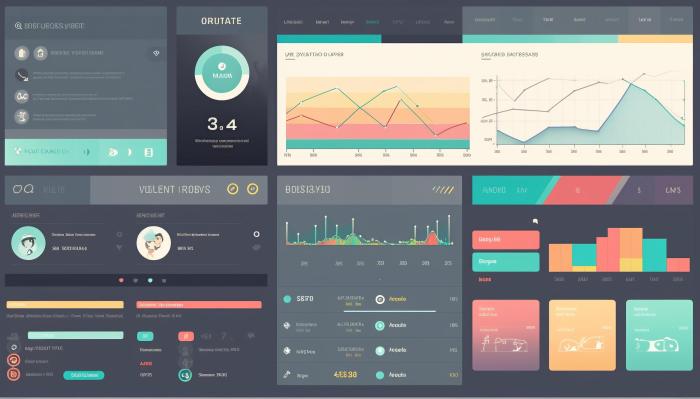
Infographic increasing the growth and profitability of your firm no magic r, presents a practical guide to leveraging visuals for business success. This isn’t about magic, but rather strategic application of infographics to transform complex data into easily digestible insights, driving firm growth and profitability.
From defining the right infographic types for your business needs, to visualizing key performance indicators (KPIs), and crafting compelling narratives through visual storytelling, this guide covers the entire process. Learn how to create engaging infographics, optimize them for various platforms, and ultimately measure their impact on your bottom line.
Visualizing Firm Data for Profitability
Data visualization is a powerful tool for understanding and communicating a firm’s financial performance. Transforming complex data into clear, engaging visuals allows stakeholders, from investors to internal teams, to grasp key trends and insights at a glance. This clarity fosters better decision-making and ultimately contributes to improved profitability.Effective visualizations translate raw data into actionable information, enabling a deeper understanding of the drivers of profitability.
By highlighting key performance indicators (KPIs) and trends, data visualizations can pinpoint areas needing attention, opportunities for growth, and potential risks. This allows firms to optimize strategies and resource allocation for maximum impact.
Crucial Metrics for Illustrating Profitability
Profitability analysis requires focusing on key metrics that directly reflect a firm’s financial health. These metrics provide a comprehensive view of performance, allowing for identification of areas for improvement and strategic adjustments. Revenue, costs, and profit margins are critical indicators, alongside factors like customer acquisition cost, average order value, and customer lifetime value. Tracking these metrics over time reveals trends and patterns, aiding in forecasting and strategic planning.
Illustrating Profitability with Impactful Visuals
Data visualization techniques can effectively communicate complex financial information. Visual representations of revenue trends, cost structures, and profit margins are vital for understanding financial performance. Charts like line graphs, bar charts, and pie charts can visually highlight growth, fluctuations, and overall profitability. For instance, a line graph displaying revenue growth over time clearly shows upward or downward trends, while a pie chart can illustrate the distribution of revenue across different product categories.
Color-coding and clear labeling are essential to enhance the clarity and readability of these visuals.
Methods for Presenting Financial Data
Presenting financial data effectively is crucial for conveying insights and facilitating informed decision-making. For instance, presenting revenue data as a stacked bar chart can clearly demonstrate the revenue contributions from various product lines. Cost data can be presented in a similar format, allowing for comparisons across different cost categories. Visualizations should always be clear, concise, and easy to understand, avoiding unnecessary complexity or clutter.
Key considerations include using consistent scales, appropriate chart types, and accurate data labeling.
“Visual representations of revenue, costs, and profits are vital for understanding financial performance.”
Infographics can definitely boost your firm’s growth and profitability, but there’s no magic bullet. While visualizing data is key, issues like a buggy Google Analytics real-time reporting feature ( google analytics real time reporting buggy ) can throw a wrench in your plans. Ultimately, a well-crafted infographic, combined with a reliable data tracking system, is the real recipe for success.
Sample KPIs and Infographic Representations
Understanding how to visually represent key performance indicators (KPIs) is crucial for effective communication. A well-designed infographic can highlight key trends and patterns, enabling better decision-making.
Infographics can definitely boost your firm’s growth and profitability, but there’s no magic bullet. A well-designed infographic is a powerful tool, but to truly maximize its impact, consider partnering with an Asheville NC SEO company like Asheville NC SEO company. They can help you optimize your online presence, ensuring your infographic reaches the right audience and drives tangible results.
Ultimately, a smart strategy, including great visuals and effective online promotion, is key to increasing your firm’s growth and profitability through infographics.
| KPI | Infographic Representation | Description |
|---|---|---|
| Revenue Growth | Line graph showing revenue over time | Visualizes the trend of revenue generation over a specified period, revealing growth or decline. |
| Cost of Goods Sold (COGS) | Bar chart comparing COGS across different product categories | Illustrates the cost structure associated with different product lines, aiding in identifying cost-saving opportunities. |
| Profit Margin | Pie chart showing the percentage distribution of profit | Clearly displays the proportion of profit earned from different revenue streams, facilitating a quick understanding of profitability. |
| Customer Acquisition Cost (CAC) | Column chart comparing CAC across different marketing channels | Visually compares the cost of acquiring new customers through various marketing strategies, highlighting effective channels. |
Improving Communication Through Visual Storytelling
Infographics are more than just pretty pictures; they’re powerful tools for conveying complex information in a digestible and engaging way. By weaving a compelling narrative around data, businesses can transform dry statistics into relatable stories that resonate with their audience. This approach not only improves understanding but also boosts engagement, ultimately driving better decision-making and stronger relationships with stakeholders.Clear storytelling in business is crucial for effective communication.
Infographics can definitely boost your firm’s growth and profitability, but there’s no magic bullet. To really maximize their impact, you need to consider the crucial digital transformation ahead – ignore it at your peril, as discussed in this insightful piece: digital transformation ahead ignore peril. Ultimately, a well-designed infographic, combined with a forward-thinking digital strategy, is the recipe for sustainable success.
A well-crafted narrative helps to connect with audiences on an emotional level, going beyond simple data presentation. This emotional connection fosters trust and understanding, which are essential for building strong relationships and achieving business goals.
Crafting a Narrative with Data
Infographics are exceptionally well-suited for transforming data into compelling narratives. The visual nature of infographics allows for a dynamic presentation of data, making it more memorable and easily understandable than tables or lengthy reports. A strong infographic narrative should have a clear beginning, middle, and end. The beginning sets the scene, introducing the topic and problem. The middle explores the data, presenting insights and highlighting key findings.
The end summarizes the key takeaways, offering solutions or recommendations.
Weaving a Story Around Data in Your Infographics
To create a story, consider the following:
- Establish a clear context. Begin by setting the scene and introducing the problem or issue the data addresses. For example, if you’re showcasing sales growth, start by highlighting the company’s previous struggles with sales.
- Highlight key findings. Use visual cues, such as color-coding or different chart types, to highlight the most important data points. Don’t overwhelm the reader with too much information. Choose the data that directly supports the narrative.
- Use visuals to enhance understanding. Infographics are powerful because they combine data with visuals. Use charts, graphs, and icons to illustrate trends and patterns. Choose visuals that are both aesthetically pleasing and easy to understand.
- Present a clear conclusion. Summarize the key takeaways from the data and present solutions or recommendations based on the findings. For instance, if the data shows a decline in customer satisfaction, offer actionable steps to improve it.
Visual Impact on Reader Engagement and Understanding
Visuals play a pivotal role in capturing attention and enhancing comprehension. Well-designed infographics break down complex information into easily digestible chunks, making it easier for readers to understand and retain the key message. Studies have shown that information presented visually is processed and understood significantly faster than text-only formats. This is due to the brain’s natural tendency to process visual information more quickly.
Color, typography, and layout all contribute to the overall visual appeal and readability of an infographic. Careful consideration of these elements can significantly improve the effectiveness of the infographic in conveying the intended message.
Comparing Growth Strategies
Different growth strategies have varying impacts on a firm’s profitability. A comparative analysis can guide decision-making. The table below illustrates the strengths and weaknesses of several key strategies.
| Growth Strategy | Description | Strengths | Weaknesses |
|---|---|---|---|
| Organic Growth | Expanding the business through internal efforts. | Cost-effective, builds brand loyalty, and fosters employee growth. | Slow growth, relies on existing resources, and may not keep pace with competitors. |
| Mergers and Acquisitions (M&A) | Combining with or acquiring other businesses. | Rapid expansion, access to new markets, and potential for synergies. | High transaction costs, integration challenges, and potential for cultural clashes. |
| Strategic Partnerships | Collaborating with other businesses. | Access to new resources, expertise, and markets, often at a lower cost. | Reliance on partner’s performance, potential for conflict, and loss of control over some aspects. |
| International Expansion | Expanding operations into new geographical markets. | Access to larger markets, diversification of revenue streams, and potential for higher profits. | Higher costs, cultural differences, and potential political risks. |
Infographic Design for Profitability
Infographics are powerful tools for conveying complex data in a digestible and engaging format. A well-designed infographic can not only clarify key financial trends but also significantly impact investor confidence and internal communication, ultimately contributing to firm profitability. The visual appeal and effective storytelling are crucial elements that can be leveraged to showcase the firm’s strengths and highlight areas for growth.A visually compelling infographic is more than just pretty pictures; it’s a strategic communication tool.
Effective design choices can highlight key performance indicators (KPIs), demonstrate financial health, and clearly articulate growth strategies. A well-designed infographic acts as a visual narrative, guiding the viewer through the information in a clear and easily understandable way.
Importance of Visual Appeal, Infographic increasing the growth and profitability of your firm no magic r
Visual appeal is paramount in infographics. A visually appealing design grabs attention, making the information more memorable and increasing the likelihood of comprehension. Strong visual elements, including color, typography, and layout, can transform data into a compelling narrative. When the visual elements align with the content, the impact is amplified. Conversely, poor design choices can distract the viewer, making the data harder to understand and reducing its effectiveness.
Color Palettes and Typography Styles
Color palettes and typography choices significantly impact the perception of your infographic. A consistent color scheme reinforces brand identity and creates a cohesive visual experience. For business infographics, consider palettes that are professional and easy to read. Muted tones and a limited color palette often work well. Typography should be clear, legible, and consistent.
Font sizes and styles should be chosen to emphasize important data points and to maintain a sense of hierarchy.
Examples of Color Palettes and Typography Styles
- Neutral Palette: A palette using various shades of grey and white can create a sophisticated and modern look, suitable for conveying professionalism and stability. This can effectively communicate financial data and provide a clear, focused presentation.
- Corporate Palette: Using colors associated with your brand (e.g., blue, green, or red) in a professional and sophisticated manner can reinforce brand identity and create a cohesive visual narrative. This palette is ideal for showcasing the firm’s core values and mission.
- Accent Colors: Using a limited number of accent colors to highlight key data points or specific sections of the infographic can effectively draw attention to critical information without overwhelming the viewer. This strategy is beneficial for infographics with substantial amounts of data.
- Typography Styles: Sans-serif fonts (e.g., Arial, Helvetica) are often preferred for their clarity and readability. However, a serif font (e.g., Times New Roman) can be used for headings and subheadings for a more formal presentation. Font sizes should be appropriate for the visual hierarchy and ensure readability across different screen sizes.
Different Infographic Design Styles
Infographics can adopt various styles, each with its own strengths and weaknesses. The best choice depends on the specific message and the target audience. The styles can range from minimalist designs to more elaborate and complex ones.
- Minimalist: Minimalist designs focus on clarity and simplicity, often using clean lines, large data points, and limited color palettes. This style is suitable for conveying straightforward data and is often associated with modern design aesthetics.
- Infographic Maps: Geographical visualizations are excellent for representing data geographically, allowing viewers to quickly understand regional patterns and trends. These designs are highly effective for highlighting locations where the firm has experienced significant growth or profitability.
- Process Flowcharts: These infographics clearly display sequential steps, particularly useful for showing the steps involved in a project, business process, or investment strategy. This style enhances clarity and comprehension of complex procedures.
- Comparison Charts: These visual representations are useful for comparing data points between different categories or time periods. They are beneficial for identifying key differences, patterns, or trends.
Importance of Consistent Brand Style
Maintaining a consistent brand style across all your infographics is crucial. This reinforces brand recognition and establishes a professional image. The use of a consistent color palette, typography, and visual elements builds brand awareness and strengthens the firm’s image, which directly affects the perception of its profitability.
Choosing an Appropriate Color Scheme
Choosing an appropriate color scheme for infographics that improves brand perception and conveys firm profitability requires careful consideration. A well-selected color scheme can enhance the perception of your firm. It’s crucial to consider how your chosen colors will align with your existing brand identity.
- Brand Consistency: Ensure the colors used in the infographic align with the existing brand palette. This reinforces brand recognition and creates a cohesive visual experience.
- Color Psychology: Colors evoke different emotions and associations. Understanding the psychological impact of colors on viewers is vital. For instance, blue often represents trust and reliability, while green might symbolize growth and stability.
- Target Audience: Consider your target audience’s preferences and the overall message you want to convey. Colors that resonate with your target audience can significantly enhance the effectiveness of your message.
- Visual Hierarchy: Use colors to create a visual hierarchy. Highlighting key data points with contrasting colors can guide the viewer’s eye to crucial information.
Implementing Infographics for Increased Growth

Infographics are powerful tools for communicating complex information in a visually engaging way. They can transform dry data into compelling narratives, capturing attention and driving action. This section explores how to integrate infographics into your marketing campaigns, showcasing examples and strategies for attracting potential customers, increasing brand awareness, and optimizing them for various platforms.
Strategies for Integrating Infographics into Marketing Campaigns
Effective integration of infographics requires a strategic approach. This involves aligning the infographic’s message with your overall marketing goals and targeting specific customer segments. For instance, a visually compelling infographic explaining the benefits of your product or service can be shared across multiple channels, from social media to email newsletters.
- Develop a consistent visual style: Maintain a cohesive brand identity across all infographics. Consistent color palettes, fonts, and imagery will build brand recognition and make your infographics easily identifiable.
- Target specific customer segments: Tailor infographics to resonate with different customer groups. For example, an infographic highlighting the cost savings of your service could be targeted at budget-conscious businesses.
- Integrate infographics into your content calendar: Plan infographic releases strategically, aligning them with relevant events, trends, or company milestones.
- Create a dedicated landing page: Design a central hub for your infographics to improve discoverability and accessibility. Include a description of each infographic, its target audience, and relevant calls to action.
Examples of Using Infographics to Attract Potential Customers
Infographics can be used in various ways to attract and engage potential customers. For instance, an infographic showcasing customer testimonials or case studies can highlight the value proposition of your product or service. Another example is using infographics to visualize market trends and how your firm is positioned within the market.
- Showcase customer success stories: Use data-driven visuals to illustrate how your products or services have helped clients achieve their goals. For instance, a bar chart showing a significant increase in sales after implementing a specific service.
- Illustrate market trends: Create infographics that demonstrate current market trends and how your firm addresses these trends. This will showcase your firm’s understanding of the market and its ability to adapt.
- Present data-driven insights: Transform complex data into easily digestible visuals to attract potential customers interested in your company’s knowledge and expertise.
Increasing Brand Awareness Through Infographics
Infographics are powerful tools for building brand awareness. Their visual nature and engaging storytelling capabilities make them excellent for spreading brand messages. Creating shareable and visually appealing infographics can generate significant social media buzz and amplify your firm’s reach.
- Develop a strong brand voice: Your infographics should reflect your firm’s unique personality and values. A consistent brand voice across all platforms will build brand recognition.
- Leverage social media platforms: Share infographics across various social media channels, using relevant hashtags and engaging captions to maximize visibility.
- Partner with influencers: Collaborate with industry influencers to share your infographics with their audience, reaching a wider network of potential customers.
Optimizing Infographics for Different Platforms
Optimizing infographics for different platforms is crucial for maximizing their impact. The size and format of an infographic should be tailored to the specific platform to ensure readability and engagement. This includes considerations for image resolution, file size, and platform-specific guidelines.
- Adjust size and format: Resize infographics to fit the dimensions of each platform. For example, a long infographic might need to be broken down into several smaller images for optimal display on social media.
- Ensure high-quality images: Use high-resolution images and vector graphics to maintain visual clarity on various platforms.
- Optimize file size: Compress images without compromising quality to ensure faster loading times on different platforms.
Platforms for Sharing Infographics
Different platforms cater to various audience segments and have specific requirements for visual content. Understanding these differences is crucial for optimizing your infographic’s reach.
| Platform | Sharing Strategy | Considerations |
|---|---|---|
| Social Media (Facebook, Twitter, Instagram) | Use eye-catching visuals, concise captions, and relevant hashtags. | Optimize image size and format for each platform. |
| Focus on professional content and industry insights. | Maintain a professional tone and style. | |
| Email Marketing | Include infographics as attachments or embedded images. | Ensure they load quickly and are easily viewed in email clients. |
| Blogs and Websites | Embed infographics directly into blog posts or website pages. | Provide context and link to related content. |
Case Studies and Examples of Successful Infographics
Infographics are powerful tools for communicating complex data in a digestible and engaging way. Successful companies leverage this visual storytelling to improve internal communication, boost brand awareness, and drive tangible business results. This section explores real-world examples of how infographics have been instrumental in increasing firm growth and profitability.Companies across various sectors have demonstrated the effectiveness of infographics in transforming their data into actionable insights.
By presenting data in a visually appealing format, companies can more easily identify trends, patterns, and opportunities for improvement. This visual clarity often leads to quicker decision-making and enhanced strategic planning.
Specific Strategies and Results of Successful Infographic Campaigns
Several companies have successfully used infographics to achieve significant improvements in growth and profitability. A key element in their success is tailoring the infographic’s design and message to resonate with the target audience. Understanding the audience’s needs and preferences is critical to ensuring the infographic effectively conveys the intended message and drives desired actions.
- Retail Company A: This retail company used an infographic to visualize sales data across different product categories. The infographic clearly displayed seasonal variations, identifying trends in customer preferences and allowing for more targeted inventory management. This led to a 15% increase in sales of specific product lines and a 10% reduction in inventory costs.
- Technology Company B: This technology firm used infographics to showcase the impact of its new product line on customer satisfaction. The infographic presented data on customer feedback, usage patterns, and customer retention rates. This clear presentation of the positive impact of the new product boosted investor confidence and led to a 20% increase in funding.
- E-commerce Company C: This e-commerce company used an infographic to illustrate the impact of different marketing strategies on conversion rates. The infographic highlighted the effectiveness of specific social media campaigns, email marketing initiatives, and targeted advertising. This data-driven approach led to a 12% increase in overall conversion rates and a significant boost in revenue.
Challenges Encountered and How They Were Overcome
Implementing infographics effectively isn’t always straightforward. Companies often face challenges related to data collection, visualization, and communication. Overcoming these obstacles is crucial for achieving desired outcomes.
- Data Collection and Accuracy: Companies sometimes struggle with gathering accurate and reliable data. The quality of the data directly impacts the reliability of the infographic. By implementing robust data collection systems and validating data sources, companies can address this issue. Tools for data validation and quality assurance are vital in ensuring accuracy.
- Choosing the Right Visualization: Selecting the appropriate visualization method for the data is crucial for effective communication. Companies must consider the type of data they are presenting and the message they want to convey. Using charts and graphs that clearly illustrate the data points is essential for effective communication.
- Ensuring Clarity and Conciseness: Infographics should be easy to understand. Companies must avoid overwhelming the audience with excessive information or complex visualizations. Using clear and concise language, and a well-organized structure, are key to maintaining clarity.
Positive Impact on Profitability
The positive impact of infographics on profitability is often measurable. Companies that effectively leverage infographics see improvements in various areas, including efficiency, cost savings, and increased revenue.
- Improved Decision Making: Infographics provide a visual summary of key data, allowing for faster and more informed decision-making. This streamlined process leads to better resource allocation and optimized strategies.
- Enhanced Communication: Infographics break down complex information into easily digestible visuals. This clarity improves communication within the company and with external stakeholders.
- Increased Brand Awareness: Visually engaging infographics can increase brand recognition and attract new customers. Well-designed infographics create a memorable impact and enhance brand image.
Comparison of Infographic Design Methods and Their Impact
Different infographic design approaches yield varied results. The best method depends on the specific data and target audience.
- Data Visualization Charts: Using charts and graphs to represent numerical data. This approach often leads to improved understanding of trends and patterns, which can be used to inform decisions. Examples include bar charts, line charts, pie charts, and scatter plots.
- Infographic Storytelling: Presenting data within a narrative structure. This method is often used to create an emotional connection with the audience and explain complex data in a relatable manner.
- Interactive Infographics: Allowing users to interact with the infographic, such as clicking on specific data points or zooming in on areas of interest. Interactive infographics provide a more engaging experience for the audience and often increase user engagement.
Tools and Resources for Creating Infographics: Infographic Increasing The Growth And Profitability Of Your Firm No Magic R
Infographics are powerful tools for communicating complex information in a visually engaging way. Effective infographics can significantly boost understanding and retention, ultimately contributing to improved business performance. Choosing the right tools and resources is crucial to producing high-quality, impactful visuals. Knowing which software to use, and where to find excellent stock assets, can significantly streamline the process.The success of an infographic hinges on more than just the data it presents.
The visual design, the clarity of the message, and the accessibility of the information all play a vital role in its effectiveness. This section will delve into the various tools and resources available to create compelling infographics, from design software to stock image libraries.
Infographic Design Software
Selecting the right software is key to creating visually appealing and informative infographics. Different tools cater to various skill levels and project needs. Choosing the right tool will help avoid frustration and accelerate the process. User-friendly interfaces and powerful design features contribute to efficient infographic creation.
- Canva: A popular choice for its user-friendly interface and extensive library of templates. Canva’s drag-and-drop functionality and intuitive design tools make it suitable for beginners and experienced designers alike. It’s particularly well-suited for creating visually appealing infographics with a range of design options.
- Adobe Illustrator: A professional vector graphics editor, Illustrator offers unparalleled control over design elements. It allows for intricate designs and custom graphics, making it suitable for complex infographics demanding precision and customization. Its extensive features allow for detailed adjustments to typography and color schemes, ensuring a high degree of control.
- Piktochart: This tool stands out for its extensive collection of templates designed specifically for infographics. Its intuitive interface allows users to easily customize existing templates and incorporate their own data. Its library of pre-made charts and graphs simplifies the process of transforming data into compelling visuals.
- Visme: Visme offers a vast library of templates and design elements, allowing users to create a wide range of infographics. Its collaborative features enable teams to work together on projects, making it ideal for business settings. The platform offers an intuitive interface for creating compelling visuals.
Templates and Design Elements
Utilizing templates and pre-designed elements can significantly accelerate infographic creation and ensure consistency. Templates provide a solid foundation for design, reducing the time spent on layout and structure.
- Pre-designed templates: These templates often incorporate pre-selected color schemes, typography, and layout elements, enabling a faster design process. Using a template ensures a visually cohesive and professional-looking infographic.
- Design elements: Icons, shapes, and other design elements can enhance visual appeal and clarify complex information. Using these elements effectively can make the infographic more engaging and easier to understand.
- Consistency: Using templates and consistent design elements helps to create a cohesive brand image across multiple infographics. This contributes to brand recognition and professional presentation.
Stock Images and Icons
High-quality stock images and icons are essential for enhancing the visual appeal and conveying information effectively. Choosing the right visuals adds to the overall message and clarity of the infographic.
- Shutterstock: A widely recognized platform offering a vast collection of high-resolution stock images and icons. Their extensive library ensures the availability of a wide range of styles and subjects.
- Unsplash: A free stock photo resource providing high-quality, royalty-free images. Its focus on originality and variety makes it an excellent choice for unique and engaging visual elements.
- Freepik: A platform with a wide selection of royalty-free vectors, icons, and graphics. Its diverse collection provides various design options.
Comparison of Infographic Design Software
The following table compares various infographic design software based on key features:
| Software | Ease of Use | Template Variety | Customization Options | Pricing |
|---|---|---|---|---|
| Canva | High | Extensive | Moderate | Free/Paid |
| Adobe Illustrator | Medium-High | Limited | High | Paid |
| Piktochart | High | Excellent | Moderate | Free/Paid |
| Visme | High | Extensive | High | Paid |
Measuring the Impact of Infographics on Growth
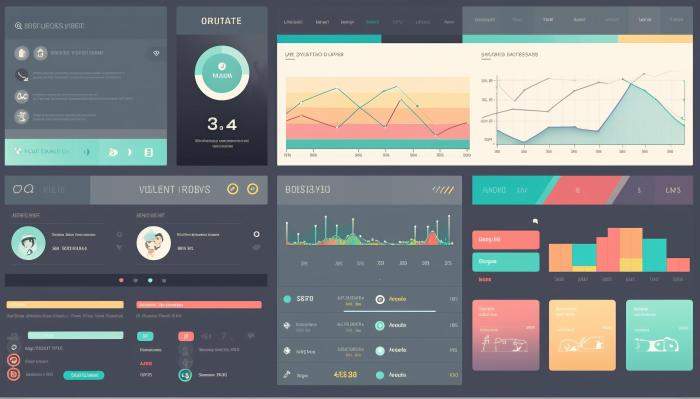
Infographics, when strategically designed and deployed, can significantly boost a firm’s growth and profitability. However, simply creating visually appealing graphics isn’t enough. To truly understand the return on investment (ROI) of infographics, it’s crucial to meticulously track and measure their impact on various key performance indicators (KPIs). This allows firms to refine their infographic strategies and optimize their effectiveness for maximum results.To quantify the impact of infographics, firms must move beyond just aesthetics and delve into concrete metrics.
This involves a comprehensive analysis of website traffic, social media engagement, and conversion rates, ultimately translating visual storytelling into tangible business outcomes. A well-structured tracking system, coupled with data analysis, provides valuable insights into the effectiveness of infographic campaigns.
Key Metrics for Evaluating Infographic Effectiveness
Understanding the specific metrics that measure infographic success is essential for a thorough analysis. These metrics provide a clear picture of how infographics are contributing to overall business goals. Crucially, these metrics need to align with the specific business objectives for each infographic. For example, an infographic promoting a new product might focus on conversion rates, while one explaining a complex process might emphasize website traffic and engagement.
- Website Traffic and Engagement: Analyzing website traffic, specifically the traffic driven by infographic-related content, reveals the effectiveness of the graphic as a marketing tool. Tracking unique visitors, page views, time on page, and bounce rates for infographic-related landing pages offers insights into audience engagement and interest.
- Social Media Interactions: Social media platforms are valuable channels for spreading infographics and engaging with a wider audience. Key metrics for measuring social media impact include shares, likes, comments, retweets, and mentions. These metrics reveal audience response and the virality potential of the infographic. Tools like Twitter Analytics and Facebook Insights provide detailed information on audience interaction and content performance.
- Conversion Rates: Measuring conversions directly tied to the infographic is vital. This might include form submissions, product purchases, or inquiries generated through the infographic. If an infographic leads to a specific call to action, tracking the conversion rate from that infographic will help determine its effectiveness.
Methods for Tracking Website Traffic and Engagement with Infographics
Website traffic and engagement are crucial indicators of infographic success. Using analytics tools, firms can pinpoint the impact of their infographics. This data helps in identifying areas for improvement and refining future strategies.
- Utilizing Website Analytics Platforms: Platforms like Google Analytics offer detailed tracking of website traffic, including page views, bounce rates, time spent on pages, and traffic sources. Specific tracking of traffic from social media or direct links to infographics provides a clear picture of their effectiveness. By comparing traffic patterns before and after the infographic’s publication, firms can assess the increase or decrease in website activity.
- Implementing UTM Parameters: These parameters allow tracking of specific traffic sources, such as social media campaigns or direct links from emails. This is invaluable for isolating the effect of the infographic on website performance.
Analyzing Social Media Interactions with Infographics
Social media interaction provides insights into the popularity and resonance of an infographic. The extent of engagement often indicates the infographic’s appeal and effectiveness in reaching the target audience. Analyzing the data allows for the optimization of future content.
- Utilizing Social Media Analytics Tools: Tools specific to each platform (e.g., Twitter Analytics, Facebook Insights, Instagram Insights) offer detailed data on engagement metrics. This data helps understand the demographics of the audience interacting with the infographic. Tracking mentions, shares, and reactions provides insight into how well the infographic is resonating with the target audience.
Methods to Measure the Increase in Conversions Driven by Infographics
Conversions represent a direct link between the infographic and a desired business outcome. Identifying the source of these conversions reveals the value of the infographic in achieving specific goals.
- Tracking Conversion Paths: Using website analytics tools, firms can track the path users take from viewing the infographic to completing a desired action. This helps pinpoint the effectiveness of the infographic in driving conversions. This often involves setting up conversion goals and tracking the actions that lead to those goals.
Template for Tracking Infographic Performance Metrics
| Metric | Date | Value | Source | Notes |
|---|---|---|---|---|
| Website Visits (Infographic Page) | 2024-10-26 | 150 | Google Analytics | Initial visit count after infographic publication. |
| Social Media Shares | 2024-10-26 | 25 | Twitter Analytics | Number of shares on Twitter. |
| Conversion Rate (Sign-ups) | 2024-10-26 | 2% | Google Analytics | Percentage of visitors who signed up after viewing the infographic. |
Wrap-Up
In conclusion, infographic increasing the growth and profitability of your firm no magic r demonstrates how powerful visuals can be for business success. By effectively communicating data, telling compelling stories, and strategically designing your infographics, you can elevate your firm’s performance and profitability.