

Finding the right research methods for brand management is crucial for success in today’s competitive market. This exploration dives deep into the essential research strategies for understanding consumer behavior, brand perception, and ultimately, achieving brand success. We’ll cover everything from defining brand management research to analyzing data and presenting findings, equipping you with the tools to make informed decisions.
From qualitative insights into consumer needs to quantitative data on brand performance, this comprehensive guide will explore various research methods, enabling you to choose the best approach for your specific brand management objectives. We’ll also address ethical considerations and data analysis techniques.
Defining Brand Management Research
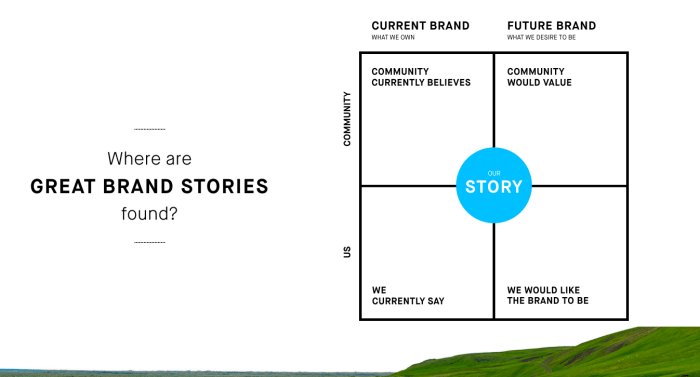
Brand management is a multifaceted discipline focused on building, maintaining, and enhancing a brand’s reputation and value in the marketplace. It encompasses a wide range of activities, from crafting compelling brand narratives to developing effective marketing strategies. At its core, brand management aims to create a strong and recognizable brand that resonates with target consumers, fostering loyalty and driving profitability.
This often involves understanding consumer behavior, market trends, and competitive landscapes.Effective brand management requires a deep understanding of the brand’s identity, positioning, and equity. These elements are crucial for building a sustainable and successful brand. Successful brands often undergo consistent evaluation and refinement to adapt to evolving market conditions and consumer preferences. By employing appropriate research methods, brand managers can gain insights into consumer perceptions, preferences, and behaviors, allowing for strategic adjustments and improvements.
Brand Management: Core Principles and Objectives
Brand management’s primary objectives are to establish a clear brand identity, create a strong brand position in the market, and build brand equity. A strong brand identity is crucial for differentiation and recognition. A well-defined brand position helps target specific consumer segments and create a unique value proposition. Brand equity, representing the added value brought by the brand, is a key indicator of success in brand management.
Brand management seeks to maximize this equity through consistent brand communication and customer experience.
Facets of Brand Management
Brand management encompasses several key facets, each playing a critical role in brand building.
Figuring out the perfect research methods for brand management can be tricky. A crucial aspect is testing your digital ad campaigns. For example, checking if your ads resonate with the target audience is essential. Sites like testing your digital ads would your ads pass offer valuable insights into optimizing your campaigns. Ultimately, the right research methods give you the data to fine-tune your brand strategies for maximum impact.
- Brand Identity: This involves defining the core values, personality, and visual attributes that represent the brand. A strong brand identity ensures that the brand resonates with its target audience and stands out from competitors. For example, Apple’s brand identity is closely tied to innovation, sleek design, and user-friendly technology.
- Brand Positioning: This strategy involves establishing the brand’s place in the market relative to competitors. Brand positioning clarifies the brand’s unique selling proposition (USP) and differentiates it from competitors. A well-defined positioning strategy helps target the right consumer segments. For instance, Dove positions itself as a brand that promotes natural beauty and self-esteem.
- Brand Equity: This refers to the overall value of the brand. Brand equity encompasses various factors such as brand awareness, perceived quality, brand associations, and customer loyalty. A high level of brand equity indicates a strong and recognized brand, attracting customers and fostering profitability. Nike, for example, has considerable brand equity due to its strong association with athletic performance and its global presence.
Types of Brand Management Research
Brand management research employs various approaches to gather data and insights.
- Exploratory Research: This type of research is used to explore a phenomenon or generate ideas. It’s often used in the initial stages of brand development to understand consumer perceptions and preferences regarding a new brand or product. This method can involve focus groups, in-depth interviews, or online surveys.
- Descriptive Research: This research aims to describe a phenomenon or a market. It provides a detailed picture of the current state of the brand, including market share, consumer demographics, and brand awareness. Surveys, observational studies, and secondary data analysis are common methods in descriptive research.
- Causal Research: This research focuses on identifying cause-and-effect relationships. It investigates how changes in one variable affect another. Experiments and controlled studies are often used in causal research. For instance, a brand might conduct an A/B testing experiment to determine the effectiveness of different advertising campaigns.
Quantitative vs. Qualitative Research in Brand Management
Different research methods offer unique insights into brand management. Understanding the strengths and weaknesses of each method is crucial for informed decision-making.
| Characteristic | Quantitative Research | Qualitative Research |
|---|---|---|
| Data Type | Numerical data (e.g., sales figures, survey responses) | Descriptive data (e.g., interviews, focus group discussions) |
| Sample Size | Large sample size | Smaller sample size |
| Data Analysis | Statistical analysis | Thematic analysis, interpretation |
| Purpose | Testing hypotheses, measuring relationships, generalizing findings | Exploring ideas, understanding motivations, generating insights |
| Examples | Surveys, experiments, statistical analysis of sales data | Interviews, focus groups, ethnographic studies |
Identifying Research Questions: Finding The Right Research Methods For Brand Management
Defining the right research questions is the cornerstone of any successful brand management study. Without a clear understanding of what you’re trying to find out, your research methods will likely be misaligned, leading to inconclusive results and wasted resources. A well-defined research question guides the entire process, ensuring that the chosen methods effectively address the specific needs of the study.
This clarity is crucial for both academic research and practical applications in business.A focused research question directs the researcher towards relevant data collection methods, ensuring that the chosen approach is appropriate and powerful for extracting the necessary information. It also sets the boundaries for the study, avoiding unnecessary tangents and maintaining a clear path towards meaningful conclusions. This, in turn, enables a more efficient and effective use of resources.
Importance of Clearly Defined Research Questions
Clear research questions are essential for several reasons. They provide direction and focus, enabling researchers to collect data relevant to the study’s objectives. This focused approach reduces the likelihood of gathering irrelevant data, saving time and resources. Moreover, well-defined questions enhance the credibility of the research by demonstrating a clear understanding of the research problem. This clarity of purpose is critical in establishing the validity and reliability of the findings.
Ultimately, the quality and impact of brand management research hinges on the precision of the research questions.
Examples of Research Questions, Finding the right research methods for brand management
A range of research questions can be formulated to investigate various aspects of brand management. For instance, you could ask about consumer perception of a particular brand, the effectiveness of a new marketing campaign, or the impact of social media on brand image. These questions should be specific enough to guide the research while remaining broad enough to allow for exploration of various aspects.
- How do different demographics perceive the brand image of a specific product?
- What is the effect of influencer marketing on brand awareness and purchase intent?
- Does a particular brand’s sustainability initiatives influence consumer loyalty?
- How does brand storytelling impact customer engagement and advocacy?
Formulating Specific and Measurable Research Questions
Specific and measurable research questions are crucial for ensuring the research is focused and can be evaluated effectively. These questions should be phrased in a way that allows for data collection and analysis to provide a concrete answer. For instance, instead of asking “How does advertising affect brand perception?”, a more specific question would be “What is the correlation between the frequency of television advertisements and consumer ratings of a specific brand’s image, measured on a scale of 1 to 10?”To make research questions measurable, ensure they include specific variables that can be quantified or observed.
This allows for comparison and analysis of data, enabling the researcher to draw meaningful conclusions. A measurable research question directly points towards specific data points that can be collected and analyzed.
Comparing Research Questions and Potential Methods
The following table demonstrates how different research questions can influence the choice of research methods in brand management studies.
| Research Question | Potential Impact on Research Methods |
|---|---|
| How do millennial consumers perceive the brand image of a luxury brand? | Qualitative methods like focus groups and in-depth interviews would be suitable to explore nuanced perceptions. Quantitative surveys could also be used to quantify specific brand attributes. |
| What is the impact of packaging design on consumer purchase intention for a new product line? | A controlled experiment, where different packaging designs are presented to consumers, would be ideal. Quantitative analysis of sales data could provide further insights. |
| Does the use of social media influencers positively affect brand awareness for a specific product? | A mixed-methods approach might be best. Quantitative data on social media engagement and website traffic could be complemented by qualitative interviews to understand the reasons behind any observed trends. |
Exploring Qualitative Research Methods
Unveiling the nuances of consumer perception and brand experience requires a deep dive into the human element. Qualitative research methods offer a powerful lens for understanding the “why” behind consumer behavior, providing rich insights that quantitative data often misses. This approach goes beyond numbers to explore the motivations, emotions, and stories that shape consumer interactions with brands. By understanding the lived experiences of consumers, we can develop more effective brand strategies.Qualitative research methods are particularly valuable for exploring complex brand perceptions and consumer behaviors.
They allow researchers to delve into the rich context of brand experiences, uncover hidden motivations, and understand the subtle factors influencing purchase decisions. This approach is crucial for gaining an in-depth understanding of how consumers truly perceive and interact with brands.
Strengths and Limitations of Qualitative Research
Qualitative research methods, while powerful, have inherent strengths and limitations. Their ability to explore complex phenomena and understand underlying motivations is a significant advantage. However, generalizability to broader populations can be a challenge, and the subjective nature of data collection and interpretation can introduce bias.
Figuring out the best research methods for brand management can be tricky, especially in times like these. Understanding consumer behavior during the pandemic is crucial, and resources like coronavirus help for businesses offer insights into how businesses are adapting. Ultimately, the right methods will depend on the specific brand and its goals, but meticulous research is key to navigating these shifting waters.
Different Qualitative Research Methods
Several qualitative research methods are available to brand managers. Understanding the nuances of each method is crucial for selecting the most appropriate technique for a particular research question.
- Interviews: Structured, semi-structured, or unstructured interviews provide a direct avenue for gathering in-depth information from individual consumers. These conversations can reveal nuanced perspectives on brand experiences, uncovering motivations, frustrations, and unmet needs. In-depth interviews are particularly effective for understanding complex issues and for exploring sensitive topics. For example, a brand manager might conduct in-depth interviews to understand why consumers are choosing a competitor’s product over their own.
This allows for probing deeper into the reasons behind the consumer choices.
- Focus Groups: Focus groups bring together a small group of consumers to discuss a specific topic or brand. The dynamic interaction within the group can generate rich insights into collective perceptions and shared experiences. The group discussion format allows for the identification of emerging themes and patterns, leading to a better understanding of common sentiments toward a brand.
For example, a focus group might be used to discuss the appeal of a new product line, allowing the researchers to gauge consumer interest and feedback.
- Ethnographic Studies: Ethnographic research immerses researchers in the everyday lives of consumers to understand how they interact with products and brands in their natural environment. This method provides a holistic view of consumer behavior, revealing the cultural context surrounding consumption decisions. For example, observing consumers in a grocery store or using a particular product in their homes can reveal crucial details about brand usage and perception.
This deep immersion in consumer settings allows for the discovery of unspoken nuances and unexpected insights into brand experiences.
Designing Qualitative Research for Brand Perception
Effective qualitative research design is critical for exploring brand perception and consumer behavior. A well-defined research question, a clear sampling strategy, and thoughtful data collection techniques are paramount. For instance, a brand manager investigating the perceived value of a premium brand might use a combination of interviews and focus groups to uncover the specific attributes that consumers associate with value.
Figuring out the best research methods for brand management can be tricky, but understanding how companies use social media is key. For example, checking out social media for hr 10 game changing tips reveals how social media insights can be used to tailor brand messaging and improve customer engagement. Ultimately, this all boils down to finding the right research methods to uncover what resonates with your target audience.
Examples of Qualitative Research in Brand Experiences
Qualitative research can reveal valuable insights into brand experiences. For instance, analyzing consumer feedback from online reviews and social media posts can provide insights into perceived brand strengths and weaknesses. Understanding the language consumers use to describe a brand can reveal subtle nuances in their perceptions. For example, analyzing customer feedback from social media platforms like Twitter or Instagram about a specific brand can give a deeper understanding of what consumers value and how they feel about the brand’s offerings.
Comparing Qualitative Methods
| Method | Description | Potential Applications in Brand Management |
|---|---|---|
| Interviews | In-depth conversations with individual consumers. | Uncovering motivations, understanding specific customer needs, exploring sensitive topics. |
| Focus Groups | Group discussions to explore collective perceptions. | Identifying emerging themes, understanding shared experiences, testing new product concepts. |
| Ethnographic Studies | Immersion in consumer lives to understand behavior in context. | Observing how consumers use products, understanding cultural influences on brand perception, uncovering unarticulated needs. |
Investigating Quantitative Research Methods
Quantitative research provides a structured and measurable approach to understanding brand management issues. It relies on numerical data and statistical analysis to identify trends, relationships, and patterns within brand perception and consumer behavior. This approach allows for generalization and replication, making the findings more robust and applicable across diverse contexts. By employing quantitative methods, researchers can gain a deeper understanding of brand performance and consumer responses to marketing strategies.Quantitative research methods are crucial in brand management because they allow for the objective measurement of brand attributes and consumer attitudes.
This objectivity is essential for drawing valid conclusions and making data-driven decisions. Furthermore, the ability to quantify brand awareness, customer satisfaction, and other key metrics enables brands to track progress and adjust strategies effectively.
Advantages and Disadvantages of Quantitative Research
Quantitative research offers several advantages in brand management studies. It allows for the collection of large amounts of data, enabling researchers to identify broader trends and patterns within a population. This data can be statistically analyzed, leading to precise measurements and comparisons. Furthermore, quantitative methods often facilitate replication and validation of results. However, quantitative research also has limitations.
It may not always capture the nuances and complexities of consumer behavior or the underlying motivations behind brand perceptions. The standardized nature of data collection can sometimes lead to superficial insights or a limited understanding of the context surrounding brand experiences.
Quantitative Methods in Brand Management
Several quantitative methods are commonly employed in brand management research. Surveys are a widely used method for gathering data on consumer opinions, preferences, and perceptions. Experiments can be designed to test the impact of specific marketing campaigns or brand elements on consumer responses. Statistical analysis, such as regression analysis or correlation analysis, allows researchers to identify relationships between variables and predict future outcomes.
Designing Quantitative Studies for Brand Metrics
To measure brand awareness and customer satisfaction effectively, quantitative studies require careful design. Clear research questions must be formulated to guide data collection and analysis. Well-defined scales and questionnaires are essential for obtaining reliable and valid data. Ensuring a representative sample of the target market is critical for generalizing findings. For brand awareness, surveys can include questions about brand recognition, recall, and association.
Customer satisfaction can be measured through surveys assessing satisfaction levels with various aspects of the brand experience.
Quantifying Brand Performance
Quantitative research can quantify brand performance in various ways. Brand awareness metrics, such as the percentage of consumers who recognize a brand, can be calculated. Customer satisfaction scores, measured through standardized scales, provide a numerical representation of customer loyalty. Brand equity, a measure of the overall value of a brand, can be calculated based on factors like brand recognition, perceived quality, and customer loyalty.
These metrics allow brands to assess their performance, track progress, and make data-driven decisions.
Data Presentation: Brand Perception Survey
| Brand Attribute | Excellent | Good | Fair | Poor |
|---|---|---|---|---|
| Brand Reliability | 35% | 48% | 12% | 5% |
| Brand Innovation | 22% | 55% | 18% | 5% |
| Brand Value | 40% | 40% | 15% | 5% |
This table displays data collected through a survey on brand perception. The data represents the percentage of respondents who rated each brand attribute (reliability, innovation, and value) as excellent, good, fair, or poor. This structured presentation allows for easy comparison of brand perceptions across different attributes.
Selecting Appropriate Data Collection Techniques
Choosing the right data collection methods is crucial for a successful brand management research project. It directly impacts the quality and reliability of the findings, influencing decisions regarding brand positioning, messaging, and overall strategy. A well-chosen approach ensures insights are actionable and relevant to the specific objectives of the study.Effective brand management research hinges on selecting data collection techniques that align with the research questions and the nature of the data needed.
A variety of methods are available, each with unique strengths and weaknesses. Carefully evaluating these characteristics is paramount to achieving accurate and meaningful results.
Data Collection Techniques in Brand Management
Various data collection techniques are available for brand management research. Each method offers unique advantages and disadvantages. Understanding these nuances allows researchers to select the most appropriate tools for their specific needs.
- Surveys: Surveys are widely used for gathering large-scale data on brand perceptions, attitudes, and behaviors. They are cost-effective for collecting quantitative data from a broad range of respondents. However, surveys can be limited by respondent bias and may not capture the nuanced complexities of brand experiences.
- Interviews: In-depth interviews provide rich qualitative data, allowing researchers to explore respondents’ motivations, feelings, and opinions in detail. This approach is particularly valuable for understanding the context behind consumer behavior and brand loyalty. However, interviews are often time-consuming and costly, and sample sizes are typically smaller.
- Observations: Observational studies allow researchers to directly witness consumer interactions with brands in real-world settings. This provides valuable insights into spontaneous behaviors and reactions. However, observations can be difficult to control and may not always yield the specific data required to answer certain research questions.
- Secondary Data Analysis: Leveraging existing data from sources like market research reports, social media platforms, and company databases is a cost-effective method for gaining insights into brand trends and consumer behaviors. This approach is particularly useful for exploratory research and for identifying potential research areas. However, researchers must be mindful of data quality and the potential for biases embedded in the source data.
Comparing and Contrasting Data Collection Techniques
A comparative analysis of the data collection techniques reveals their relative strengths and weaknesses within the context of brand management research.
| Data Collection Technique | Strengths | Weaknesses | Cost | Time Requirement |
|---|---|---|---|---|
| Surveys | Cost-effective for large samples; standardized data; easy to analyze; quick results | Limited depth of responses; potential for response bias; may not capture nuanced experiences | Moderate | Moderate |
| Interviews | Rich qualitative data; detailed understanding of motivations; insightful exploration of brand experiences; high level of control over interview flow | Time-consuming; costly; smaller sample sizes; potential for interviewer bias; data analysis can be complex | High | High |
| Observations | Real-world insights; direct observation of consumer behavior; less susceptible to response bias | Difficult to control; time-consuming; potentially subjective interpretations; may not capture all relevant aspects of the experience | Moderate to High | Moderate to High |
| Secondary Data Analysis | Cost-effective; readily available data; broad insights into trends; quick turnaround | Data quality may vary; limited control over data collection; potential for bias in original data; might not align perfectly with research questions | Low | Low |
Selecting the Best Method for Specific Research Questions
The choice of data collection technique should be guided by the specific research questions and objectives of the brand management study. For example, if the research aims to understand consumer perceptions of a new brand logo, a combination of surveys and interviews could provide a comprehensive understanding. If the research aims to understand how consumers interact with a new app, observations might be most suitable.
If the research aims to understand overall market trends, secondary data analysis could provide the most efficient approach.
Analyzing Data Effectively

Unleashing the power of collected data requires a systematic approach to analysis. Simply gathering information isn’t enough; transforming raw data into actionable insights is crucial for brand management decisions. This involves understanding various analytical techniques, interpreting results, and effectively visualizing findings. This process ensures that data-driven strategies are informed by the insights gleaned from the collected information, allowing for more precise and effective brand management.
Different Data Analysis Techniques
A multitude of techniques are available for analyzing data in brand management research. Choosing the right approach depends heavily on the research questions and the nature of the data collected. Descriptive statistics summarize and describe the data, while inferential statistics draw conclusions about a population based on a sample. Regression analysis explores relationships between variables, and cluster analysis groups similar data points.
Furthermore, sentiment analysis, particularly useful with qualitative data, helps identify trends and public opinion surrounding a brand.
Interpreting and Analyzing Collected Data
Interpreting data goes beyond simply presenting numerical results. It necessitates a deep understanding of the context within which the data was collected. Meaningful insights emerge when analyzing trends, patterns, and anomalies within the data. Consider the context of the data—are there any external factors influencing the results? Are there any unexpected findings that warrant further investigation?
A critical eye and a thorough understanding of the research questions are paramount to interpreting data accurately and drawing appropriate conclusions.
Statistical Software for Data Analysis
Statistical software tools offer streamlined solutions for data analysis in brand management. Tools like SPSS, R, and Python provide functions for calculating descriptive statistics, running hypothesis tests, and creating visualizations. For instance, SPSS can perform complex statistical analyses, while R is particularly powerful for advanced statistical modeling. Python, with its extensive libraries like Pandas and Scikit-learn, offers a versatile environment for data manipulation and analysis.
Visualizing Data for Meaningful Insights
Data visualization transforms complex datasets into easily digestible formats. Effective visualizations communicate key findings and patterns in a clear and concise manner. Bar charts, line graphs, scatter plots, and pie charts are some of the most common tools for visualizing data in brand management. For example, a bar chart can effectively display brand awareness scores across different demographics.
A line graph might illustrate the evolution of customer satisfaction over time. Visualizations help in quickly identifying trends, patterns, and outliers that might be missed in raw data.
Data Analysis Steps for Different Research Methods
| Research Method | Data Collection | Data Cleaning | Data Transformation | Statistical Analysis | Interpretation |
|---|---|---|---|---|---|
| Qualitative (e.g., Interviews) | Transcribe interviews | Identify key themes and patterns | Code and categorize data | Thematic analysis, content analysis | Interpret findings in context of research questions |
| Quantitative (e.g., Surveys) | Input survey data into spreadsheet | Handle missing values and outliers | Calculate descriptive statistics, create variables | Regression analysis, t-tests, ANOVA | Draw conclusions based on statistical significance |
This table provides a high-level overview of the steps involved in data analysis for various research methods. Each step is crucial in ensuring that the analysis is accurate and relevant to the research questions. The specific techniques and tools employed will vary depending on the specific method used.
Ethical Considerations in Research
Navigating the world of brand management research requires a deep understanding of ethical principles. These principles ensure that the research process is conducted with integrity and respect for all participants, upholding the trustworthiness of the findings and contributing to a positive impact on the field. Ethical considerations are not simply add-ons; they are fundamental to the entire research process, from the initial design to the final analysis.Researching brands often involves interacting with individuals and organizations.
Maintaining ethical standards ensures that these interactions are conducted in a manner that respects the rights, dignity, and well-being of all stakeholders. This proactive approach builds trust and enhances the credibility of the research itself.
Ethical Principles Guiding Brand Management Research
Ethical research practices are guided by fundamental principles. These principles emphasize respect for persons, beneficence, and justice. Respect for persons underscores the importance of autonomy and the right to self-determination, while beneficence stresses the obligation to maximize potential benefits and minimize possible harm. Justice emphasizes fairness in the distribution of research benefits and burdens.
Importance of Informed Consent
Informed consent is a cornerstone of ethical research. It’s the process of ensuring that participants understand the nature of the research, their rights, and the potential risks and benefits involved. Obtaining informed consent is crucial for respecting participants’ autonomy and ensuring they willingly participate. Participants must be fully aware of the purpose, procedures, potential risks, and benefits of the research before agreeing to participate.
A key element is transparency; participants need to comprehend what their involvement entails.
Potential Ethical Challenges in Brand Management Research
Several ethical challenges can arise in brand management research. These challenges often stem from the sensitive nature of brand perception and consumer behavior. For example, the use of deception or manipulation in research can compromise the integrity of the findings and potentially harm participants. Maintaining anonymity and confidentiality is critical to protect participants’ privacy and avoid stigmatization.
Furthermore, potential conflicts of interest between researchers and brands or organizations being studied must be meticulously addressed to prevent bias and maintain objectivity.
Ensuring Data Privacy and Confidentiality
Data privacy and confidentiality are paramount in brand management research. Researchers must ensure that data collected from participants is handled securely and that personal information is protected. Data anonymization techniques, such as removing identifying information, can protect participants’ privacy. Secure storage and access control mechanisms are essential to safeguard sensitive data. Additionally, participants should be informed about how their data will be used and stored, and the specific measures taken to ensure its confidentiality.
Strict adherence to data protection regulations and guidelines is essential.
Ethical Considerations for Different Types of Brand Management Research
| Research Type | Ethical Considerations ||—|—|| Surveys | Ensuring anonymity, avoiding leading questions, providing a clear purpose, obtaining informed consent. || Interviews | Respecting participant confidentiality, allowing participants to express opinions freely, maintaining a neutral stance, ensuring the interview setting is comfortable. || Experiments | Avoiding deception, ensuring participant well-being, obtaining informed consent before introducing experimental stimuli, providing debriefing after the experiment.
|| Focus Groups | Ensuring participant confidentiality, facilitating a respectful environment, avoiding dominating group members, allowing all voices to be heard. || Observational Studies | Ensuring participant anonymity, respecting privacy, obtaining informed consent (if applicable), carefully considering potential for harm. |
Presenting Research Findings
Communicating research findings effectively is crucial for brand management. A well-presented study can inform strategic decisions, influence marketing campaigns, and ultimately drive brand growth. This section delves into various methods for presenting research findings, emphasizing clarity, conciseness, and visual appeal. It also highlights the importance of tailoring the presentation to the specific audience.Research findings are not just data points; they are stories waiting to be told.
A compelling presentation transforms raw information into actionable insights that resonate with stakeholders. Clear and concise communication ensures that the key takeaways are understood, regardless of the audience’s background or technical expertise.
Different Presentation Formats
Effective presentation of brand management research requires adaptability. The chosen format should be aligned with the audience’s needs and the specific research objectives. Different formats offer varying degrees of depth and visual impact.
- Executive Summaries: These concise reports distill complex research into key findings, recommendations, and actionable takeaways. They are ideal for high-level stakeholders needing a quick overview. Executive summaries are frequently used in presentations to senior management, investors, and board members.
- Detailed Research Reports: These comprehensive documents provide a detailed account of the entire research process, including methodology, findings, and analysis. They are beneficial for in-depth exploration and understanding. A detailed report can be invaluable for internal teams involved in developing specific brand strategies.
- Presentations: Oral presentations allow for dynamic interaction and immediate feedback. They are often employed for showcasing research findings to teams, stakeholders, or external audiences. Presentations often incorporate visual aids, such as charts and graphs, to illustrate key points and support the narrative.
Structure of a Research Report
A well-structured research report facilitates comprehension and promotes clarity. A standard format for a brand management research report includes an introduction, literature review, methodology, findings, discussion, and conclusion. This structure provides a logical flow of information, allowing the reader to follow the research journey from initial questions to final conclusions.
- Introduction: This section introduces the research problem, its significance, and the research questions being addressed. It provides context and sets the stage for the study.
- Literature Review: This section summarizes existing research related to the topic, highlighting key theories and previous findings. It demonstrates the researcher’s understanding of the relevant literature and how the current study contributes to the body of knowledge.
- Methodology: This section details the research design, data collection methods, and analysis techniques. Transparency in methodology ensures credibility and allows for replication.
- Findings: This section presents the collected data and key insights derived from the analysis. This section will include graphs, charts, and tables to visually represent the data.
- Discussion: This section interprets the findings in the context of the literature review and research questions. It discusses the implications of the findings and identifies potential limitations.
- Conclusion: This section summarizes the key findings and their significance. It offers recommendations based on the research outcomes and identifies areas for future research.
Visual Representations of Findings
Visual representations are crucial for conveying complex information effectively. Charts, graphs, and infographics provide a concise and impactful way to present data. The choice of visual should align with the type of data and the message being conveyed.
- Bar Charts: Ideal for comparing categories or showing trends over time. These are useful for representing sales figures, brand awareness scores, or customer satisfaction levels.
- Line Graphs: Effective for illustrating trends and changes over time. They are suitable for tracking brand performance metrics or showing the evolution of customer behavior.
- Pie Charts: Useful for showcasing proportions or percentages of different components within a whole. These can display market share distribution, customer demographics, or brand attribute ratings.
- Infographics: These visually engaging presentations combine data with images and text to convey information in a creative and accessible way. They can be employed for illustrating brand perceptions, consumer journeys, or market trends.
Presentation Format Table
| Presentation Format | Description | Appropriateness for Audience |
|---|---|---|
| Executive Summary | Concise overview of key findings and recommendations. | Senior management, investors, board members. |
| Detailed Research Report | Comprehensive analysis of the entire research process. | Internal teams, academics, researchers. |
| Presentation | Oral presentation with visual aids. | Diverse audiences, including teams, stakeholders, and external parties. |
Wrap-Up
In conclusion, navigating the landscape of brand management research requires a thoughtful approach. By understanding the nuances of various methods, from qualitative explorations to quantitative measurements, you can effectively uncover valuable insights into your target audience and optimize your brand strategies. The journey to crafting successful brand management strategies starts with selecting the right research methods. Armed with this knowledge, you can unlock a deeper understanding of your brand’s position and forge a stronger connection with your customers.