

Discover the power of Jira software in driving successful projects. This comprehensive guide delves into the core functionalities of Jira, demonstrating how it streamlines project planning, enhances collaboration, and ultimately boosts project efficiency. From defining project scope to visualizing progress, we’ll explore the entire Jira ecosystem, providing practical insights and actionable strategies for teams of all sizes.
Jira’s versatility extends beyond basic project management, encompassing various methodologies like Scrum and Kanban. The platform’s integrated features facilitate seamless communication, task management, and progress tracking. This exploration will cover essential aspects, from creating and managing backlogs to optimizing workflows and troubleshooting common issues.
Introduction to Jira Software: Discover The Power Of Jira Software In Driving Successful Projects
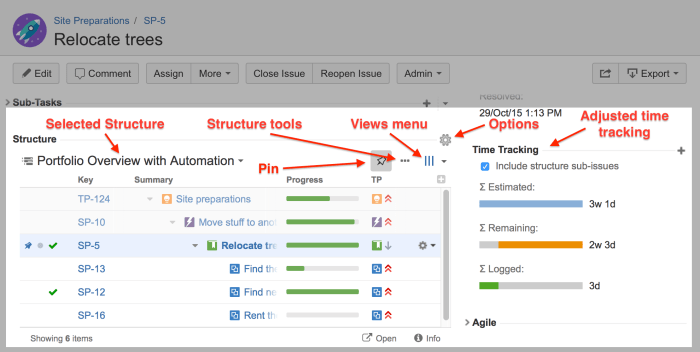
Jira Software is a popular project management tool used by teams worldwide to plan, track, and manage their work effectively. It’s more than just a to-do list; it’s a comprehensive platform designed to streamline workflows, foster collaboration, and ultimately, drive successful project outcomes. It helps teams visualize progress, identify bottlenecks, and make data-driven decisions throughout the project lifecycle.Jira Software offers a flexible and adaptable approach to project management, allowing teams to tailor their processes to specific needs and methodologies.
Unleashing the power of Jira software for project success is key, but savvy project managers also know the importance of a strong marketing strategy, especially during the holidays. Think about how you can leverage social media platforms to boost your brand and drive sales, like in using social media to market during the holidays. Ultimately, a well-structured project management system, like Jira, is the backbone for achieving your goals, even during peak holiday seasons.
This flexibility is crucial for navigating the complexities of modern project work, from intricate software development cycles to agile marketing campaigns.
Core Functionalities of Jira Software
Jira Software’s core functionalities revolve around issue tracking, enabling teams to manage tasks, bugs, and other work items as issues within a project. This detailed tracking allows for transparency and accountability, essential elements for any successful project. Its robust issue tracking system facilitates comprehensive task management, providing visibility into every stage of the project lifecycle. The ability to assign tasks, set deadlines, and monitor progress contributes significantly to effective project execution.
Key Features Driving Project Success
Jira Software excels in project management through its key features. These features empower teams to organize work, track progress, and identify roadblocks. Customizable workflows allow teams to adapt the software to their specific processes, fostering a tailored approach to project management. Agile methodologies like Scrum and Kanban are seamlessly integrated, enabling agile teams to leverage Jira’s power.
Reporting and analytics provide valuable insights into project performance, enabling data-driven decision-making. The integration of these features creates a comprehensive solution for project management needs.
Jira Software Integration
Jira Software seamlessly integrates with a wide array of tools and platforms, extending its reach and enhancing its value. This integration empowers teams to connect various aspects of their work, streamlining workflows and fostering a unified project ecosystem. Integration with popular communication platforms like Slack and Microsoft Teams ensures real-time collaboration. Integration with code repositories like Git helps bridge the gap between development and project management, providing a holistic view of the project.
The ability to integrate with other platforms is a significant advantage, allowing users to avoid information silos and promote a unified workflow.
Project Types in Jira Software
Jira Software supports various project types, accommodating different project methodologies. This adaptability is a key factor in its widespread adoption across diverse industries. Each project type aligns with specific workflow structures and emphasizes different aspects of project management.
| Project Type | Description |
|---|---|
| Scrum | A framework for agile software development, emphasizing iterative development cycles (sprints) and close collaboration. |
| Kanban | A visual workflow management system that emphasizes continuous improvement and flow. |
| Other | Jira Software also supports other project types, such as those aligned with specific industries or custom workflows. |
Project Planning and Management with Jira
Jira Software isn’t just a tool; it’s a powerful framework for streamlining project planning and management. It allows teams to visualize progress, collaborate effectively, and ultimately, deliver successful projects. This section dives deep into how Jira helps define scope, manage backlogs, execute sprints, and track progress.Defining the project’s scope and objectives is crucial for success. Jira helps by enabling teams to clearly articulate project goals and the deliverables required to achieve them.
This clarity reduces ambiguity and fosters a shared understanding among team members.
Defining Project Scope and Objectives in Jira
Jira’s issue tracking system facilitates the definition of project scope. Each project is broken down into individual tasks, issues, or user stories, each with specific requirements and acceptance criteria. This detailed breakdown ensures that every aspect of the project is accounted for and that everyone understands their role in achieving the overall objectives. Thorough documentation of these aspects is essential for project clarity.
Creating and Managing Project Backlogs in Jira
The project backlog in Jira acts as a centralized repository for all project tasks and requirements. Teams can organize this backlog using various methods, such as categorizing issues by priority, due date, or type. Effectively managing the backlog involves prioritizing tasks based on business value and dependencies. This ensures the team focuses on the most critical tasks first, optimizing project efficiency.
Setting Up and Managing Sprints in Jira for Agile Methodologies
Sprints are crucial for Agile project management. Jira allows for the creation and management of sprints, enabling teams to work in iterative cycles. Each sprint has a defined timeframe (typically 1-4 weeks) and a specific set of goals. This iterative approach allows for continuous feedback, adaptation, and improvements throughout the project lifecycle. Jira’s sprint boards visually represent the progress of tasks within each sprint.
Assigning Tasks and Tracking Progress in Jira
Jira provides tools for assigning tasks to team members, setting deadlines, and tracking progress. Visual progress bars and status updates help monitor the workflow and identify potential bottlenecks. Regular reporting and communication within Jira keep the team informed and ensure transparency about the project’s progress. This visibility is essential for proactive issue resolution.
Comparing Project Management Methodologies in Jira, Discover the power of jira software in driving successful projects
Different methodologies offer varying approaches to project management. Jira supports various methodologies, including Waterfall and Agile. While both can be implemented within Jira, they differ significantly in their approach to planning, execution, and feedback.
| Methodology | Planning | Execution | Feedback |
|---|---|---|---|
| Waterfall | Detailed upfront planning, sequential phases | Linear progression, minimal flexibility | Feedback occurs at the end of each phase |
| Agile | Iterative planning, adapting to changing needs | Flexible, continuous adaptation | Frequent feedback loops, continuous improvement |
This table illustrates the fundamental differences between these two methodologies. Jira’s flexibility allows teams to tailor their approach to suit their project needs. Choosing the right methodology is essential for success.
Collaboration and Communication within Jira

Jira Software isn’t just a project management tool; it’s a powerful platform for fostering collaboration and communication within development teams. Its features enable seamless interaction, from initial planning to final delivery, keeping everyone aligned and informed throughout the project lifecycle. This section dives deep into how Jira facilitates effective communication and collaboration, crucial for project success.Jira’s intuitive interface and robust features streamline communication and collaboration, leading to improved team performance.
By providing a centralized space for all project-related information, Jira reduces misunderstandings and ensures everyone is on the same page. This is vital for complex projects with multiple stakeholders and dependencies.
User Stories, Tasks, and Subtasks
Jira’s ability to break down complex projects into manageable user stories, tasks, and subtasks is key to effective collaboration. This granular approach allows teams to assign responsibilities clearly, track progress effectively, and provide detailed feedback. Each element, from the overarching user story to the smallest subtask, is documented within the Jira system, providing a complete audit trail of the project’s development.
This comprehensive record facilitates effective communication and collaboration by enabling team members to easily understand the project’s status and their individual contributions.
Managing Comments and Feedback
Jira’s built-in commenting system facilitates real-time feedback and discussion. Teams can leave comments directly on issues, tasks, or user stories, creating a threaded discussion that’s easily accessible to all stakeholders. This real-time communication mechanism allows for quick responses to questions, efficient resolution of issues, and ensures everyone stays informed about progress and potential roadblocks. The system also supports different types of feedback, like suggestions, approvals, and concerns, ensuring that all inputs are acknowledged and addressed appropriately.
Managing Dependencies and Relationships
Effective project management relies on understanding and managing dependencies between tasks. Jira allows users to define these dependencies explicitly, alerting team members to potential delays or bottlenecks. This proactive approach to dependency management minimizes disruption and keeps the project on track. By visualizing these relationships, teams can anticipate potential issues and address them before they escalate. For example, a task might be dependent on the completion of another task, and Jira will automatically reflect this dependency.
Jira’s Reporting and Dashboards
Jira’s robust reporting and dashboard features provide valuable insights into project performance and team communication. These dashboards display key metrics, such as task completion rates, issue resolution times, and team workload, enabling teams to identify trends and proactively address potential issues. By visualizing this data, teams can understand progress and identify areas requiring attention, fostering a culture of transparency and proactive communication.
Regular reporting helps identify trends in communication efficiency and areas for improvement.
Communication Tools within Jira
This table Artikels the various communication tools available within Jira, enabling teams to collaborate effectively:
| Communication Tool | Description |
|---|---|
| Comments | Real-time feedback and discussion on issues, tasks, and user stories. |
| Conversations | Dedicated space for threaded discussions related to specific issues or projects. |
| Assignees | Clearly defines who is responsible for completing tasks and facilitates communication with assigned personnel. |
| Notifications | Provides timely updates on project status, task assignments, and comments, ensuring team members are informed. |
| Attachments | Enables sharing of relevant documents, images, and other files related to specific issues or tasks. |
Enhancing Project Efficiency with Jira
Jira Software, beyond its core project management capabilities, offers powerful tools for optimizing workflows and boosting team productivity. By leveraging its features effectively, teams can streamline processes, identify bottlenecks, and ultimately deliver projects more efficiently and effectively. This section explores how to maximize Jira’s potential for enhancing project efficiency.Effective workflow optimization in Jira is crucial for minimizing delays and maximizing output.
Understanding how to customize workflows and tailor them to specific project needs allows teams to maintain a clear and consistent approach to project completion.
Optimizing Workflow Processes in Jira
Customizing Jira workflows allows for tailoring project management to specific needs. For example, a software development project might have different stages, such as design, development, testing, and deployment. A well-defined workflow in Jira can automate tasks and transitions between these stages, ensuring that each step is completed before the next begins. This prevents overlapping or missing steps, which can cause delays.
By defining specific conditions and actions within the workflow, Jira can automatically move tasks to the next stage based on completion of prerequisites.
Improving Team Productivity Through Jira’s Features
Jira offers several features that directly enhance team productivity. Features like issue tracking, time tracking, and task assignment facilitate collaboration and streamline the project lifecycle. Teams can leverage these tools to ensure tasks are assigned effectively, track progress transparently, and manage time commitments efficiently. The use of dedicated Kanban boards can visually represent the workflow, enabling teams to quickly identify and resolve roadblocks, facilitating quick responses to project challenges.
Leveraging Custom Fields and Workflows for Specific Project Needs
Custom fields allow project managers to gather specific information relevant to their projects. For example, a marketing campaign might require custom fields for client contact details, campaign budget, and target audience. This structured data allows for better project analysis and reporting. Combining custom fields with customized workflows allows for even more granular control over project management. Workflows can be configured to trigger actions based on specific custom field values, further automating project processes.
Identifying Bottlenecks and Areas for Improvement Using Jira’s Reporting Capabilities
Jira’s reporting capabilities provide valuable insights into project performance. By analyzing reports on issue resolution times, task completion rates, and workflow bottlenecks, teams can identify areas needing improvement. For instance, a high number of issues stuck in the “Testing” stage might indicate a bottleneck in the testing process. This data allows for targeted interventions and adjustments to optimize workflows, eliminating delays and improving overall efficiency.
Advantages of Using Jira for Reporting and Analyzing Project Performance
Jira’s reporting features provide a comprehensive overview of project progress and performance. This detailed data allows for proactive adjustments and problem-solving, minimizing risks and optimizing project delivery. Reports provide clear insights into progress against deadlines, resource allocation, and potential issues, facilitating data-driven decision-making. The ability to track and analyze data provides evidence-based insights for optimizing resource allocation and workflow management.
Unleashing the power of Jira software for successful projects is crucial, but understanding your marketing strategies, like choosing between Google and Facebook ads, is equally important. A well-structured project management system like Jira, can help streamline tasks and ensure deadlines are met. Knowing which platform best suits your needs, like exploring the nuances of google vs facebook marketing , is a key part of a successful campaign.
Ultimately, a strong project management system, like Jira, combined with a well-defined marketing approach, leads to project excellence.
Tips for Efficient Jira Use by Teams of Different Sizes
- Smaller Teams (1-5 members): Focus on clarity and simplicity. Use Jira’s basic features effectively. Prioritize clear task assignments and consistent communication within the platform. Establish clear guidelines for issue creation and status updates. This will help ensure that everyone is on the same page and that tasks are completed in a timely manner.
Jira software is a game-changer for project management, boosting efficiency and ensuring smooth workflows. But, before you dive into project planning, consider if your online presence is accessible to everyone. This is where the question of ADA compliance comes in; should your website be ADA compliant like your physical business location? Knowing the answer to this question, from a resource like should my website be ada compliant like my physical business location , will help you build a comprehensive strategy for online success.
Ultimately, a well-structured Jira project, coupled with an accessible website, is the key to driving truly successful projects.
- Medium-Sized Teams (6-15 members): Utilize Jira’s features to enhance collaboration and transparency. Implement clear workflows and utilize custom fields to track specific data points relevant to the project. Regularly schedule team meetings to discuss progress and address any issues that arise. The team should use Jira’s reporting tools to identify trends and proactively address bottlenecks.
- Large Teams (16+ members): Implement robust workflows and utilize Jira’s features to ensure efficient task delegation and progress tracking. Establish clear roles and responsibilities within the team. Utilize Jira’s reporting and dashboards to track progress across multiple projects and identify overall trends. Utilize Jira’s agile boards to maintain focus on short sprints and deliver results efficiently.
Driving Successful Projects with Jira
Jira Software isn’t just a project management tool; it’s a powerful engine that can propel projects to success. By streamlining workflows, fostering collaboration, and providing a centralized platform for tracking progress, Jira empowers teams to navigate complexities and deliver projects on time and within budget. Understanding how to leverage Jira’s features effectively is crucial for achieving optimal project outcomes.Effective project management relies heavily on a robust system for tracking progress, communication, and resource allocation.
Jira provides a comprehensive solution, allowing teams to not only visualize project status but also to proactively address potential roadblocks and optimize resource utilization. This empowers project managers to make data-driven decisions and ensure projects stay on track.
Examples of Successful Projects Using Jira
Numerous organizations have successfully utilized Jira to navigate complex projects and achieve ambitious goals. A notable example is the implementation of a new customer relationship management (CRM) system at a large retail company. By using Jira to manage tasks, track dependencies, and facilitate communication between different departments, the project was completed ahead of schedule and within budget. Another example is a software development team that utilized Jira to manage a large-scale application upgrade.
Jira’s features helped them manage intricate dependencies, track bugs effectively, and ensure the smooth integration of new functionalities into the existing system.
Case Studies Demonstrating Jira’s Impact
Several case studies highlight the tangible impact of Jira on project outcomes. One study showed that a software development team using Jira experienced a 20% reduction in project completion time compared to their previous project management methodology. This improvement was attributed to Jira’s streamlined workflow management and enhanced communication capabilities. Another case study focused on a marketing campaign, demonstrating how Jira enabled better coordination among various teams, resulting in a 15% increase in customer engagement.
These examples showcase how Jira can significantly improve project efficiency and effectiveness.
Jira for Tracking Project Budgets and Resources
Jira offers robust features for managing project budgets and resources. By integrating with financial systems or using dedicated Jira add-ons, teams can track expenses against planned budgets, monitor resource utilization in real-time, and proactively identify potential budget overruns. This feature is particularly beneficial for large projects with intricate financial implications. Project managers can use this functionality to create detailed reports on spending and resource allocation, facilitating informed decision-making.

Improving Stakeholder Engagement and Communication with Jira
Jira’s collaborative features facilitate better stakeholder engagement and communication. Jira’s comment system allows stakeholders to provide feedback, ask questions, and stay informed about project progress. The visual dashboards provide a clear overview of project status, keeping stakeholders aligned and engaged throughout the project lifecycle. This transparent communication approach minimizes misunderstandings and ensures everyone is on the same page.
Jira’s Contribution to Timely Project Completion
Jira’s ability to track tasks, manage dependencies, and monitor progress directly contributes to the timely completion of projects. By visualizing the project workflow and identifying bottlenecks, project managers can proactively address potential delays and adjust strategies to maintain the project timeline. This proactive approach to project management is critical for ensuring that projects are delivered on time and to the required quality standards.
Comparison of Jira Costs and Benefits for Different Project Sizes
| Project Size | Jira Costs | Jira Benefits |
|---|---|---|
| Small (1-5 team members) | Low (often free or low-cost plans) | Increased efficiency, improved communication, easy task management |
| Medium (6-20 team members) | Moderate (depending on features and user needs) | Improved project visibility, better collaboration, enhanced resource management |
| Large (21+ team members) | High (enterprise-level plans) | Centralized project management, improved stakeholder alignment, scalable solution for complex projects |
This table provides a basic comparison. The actual costs and benefits will vary depending on specific Jira features utilized, add-on integrations, and the unique requirements of each project.
Troubleshooting and Optimization
Jira, while a powerful project management tool, can sometimes encounter hiccups. Effective troubleshooting and optimization are crucial for maximizing its benefits and preventing project delays. This section dives into common issues, strategies for resolution, and techniques for streamlining Jira workflows.
Common Jira Issues and Resolutions
Jira, like any software, can experience various problems. Understanding these common issues and their solutions is essential for efficient project management. The following table Artikels some frequent problems and effective approaches:
| Issue | Description | Resolution |
|---|---|---|
| Data Entry Errors | Mistakes in task descriptions, due dates, or other fields can lead to miscommunication and incorrect estimations. | Implement validation rules and data checks within Jira. Utilize templates for consistent data entry. Encourage careful review before submitting tasks. |
| Workflow Inconsistencies | Unclear or conflicting workflow steps can disrupt project flow. | Review and refine Jira workflows to align with project requirements. Ensure each step has a clear purpose and expected output. Document all workflow changes. |
| Performance Issues | Slow response times or frequent crashes can hinder productivity. | Regularly check Jira’s server performance and storage capacity. Ensure that all users have the necessary permissions. Optimize Jira configurations. |
| User Access Problems | Incorrect user permissions or access restrictions can limit team collaboration. | Review and adjust user roles and permissions to grant appropriate access levels. Ensure all necessary users have the correct permissions to complete tasks. |
Adapting Jira Workflows
Successfully implementing Jira requires adapting workflows to specific project needs. Generic workflows may not always be suitable.
- Understanding Project Requirements: Carefully analyze your project’s unique characteristics. Determine the specific steps, dependencies, and approvals necessary for completion. Identify critical path activities and associated dependencies.
- Customizing Workflows: Jira allows customization of workflows to fit diverse project needs. Tailor stages, transitions, and conditions to match your project’s specific process. Ensure tasks move efficiently through the workflow.
- Defining Clear Transitions: Establish clear and unambiguous transitions between workflow stages. Use informative and descriptive labels for each step. This enhances understanding and minimizes confusion.
Jira Automation
Automating repetitive tasks in Jira can significantly enhance project efficiency. Leveraging automation features simplifies workflows and reduces manual intervention.
- Identifying Automation Opportunities: Pinpoint tasks that are prone to errors or are repetitive, such as sending email notifications or assigning tasks based on specific criteria.
- Creating Automated Rules: Use Jira’s automation features to set up rules that automatically trigger actions based on pre-defined conditions. For example, automatically assigning tasks to specific users based on their role or due dates.
- Monitoring Automation: Regularly monitor automated processes to ensure they function correctly and are aligned with the project’s needs. Address any discrepancies or unforeseen outcomes.
Common Jira Configuration Errors
Several configuration errors can hinder Jira’s functionality. Addressing these issues is crucial for maintaining smooth project management.
- Incorrect Permissions: Inaccurate user permissions can limit access to essential features, hindering project progress. Review and adjust permissions to ensure everyone has the appropriate access levels.
- Broken or Missing Connections: Issues with connections to external services or integrations can lead to project delays. Verify all integrations are working correctly. Check connectivity and update configurations.
- Unoptimized Workflows: Inefficient workflows can negatively impact project completion. Re-evaluate workflows to ensure optimal transitions between stages.
Visualizing Project Progress with Jira
Jira’s strength lies not just in its robust project management features, but also in its powerful visualization tools. These tools transform complex project data into easily digestible visuals, enabling teams to track progress, identify bottlenecks, and make informed decisions. This allows for proactive problem-solving and a clearer path towards project success.Understanding project progress is crucial for maintaining momentum and addressing potential issues early.
Visualizations in Jira provide a bird’s-eye view of the project’s health, making it easier to spot trends, anticipate challenges, and adjust strategies accordingly. This proactive approach fosters a more efficient and successful project lifecycle.
Using Jira’s Visualization Tools for Tracking Progress
Jira’s visualization tools provide a comprehensive overview of project progress. These tools range from simple Kanban boards to sophisticated dashboards and reports. Effective utilization of these tools is crucial for project success.
- Kanban Boards: Kanban boards offer a dynamic view of workflow, illustrating the movement of tasks through different stages. Visualizing the flow of work across columns helps identify bottlenecks and adjust workflows in real-time. Teams can visualize tasks in progress, waiting, and completed, fostering a clear understanding of project momentum.
- Dashboards: Jira dashboards provide customizable views, allowing teams to track specific metrics and key performance indicators (KPIs). By combining various data sources, users can gain a comprehensive overview of the project’s overall health. This customized approach allows teams to track exactly what matters most.
- Reports: Jira offers various report types to analyze project data in detail. These reports allow for deeper insights into project performance, providing quantifiable evidence for informed decision-making. Teams can examine historical data, identify trends, and make adjustments to optimize future projects.
Examples of Custom Dashboards and Reports
Customizing dashboards and reports is key to tailored project visualization. Different projects require different visualizations to effectively monitor progress.
- Project A (Software Development): A software development project might use a dashboard showing the number of bugs reported, resolved, and outstanding, along with the average resolution time for bugs. This allows for early detection of potential delays due to bug resolution bottlenecks. This specific dashboard allows for an immediate understanding of the quality and efficiency of the software development process.
- Project B (Marketing Campaign): A marketing campaign might have a dashboard displaying the number of leads generated, conversions, and the cost per acquisition (CPA). This enables a clear understanding of the campaign’s effectiveness in driving business outcomes. This dashboard is crucial to understand the ROI and adjust the marketing strategies as needed.
- Project C (Product Launch): A product launch project might utilize a dashboard to track the number of pre-orders, shipping delays, and customer feedback scores. This allows the team to monitor the progress of the launch and proactively address any potential issues. This data visualization allows for quick and effective adjustments during the launch period.
Jira Boards and Charts for Project Overview
Jira boards and charts provide a comprehensive overview of project status. These visual representations provide a snapshot of the project’s progress, highlighting areas requiring attention.
- Jira Kanban Board: A Kanban board illustrates the workflow of tasks, displaying tasks in progress, to-do, in review, and completed. The visual representation makes it easy to identify bottlenecks or delays in the workflow. This visualization is instrumental in identifying and resolving bottlenecks, ensuring smooth task flow.
- Burndown Chart: A burndown chart visually represents the progress of tasks against the estimated time, showing the rate at which tasks are being completed. Identifying a deviation from the projected rate allows teams to address potential delays. This is critical to maintaining the projected timeline and making timely adjustments.
- Cumulative Flow Diagram (CFD): CFD visually illustrates the flow of work items through the different stages of a project. This visualization allows for a deeper understanding of workflow efficiency and identifies areas needing improvement. It provides valuable insight into the efficiency and effectiveness of the workflow.
Customizing Jira Dashboards for Tracking Specific Metrics
Jira dashboards can be tailored to track specific metrics relevant to project needs. This customization provides a personalized view of the project’s health.
- Adding custom fields: Custom fields allow for the tracking of specific metrics. Teams can track metrics such as cycle time, lead time, or task completion rates. This adds granular detail and allows for a more specific focus on relevant project metrics.
- Creating custom filters: Custom filters allow for focused views on particular aspects of the project. Teams can filter by sprint, issue type, or other criteria, providing detailed insights into progress for a specific area of the project. This allows for a deeper dive into specific areas of the project.
- Using widgets: Widgets provide a visual representation of data, allowing for real-time monitoring of important project metrics. This allows for immediate visibility of key performance indicators, providing a quick overview of the project’s progress.
Leveraging Jira’s Visual Aids to Identify Trends and Patterns
Jira’s visual aids are powerful tools for identifying trends and patterns within project data. These insights enable proactive adjustments and improved project outcomes.
- Identifying bottlenecks: By visualizing the flow of work through the Kanban board, teams can quickly identify any bottlenecks in the process. This allows for prompt intervention to ensure smooth workflow and maintain the projected timeline. This allows for timely intervention and prevents project delays.
- Predicting potential delays: Visualizing data, such as burndown charts, allows teams to anticipate potential delays by comparing the actual progress against the estimated progress. This enables teams to take proactive steps to address potential issues. This visualization allows for timely interventions, minimizing the impact of delays.
- Optimizing workflows: By analyzing trends in data visualization, teams can optimize project workflows and identify areas for improvement. This leads to increased efficiency and reduced project timelines. This allows for effective optimization and reduces the overall project duration.
Final Conclusion
In conclusion, Jira Software empowers teams to not only manage projects effectively but also drive them to successful completion. We’ve explored the key features, practical applications, and optimization strategies within Jira, highlighting its ability to enhance collaboration, boost efficiency, and ultimately deliver tangible results. By understanding the intricacies of Jira, teams can unlock their full potential and achieve project goals more effectively.