
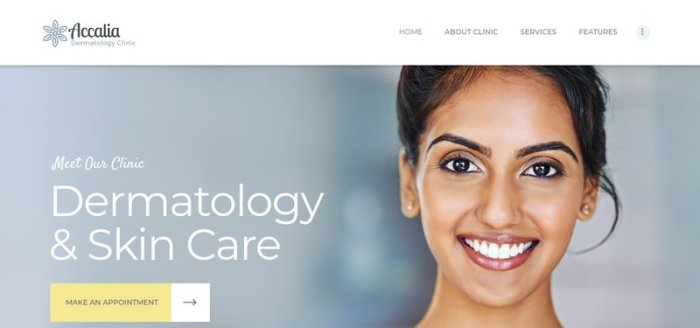
Boost your practices visibility mastering seo for plastic surgeons – Boost your practices visibility mastering for plastic surgeons is crucial in today’s digital landscape. Attracting new clients requires a strong online presence, and mastering search engine optimization () is key. This guide dives deep into understanding plastic surgeon practices, analyzing online presence, mastering techniques, developing a compelling content strategy, engaging clients, and tracking results. We’ll explore everything from website design and online reviews to content creation and effective marketing strategies, specifically tailored for plastic surgeons.
From understanding the unique needs of plastic surgery patients to optimizing your website for search engines, this comprehensive guide provides actionable steps to elevate your practice’s online visibility. We’ll examine how to effectively utilize local , build high-quality backlinks, and leverage social media to attract and convert potential clients. This detailed analysis will empower you to make data-driven decisions and achieve tangible results.
Understanding Plastic Surgeon Practices
Plastic surgery, a field encompassing a wide range of procedures, caters to a diverse range of patient needs and desires. From enhancing natural features to correcting functional issues, plastic surgeons play a crucial role in improving patients’ physical well-being and self-esteem. This exploration delves into the multifaceted world of plastic surgery practices, examining the services offered, target audiences, challenges, and current marketing strategies.The field of plastic surgery is not monolithic; it encompasses a spectrum of procedures and specialties.
Understanding the nuances of these practices is essential for effectively targeting the right audience and crafting compelling marketing strategies. This involves recognizing the specific needs and desires of each patient demographic, and how different practices cater to these needs.
Typical Services Offered
Plastic surgeons provide a broad range of services, often specializing in particular areas. Common procedures include breast augmentation and reduction, rhinoplasty (nose reshaping), liposuction, and body contouring. Facial rejuvenation, including Botox and fillers, is also a significant part of the practice. Some surgeons may also offer reconstructive surgery to address birth defects, injuries, or the effects of illness.
Want to boost your plastic surgery practice’s visibility? Mastering SEO is key. One crucial step is understanding how to effectively manage your website’s content. Learning how to add an SEO editor role in WordPress can streamline this process, ensuring your team members have the necessary permissions to optimize your site for search engines. Check out this helpful guide on how to add an SEO editor role in WordPress to get started.
This will ultimately help you rank higher in search results, driving more patients to your practice.
Target Audience
The target audience for plastic surgery services is varied and encompasses individuals seeking aesthetic enhancement, functional improvement, or reconstruction. Patients seeking aesthetic procedures often have specific desires related to body image and self-perception. Functional procedures, such as cleft lip repair, address specific medical or developmental needs.
Common Pain Points and Challenges
Plastic surgeons frequently encounter challenges in attracting clients, including maintaining a high level of patient trust and confidence. High costs associated with procedures and the need for clear communication regarding realistic expectations are significant hurdles. Differing perceptions of aesthetics, and the need to demonstrate expertise in a field with high visibility are other challenges. Competition from other plastic surgeons and non-surgical alternatives is also a significant factor.
Current Marketing Strategies
Current marketing strategies employed by plastic surgeons include online presence through websites and social media, patient testimonials, and partnerships with medical professionals. Utilizing search engine optimization () and targeted advertising is increasingly common, as is attending industry events and building relationships with referral sources. The development of a strong online presence and reputation management is critical to success in this field.
Comparison of Practice Types
Plastic surgery practices vary significantly in structure. Solo practitioners often maintain a close relationship with their patients, providing personalized care. Multi-physician groups may leverage economies of scale and offer a broader range of services. The chosen practice structure impacts marketing strategies and the overall patient experience.
Specialties in Plastic Surgery
| Specialty | Patient Demographics |
|---|---|
| Breast Surgery | Women of all ages seeking breast augmentation, reduction, or reconstruction. |
| Facial Plastic Surgery | Individuals seeking facial rejuvenation, rhinoplasty, or other procedures to enhance facial features. |
| Body Contouring | Individuals seeking liposuction, tummy tucks, or other procedures to reshape their bodies. |
| Reconstructive Surgery | Individuals requiring surgical correction for birth defects, injuries, or illness. This often involves a broader range of patient ages and circumstances. |
Analyzing Online Presence
Understanding your plastic surgery practice’s online presence is crucial for attracting new patients and building trust. A strong online presence showcases expertise, builds credibility, and ultimately translates into more appointments. This analysis delves into the essential components of a successful online strategy, from website design to reputation management.A comprehensive online presence audit is not just about aesthetics; it’s about strategic positioning and attracting the right clientele.
A plastic surgeon’s website should function as a digital storefront, showcasing expertise and credibility while also providing essential information to potential patients. Evaluating the effectiveness of online marketing efforts is essential to determine what’s working and what needs improvement.
Assessing Current Online Visibility
A thorough assessment of a plastic surgeon’s online visibility involves several key areas. First, evaluate the website’s design and content. Is the site easy to navigate, visually appealing, and mobile-friendly? Second, examine the practice’s online reputation. Are there positive patient reviews readily available, and are negative reviews addressed professionally?
Third, analyze the practice’s social media presence. Is it actively engaging with potential patients, or is it neglected? Finally, examine search engine optimization () efforts to determine how well the practice is ranking for relevant s.
Importance of User-Friendly Website Design
A user-friendly website design is paramount for plastic surgery practices. A well-structured site with clear navigation, high-quality images, and concise descriptions of services and procedures is crucial. This allows potential patients to easily find the information they need, leading to increased engagement and trust. A website that is not easily navigable or is visually unappealing can quickly turn potential patients away.
The website should be optimized for mobile devices, as a significant portion of online searches occur on smartphones and tablets.
Role of Online Reviews and Reputation Management
Online reviews play a significant role in shaping a plastic surgeon’s reputation. Positive reviews build trust and credibility, while negative reviews, if not addressed effectively, can damage a practice’s image. Implementing a robust online reputation management strategy is crucial for mitigating potential damage from negative reviews and showcasing the positive experiences of past patients. Responding to reviews, both positive and negative, in a timely and professional manner demonstrates a commitment to patient satisfaction.
Essential Elements for an Effective Online Presence
A robust online presence requires several essential elements:
- A user-friendly website optimized for mobile devices.
- Clear and concise descriptions of services and procedures, including before-and-after photos.
- High-quality images and videos showcasing the practice’s facilities and team.
- A strong online reputation management strategy, including proactive monitoring and responding to reviews.
- Active social media presence, engaging with potential patients and sharing valuable content.
- Effective search engine optimization () strategies to improve search engine rankings for relevant s.
- Clear calls to action (CTAs) on the website and social media platforms to encourage inquiries and appointments.
Evaluating Online Marketing Efforts
Evaluating the effectiveness of online marketing efforts is essential to ensure the strategy is achieving its objectives. Track website traffic, analyze social media engagement metrics, and monitor online reviews to assess the impact of online marketing campaigns. This data will provide insights into what’s working and what needs adjustment to improve the results. Regularly monitoring and analyzing key metrics will provide valuable insights.
Website Platforms Comparison
Different website platforms offer varying features and functionalities, making it crucial to choose the one that best aligns with the needs of a plastic surgery practice. The table below highlights some popular options, their strengths, and weaknesses.
| Platform | Pros | Cons |
|---|---|---|
| WordPress | Highly customizable, extensive plugin options, large community support. | Requires technical knowledge for advanced customization, can be more complex to manage. |
| Squarespace | User-friendly interface, visually appealing templates, robust e-commerce capabilities. | Limited customization options, less flexibility for complex website needs. |
| Wix | Easy to use, drag-and-drop interface, affordable pricing plans. | Limited customization options, potential for slower loading times. |
| Shopify | Excellent e-commerce functionality, suitable for online stores. | Might not be the ideal choice for practices focusing primarily on appointment scheduling and consultation forms. |
Mastering Search Engine Optimization ()
Optimizing your plastic surgery practice’s online presence for search engines is crucial for attracting new patients. strategies are dynamic and require consistent effort to yield the best results. Understanding how search engines work and tailoring your content to their algorithms is essential for ranking higher in search results. This process, while multifaceted, is achievable with a focused approach.Effective for plastic surgeons involves a multifaceted strategy.
It’s not just about s; it’s about creating valuable content that resonates with potential clients, establishes your practice as a trusted authority, and improves your search engine ranking. A well-structured website with optimized content, local strategies, and robust backlink building efforts will enhance your visibility and drive more qualified leads to your practice.
Optimizing Website Content for Relevant Search Terms, Boost your practices visibility mastering seo for plastic surgeons
Crafting high-quality, informative content tailored to relevant search terms is vital. This involves meticulous research to identify terms prospective patients use when searching for plastic surgery procedures or services. Incorporating these terms naturally within website copy, page titles, meta descriptions, and image alt text significantly improves your site’s visibility to search engines. For example, instead of just listing procedures, use detailed descriptions and testimonials highlighting the specific benefits and results.
This helps search engines understand the context of your content and rank it accordingly.
Significance of Local for Attracting Local Clients
Local is paramount for attracting clients in your immediate geographic area. Optimizing your website and online profiles for location-based searches drives local traffic to your practice. This involves claiming and optimizing your Google My Business profile, ensuring accurate business information, and incorporating location-specific s in your content. Patients often search for “plastic surgeon near me” or “best plastic surgeon [city],” so optimizing for these terms is critical.
Effective Strategies for Building High-Quality Backlinks
Building high-quality backlinks from reputable websites is essential for enhancing your website’s authority and credibility. This involves securing links from relevant medical directories, industry publications, and other authoritative sources. Guest blogging on related websites, participating in online forums, and securing mentions in local media outlets are effective methods. Avoid low-quality or spammy backlinks, as these can negatively impact your ranking.
Want to boost your plastic surgery practice’s visibility online? Mastering SEO is key. Understanding the nuances of SEO is crucial, and knowing the difference between enterprise SEO and local SEO is a game-changer. For example, if you’re targeting a wider audience, you’ll want to explore what’s the difference of enterprise SEO vs local SEO to tailor your strategy effectively.
This will ultimately help you attract more patients and establish your practice as a leader in your field.
Role of Social Media Optimization for Plastic Surgery Practices
Social media plays a crucial role in building brand awareness and driving traffic to your website. A strong social media presence fosters engagement, builds trust, and showcases your expertise. Consistent posting of high-quality content, including before-and-after photos, informative articles, and engaging Q&A sessions, will help attract potential clients.
Leveraging Online Directories and Listings
Online directories and listings, like Healthgrades and Zocdoc, provide valuable avenues for increasing visibility. Ensuring your practice’s information is accurate and complete across these platforms is critical. Complete profiles, including detailed descriptions of services, certifications, and contact information, enhance your online presence and help patients find you easily.
Tools and Their Applications
| Tool | Application |
|---|---|
| Google Planner | Identifying relevant s and estimating search volume |
| SEMrush | Comprehensive analysis, including backlink profiling and competitor analysis |
| Moz | Website audits, research, and rank tracking |
| Ahrefs | Backlink analysis, research, and site audit tools |
| Google Analytics | Tracking website traffic, user behavior, and conversion rates |
Content Strategy for Plastic Surgeons

Attracting and converting potential clients for plastic surgery practices requires a robust content strategy. This involves understanding your target audience, identifying their needs, and creating valuable content that addresses those needs. A well-defined content strategy ensures your practice stands out in a competitive market, builds trust, and drives qualified leads.A comprehensive content strategy for plastic surgeons should be tailored to educate, engage, and inspire confidence in prospective patients.
This strategy will go beyond basic information and will provide insights into the patient journey, anticipating their questions and concerns. It will also emphasize the expertise and experience of the practice, showcasing its commitment to patient well-being.
Content Calendar for a Plastic Surgery Practice
A content calendar is essential for maintaining a consistent online presence and ensuring a steady flow of valuable content. It acts as a roadmap, outlining what content will be shared, when, and how. Planning your content in advance allows for efficient resource allocation and consistent engagement with your target audience.
- Month 1: Introduction & Expertise. Showcase the practice’s history, philosophy, and the qualifications of its surgeons. This initial phase establishes trust and credibility. Consider a “Meet the Team” series, highlighting each surgeon’s specializations and experience.
- Month 2: Procedure Deep Dives. Focus on specific procedures, explaining the process, recovery, and potential results. Use high-quality images and videos to illustrate these details. This builds expertise and answers patient questions directly.
- Month 3: Patient Stories & Testimonials. Share real patient experiences to demonstrate the practice’s success and the positive outcomes for patients. Highlight both physical and emotional improvements, building trust and social proof.
Sample Blog Post Topics for a Plastic Surgery Practice
To attract and engage potential clients, a plastic surgery practice needs to create informative and engaging blog posts. These posts should address the concerns and interests of the target audience, educating them about procedures and building trust.
- Choosing the Right Plastic Surgeon: A Guide for First-Time Patients. This post will cover factors to consider when selecting a plastic surgeon, such as experience, qualifications, and certifications. Highlighting the practice’s specific expertise will be beneficial.
- Understanding the Recovery Process After Rhinoplasty. This post should detail the recovery period following rhinoplasty, including potential complications and expected timelines. This proactive approach addresses potential anxieties and concerns.
- Top 5 Questions to Ask Your Plastic Surgeon Before a Consultation. This post should Artikel important questions patients should ask to ensure a comprehensive understanding of the procedure and their needs. This empowers patients to be informed and proactive.
Different Content Formats for Plastic Surgery Practices
Diverse content formats cater to various learning styles and preferences. The variety in formats enhances engagement and expands the practice’s online reach.
- Blog Posts: In-depth articles covering various topics related to plastic surgery, from procedure details to patient testimonials. They are excellent for providing comprehensive information.
- Videos: Short, informative videos explaining procedures, answering common questions, or featuring patient testimonials. They are highly engaging and visually appealing.
- Infographics: Visually appealing graphics that present complex information in an easily digestible format. They can explain procedures, highlight benefits, or showcase before-and-after results.
Importance of Consistency in Content Creation
Consistency in content creation builds anticipation and trust among potential clients. Regular updates demonstrate the practice’s commitment to providing valuable information and staying current in the field.
- Consistent posting schedule: A predictable posting schedule builds anticipation and ensures your practice remains top-of-mind for prospective patients.
- Regular updates: Consistent updates demonstrate your practice’s commitment to staying current with advancements and best practices in the field.
- Maintaining a consistent brand voice: A consistent brand voice enhances brand recognition and reinforces the practice’s values and expertise.
Content Frequency Table
The table below Artikels ideal content frequency for different types of content.
| Content Type | Ideal Frequency |
|---|---|
| Blog Posts | 2-3 times per week |
| Videos | 1-2 times per week |
| Infographics | 1-2 times per month |
| Social Media Posts | Multiple times per day |
Client Engagement and Conversion
Attracting and converting potential clients into satisfied patients is crucial for plastic surgery practices. Effective online engagement strategies, coupled with a user-friendly website, play a pivotal role in achieving this goal. A robust online presence fosters trust and encourages inquiries, ultimately driving conversions.
Effective Strategies for Engaging with Potential Clients Online
A multi-faceted approach is key to engaging potential clients online. This involves optimizing the website for search engines, creating high-quality content, and actively participating in online communities relevant to plastic surgery. Utilizing social media platforms to share patient testimonials and before-and-after photos builds trust and credibility. Engaging in online discussions about aesthetic concerns and procedures, while maintaining professionalism, can attract prospective patients seeking information.
Want to boost your plastic surgery practice’s visibility online? Mastering SEO is key, and understanding website schema can significantly help. Schema markup, essentially a structured data format for websites, helps search engines understand the content on your site. Knowing what is website schema is crucial for optimizing your site’s visibility in search results, making it easier for potential patients to find you.
This translates directly into more patients for your practice. Using schema markup for your plastic surgery practice can drastically improve your SEO, leading to more successful online marketing campaigns.
Importance of Responsive Design for a Plastic Surgery Website
A responsive website design ensures optimal viewing and usability across various devices, including desktops, tablets, and smartphones. This is paramount because a significant portion of online traffic originates from mobile devices. A website that adapts seamlessly to different screen sizes enhances the user experience, preventing frustration and encouraging engagement. This feature significantly impacts the website’s search engine ranking as well.
Optimizing Website Navigation for a Smooth User Experience
Intuitive navigation is critical for guiding visitors through the website effectively. Clear, concise menus and logical page organization enable users to quickly find the information they need. Using a consistent layout and visual hierarchy creates a cohesive and user-friendly experience. A simple and clear structure minimizes user confusion and maximizes the time spent on the site, thereby increasing engagement.
Detailed procedure explanations, high-quality images, and informative FAQs are essential components.
Strategies for Enhancing Client Communication and Building Trust
Transparent and prompt communication is essential for building trust. Providing readily available contact information, including phone numbers and email addresses, fosters immediate interaction. Utilizing a live chat feature allows for real-time responses to questions, resolving concerns and building rapport with prospective patients. Implementing a robust FAQ section on the website addresses common questions, reducing the need for individual responses and enhancing efficiency.
Methods for Converting Website Visitors into Patients
Conversion strategies are crucial for transforming website visitors into patients. Implementing a clear call-to-action (CTA) on every relevant page encourages immediate engagement. Providing comprehensive pricing information, including packages and payment options, empowers potential patients to take the next step. Utilizing compelling testimonials and before-and-after photos showcase successful outcomes and build trust. Offering a free consultation or introductory package motivates visitors to schedule a consultation.
Client Engagement Tools
| Tool | Features |
|---|---|
| Social Media Management Tools (e.g., Hootsuite, Buffer) | Scheduling posts, monitoring engagement, analyzing performance, managing multiple accounts. |
| Email Marketing Platforms (e.g., Mailchimp, Constant Contact) | Creating and sending newsletters, automated email sequences, tracking email opens and clicks, segmenting audiences. |
| Website Analytics Platforms (e.g., Google Analytics) | Tracking website traffic, user behavior, conversion rates, identifying areas for improvement, generating reports. |
| Online Scheduling Systems (e.g., Calendly, Acuity Scheduling) | Allowing patients to book appointments online, managing appointment availability, sending automated reminders, integrating with other platforms. |
| Live Chat Platforms (e.g., Tidio, Zendesk Chat) | Providing real-time support, answering questions, addressing concerns, collecting leads, scheduling consultations. |
Tracking and Measuring Results: Boost Your Practices Visibility Mastering Seo For Plastic Surgeons

Knowing how your plastic surgery practice is performing in the digital realm is crucial for growth and success. This involves more than just posting pretty pictures; it’s about understanding what’s working, what’s not, and adapting your strategies accordingly. This section dives into the essential metrics and tools for tracking and measuring the effectiveness of your and marketing efforts.Understanding the data generated by your online presence allows you to refine your approach and optimize your efforts.
From website traffic to conversion rates, each metric offers valuable insights. Analyzing these numbers provides concrete feedback on how well your current strategies are resonating with potential clients.
Website Analytics for Plastic Surgery Practices
Website analytics are the lifeblood of any online marketing strategy. They offer a wealth of information, enabling you to understand user behavior, identify strengths and weaknesses, and tailor your content and services to meet evolving demands. Analyzing this data is not just about numbers; it’s about understanding the stories behind those numbers.
Measuring the Effectiveness of and Marketing Efforts
Key performance indicators (KPIs) are essential for tracking the progress of your and marketing strategies. These quantifiable measures allow you to assess the return on investment (ROI) of your efforts. Tracking these indicators helps determine if your campaigns are attracting the right audience and driving the desired actions.
- Website Traffic: Analyzing website traffic provides insights into the number of visitors, their sources (e.g., organic search, social media, referrals), and their behavior on your site. Tracking traffic patterns helps you understand which marketing channels are most effective in driving visitors to your site.
- Conversion Rates: Conversion rates represent the percentage of visitors who complete a desired action, such as filling out a contact form, scheduling a consultation, or making a purchase. A high conversion rate signifies that your website and marketing messages are compelling enough to encourage conversions.
- Lead Generation: Tracking lead generation is crucial to gauge the effectiveness of your marketing campaigns in attracting qualified prospects. Lead generation metrics provide valuable insights into the effectiveness of your strategies and content in converting website visitors into leads.
- Return on Investment (ROI): ROI measures the profitability of your marketing and efforts. Calculating ROI involves comparing the revenue generated by your campaigns to the costs associated with them. A positive ROI demonstrates that your marketing investments are yielding profitable returns.
Interpreting Key Metrics to Identify Areas for Improvement
Interpreting key metrics involves more than just looking at numbers; it’s about understanding the context and the underlying reasons behind those numbers. By identifying patterns and trends in your data, you can pinpoint areas where your strategies might be falling short or where opportunities for improvement exist.
- Bounce Rate: A high bounce rate, indicating a large percentage of visitors leaving your site after viewing only one page, may suggest that your website’s content or navigation is not engaging enough or that visitors are not finding the information they need.
- Time on Site: The average time visitors spend on your website offers valuable insights into the quality and engagement of your content. A low time on site might suggest that your content isn’t captivating enough, or that visitors are struggling to find the information they need.
- Click-Through Rate (CTR): CTR measures the percentage of people who click on a specific link or advertisement. Analyzing CTRs across different channels and campaigns provides insights into the effectiveness of your messaging and the overall appeal of your content.
Setting Realistic Goals and KPIs for Plastic Surgery Practices
Establishing realistic goals and KPIs is critical for measuring success. These metrics should align with your practice’s specific objectives and target audience. For instance, a goal might be to increase website traffic by 20% within a quarter, or to increase lead generation by 15% within six months.
Monitoring and Adjusting Marketing Strategies Based on Performance Data
Monitoring performance data is an ongoing process. It’s not a one-time exercise; it’s a continuous cycle of evaluation, adaptation, and improvement. Regularly reviewing your data allows you to identify trends and make adjustments to your strategies as needed.
Essential Website Analytics Tools
The following table Artikels essential website analytics tools and their key features. These tools are invaluable resources for gathering and interpreting data about your online presence.
| Tool | Key Features |
|---|---|
| Google Analytics | Comprehensive data tracking, user behavior analysis, traffic sources, conversion tracking, customizable dashboards. |
| SEMrush | research, audit, competitor analysis, rank tracking, backlink analysis. |
| Moz | tools, research, site audits, rank tracking, backlink analysis. |
| Ahrefs | Comprehensive backlink analysis, research, site audits, rank tracking, content explorer. |
Case Studies and Examples
Real-world examples illuminate the power of effective strategies for plastic surgery practices. These case studies aren’t just theoretical; they demonstrate how specific tactics translate into tangible results, attracting new patients and bolstering practice visibility. By understanding successful strategies, practices can tailor their own approaches for optimal outcomes.These case studies highlight the importance of meticulous planning and adaptation in the ever-evolving online landscape.
They also showcase how consistent effort and a deep understanding of patient needs can lead to significant improvements in online visibility and patient acquisition. Learning from the experiences of others is key to crafting a robust strategy for a plastic surgery practice.
Successful Strategies for Plastic Surgery Practices
Analyzing successful campaigns reveals a common thread: a comprehensive approach that blends technical optimization with engaging content. Successful strategies often include optimizing website structure for search engines, ensuring fast loading speeds, and creating high-quality content that addresses patient needs.
- Example 1: A practice focusing on rhinoplasty saw a 45% increase in organic traffic after implementing a content strategy that included in-depth articles on rhinoplasty procedures, before-and-after photos, and patient testimonials. They also optimized their website for relevant s like “rhinoplasty NYC” and “nose job cost.” This illustrates the importance of targeted s and valuable content in driving organic traffic.
- Example 2: Another practice specializing in breast augmentation achieved a 30% increase in lead generation by incorporating a robust link-building strategy. They built relationships with relevant websites in the medical community and earned high-quality backlinks to their website. This demonstrates the significant impact of high-quality backlinks in improving search engine rankings.
Diverse Content Formats for Patient Engagement
Beyond traditional text-based content, innovative content formats can significantly enhance patient engagement.
- Video Content: High-quality video testimonials, procedure demonstrations, and “day-in-the-life” glimpses of the practice can humanize the experience and build trust with potential patients. Videos also often rank well in search results due to their engaging nature.
- Infographics: Visually appealing infographics can effectively communicate complex medical information in a concise and digestible format. This format is particularly useful for explaining surgical procedures, recovery processes, or post-operative care.
- Interactive Tools: Tools like calculators that estimate the cost of procedures, or questionnaires that help patients understand their options, provide value and improve the patient journey.
Showcasing Patient Testimonials
Patient testimonials are invaluable assets for building credibility and trust.
- Authenticity is Key: Genuine testimonials that reflect the patient’s experience are far more impactful than staged or fabricated ones. Encourage patients to share their experiences through simple online forms or dedicated testimonial pages.
- Vary the Format: Don’t limit yourself to written testimonials. Include short video testimonials, quotes featured on social media, or even highlight patient success stories in practice newsletters.
Case Study Creation Approaches
| Approach | Description | Example |
|---|---|---|
| Quantitative Analysis | Focuses on measurable results, such as increased website traffic, lead generation, and conversion rates. | “Following the implementation of an campaign, organic traffic increased by 35% over six months.” |
| Qualitative Analysis | Highlights the patient experience, emotional impact, and overall satisfaction with the services. | “Patient testimonials consistently highlight the personalized care and attention received from the practice.” |
| Combined Approach | Combines both quantitative and qualitative data to provide a comprehensive overview of the campaign’s success. | “The campaign resulted in a 20% increase in new patient consultations and positive feedback from patients regarding the improved website navigation.” |
Conclusive Thoughts
In conclusion, mastering for plastic surgeons is a multifaceted process that requires a deep understanding of your target audience, a compelling online presence, and a strategic content approach. By implementing the strategies Artikeld in this guide, you can significantly boost your practice’s visibility, attract more qualified clients, and ultimately grow your business. Remember, consistency and data analysis are key to long-term success.