
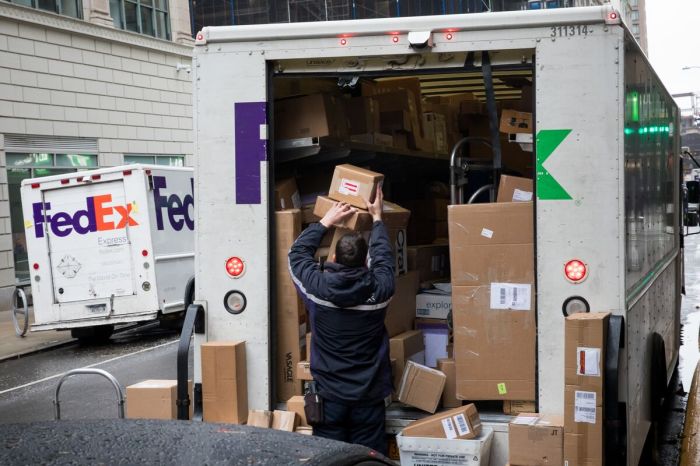
Amazon cuts off fedex prime shipping what can u s amazon sellers do – Amazon cuts off FedEx Prime shipping what can U.S. Amazon sellers do? This presents a significant challenge for online retailers. Navigating this shift requires careful planning and a deep understanding of alternative shipping options, customer communication strategies, and potential long-term adjustments. How can sellers adapt to minimize disruption and maintain profitability?
This article delves into the critical steps US sellers need to take.
The sudden removal of FedEx Prime shipping by Amazon forces U.S. sellers to evaluate their current fulfillment strategies. This change will impact everything from order fulfillment times to customer satisfaction and ultimately, seller profitability. This article examines the various impacts, mitigation strategies, and long-term solutions to help sellers navigate this disruption.
Understanding the Impact
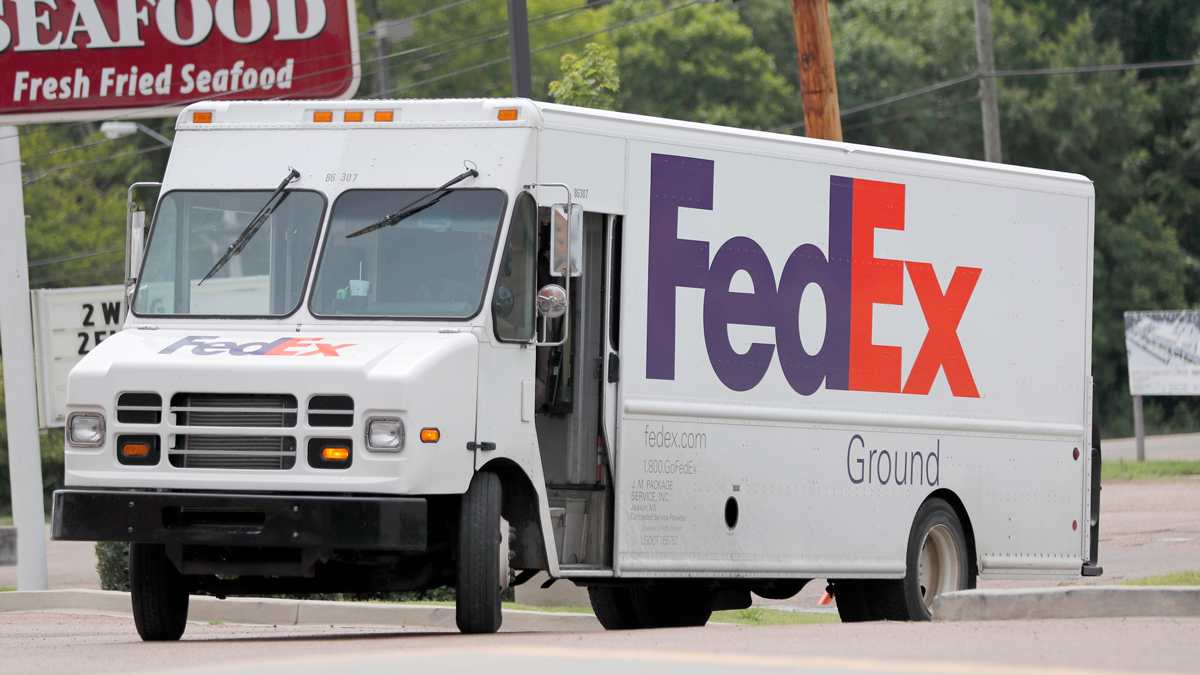
Amazon’s recent decision to discontinue FedEx Prime shipping presents a significant shift in the logistics landscape for U.S. Amazon sellers. This change necessitates a proactive approach to adapt and mitigate potential negative consequences, while also capitalizing on available alternatives. Understanding the nuances of this shift is crucial for navigating the altered landscape and maintaining profitability.The discontinuation of FedEx Prime shipping directly impacts Amazon sellers by potentially increasing shipping costs and potentially impacting delivery times.
This could negatively affect customer satisfaction, and thus sales, if not addressed effectively. This change forces sellers to re-evaluate their shipping strategies and find alternative carriers, which will have cascading effects on their overall operational efficiency and profitability.
Potential Consequences for Order Fulfillment
The cessation of FedEx Prime shipping for U.S. Amazon sellers could lead to a noticeable increase in shipping costs, as sellers are forced to explore alternative shipping options. This could translate into reduced profit margins, especially for sellers with high order volumes. Furthermore, relying on a single shipping partner might result in less flexibility in terms of carrier options and potentially lead to delays in order fulfillment.
A seller heavily reliant on FedEx Prime could experience substantial delays in meeting delivery commitments to customers. The impact is not uniform across all sellers. High-volume sellers will face greater challenges in managing increased shipping costs and potentially longer delivery times.
Alternative Shipping Options and Their Implications
Several alternatives to FedEx Prime shipping exist, each with its own set of advantages and disadvantages. UPS and USPS are the most prevalent alternatives, but others, such as regional carriers or even private courier services, might be suitable for certain sellers.
- UPS Ground/Express: UPS offers various shipping options, including ground and express services, which can potentially match FedEx’s speed and reliability. However, the pricing structures of UPS can vary, and sellers need to analyze whether the pricing is competitive compared to their current FedEx costs. UPS might be a suitable replacement, but sellers need to assess the specific cost-benefit for their operations.
- USPS Priority Mail/Express Mail: USPS services, such as Priority Mail and Express Mail, offer a range of options with varying speed and cost. For sellers focusing on lower-cost shipping, USPS might prove cost-effective. However, reliability and speed could potentially fall short compared to FedEx or UPS, impacting customer satisfaction.
- Regional Carriers: Regional carriers are particularly relevant for sellers operating within a specific geographical region. They could be cost-effective, but their reliability and delivery coverage need to be meticulously evaluated. Sellers should research which regional carriers have a proven track record in the regions they serve.
Impact on Customer Satisfaction and Seller Profitability
Customer satisfaction can be directly affected by order fulfillment times and shipping costs. Sellers need to maintain or improve delivery times to retain customer trust. Increased shipping costs can translate to decreased profit margins, especially for sellers who heavily rely on Prime shipping.
Impact on Different Seller Types
The impact of the shipping change varies based on the type of seller. High-volume sellers, who often leverage bulk discounts with FedEx, will face more significant challenges adjusting to potentially higher costs and slower shipping times. Niche sellers with lower order volumes might find alternative shipping options more manageable. International sellers, however, may face additional complexities, as international shipping often involves more complex procedures and potentially higher costs.
Impact on Inventory Management Strategies, Amazon cuts off fedex prime shipping what can u s amazon sellers do
Sellers need to carefully assess their inventory management strategies in light of potential shipping delays. They should consider adjusting their inventory levels to account for longer delivery times. This could involve implementing strategies to ensure they have sufficient stock on hand to meet customer demand, even with extended lead times.
Seller Mitigation Strategies
The recent disruption of FedEx Prime shipping through Amazon has presented a significant challenge for U.S. Amazon sellers. Proactive measures are crucial to minimizing the impact on sales and customer satisfaction. This section Artikels strategies for mitigating the disruption, from immediate actions to long-term planning.This section will address actionable steps that sellers can take to reduce the negative effects of this shipping issue.
Amazon cutting off FedEx Prime shipping is a real headache for US Amazon sellers. Finding alternative shipping options is crucial, and good data hygiene is key to navigating this change. For example, ensuring your product listings are accurate and consistent, like with clean data hubspots new validation rules , can help streamline your processes. This will hopefully reduce errors and delays when setting up new shipping partnerships, helping sellers stay competitive amidst this disruption.
It encompasses immediate responses, alternative shipping strategies, customer communication plans, price adjustments, and inventory optimization techniques. These are vital for maintaining a robust and resilient business model during such unforeseen events.
Immediate Actions to Minimize Disruption
Understanding the immediacy of the situation is paramount. Taking swift action is key to minimizing the disruption’s impact on order fulfillment.
- Review and adjust shipping cut-offs: Evaluate current shipping cut-offs and adjust them to accommodate the delays. For example, if FedEx Prime is affected, shift to alternative carriers’ cut-offs that offer comparable delivery times or consider a buffer for delivery timelines. This proactive adjustment ensures orders are shipped in a timely manner despite the shipping issues.
- Assess inventory levels: Analyze current inventory levels to identify potential shortages and overstocking issues. Evaluate your current inventory in light of the shipping delays. Determine the need for extra inventory to compensate for possible delays. This assessment will help to avoid potential stockouts or excess inventory that could result in financial strain.
- Monitor order volume: Pay close attention to order volume and anticipate potential spikes or drops in sales. Monitor your order volume closely and prepare for possible surges or dips in demand. This proactive measure will help you adapt your strategy to changing market conditions.
Alternative Shipping Strategies
Exploring alternative shipping options is critical for maintaining smooth order fulfillment.
- Utilize other carriers: Investigate alternative shipping carriers that offer competitive pricing and delivery times. This includes carriers like UPS, USPS, or regional carriers. This will ensure your products reach customers without relying on FedEx Prime for all shipments.
- Adjust shipping tiers: Re-evaluate shipping tiers to better reflect the current shipping landscape. Consider offering different shipping options with varying prices, reflecting the different delivery times and carrier costs. For example, include options like expedited shipping with different carriers. This gives your customers choices and reflects the current situation.
Communicating with Customers About Potential Shipping Delays
Transparent communication with customers is essential for managing expectations and maintaining trust.
- Proactive updates: Implement a system for notifying customers of potential delays. Provide updates on the expected delivery times to customers in a timely manner. This proactive communication helps to manage customer expectations.
- Offer alternative solutions: Provide options to customers who are affected by delays. For example, consider offering refunds, free expedited shipping with a different carrier, or other compensation options for affected orders. This shows concern for your customers and helps to retain their loyalty.
Adjusting Product Pricing to Account for Increased Shipping Costs
Adapting pricing strategies to reflect increased shipping costs is crucial for maintaining profitability.
- Analyze shipping costs: Analyze the new shipping costs from the alternative carriers to understand the impact on your profit margins. Compare costs with FedEx Prime to assess the new pricing strategies.
- Adjust pricing strategically: Adjust your product pricing to account for the increased shipping costs. For example, consider increasing the price of items with higher shipping costs. Evaluate the different shipping options and prices to calculate the pricing changes.
Optimizing Inventory to Prepare for Potential Shipping Issues
Maintaining optimal inventory levels is critical to mitigating the risk of shipping delays.
- Inventory forecasting: Implement a more robust inventory forecasting system. Analyze your past sales data to predict future demand and adjust your inventory levels accordingly. Consider factors like seasonal trends and shipping delays.
- Safety stock: Increase safety stock levels to buffer against potential delays. This ensures that you have sufficient inventory to meet customer demand even during shipping disruptions. This can be implemented based on historical data and predicted shipping issues.
Long-Term Adjustments
The recent disruption in Amazon’s FedEx Prime shipping partnership highlights the crucial need for Amazon sellers to develop long-term strategies for navigating potential future disruptions. This necessitates a shift from a reliance on single shipping providers to a more diversified and resilient supply chain. Adapting to changing logistics landscapes is no longer a choice but a necessity for sustained business success.Shipping disruptions, like the one recently experienced, underscore the vulnerability of relying solely on one shipping partner.
Proactive measures to diversify shipping options and build resilience into the supply chain are vital. This involves exploring alternative carriers, negotiating better rates, and understanding the unique risks and rewards associated with different shipping options.
Diversifying Shipping Options
Amazon sellers need to explore a range of shipping providers beyond FedEx to mitigate risks. This includes partnering with UPS, USPS, or other reliable carriers, or potentially even exploring regional or local couriers. Such diversification not only reduces dependence on a single provider but also allows for tailored shipping strategies for specific customer segments or product types. For instance, a seller might choose USPS for lower-cost, smaller packages while using a faster, more expensive carrier for time-sensitive deliveries.
Careful analysis of costs, delivery times, and service areas is paramount in making informed decisions about carrier selection.
Building Resilience into the Supply Chain
Building resilience in the supply chain is a crucial long-term adjustment. This includes having contingency plans in place to address unexpected disruptions. Having backup shipping options, flexible inventory management systems, and clear communication channels with alternative carriers are vital elements of this strategy. A seller might maintain a buffer stock of inventory to absorb potential delays, or they could utilize warehousing facilities in multiple locations to shorten delivery times and improve response to unexpected shipping issues.
Negotiating Better Rates with Alternative Carriers
Negotiating better rates with alternative carriers can significantly impact profitability. This involves building relationships with carriers and exploring volume discounts. Sellers should proactively reach out to carriers, discuss their volume requirements, and negotiate terms. For instance, a seller with a substantial order volume could negotiate discounted rates for bulk shipments with a carrier. A detailed analysis of current shipping costs, compared to potential alternatives, is essential for justifying and quantifying the benefits of negotiating better rates.
Understanding the carrier’s pricing models and contract terms is crucial for a successful negotiation.
Comparing Risks and Rewards of Different Shipping Options
A comprehensive comparison of various shipping options is crucial. This involves evaluating delivery times, costs, reliability, and potential risks. A table outlining these factors for different carriers can be extremely helpful.
| Carrier | Delivery Time | Cost | Reliability | Risks | Rewards |
|---|---|---|---|---|---|
| FedEx | Fast | High | Generally High | High reliance, potential disruption | Speed, reliability |
| UPS | Fast | High | Generally High | High reliance, potential disruption | Speed, reliability |
| USPS | Moderate | Low | Moderate | Potential delays | Cost-effectiveness |
| Local Courier | Variable | Variable | Variable | Limited coverage area | Local expertise, potential cost savings |
Understanding the nuances of each carrier’s strengths and weaknesses allows sellers to make informed decisions about their long-term shipping strategies.
Customer Communication: Amazon Cuts Off Fedex Prime Shipping What Can U S Amazon Sellers Do
Navigating shipping disruptions requires proactive and transparent communication with your customers. Maintaining positive relationships during these challenging times is crucial for customer retention and long-term success. Effective communication can mitigate negative impacts and turn potential problems into opportunities to showcase your responsiveness and care. Addressing customer concerns swiftly and empathetically builds trust and loyalty.Effective communication, especially during disruptions, is paramount.
By clearly outlining the situation, offering solutions, and maintaining open dialogue, you can prevent customer frustration and preserve positive brand perception. Transparency in your communication demonstrates respect for your customers and strengthens their confidence in your business.
Proactive Communication Strategies
Proactive communication anticipates potential issues and addresses them before customers become dissatisfied. By proactively informing customers of potential delays, you preempt their concerns and maintain control over the narrative. This approach fosters trust and demonstrates your commitment to their satisfaction.
- Inform customers about potential delays early on. Provide updates via email, your store’s website, and your customer service channels. This includes any impact on the original delivery date. Clear communication sets realistic expectations and prevents surprises.
- Offer alternative shipping options. If possible, offer expedited shipping or different delivery methods to minimize delays. Provide estimated delivery times for the alternative options. This shows you’re actively working to resolve the situation and accommodate customer needs.
- Maintain regular communication. Provide updates on the status of their order, any changes to the shipping schedule, and anticipated delivery dates. Regular updates demonstrate your commitment to keeping them informed.
Sample Email Templates
Consistent email templates for informing customers of potential delays, including the reasons, are crucial. They create a professional and organized communication channel.
- Subject: Important Update Regarding Your [Order Number] Order
Dear [Customer Name],
We are writing to inform you of a potential delay in the shipping of your order (Order # [Order Number]). Due to unforeseen circumstances related to [brief, factual explanation of the cause, e.g., recent FedEx Prime shipping changes], we anticipate a delay of [number] days. We are working closely with FedEx to expedite delivery and will provide further updates as soon as they are available.We sincerely apologize for any inconvenience this may cause.
Sincerely,
[Your Company Name] - Subject: Your [Order Number] Order Has Shipped via [Alternative Carrier]
Dear [Customer Name],
Your order (Order # [Order Number]) has shipped! Due to the recent FedEx Prime shipping changes, we’ve opted to ship your order via [Alternative Carrier]. You can track your order here: [Tracking Link]. The estimated delivery date is [New Delivery Date]. We appreciate your understanding and patience.
Sincerely,
[Your Company Name]
Transparency in Customer Communication
Transparency in communication builds trust and fosters positive relationships with customers. Clearly explaining the reasons behind shipping delays and the steps taken to address them demonstrates respect and reliability.
“Open communication is essential during disruptions. Customers appreciate honesty and will often be more understanding when they know the reasons behind the delays.”
Addressing Customer Complaints
Proactively addressing customer complaints related to shipping issues is crucial for maintaining positive relationships. It’s vital to listen attentively to their concerns, empathize with their frustration, and offer prompt and effective solutions.
- Listen attentively. Actively listen to customer complaints without interrupting. Understand their concerns and perspective.
- Acknowledge the issue. Acknowledge the validity of the complaint and express your understanding of their frustration.
- Offer solutions. Propose concrete solutions, such as offering a refund, free expedited shipping, or a discount on a future purchase.
- Follow up. Keep customers informed about the progress of the issue resolution. Update them on the actions taken and anticipated resolution timeline.
Legal and Regulatory Considerations
Navigating shipping disruptions, particularly when a major partner like FedEx Prime is impacted, requires a keen understanding of potential legal and regulatory pitfalls. Sellers must be aware of potential liabilities and ensure they remain compliant with all relevant laws and regulations. Failure to do so can lead to significant repercussions, including financial penalties and reputational damage.Understanding the legal framework surrounding shipping and delivery is crucial to mitigating risk during these disruptions.
Amazon’s recent FedEx Prime shipping cutoff is a real headache for US Amazon sellers. Luckily, there are ways to adapt. Instead of relying solely on Prime shipping, exploring strategies like leveraging AI-powered shopping campaigns, like those offered by Meta, can be a game-changer. Meta’s Advantage Shopping Campaigns leverage AI to boost efficiency by optimizing ad spend and targeting the right customers.
This approach can help sellers maintain competitiveness and reach their target audience effectively, even without FedEx Prime, and potentially even enhance their visibility and sales. So, while Amazon’s changes might seem challenging, adapting to new strategies, such as utilizing AI-driven advertising, can be key to success.
Amazon’s policies and local regulations concerning product delivery, customer satisfaction, and contract fulfillment need careful consideration.
Relevant Legal and Regulatory Issues
Shipping disruptions, such as those involving FedEx Prime, can trigger various legal and regulatory concerns. These include contract law, consumer protection laws, and potentially even antitrust regulations, depending on the specific circumstances and the scale of the disruption. Sellers need to understand the specific legal requirements in their jurisdiction regarding delivery timeframes, communication obligations, and potential compensation for delays or non-delivery.
Potential Liabilities for Sellers
During shipping disruptions, sellers face potential liabilities for delays, damaged goods, and ultimately, customer dissatisfaction. These liabilities can range from refunds and replacements to potential legal action, depending on the severity and duration of the disruption, and the seller’s response. For instance, if a seller repeatedly fails to meet promised delivery times, customers might seek compensation for lost time or inconvenience.
Steps to Take if a Seller Faces Legal Challenges
If a seller encounters legal challenges due to shipping issues, it’s crucial to document everything thoroughly. This includes communication records with customers, FedEx, and Amazon, as well as any evidence related to the disruption. Consult with legal counsel specializing in e-commerce and shipping law immediately. A proactive and documented approach can significantly mitigate potential liabilities.
Staying Compliant with Amazon’s Policies
Amazon sellers must remain compliant with Amazon’s policies, particularly concerning timely shipping, accurate order fulfillment, and transparent communication with customers. Amazon’s Seller Performance metrics and policies should be diligently reviewed, especially during periods of shipping disruption. Understanding and adhering to Amazon’s policies is essential for maintaining seller account status and avoiding penalties. Failure to comply with these policies can lead to account suspension or other consequences.
Resources for Legal Advice and Support
Several resources can provide legal advice and support for sellers facing shipping issues. These include:
- Bar Associations: Local bar associations often have specialized sections or lawyers who have expertise in e-commerce or shipping law. These associations can connect sellers with appropriate legal professionals.
- Online Legal Resources: Numerous online resources offer legal information and advice, although it’s crucial to vet the credibility and accuracy of the information found.
- Legal Professionals: Consulting with an attorney specializing in e-commerce law is highly recommended, particularly if legal challenges arise. They can provide tailored advice and representation.
- Amazon Seller Forums: While not legal advice, Amazon seller forums can provide insights into other sellers’ experiences with similar issues and potential solutions.
Analyzing Seller Data
Understanding your Amazon seller data is crucial during shipping disruptions. By closely monitoring key metrics and identifying trends, you can proactively adjust your pricing, inventory, and shipping strategies to mitigate losses and maintain customer satisfaction. This data-driven approach allows you to predict and prevent future disruptions, adapting to changing circumstances and ensuring long-term success.
So, Amazon’s cut with FedEx Prime shipping is a real headache for US Amazon sellers. To keep your online presence smooth, you might need to adjust your website’s URLs. A helpful resource for navigating this is a guide on WordPress URL redirection, like this one wordpress url redirection a guide on how to redirect urls. This will ensure customers are seamlessly directed to your updated pages, preventing lost sales.
Redirecting old URLs is a critical step in maintaining a robust online store in the face of these changes.
Monitoring Key Shipping Metrics
Analyzing key metrics related to shipping disruptions is essential for Amazon sellers. These metrics provide insights into the impact of disruptions on your sales and inventory. Tracking metrics like order cancellation rates, delivery time delays, and shipping costs is critical. By monitoring these metrics, you can understand the extent of the impact of disruptions on your business.
Analyzing Data to Identify Trends and Patterns
Data analysis helps identify trends and patterns in your shipping data. This involves examining historical data on order volume, shipping times, and customer feedback. For example, if you see a consistent increase in order cancellations in certain regions or during specific periods, it signals a potential shipping disruption that requires immediate attention. Careful observation of data allows for the detection of any emerging trends in the marketplace.
Using Data to Adjust Pricing Strategies and Inventory Levels
Analyzing data enables informed decisions about pricing strategies and inventory levels. If shipping disruptions lead to increased delivery times and customer dissatisfaction, adjusting your pricing to reflect the added inconvenience or potential delays can maintain profitability. Also, inventory levels can be adjusted to accommodate potential delays. For instance, if you see a significant increase in delivery time, you may need to increase inventory levels to maintain sufficient stock during the disruption.
Interpreting Data to Make Informed Shipping Decisions
Interpreting data correctly is vital to making informed shipping decisions. If a particular shipping carrier is consistently experiencing delays, you may want to explore alternative carriers or adjust your shipping strategy. For example, if a specific carrier consistently results in longer delivery times, you might want to shift your reliance to other carriers or introduce expedited shipping options to maintain customer satisfaction.
Data-driven decisions based on the performance of various carriers are key.
Predicting and Preventing Future Disruptions
Predicting and preventing future disruptions requires analyzing historical data and identifying potential triggers. If you notice a correlation between specific weather patterns and shipping delays, you can prepare for future disruptions by adjusting your inventory levels or shipping strategies. By examining historical data, you can identify potential disruptions, and adjust strategies in advance. Using predictive analytics, you can develop contingency plans to mitigate the impact of future disruptions.
For example, if a particular holiday consistently leads to delays, you might want to increase your inventory or explore alternate shipping options.
Example: Analyzing Data on Shipping Delays
Imagine you notice a surge in shipping delays for a specific carrier during the holiday season. Analyzing your data could reveal the delays were concentrated in a particular region. This analysis can help you understand the potential for similar delays in the future, allowing you to adjust your inventory levels, and/or switch carriers for future orders. This information helps prepare for similar delays in the future.
Strategies for Diversification
Diversifying your shipping options is crucial for Amazon sellers navigating potential disruptions in the logistics landscape. The reliance on a single carrier like FedEx for Prime shipping can create vulnerabilities. This section delves into strategies for diversifying your shipping methods, providing a comprehensive overview of various options and best practices.Expanding your shipping network offers resilience and potentially lowers costs.
Understanding the trade-offs between speed, reliability, and price is paramount. This involves exploring alternative carriers and optimizing order consolidation strategies.
Shipping Carrier Comparison
A diverse shipping network mitigates risk and ensures continued order fulfillment. A crucial step involves comparing different shipping options.
| Carrier | Cost | Speed | Reliability | Flexibility |
|---|---|---|---|---|
| FedEx | Generally higher | Fast | High | Good |
| UPS | Generally higher | Fast | High | Good |
| USPS | Generally lower | Slower | Good | Good |
| Regional Carriers | Variable, often lower | Variable | Variable | Variable, may be limited in coverage |
This table provides a preliminary comparison. Actual costs, speeds, and reliability can vary based on specific routes, package types, and service levels. Factors like package size, destination, and chosen shipping option directly impact pricing.
Alternative Shipping Options Research
Thorough research into alternative shipping options is essential.
- Shipping APIs and platforms: Utilize platforms providing real-time shipping quotes from multiple carriers.
- Carrier websites: Directly access carrier websites to compare rates and services.
- Shipping aggregators: Leverage shipping aggregators to consolidate quotes from various carriers.
- Industry publications: Read industry articles and reports for insights into current shipping trends and carrier performance.
Thorough research allows for informed decisions when selecting carriers. These resources provide insights into different shipping options and pricing models.
Benefits and Drawbacks of Multiple Providers
Using multiple carriers offers several benefits.
- Reduced risk: Diversification minimizes the impact of service disruptions with one carrier.
- Potential cost savings: Comparing rates across providers often yields cost-effective options.
- Increased flexibility: Adjust shipping strategies based on order volume, destination, and carrier performance.
- Improved customer satisfaction: Faster and more reliable shipping options can enhance customer experience.
However, managing multiple carriers presents drawbacks.
- Increased administrative overhead: Tracking shipments and managing orders across various carriers demands more administrative effort.
- Potential for inconsistencies: Varying levels of service quality across carriers can lead to discrepancies in delivery times.
- Complexity in order fulfillment: Integrating multiple carriers into the order fulfillment process can be complex.
A comprehensive understanding of both benefits and drawbacks is essential.
Consolidating Orders for Cost-Effective Shipping
Consolidating orders can significantly reduce shipping costs.
- Order grouping: Combining multiple orders into single shipments.
- Bulk shipping: Shipping a larger number of items in a single shipment.
- Shipping to centralized fulfillment centers: Shipping orders to a regional center for consolidation before final delivery.
These methods are crucial for cost optimization.
Finding Reliable and Cost-Effective Shipping Partners
Finding reliable and cost-effective partners requires a proactive approach.
- Request quotes from multiple carriers: Compare rates and services offered by different providers.
- Consider carrier reputation and track record: Assess their history and reliability in the market.
- Evaluate carrier service level agreements (SLAs): Ensure they align with your business needs and expectations.
- Negotiate contracts: Negotiate contracts for better rates and terms based on order volume.
This diligent approach is vital for building a robust and cost-effective shipping network.
Conclusive Thoughts
In conclusion, Amazon’s decision to cut FedEx Prime shipping necessitates a proactive approach from U.S. sellers. This article highlighted the importance of understanding the impacts, implementing effective mitigation strategies, and adapting long-term shipping plans. Staying informed about legal and regulatory considerations, monitoring key metrics, and diversifying shipping options will be crucial for sustained success. Ultimately, maintaining transparent communication with customers and addressing potential complaints will be vital for navigating this shift and maintaining a positive brand image.