Everything You Need to Know Before Buying the iPhone 18 Pro and Pro Max: A Comprehensive Consumer Guide

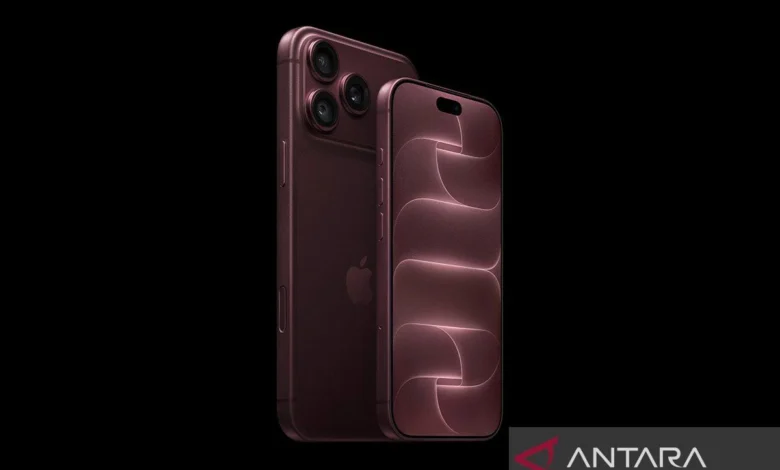
Apple Inc. officially introduced its flagship smartphone lineup, the iPhone 18 Pro and iPhone 18 Pro Max, during a special media event held on September 9, 2026, at Apple Park in Cupertino, California. The unveiling immediately dominated global technology news cycles, driven by significant hardware breakthroughs, including the industry’s first variable aperture mobile camera system, a cutting-edge 2-nanometer A20 Pro processor, and unprecedented battery life extensions. As global pre-orders commenced on September 12, 2026, followed by initial market rollouts on September 18 across select regions such as the United States, Singapore, Malaysia, and Vietnam, consumers worldwide began evaluating the tangible value of Apple’s newest devices.
However, the launch timeline has left several key markets, most notably Indonesia, outside the initial distribution wave. For prospective buyers in Southeast Asia’s largest economy, navigating the release of Apple’s latest generation requires a strategic approach. Industry analysts recommend looking past the marketing hype to evaluate pricing dynamics, regional availability, and specific hardware upgrades. To assist consumers in making an informed purchasing decision, technology experts have outlined ten essential considerations regarding the iPhone 18 Pro and Pro Max.
1. Model Differentiation: Size and Endurance
Choosing the right device begins with understanding the physical and functional differences between the 6.3-inch iPhone 18 Pro and the expansive 6.9-inch iPhone 18 Pro Max. While both models share identical processing architectures, camera sensor arrays, and software capabilities, they cater to distinctly different user ergonomics and endurance requirements.
Apple’s official technical specifications indicate that the smaller iPhone 18 Pro delivers up to 34 hours of continuous video playback, whereas the iPhone 18 Pro Max extends that capability to an unprecedented 43 hours. For users who prioritize a compact form factor that fits comfortably in one hand or smaller pockets, the standard Pro model is the logical choice. Conversely, content consumers, mobile gamers, and power users who demand maximum screen estate and multi-day battery endurance will find the Pro Max variant more aligned with their daily usage patterns.
2. Global Pricing Versus Domestic Market Realities
Pricing remains a primary factor for any smartphone upgrade. In the United States market, the iPhone 18 Pro starts at an initial retail price of $1,199, while the iPhone 18 Pro Max commands a base price of $1,299. Converted directly at current exchange rates, these figures approximate IDR 21.1 million and IDR 22.9 million, respectively.
Market analysts, however, caution consumers against treating these direct currency conversions as definitive local price tags. Official retail prices in Indonesia traditionally fluctuate based on import tariffs, Value-Added Tax (VAT) adjustments, logistics costs, and authorized distributor margins. Prospective Indonesian buyers are advised to monitor official announcements from domestic authorized resellers rather than relying on direct U.S. price equivalents.
3. Revolutionary Camera System Upgrades
For mobile photographers and digital content creators, the camera array represents the most compelling upgrade in the iPhone 18 generation. Apple has integrated a 48-megapixel Fusion primary camera that introduces variable aperture technology to the iPhone ecosystem for the very first time.
This optical advancement allows the physical lens opening to dynamically adjust, controlling the precise amount of light hitting the sensor while granting users advanced command over depth of field. Supplementing this hardware shift are professional-grade manual controls, including customizable shutter speeds, fine-tuned white balance adjustments, and real-time histogram displays. These additions transition the iPhone camera from a point-and-shoot tool into a flexible, professional-grade imaging device capable of rivaling dedicated mirrorless cameras in controlled environments.
4. Evaluating the 2-Nanometer A20 Pro Performance
Under the hood, both the iPhone 18 Pro and Pro Max are powered by the A20 Pro chip, constructed using an industry-leading 2-nanometer manufacturing process. The silicon houses a robust 6-core CPU, a 7-core GPU, and an upgraded Dual 16-core Neural Engine designed to accelerate on-device artificial intelligence tasks and machine learning operations. To sustain peak performance during extended workloads, Apple has also integrated a larger vapor chamber thermal management system.
Despite these impressive technical metrics, technology commentators emphasize that raw processing power may exceed the requirements of average users. Consumers whose daily smartphone usage is restricted to instant messaging, social media browsing, and video streaming will notice minimal practical differences compared to previous generations. The full potential of the A20 Pro and its advanced thermal architecture will primarily benefit professionals engaging in heavy 4K video editing, resource-intensive 3D gaming, and complex local AI processing.
5. Strategic Storage Selection and Cost Implications
Apple offers the iPhone 18 Pro lineup in multiple internal storage configurations, starting at 256 GB and scaling up through 512 GB and 1 TB to a maximum capacity of 2 TB. While massive storage tiers eliminate anxiety regarding device capacity, they also introduce steep price escalations.
Data management experts recommend assessing individual archiving habits prior to purchase. Users who rely heavily on cloud-based storage ecosystems and maintain minimal local media libraries will find the base 256 GB configuration more than adequate for daily tasks. Conversely, professionals who routinely capture high-bitrate ProRes video or retain extensive offline media libraries should carefully weigh the long-term utility of higher capacity tiers against the significant financial premium attached to them.
6. The Reality of Indonesia’s Phased Regional Release
A critical factor for Indonesian consumers is the absence of the country from Apple’s initial launch schedule. While first-wave markets received inventory starting September 18, 2026—including neighboring regional hubs like Singapore, Malaysia, and Vietnam—Indonesia was omitted from the primary release window.
Historical patterns suggest that official import certification processes, regulatory approvals from the Ministry of Industry regarding local content requirements (TKDN), and negotiations with domestic distributors dictate the arrival timeline for new Apple hardware. Consequently, local buyers must exercise patience and await official distribution dates rather than turning to unverified grey-market imports that often lack official regional warranties.
7. Assessing the Necessity of an Immediate Upgrade
The annual ritual of a major iPhone launch frequently triggers impulsive purchasing behavior among consumers eager to possess the latest technology. Consumer advocacy groups and tech columnists consistently advise buyers to perform a practical audit of their current hardware before committing to an upgrade cycle.
If an existing smartphone—such as an iPhone 16 Pro or iPhone 17 Pro—continues to handle daily applications smoothly, maintains acceptable battery health, and captures satisfactory photographs, transitioning to the iPhone 18 generation may offer diminishing practical returns. The improvements found in the iPhone 18 Pro are highly specialized, focusing heavily on advanced optical controls, localized AI acceleration, and incremental battery gains rather than fundamental workflow revolutions for casual users.
8. Ensuring Secure Warranties and Authorized Channels
When the iPhone 18 Pro series eventually clears regulatory hurdles and officially launches in Indonesia, consumers must exercise caution regarding their purchasing channels. Acquiring devices through authorized distributors guarantees that the hardware is fully compliant with domestic telecommunications regulations, including proper International Mobile Equipment Identity (IMEI) registration.
Purchasing through official channels also ensures access to legitimate after-sales service, authorized hardware repairs, and valid manufacturer warranties. Relying on unauthorized third-party importers to secure the device prematurely often exposes buyers to inflated market prices, lack of local warranty support, and potential network blocking due to unverified IMEI status.
9. Clarifying Product Lineup Terminology
Consumer confusion frequently arises surrounding product nomenclature during launch windows. Apple’s September 2026 presentation strictly focused on the high-end iPhone 18 Pro and iPhone 18 Pro Max tiers, omitting any announcement of a standard, base-model iPhone 18.
Industry supply chain reports and historical release cycles indicate that Apple typically staggers its product strategy, with the standard iPhone 18 variant projected to make its debut in subsequent production cycles, likely by 2027. Buyers monitoring current headlines should note that references to the "new iPhone 18" currently apply exclusively to the professional tier of devices.
10. Aligning Feature Sets with Individual Lifestyles
Ultimately, the decision to invest in the iPhone 18 Pro or iPhone 18 Pro Max rests on a careful alignment between personal utility and advanced technological offerings. The inclusion of a variable aperture camera, a 2nm A20 Pro chip, expanded display real estate, and extended battery endurance represent undeniable engineering feats. However, these innovations translate to genuine value only when matched with the daily requirements of the user.
For content creators, mobile imaging enthusiasts, and power users requiring desktop-class performance in a mobile chassis, the iPhone 18 Pro series serves as a formidable tool. For everyday users whose digital routines do not demand professional computational or optical capabilities, maintaining existing hardware or awaiting more accessible baseline models remains a prudent and economical choice. In an era of escalating consumer technology costs, informed decision-making based on genuine necessity continues to outperform the impulse of immediate ownership.