
How a challenger cybersecurity company can navigate their product into a customers hands – How a challenger cybersecurity company can navigate their product into a customer’s hands is a crucial aspect of success. This involves a multi-faceted approach, from initial product introduction and onboarding to comprehensive training, support, and documentation. Effective communication, ease of use, and proactive security measures are key elements for a positive customer experience.
The process encompasses careful planning, clear communication, and ongoing support throughout the deployment and post-deployment phases. Understanding customer pain points and providing tailored solutions is essential for successful product integration and long-term customer satisfaction.
Product Introduction and Onboarding
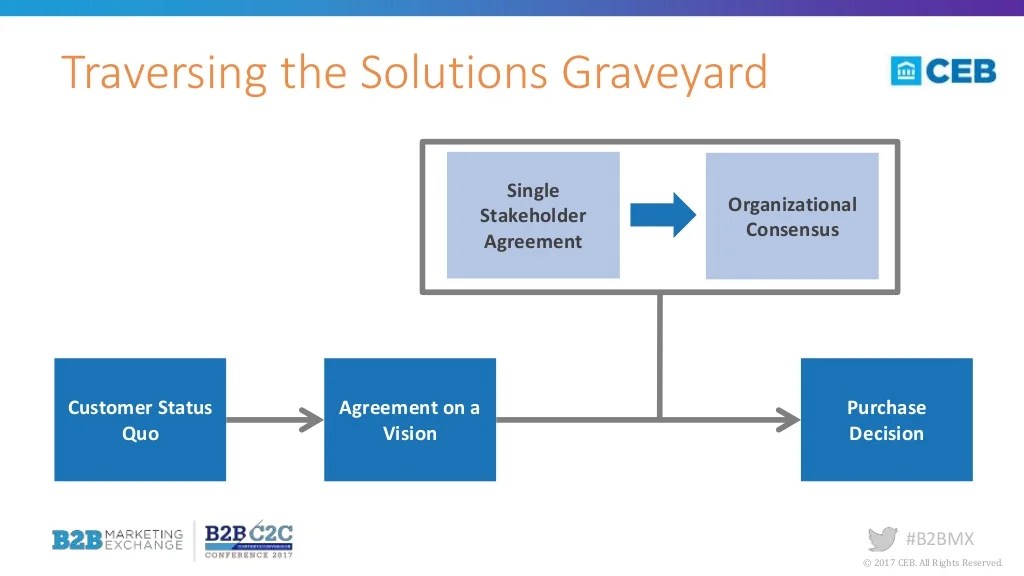
Introducing a new cybersecurity product requires a meticulous approach to ensure smooth integration and maximum customer benefit. A well-structured onboarding process minimizes disruption to existing workflows and fosters a positive customer experience. This process should be tailored to specific customer needs, utilizing clear communication and proactive support to maximize product adoption and value realization.Effective onboarding transcends simple product deployment.
It involves building trust, understanding customer pain points, and anticipating potential challenges. A proactive approach, characterized by open communication and ongoing support, is crucial for long-term customer satisfaction and retention.
Getting a challenger cybersecurity product into customer hands requires a strategic approach. Building trust and showcasing the product’s value is key, and leveraging the top 10 tools visible experts use to increase their personal brand, like top 10 tools visible experts use to increase their personal brand , can significantly help. This includes creating thought leadership content and engaging with potential customers on relevant platforms.
Ultimately, a strong online presence will help position the product effectively and foster trust with prospective clients.
Step-by-Step Product Introduction
A phased approach ensures a smooth transition for the customer. The process begins with a thorough needs assessment, followed by system compatibility checks to ensure seamless integration. This phase establishes a solid foundation for the deployment process. Detailed documentation, clear communication, and proactive problem-solving are key to this stage.
Clear and Concise Communication
Open and transparent communication is paramount during the initial product handover. Providing clear documentation, including user manuals and FAQs, is essential. Regular updates, both formal and informal, keep customers informed of progress and any potential delays. This fosters a sense of collaboration and shared responsibility, minimizing uncertainty and apprehension. A dedicated point of contact, easily accessible for questions and concerns, further enhances communication.
Onboarding Framework for Ease of Use
The onboarding framework should prioritize ease of use. The product should be intuitive and straightforward to navigate, reducing the learning curve for users. A phased approach to training, starting with introductory sessions and progressing to advanced techniques, is more effective than a single, overwhelming session. Customizable dashboards and user profiles allow for personalized configurations, tailored to individual team needs and workflows.
Addressing Customer Pain Points
Common customer pain points during product integration include:
- Complexity of integration: A well-defined integration process with clear documentation, step-by-step instructions, and readily available support mitigates this issue.
- Disruption to existing workflows: Minimizing disruption by integrating the new product into existing systems and workflows, and providing training on seamless transitions, addresses this concern.
- Lack of support: Dedicated support teams, readily accessible through multiple channels, and proactive communication regarding progress and potential issues, effectively manages this pain point.
- Inconsistent training materials: Ensuring consistent and clear training materials across all customer touchpoints reduces confusion and promotes effective learning.
Effective Communication Strategies
Effective communication strategies should be tailored to different customer personas:
- Technical users: Provide detailed technical documentation, access to APIs, and advanced training sessions. Emphasize the product’s technical capabilities and how it enhances their existing systems.
- Non-technical users: Focus on clear, concise explanations, using visual aids and simple language. Emphasize the product’s benefits in terms of improved security and streamlined workflows.
- Executives: Present the product’s value proposition in terms of cost savings, risk reduction, and improved operational efficiency. Highlight key metrics and ROI.
Onboarding Phases and Timelines
The following table Artikels the various onboarding phases, their key deliverables, timelines, and associated key metrics:
| Phase | Deliverables | Timeline | Key Metrics |
|---|---|---|---|
| Pre-Deployment | Needs assessment, system compatibility checks, configuration planning | 1-2 weeks | Customer satisfaction surveys, support ticket volume, system compatibility report |
| Deployment | Product installation, configuration, initial testing | 1-2 days | System uptime, error rates, initial user feedback |
| Post-Deployment | Training, ongoing support, performance monitoring | Ongoing | User adoption rate, support ticket resolution time, security incident reduction |
Customer Training and Support
A strong cybersecurity solution isn’t just about the technology; it’s about empowering customers to effectively use it. Comprehensive training and readily available support are crucial for maximizing the value of the product and fostering customer satisfaction. A well-structured approach to training and support builds trust and confidence in the product, ultimately leading to higher adoption rates and reduced customer churn.
Best Practices for Comprehensive Product Training
Effective product training goes beyond just presenting the features. It needs to focus on practical application and demonstrate how the product can solve real-world security challenges. This approach ensures customers feel confident in utilizing the product to protect their sensitive data. Hands-on exercises and real-world scenarios are essential to ensure that customers understand how to apply the product’s features effectively.
This also allows for immediate feedback and adjustment of the training materials based on customer needs and challenges.
Creating Engaging and Interactive Training Materials
Interactive training materials are vital to make the learning experience engaging and memorable. This includes utilizing various learning formats such as videos, interactive simulations, and quizzes. The goal is to create a learning experience that is both informative and entertaining, making the training process enjoyable for the customer.
- Videos: Short, easily digestible video tutorials showcasing specific features and use cases can be very effective. These videos should clearly demonstrate the steps involved in utilizing the product for different scenarios. This can be a good starting point for training.
- Interactive Simulations: Simulating real-world attack scenarios allows customers to practice responding to threats in a safe environment. These simulations should be designed to progressively increase in complexity, allowing customers to develop their skills over time.
- Quizzes and Assessments: Quizzes and assessments provide immediate feedback and help customers gauge their understanding of the material. These can be used to reinforce key concepts and ensure that customers have a firm grasp of the product’s functionalities.
Importance of Readily Available Support Channels
Customers need easy access to support when they encounter issues or have questions. Providing multiple support channels allows customers to choose the method that best suits their needs and preferences. This is crucial for minimizing frustration and maximizing the efficiency of support interactions.
Examples of Different Support Channels
Different support channels cater to different needs. A comprehensive approach utilizes a combination of self-service options and direct support interactions. This will help to address various customer queries and issues.
- FAQs (Frequently Asked Questions): A well-maintained FAQ section can address common questions and resolve simple issues quickly. This provides immediate answers to commonly asked questions.
- Knowledge Base: A knowledge base provides detailed explanations, tutorials, and troubleshooting guides. It offers comprehensive information on various aspects of the product.
- Live Chat: Live chat allows for immediate responses to technical problems and urgent queries. It offers a direct and interactive way to assist customers with issues that require immediate attention.
- Phone Support: Phone support is often preferred for complex issues or when customers require detailed guidance. It allows for personalized assistance and a more in-depth resolution of technical problems.
Support Channel Comparison
| Support Channel | Pros | Cons | Use Cases |
|---|---|---|---|
| Self-service (FAQs) | 24/7 availability, cost-effective | Limited scope, not suitable for complex issues | Simple questions, troubleshooting basic issues |
| Knowledge Base | Comprehensive resource, searchable | Requires good content creation | Common issues, detailed explanations |
| Live Chat | Instant response, real-time assistance | Limited to trained agents, queue times | Urgent issues, technical problems |
| Phone Support | Detailed guidance, personalized assistance | Higher operational costs, potentially longer response times | Complex issues, specific needs |
Product Documentation and Resources
Comprehensive documentation is crucial for empowering users and ensuring a smooth transition into your cybersecurity solution. Clear and well-organized documentation acts as a valuable resource, providing users with the necessary guidance to effectively utilize your product and troubleshoot potential issues. This goes beyond simply explaining features; it establishes a valuable knowledge base, reducing support requests and fostering user confidence.
Significance of Well-Structured Documentation
Well-structured documentation significantly improves user experience. It reduces the time spent searching for answers and provides a consistent source of information. Users can easily find answers to their questions, leading to faster onboarding and increased proficiency. This proactive approach to user support minimizes the need for constant intervention from customer support teams. Effective documentation streamlines the learning curve, enabling faster adoption and a higher return on investment for both the user and the company.
Getting a challenger cybersecurity product into customer hands requires a smart strategy, especially in today’s economic climate. Companies need to carefully consider their marketing approach, and that includes looking at professional services in a recession. A savvy marketing strategy, like those outlined in marketing professional services in a recession , can be key to effectively communicating the value proposition of your cybersecurity product to potential clients.
Ultimately, a well-defined, targeted approach is crucial for success in navigating this competitive market.
User Manuals
User manuals are fundamental to understanding the product. They should be meticulously organized, clearly explaining each feature and function, and providing step-by-step instructions. To create a useful user manual, consider these key elements:
- Introduction: A concise overview of the product and its key functionalities. This should be easily accessible to guide the user from the very beginning.
- Installation Guide: A detailed walkthrough of the installation process, including prerequisites and troubleshooting steps.
- Feature Descriptions: A comprehensive explanation of each feature, its purpose, and usage examples. Each feature should have a dedicated section with clear explanations and visuals.
- User Interface (UI) Walkthrough: A visual guide of the product interface, highlighting key components and their functions. This helps users navigate the product efficiently.
- Troubleshooting Guide: A compilation of common problems and their solutions. Include error codes and diagnostic steps.
Frequently Asked Questions (FAQs)
A comprehensive FAQ section addresses common user inquiries. This proactive approach reduces support calls and provides readily available answers. This proactive approach is crucial for self-service and user autonomy.
- Categorization: Organize FAQs into logical categories, such as installation, configuration, or specific features.
- Search Functionality: Implement a robust search function to allow users to quickly find answers to their questions.
- Clear and Concise Language: Use simple, easy-to-understand language to explain complex concepts.
- Real-world Examples: Include practical examples to illustrate the application of features and functions.
Tutorials
Tutorials are interactive guides that demonstrate specific tasks or functionalities within the product. They should be structured to guide the user through a particular workflow or feature application, using a clear and logical sequence of steps.
- Step-by-Step Instructions: Provide a clear sequence of steps, complete with screenshots or interactive elements.
- Interactive Exercises: Include interactive exercises or quizzes to reinforce learning and ensure understanding.
- Video Tutorials: Integrate video tutorials for visual learners to demonstrate processes and procedures.
- Practical Scenarios: Include real-world use cases to illustrate how the features are used in various situations.
Technical Support, How a challenger cybersecurity company can navigate their product into a customers hands
Multiple avenues for technical support are crucial. This ensures accessibility and prompt resolution for user issues.
- Dedicated Support Team: A dedicated support team available via phone, email, or chat.
- Knowledge Base: A comprehensive knowledge base with readily available articles and solutions.
- Community Forums: A user community forum for peer-to-peer support and knowledge sharing.
- Self-Service Portal: A self-service portal with FAQs, troubleshooting guides, and downloadable resources.
Visual Appeal and User-Friendliness
Visually appealing and user-friendly documentation is crucial for engagement and comprehension.
- Clear and Concise Language: Avoid jargon and use clear, concise language to explain complex concepts.
- Well-Organized Layout: Use headings, subheadings, bullet points, and visuals to structure the content effectively.
- Visually Appealing Design: Incorporate visuals, such as diagrams, screenshots, and icons, to illustrate concepts and processes.
- Accessibility Features: Ensure the documentation is accessible to users with disabilities by adhering to accessibility guidelines.
Essential Elements for Comprehensive Documentation
Comprehensive documentation should include several key elements to ensure clarity and user-friendliness.
- Search Functionality: Enable users to easily locate information through effective search functions.
- Index and Table of Contents: Include an index and table of contents for quick navigation through the documentation.
- Cross-Referencing: Cross-reference relevant information to connect different sections and features.
- Feedback Mechanisms: Include feedback mechanisms to gather user input and improve documentation.
Addressing Security Concerns and Compliance
Building trust with customers is paramount in the cybersecurity industry. Addressing their security concerns proactively demonstrates your commitment to their data and fosters a positive relationship. A well-defined approach to compliance showcases your dedication to industry standards, ultimately increasing customer confidence and driving adoption.Understanding and anticipating customer concerns about security is crucial for a successful product launch and ongoing customer satisfaction.

This proactive approach positions your company as a reliable partner, mitigating potential risks and reinforcing your commitment to protecting their valuable assets.
Getting a challenger cybersecurity product into customer hands requires a strategic approach, especially in today’s market. Think about how 11 plays to get your business back after COVID-19 and the new normal can be applied – a focus on targeted marketing, clear value propositions, and a seamless onboarding process is key. Ultimately, a strong understanding of the customer’s needs and pain points is critical for successful product adoption.
11 plays to get your business back after covid 19 and the new normal offers a great framework for modernizing your business. This translates into a much smoother path to market for your innovative cybersecurity solutions.
Customer Security Concerns
Customer security concerns vary significantly, ranging from general apprehension about data breaches to more specific questions about compliance and data handling. Understanding these anxieties allows you to craft targeted responses and alleviate customer doubts.
- Data breaches: Customers are understandably concerned about the potential for their sensitive data to be compromised. They want assurance that robust security measures are in place to prevent unauthorized access and data leaks.
- Compliance requirements: Customers operating in regulated industries (healthcare, finance, etc.) require specific security measures to comply with industry regulations. Demonstrating your product’s adherence to these requirements is essential for gaining their trust and avoiding costly penalties.
- Data privacy: Customer data privacy is a significant concern. Customers expect transparent policies and procedures regarding how their data is collected, used, and protected.
- Third-party risks: Customers are aware of potential vulnerabilities in third-party systems and services. They want to know your product is secure even if integrated with external applications or services.
- Transparency and control: Customers want to understand how their data is handled and have control over their information. This includes clear access policies, data retention procedures, and reporting mechanisms.
Proactive Mitigation Strategies
Addressing customer security concerns proactively is crucial. Clear communication, comprehensive documentation, and demonstrable security features are key components of a successful strategy.
- Comprehensive documentation: Detailed documentation outlining security features, compliance certifications, and data handling procedures can address many customer concerns. Provide readily available and easily understandable resources to ease concerns and provide answers.
- Demonstrate security features: Showcase the security measures implemented within your product. Highlight key features like encryption, access controls, and vulnerability management systems. Use case studies or success stories to showcase the efficacy of your security measures in real-world scenarios.
- Open communication: Maintain open communication channels to address customer queries and concerns promptly. Offer dedicated support channels and readily accessible FAQs to proactively address common questions and concerns.
- Transparency and trust: Be transparent about your security practices and commitment to compliance. Highlight any relevant certifications or audits to build customer trust and confidence.
- Security audits and certifications: Conduct regular security audits and obtain relevant certifications (e.g., ISO 27001) to demonstrate your commitment to robust security practices. This reinforces your credibility and strengthens your position.
Compliance Requirements by Industry
Meeting specific compliance requirements is vital for gaining trust and ensuring successful product adoption in different industries.
| Industry | Key Compliance Requirements | Impact on Product Delivery |
|---|---|---|
| Healthcare | HIPAA | Data encryption, patient privacy, access controls |
| Finance | PCI DSS | Secure transactions, data protection, encryption |
| Government | FISMA, NIST | Data security, access controls, compliance reporting |
| Education | FERPA | Student data privacy, security protocols |
Measuring Customer Success
Successfully launching a cybersecurity product hinges on more than just a polished interface and robust features. Crucially, it depends on understanding how well your customers are using the product and whether it’s meeting their needs. This involves a proactive approach to measuring customer success, going beyond simple metrics and delving into the actual experience. A deep understanding of customer adoption, satisfaction, and feedback is paramount for iterative improvements and long-term growth.Understanding customer success requires a holistic approach that blends quantitative data with qualitative insights.
This involves establishing clear key performance indicators (KPIs), diligently tracking adoption and satisfaction, actively soliciting feedback, and meticulously analyzing the results. These efforts provide valuable data to refine the product, enhance support, and ultimately build stronger customer relationships.
Key Performance Indicators (KPIs) for Evaluating Customer Success
Identifying relevant KPIs is the first step in measuring customer success. These metrics should align with your specific product goals and customer needs. Common KPIs include customer retention rates, feature usage, support ticket volume, and customer satisfaction scores. For instance, a high customer retention rate signifies a product that resonates with users and fulfills their needs.
- Customer Retention Rate: This metric measures the percentage of customers who remain active over a specific period. A high retention rate indicates that customers are satisfied with the product and find it valuable enough to continue using it. For example, a retention rate of 90% over a year suggests a strong product-customer fit.
- Feature Usage: Tracking how often customers utilize different features provides insight into their adoption and the value they derive from the product. High usage of core features often correlates with a positive customer experience.
- Support Ticket Volume: Monitoring the volume of support tickets can signal potential issues with the product or onboarding process. A sudden increase in tickets may indicate a problem that needs immediate attention, while a low volume can indicate a well-understood and user-friendly product.
- Customer Satisfaction Score (CSAT): Measuring customer satisfaction provides a direct reflection of the overall product experience. Collecting CSAT data through surveys or feedback forms helps identify areas for improvement.
Methods for Tracking Customer Adoption and Satisfaction
Tracking customer adoption and satisfaction is essential to gauge how well your product is being used and how satisfied customers are. Effective tracking methods involve utilizing various data points and combining qualitative and quantitative information.
- Product Usage Analytics: Employing tools that monitor product usage patterns allows you to see how frequently customers use different features, how long they stay engaged, and where they encounter difficulties. This data is critical for pinpointing areas for improvement in the product design and user experience.
- Customer Surveys: Regularly conducting customer surveys can provide valuable insights into customer satisfaction and identify pain points. Surveys can measure specific aspects of the product experience, such as ease of use, effectiveness, and support responsiveness.
- Customer Support Interactions: Analyzing customer support interactions, including ticket volume, resolution time, and types of issues reported, can provide a detailed understanding of product usability and areas where improvements are needed.
The Importance of Gathering Customer Feedback and Reviews
Customer feedback is a critical component of the iterative improvement process. Understanding customer perspectives on the product allows for targeted adjustments and enhances the overall customer experience. Active solicitation of feedback is vital for continuous product development.
- Understanding Customer Needs: Feedback provides direct insight into customer needs, expectations, and pain points. This allows you to address these issues proactively and tailor your product accordingly.
- Improving Product Design: Feedback helps identify areas where the product could be improved, from the user interface to the overall functionality. By actively gathering and analyzing feedback, you can refine the product to better meet customer needs.
- Enhancing Customer Support: Feedback can highlight areas where customer support can be more efficient or responsive. By addressing customer feedback on support issues, you can enhance the customer support experience.
Different Approaches for Collecting and Analyzing Customer Feedback
Implementing various feedback collection methods can lead to a comprehensive understanding of the product’s effectiveness. The choice of approach should be tailored to your specific customer base and product characteristics.
- Surveys: Employing structured questionnaires allows you to gather standardized data. Surveys can be administered online or via email and can cover a wide range of topics. Online tools and platforms simplify survey creation and distribution.
- Focus Groups: Gathering a small group of customers for a focused discussion allows for in-depth feedback. Focus groups offer the opportunity for deeper exploration of specific issues or features.
- Review Platforms: Leveraging third-party review platforms can gather feedback from a wider audience. These platforms offer a public forum for customers to express their opinions and experiences.
Final Conclusion: How A Challenger Cybersecurity Company Can Navigate Their Product Into A Customers Hands
Ultimately, a challenger cybersecurity company’s ability to seamlessly integrate its product into a customer’s workflow hinges on a well-structured onboarding process, excellent customer support, comprehensive documentation, and a commitment to addressing security concerns. By focusing on these elements, companies can foster a positive user experience, build trust, and drive long-term customer success.