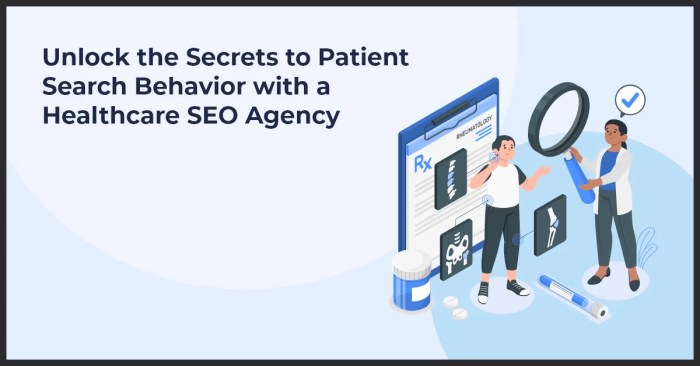
Unlock the secrets to patient search behavior with a healthcare seo agency – Unlock the secrets to patient search behavior with a healthcare agency. This exploration delves into the intricate world of how patients search online for healthcare services. We’ll uncover the motivations behind their searches, examining differences across demographics and health conditions. Understanding these patterns is crucial for optimizing a medical practice’s online presence and attracting the right patients.
We’ll explore strategies employed by healthcare agencies to enhance online visibility. From crafting engaging website content to leveraging local , we’ll cover the essential components of a successful strategy. We’ll also examine how to optimize content for patient queries, building trust and credibility through data-driven insights and effective communication. Case studies and examples will illustrate the tangible impact of these strategies on patient acquisition.
Understanding Patient Search Behavior
Unveiling the online search habits of patients is crucial for healthcare providers seeking to connect with their target audience effectively. Knowing what patients are looking for, how they phrase their queries, and what motivates their searches can dramatically impact a practice’s visibility and patient acquisition. This understanding allows for strategic optimization of online presence, ensuring relevant information is easily accessible and readily found.Patient search behavior is complex, shaped by a multitude of factors, including demographics, health concerns, and the information landscape.
By examining these patterns, healthcare providers and agencies can tailor strategies that resonate with potential patients and drive valuable traffic to their websites.
Typical Search Patterns and Motivations
Patients often utilize search engines to explore symptoms, find treatment options, locate specialists, and compare healthcare providers. They may seek information about specific procedures, understand their medical condition better, or compare different healthcare facilities. Their motivations often revolve around gaining clarity, understanding treatment options, and ultimately, achieving better health outcomes. Search queries can range from basic symptom identification to detailed inquiries about specific treatments.
Differences in Search Behavior Across Demographics
Patient search behavior varies significantly across demographics. Younger patients, for example, may rely more heavily on social media and online reviews when researching providers. Older patients, on the other hand, may favor more traditional methods, like word-of-mouth referrals, or rely on trusted healthcare providers’ websites. Location plays a significant role; patients in rural areas may search for healthcare providers closer to their residence, while those in urban centers might be more open to searching for specific types of specialists or procedures.
Furthermore, patients with specific health conditions, such as diabetes or heart disease, will often seek highly specialized information tailored to their particular needs.
Common Pain Points and Concerns
Patients frequently express concerns about affordability, accessibility, and the quality of care. They might be searching for information on insurance coverage, the cost of procedures, or the availability of services in their area. Reviews and ratings are often key factors in their decision-making process. The ability to understand the nuances of these concerns is crucial for building trust and credibility with potential patients.
Examples of Successful Patient Search Queries
The following examples illustrate successful patient search queries, categorized by health issue:
- Headaches: “migraine treatment near me,” “headache causes,” “relieving tension headaches,” “best headache specialist.” These searches demonstrate a desire for immediate solutions and local options.
- Heart Conditions: “heart attack symptoms,” “coronary artery disease treatment,” “heart health diet,” “cardiologist near me.” These searches often reveal a need for comprehensive information and local access to specialists.
- Gastrointestinal Issues: “stomach pain causes,” “treatment for irritable bowel syndrome,” “digestion problems,” “find gastroenterologist.” These searches frequently indicate a desire to understand the underlying cause of the discomfort and locate appropriate specialists.
Comparison of Search Terms for Common Medical Conditions
The table below compares and contrasts the search terms used for common medical conditions, highlighting the diversity of language patients employ when seeking information online.
| Medical Condition | Specific Search Terms (General) | Specific Search Terms (Detailed) |
|---|---|---|
| Diabetes | “diabetes symptoms,” “diabetes treatment,” “managing diabetes” | “type 2 diabetes medication,” “diabetes management apps,” “long-term diabetes complications” |
| Arthritis | “arthritis pain relief,” “arthritis treatment options,” “arthritis symptoms” | “rheumatoid arthritis diet,” “osteoarthritis exercises,” “arthritis specialist near me” |
| Asthma | “asthma symptoms,” “asthma triggers,” “asthma treatment” | “asthma inhalers,” “asthma action plan,” “emergency asthma treatment” |
Healthcare Agency Strategies
Understanding patient search behavior is just the first step. A healthcare agency acts as a strategic partner, translating that understanding into actionable steps to improve your practice’s online visibility and attract the right patients. They leverage their expertise to optimize your digital presence, driving targeted traffic and ultimately, growing your patient base.A successful healthcare strategy is multifaceted, going beyond simple stuffing.
It’s about creating a holistic online experience that resonates with potential patients, builds trust, and encourages them to choose your practice. This involves optimizing your website, content, and online profiles to align with search engine algorithms and patient needs.
Role of a Healthcare Agency
A healthcare agency specializes in optimizing medical practices’ online presence to attract qualified patients. They perform in-depth analyses of search engine algorithms and patient search queries to identify opportunities for improvement. This includes technical , on-page optimization, and off-page strategies. They work with you to build a tailored strategy that focuses on achieving your specific practice goals.
Essential Components of a Successful Healthcare Strategy
A strong healthcare strategy incorporates several key elements. These include research tailored to the medical niche, content creation that educates and builds trust, technical optimization to improve site speed and usability, and building high-quality backlinks from reputable sources. These components work together to improve search engine rankings and patient engagement.
Unveiling the mysteries of patient search behavior requires a sharp healthcare SEO strategy. Understanding how patients find your services online is key, and a good agency can help you do just that. This dovetails nicely with how CRM and marketing automation can revolutionize your business how crm and marketing automation can revolutionize your business. By streamlining communication and tracking interactions, these tools can supercharge your patient acquisition efforts, making your SEO efforts even more effective.
Ultimately, a strong healthcare SEO strategy, coupled with the right CRM and marketing automation, is the perfect recipe for success.
Patient Engagement through Website Content
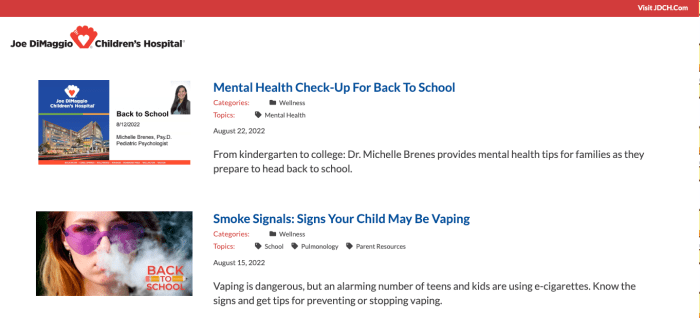
Engaging website content is crucial for converting website visitors into patients. It’s more than just information; it’s about building trust and demonstrating expertise. The content should be informative, trustworthy, and easy to understand, addressing potential patient concerns and questions in a clear, concise manner. For example, blog posts on common ailments, explanations of procedures, and patient testimonials can significantly enhance engagement.
Consider including high-quality images and videos to make the content more visually appealing and engaging.
Importance of Local
Local is essential for attracting patients in your immediate geographic area. This involves optimizing your online presence for local searches, ensuring your practice appears prominently in local search results. This includes optimizing your Google My Business profile, building citations on relevant online directories, and encouraging online reviews from satisfied patients. By implementing these local tactics, you can increase visibility for potential patients in your service area.
Tactics for Increasing Online Visibility
| Tactic | Description | Example |
|---|---|---|
| Research | Identifying relevant s and phrases patients use when searching for medical services. | “Orthopedic surgeon near me,” “affordable dental implants,” “pediatric allergy specialist” |
| On-Page Optimization | Optimizing website content and structure for search engines. | Using relevant s in page titles, meta descriptions, and headings. |
| Content Marketing | Creating valuable and informative content that attracts and engages patients. | Blog posts, articles, videos, infographics. |
| Link Building | Earning backlinks from reputable websites to improve domain authority. | Guest posting on health-related blogs, participating in online forums. |
| Local Optimization | Optimizing your online presence for local searches. | Claiming and optimizing your Google My Business profile, building citations on local directories. |
| Technical | Ensuring your website is technically sound for search engine crawlers. | Improving website speed, mobile-friendliness, and site structure. |
Optimizing Content for Patient Queries
Understanding patient search behavior is crucial for healthcare . Patients often use online searches to explore symptoms, research treatments, and find local providers. By crafting informative and engaging content, healthcare providers can establish trust and credibility, positioning themselves as valuable resources in the patient journey. This involves creating content that directly addresses patient concerns and questions, using clear and concise language, and employing a patient-centric approach.Effective healthcare requires tailoring content to resonate with patients’ needs and preferences.
Content should be more than just informative; it should be engaging and trustworthy, fostering a positive relationship with potential patients. This involves structuring website copy to address common patient concerns and questions in a clear and concise manner, ultimately leading to increased patient engagement and improved online visibility.
Crafting Informative and Engaging Content
Patient-centric content is essential for establishing trust and credibility. This involves writing in a clear, concise, and easily understandable style, avoiding jargon and technical terms. Patients are seeking practical information, not complex medical explanations. Prioritize clear and concise language, avoiding medical jargon. Focus on explaining complex topics in a simple, relatable manner.
Use headings and subheadings to break up text and improve readability.
Structuring Website Copy to Address Patient Concerns, Unlock the secrets to patient search behavior with a healthcare seo agency
Patient queries often revolve around symptoms, treatment options, and finding local providers. Understanding these common concerns is crucial for crafting effective website copy. Use a question-and-answer format or a problem-solution approach in your content. Addressing common questions directly within the content can enhance the user experience and increase the likelihood of a patient finding the information they need.
For example, a webpage about knee pain might address common causes, symptoms, and treatment options, ultimately leading patients to a better understanding of their condition.
Creating Patient-Centric Content
Creating patient-centric content means putting the patient at the heart of the message. It’s not about the provider’s perspective; it’s about understanding the patient’s journey and the questions they’re asking. This involves researching common patient concerns and anxieties, and then addressing them directly within the content. This type of patient-focused approach builds trust and fosters a sense of understanding.
For instance, an article on anxiety might delve into the different types of anxiety, causes, and coping mechanisms. Such articles show the provider cares and understands the patient’s struggles.
Content Types that Resonate with Patients
Different content types can resonate with patients in unique ways. Blog posts provide an opportunity to delve into specific topics in detail, offering insights and expertise. Frequently Asked Questions (FAQs) pages directly address common patient queries. Videos offer an engaging and accessible way to convey information. These different mediums cater to various learning styles, enhancing overall engagement and knowledge acquisition.
Incorporating Patient Testimonials and Success Stories
Patient testimonials and success stories provide social proof and build trust. They demonstrate the positive impact of services or treatments. By sharing real-life experiences, providers can showcase their expertise and build a stronger connection with potential patients. For instance, a dental clinic could showcase testimonials from satisfied patients about their positive experiences, emphasizing the quality of care and the comfort provided.
Knowing how patients search online is key for healthcare providers. A healthcare SEO agency can unlock the secrets to this behavior, helping you understand what potential patients are looking for. This knowledge is crucial, not only for attracting new patients but also for refining your overall digital strategy. Think about developing a content marketing playbook for your professional services firm, like developing a content marketing playbook for your professional services firm , which can guide your team and ensure a cohesive online presence.
Ultimately, this deeper understanding of patient search behavior, with the help of an SEO expert, leads to improved patient acquisition and retention.
Incorporate these testimonials strategically throughout the website, especially on landing pages or service pages.
Leveraging Data and Analytics
Unlocking the secrets to patient search behavior hinges on understanding the data behind those searches. This isn’t just about s; it’s about uncovering the motivations, preferences, and pain points driving patients to seek information online. Effective healthcare strategies rely heavily on data-driven insights to tailor content and optimize campaigns for maximum impact. By tracking and analyzing patient search behavior, healthcare providers and agencies can refine their approach, ensuring their online presence resonates with the needs of their target audience.Data analytics provides a crucial lens through which to understand patient preferences and behaviors.
It reveals patterns and trends that would otherwise remain hidden, allowing for targeted optimization strategies. Interpreting this data empowers healthcare professionals to create content that truly addresses patient concerns and positions them as trusted sources of information. This, in turn, strengthens patient trust and engagement.
Unlocking the secrets to how patients search online is crucial for any healthcare practice. A healthcare SEO agency can help you understand those search patterns, but it’s also important to consider the broader digital landscape. Is social networking truly eating the web? This article explores that question , and understanding that context can inform your SEO strategy.
Ultimately, a deep dive into patient search behavior, guided by a skilled healthcare SEO agency, is key to modern healthcare marketing success.
Tracking and Analyzing Patient Search Behavior Data
Understanding the intricacies of patient search behavior requires meticulous tracking and analysis. This process involves monitoring various metrics to gauge the effectiveness of strategies and the overall online experience. Crucially, this allows adjustments to be made in real-time, adapting to evolving patient needs and preferences.
Utilizing Analytics Tools to Understand Patient Preferences
Several powerful analytics tools provide valuable insights into patient search behavior. Google Analytics, for instance, offers comprehensive data on website traffic, user engagement, and search query patterns. Tools like SEMrush and Ahrefs provide deep dives into performance, competitor analysis, and backlink profiles, which can be vital to uncovering opportunities for improvement. Further, social listening tools can provide insights into public conversations and trending topics relevant to patient health concerns.
Understanding the language and terminology used by patients is crucial.

Interpreting Data to Identify Trends in Patient Search Behavior
Interpreting the data collected is a crucial step. Look for patterns in search queries, popular s, and website interactions. For example, if a significant number of searches are related to “affordable dental implants,” it indicates a clear need that can be addressed through targeted content. By identifying recurring themes, healthcare providers can better understand the issues that patients are searching for answers to.
Moreover, analyzing bounce rates, time on site, and conversion rates provides insights into how effectively the content addresses user needs.
Strategies for Adapting Efforts Based on Data Insights
Once trends are identified, efforts can be adjusted accordingly. For example, if a particular cluster proves exceptionally popular, creating more content around that topic becomes essential. Likewise, if user engagement is low on specific pages, the content needs reassessment and optimization. Data-driven decisions enable healthcare providers to fine-tune their online presence, ensuring it aligns with the specific needs of their target audience.
The focus should be on providing relevant and helpful information that addresses patient needs directly.
Key Metrics to Monitor and Track Patient Search Behavior
| Metric | Description | Importance |
|---|---|---|
| Search Volume | Number of times a specific is searched for within a given timeframe. | Indicates the popularity of a particular search term and helps prioritize content creation. |
| Click-Through Rate (CTR) | Percentage of users who click on a search result. | Evaluates the effectiveness of meta descriptions and titles in attracting clicks. |
| Time on Page | Average time spent by users on a specific page. | Indicates the relevance and engagement of the content. |
| Bounce Rate | Percentage of users who leave a website after viewing only one page. | Signals whether the content is meeting user expectations and addressing their needs. |
| Conversion Rate | Percentage of users who complete a desired action (e.g., scheduling an appointment, downloading a resource). | Measures the effectiveness of the content in driving desired outcomes. |
Building Trust and Credibility
Establishing trust with potential patients online is paramount for any healthcare practice. A strong online presence, built on transparency and credibility, can significantly impact patient acquisition and retention. Building this trust requires a multifaceted approach that goes beyond simply having a website; it’s about fostering a relationship based on reliability, accuracy, and responsiveness.Building a reputation as a trusted healthcare provider hinges on consistently delivering high-quality information and services.
Patients increasingly rely on online resources to research their health concerns and find suitable medical professionals. Consequently, a practice’s online presence must reflect its commitment to ethical and professional standards.
Strategies for Establishing a Reliable Online Presence
Transparency in online communication is crucial for building trust. Potential patients need clear and concise information about the practice’s services, expertise, and values. This involves openly addressing any concerns or questions, even negative ones, in a professional manner. Accurate and up-to-date information about services and staff credentials further reinforces the practice’s trustworthiness.
Methods for Maintaining an Excellent Online Reputation
Positive online reviews and testimonials are powerful indicators of a practice’s quality. Actively soliciting and responding to reviews, both positive and negative, demonstrates a commitment to patient satisfaction. Responding thoughtfully to comments and concerns demonstrates a proactive approach to addressing potential issues. This engagement cultivates a sense of community and responsiveness, further strengthening the practice’s credibility.
Best Practices for Responding to Online Reviews
A proactive approach to online reviews is vital for maintaining a positive online reputation. This includes prompt responses to all reviews, both positive and negative. Acknowledge and appreciate positive feedback, as it reinforces a positive image. Address negative feedback with empathy and a solution-oriented approach.
- Responding to Positive Reviews: A simple “Thank you for your feedback!” or a personalized acknowledgment of the specific praise received can significantly strengthen the practice’s positive online image. Acknowledging specific aspects of the experience strengthens the message and fosters trust.
- Addressing Negative Reviews: Acknowledge the patient’s concern and express empathy for their experience. Offer a solution-oriented approach, such as offering to reschedule an appointment or contact the patient directly to address the issue privately. Avoid defensiveness or arguing with the patient online. A sincere apology, when appropriate, can significantly mitigate the negative impact of a review.
- Handling Complaints: Maintain a professional and respectful tone when responding to complaints. Address the complaint directly and provide a solution or explanation. If the complaint involves a systemic issue, indicate steps being taken to prevent future occurrences. A clear and concise response will minimize the negative impact of the complaint.
Example Table: Responding to Online Reviews and Comments
| Review Type | Response Strategy | Example Response |
|---|---|---|
| Positive Review | Acknowledge and appreciate | “Thank you for your wonderful review! We’re thrilled you had a positive experience.” |
| Negative Review (Service Issue) | Empathetic and Solution-Oriented | “We’re sorry to hear about the issue with the appointment scheduling. Please contact us directly at [phone number] so we can discuss this further and find a solution that works for you.” |
| Negative Review (Staff Issue) | Acknowledge, Apologize, and Offer Resolution | “We sincerely apologize for the experience you had with [staff member]. We value your feedback and are taking steps to ensure similar situations don’t occur again. Please contact us at [phone number] so we can discuss this further.” |
| Negative Review (General Disagreement) | Professional and Polite | “Thank you for your feedback. We strive to provide exceptional service and appreciate you bringing this to our attention. We encourage you to contact us directly at [phone number] to discuss this further.” |
Future Trends in Patient Search Behavior: Unlock The Secrets To Patient Search Behavior With A Healthcare Seo Agency
The landscape of patient healthcare information seeking is constantly evolving. Understanding these emerging trends is crucial for healthcare providers and agencies alike to maintain a competitive edge. Patients are increasingly empowered with access to information, and their search patterns reflect this shift, demanding a nuanced and adaptable approach to healthcare .The way patients search for information online is becoming more sophisticated and personalized.
This necessitates a deeper understanding of their motivations, the specific questions they ask, and the platforms they use to find answers. As technology advances, so do the tools and strategies available to effectively connect with these patients.
Mobile Searches and Patient Interactions
Mobile devices have become the primary tool for accessing information, including healthcare information. Patients frequently use their smartphones to research symptoms, find doctors, and schedule appointments. This necessitates a mobile-first approach to healthcare . Websites must be responsive and load quickly on various devices, and content must be easily digestible on smaller screens. Optimizing for local searches is also critical as patients frequently seek nearby providers.
This includes optimizing for local search terms and ensuring accurate business listings across online directories.
Social Media’s Impact on Patient Decisions
Social media platforms have become influential channels for patients to share experiences, ask questions, and seek recommendations. Patients often rely on reviews, testimonials, and peer-to-peer recommendations when choosing healthcare providers. Healthcare providers and organizations should actively engage on social media platforms. This involves responding to comments and inquiries, sharing informative content, and building a community around their brand.
Voice Search in Healthcare Research
Voice search is rapidly gaining traction, particularly among younger generations. People are increasingly using voice assistants to ask questions and seek information. Healthcare providers need to optimize their content to accommodate these conversational queries. This means incorporating long-tail s and conversational language into website content, as well as optimizing for natural language processing (NLP).
Adapting Strategies to Future Trends
Healthcare strategies must adapt to the evolving trends in patient search behavior. This requires continuous monitoring of search engine algorithms, emerging technologies, and patient behavior. Healthcare organizations need to invest in ongoing training and development to stay ahead of the curve. It also requires using tools and technologies to track the success of campaigns and identify areas for improvement.
Data analysis should be used to understand the effectiveness of various strategies and tailor them accordingly.
Closing Notes
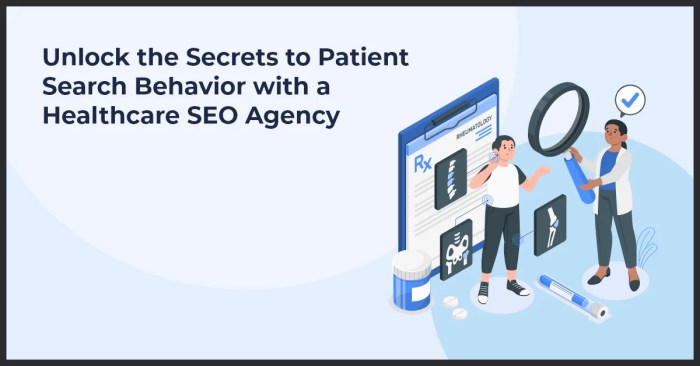
In conclusion, understanding patient search behavior is paramount for success in the modern healthcare landscape. By implementing the strategies Artikeld in this comprehensive guide, healthcare practices can effectively reach potential patients online, build trust, and ultimately achieve their goals. A well-executed healthcare strategy is essential for driving patient acquisition and establishing a strong online presence.