
4 ways you can reap the benefits of online marketing. This guide delves into the core strategies for leveraging the power of the internet to boost your business. From understanding the fundamental advantages to crafting successful campaigns, we’ll explore the crucial elements for achieving remarkable results in the digital marketplace.
We’ll explore everything from defining online marketing and comparing it to traditional methods, to optimizing digital channels, building an engaging online presence, and finally, measuring and improving your marketing effectiveness. Practical examples and actionable strategies will help you apply these principles to your own business, no matter the size or industry.
Understanding Online Marketing Benefits
Online marketing has revolutionized how businesses connect with their target audiences. It leverages the vast reach and interactive nature of the internet to promote products and services, build brand awareness, and drive sales. This digital approach offers significant advantages over traditional methods, enabling businesses to adapt quickly to changing consumer behavior and market trends.Online marketing encompasses a wide range of strategies, from search engine optimization () to social media marketing and email campaigns.
Looking for ways to boost your online presence? Four key strategies can help you reap the benefits of online marketing. From optimizing your website for search engines to leveraging social media marketing, you can significantly increase your reach. However, staying ahead of the curve also requires adapting to technological advancements. For instance, check out how low code AI integration with Salesforce Einstein 1 Studio drives agile development how low code ai integration with salesforce einstein 1 studio drives agile development – this innovative approach can streamline your processes and ultimately improve your marketing ROI.
Ultimately, understanding and implementing these modern tools can significantly enhance your overall online marketing strategy.
It’s a dynamic and ever-evolving field, constantly adapting to technological advancements and shifting consumer preferences. Understanding its multifaceted nature and benefits is crucial for any business seeking to thrive in today’s digital landscape.
Defining Online Marketing
Online marketing is the process of promoting products or services through various digital channels. It leverages the internet to reach a broad audience, engage with potential customers, and ultimately drive business growth. This encompasses a wide range of activities, including website development, social media engagement, search engine optimization, and paid advertising.
Key Advantages of Online Marketing
Online marketing strategies offer numerous benefits compared to traditional methods. It allows for precise targeting, enabling businesses to reach specific demographics with tailored messages. The measurable results of online marketing campaigns offer valuable insights into campaign effectiveness, enabling businesses to optimize strategies for better outcomes. Cost-effectiveness is another key advantage, as online marketing often presents more affordable options than traditional methods for reaching a large audience.
Moreover, online marketing fosters real-time engagement and allows for instant feedback, which can help businesses adapt their strategies and improve their products or services based on customer responses.
Comparison with Traditional Marketing
Traditional marketing methods, such as print advertising and television commercials, can reach a broad audience but often lack the targeted precision of online marketing. Online marketing allows businesses to identify and reach specific demographics and interests, resulting in higher conversion rates. Traditional marketing methods also tend to be more expensive and less measurable than online marketing, where campaign performance is readily tracked and analyzed.
Reaching a Wider Audience with Online Marketing
Online marketing provides businesses with unparalleled access to a global audience. Through targeted advertising, , and social media marketing, businesses can reach potential customers worldwide, expanding their market reach exponentially. Unlike traditional methods, online marketing doesn’t rely on geographical limitations. This global reach can be further amplified by localization strategies, allowing businesses to adapt their messages and content to specific cultural contexts.
Types of Online Marketing Channels and Their Advantages
| Channel | Advantages |
|---|---|
| Search Engine Optimization () | Increases organic visibility in search engine results, driving targeted traffic to websites. Cost-effective in the long run, builds trust, and enhances brand credibility. |
| Social Media Marketing | Facilitates direct engagement with customers, builds brand awareness, and fosters a sense of community. Allows for targeted advertising to specific demographics and interests. |
| Content Marketing | Attracts and retains target audiences by providing valuable and relevant content. Builds brand authority, positions businesses as industry leaders, and drives organic traffic. |
| Email Marketing | Provides direct communication with customers, enabling businesses to nurture leads and promote products or services. Highly effective for targeted campaigns and personalized communication. |
| Pay-Per-Click (PPC) Advertising | Provides instant visibility and targeted traffic through paid advertising on search engines and social media platforms. Offers quick results and precise targeting based on demographics and s. |
Leveraging Digital Channels for Growth
Unlocking the power of online marketing hinges on effectively utilizing digital channels. This involves more than just setting up a website; it’s about strategically employing various platforms to reach, engage, and convert your target audience. Understanding the nuances of each channel and how to tailor your approach is crucial for maximizing your return on investment. By focusing on the right channels and crafting compelling strategies, businesses can significantly expand their reach and drive substantial growth.Effective online marketing transcends simple advertising.
It necessitates a deep understanding of your target audience, their preferences, and the digital channels they frequent. A multifaceted approach, encompassing various channels, allows for a broader reach and a more targeted message, ultimately leading to higher conversion rates and brand loyalty.
Effective Digital Channels for Promotion
Different digital channels possess unique strengths and weaknesses. Choosing the right channels for your business and target audience is paramount for success. Social media, search engine optimization (), email marketing, and paid advertising are among the most prevalent and effective options. By carefully considering the strengths and weaknesses of each, you can build a robust online presence.
Strategies for Optimizing Digital Channels
To maximize reach on each platform, strategies must be tailored to its unique characteristics. For example, social media requires engaging content and consistent posting schedules. necessitates optimization and high-quality content. Paid advertising demands meticulous targeting and compelling ad copy. By understanding and adapting to the specific requirements of each channel, you can optimize your efforts and drive better results.
Tailoring Online Marketing Strategies to Target Audiences
Effective online marketing requires a deep understanding of your target audience. Their demographics, interests, and online behavior should inform your strategies. For instance, if your target audience is young professionals, your social media strategy should focus on platforms they frequently use, such as Instagram or LinkedIn. Conversely, if your target audience is older consumers, you might focus on Facebook or email marketing.
Understanding your audience’s needs and preferences is essential for crafting personalized messages that resonate with them.
Want to supercharge your online presence and boost sales? There are four key ways to reap the benefits of online marketing, but choosing the right ecommerce platform can make all the difference. Consider exploring the top 10 ecommerce platforms to help boost your sales here. From optimizing your website for search engines to crafting engaging social media campaigns, these platforms can help you streamline your business and maximize your online visibility.
Ultimately, understanding and implementing these online strategies are crucial for long-term success.
Social Media Platform Comparison
| Platform | Strengths | Weaknesses |
|---|---|---|
| Massive user base, targeted advertising options, diverse content formats. | Can be cluttered, algorithm changes can impact reach, potential for negative feedback. | |
| Highly visual platform, strong engagement potential, younger demographic. | Limited text-based content, less effective for direct sales. | |
| Real-time updates, quick engagement, excellent for breaking news and trending topics. | Short character limits, information can be fleeting. | |
| Professional networking platform, ideal for B2B marketing, thought leadership opportunities. | Less engaging than social media platforms, may not be ideal for all products/services. |
This table highlights the advantages and disadvantages of various social media platforms. Choosing the right platforms depends on your specific goals and target audience.
Looking for ways to boost your online presence? Four key strategies can help you reap the benefits of online marketing. From targeted ad campaigns to optimizing your website, you can unlock a world of opportunities. For a deeper dive into how to use Account-Based Marketing (ABM) effectively, check out this great resource on gettin scrappy with abm.
Ultimately, these methods, whether you’re just starting out or already have a solid online presence, can significantly improve your results in the long run.
Creating a Successful Social Media Marketing Campaign
Developing a successful social media campaign involves several key steps. First, define clear objectives and key performance indicators (KPIs). Next, identify your target audience and tailor your content to their interests. Create a content calendar, ensuring consistency and variety. Engage with your audience, responding to comments and messages.
Finally, track your results and adjust your strategy based on data.
“A successful social media campaign is a dynamic process, not a one-time event.”
Building an Engaging Online Presence: 4 Ways You Can Reap The Benefits Of Online Marketing
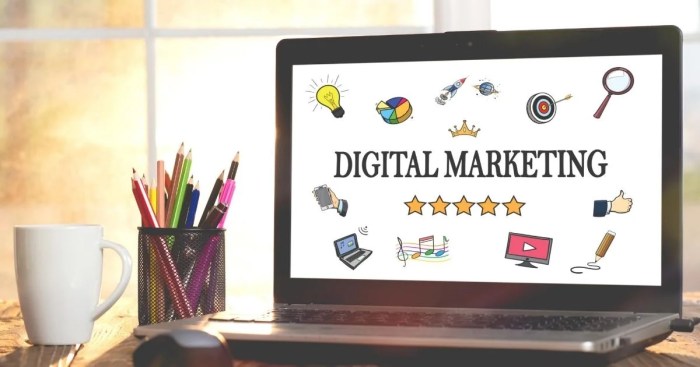
A strong online presence is crucial for any business aiming to thrive in the digital age. It’s not just about having a website; it’s about creating a consistent and compelling brand identity that resonates with your target audience, fosters engagement, and ultimately drives conversions. This involves understanding your audience, crafting captivating content, and actively managing your online reputation. A well-executed online presence is a powerful tool for building brand loyalty, attracting new customers, and achieving long-term growth.Building a robust online presence involves much more than just a pretty website.
It’s about establishing a clear brand identity, crafting engaging content, and actively engaging with your audience across various digital channels. This proactive approach ensures that your brand is consistently visible and memorable to your target market.
Crafting a Strong Brand Identity
A well-defined brand identity is the cornerstone of any successful online presence. It’s the unique combination of visual elements, messaging, and values that distinguish your brand from competitors. Consistent use of logos, colors, typography, and tone of voice across all platforms helps solidify brand recognition. This visual consistency reinforces the brand’s personality and builds trust with potential customers.
Defining your brand’s core values, mission, and target audience is essential for creating a tailored brand identity.
Creating Compelling Content
Compelling content is the lifeblood of any online presence. It’s the key to attracting and engaging your target audience. Understanding your audience’s needs, interests, and pain points is essential for creating content that truly resonates. This involves conducting thorough market research and analyzing competitor content. High-quality, informative content that addresses specific issues or provides valuable insights is essential.
Effective Content Marketing Strategies
Effective content marketing strategies encompass a wide range of tactics. Creating blog posts, articles, videos, infographics, and social media updates that provide valuable information, entertainment, or inspiration is essential. Focus on providing consistent and high-quality content to attract and retain your audience. Consider different content formats to cater to various preferences, like how-to guides, case studies, testimonials, and product demos.
Increasing Website Traffic and Engagement
Driving traffic to your website and keeping visitors engaged are critical for online success. Optimizing your website for search engines () is crucial for visibility. This involves using relevant s, creating high-quality content, and building backlinks. Promoting your website on social media platforms and utilizing paid advertising can also significantly increase traffic. Implementing a clear call to action (CTA) on your website and content is crucial to encourage user engagement.
Utilizing Online Reviews and Testimonials, 4 ways you can reap the benefits of online marketing
Online reviews and testimonials play a vital role in enhancing credibility and building trust. Encouraging satisfied customers to leave positive reviews on platforms like Google My Business, Yelp, and Trustpilot is essential. Actively responding to both positive and negative reviews demonstrates a commitment to customer service and fosters a sense of community. Highlighting positive reviews and testimonials on your website can build social proof and further increase trust in your brand.
Elements of a Successful Website for Online Marketing
| Element | Description |
|---|---|
| Clear Value Proposition | Clearly communicate the unique benefits and value your brand offers to customers. |
| Mobile-Friendly Design | Ensure your website is optimized for viewing on all devices, including smartphones and tablets. |
| User-Friendly Navigation | Create a website that is easy to navigate, with clear menus and intuitive pathways. |
| High-Quality Visuals | Use high-resolution images and videos that are relevant to your brand and product. |
| Compelling Calls to Action (CTAs) | Incorporate clear and concise calls to action to guide users toward desired actions, such as making a purchase or signing up for a newsletter. |
| Optimization | Optimize website content and structure for search engines to improve visibility and attract organic traffic. |
| Security Measures | Implement robust security measures to protect user data and maintain trust. |
Measuring and Improving Marketing Effectiveness
Knowing what works and what doesn’t is crucial for maximizing your online marketing ROI. Effective measurement isn’t just about tracking clicks; it’s about understanding the full customer journey and refining your strategies based on real data. This allows you to allocate resources more efficiently, optimize campaigns in real-time, and ultimately drive better results.A strong online marketing strategy relies heavily on data-driven decision-making.
By meticulously tracking key metrics and analyzing campaign performance, you can identify areas for improvement and refine your approach to achieve optimal results. This continuous cycle of measurement and optimization is essential for long-term success.
Tracking Campaign Performance
Understanding how your online marketing campaigns are performing is fundamental to success. Different channels and strategies require different tracking methods. Properly implemented tracking allows for a granular view of customer engagement and campaign effectiveness. By leveraging various tools and techniques, you can pinpoint areas where your efforts are succeeding and where they need improvement.
- Website Analytics: Tools like Google Analytics provide comprehensive insights into website traffic, user behavior, and conversion rates. Key metrics include bounce rate, time on site, pages per visit, and conversion rates. By analyzing this data, you can pinpoint areas of high user engagement and areas that need improvement in user experience.
- Social Media Analytics: Each social media platform offers its own analytics dashboard. Crucial metrics include engagement rate (likes, comments, shares), reach, follower growth, and click-through rates from social media posts to your website.
- Email Marketing Analytics: Email marketing platforms offer detailed reports on open rates, click-through rates, conversion rates, and unsubscribe rates. This data helps you refine email subject lines, content, and timing to maximize engagement and conversions.
- Advertising Platform Analytics: Platforms like Google Ads and social media advertising platforms offer comprehensive data on campaign performance. Key metrics include impressions, clicks, cost per click (CPC), conversion rates, and return on ad spend (ROAS). This data enables you to make informed decisions on ad spend and targeting.
Analyzing Key Metrics
Effective analysis of key metrics is the cornerstone of optimizing online marketing campaigns. Understanding which metrics are most relevant to your specific goals and objectives is critical. For example, a focus on brand awareness might prioritize metrics like reach and impressions, whereas a focus on sales might emphasize conversion rates and revenue generated.

- Conversion Rates: This metric indicates the percentage of visitors who complete a desired action, such as making a purchase or filling out a form. Tracking this metric allows for a clear understanding of campaign effectiveness in driving conversions. Higher conversion rates generally signify a successful campaign.
- Cost Per Acquisition (CPA): This crucial metric reflects the cost incurred to acquire a new customer. Understanding CPA helps you determine the efficiency of your marketing spend and identify areas where you can improve your ROI.
- Return on Ad Spend (ROAS): ROAS measures the revenue generated for every dollar spent on advertising. This metric is vital for evaluating the profitability of your advertising campaigns. Higher ROAS values suggest a more efficient and profitable campaign.
Optimizing Marketing Strategies
Data insights derived from campaign performance analysis provide a roadmap for optimizing marketing strategies. Use these insights to refine targeting, messaging, and creative elements. A data-driven approach to marketing allows for a more targeted and personalized experience for your audience.
Marketing Dashboards
Effective marketing dashboards consolidate key performance indicators (KPIs) into a single, easy-to-understand view. This allows for a quick overview of campaign performance and identifies areas needing attention.
| Metric | Description | How to Track |
|---|---|---|
| Website Traffic | Number of visitors to your website | Google Analytics |
| Conversion Rate | Percentage of visitors who complete a desired action | Google Analytics, CRM systems |
| Cost Per Acquisition (CPA) | Cost to acquire a new customer | Advertising platforms, CRM systems |
| Return on Ad Spend (ROAS) | Revenue generated per dollar spent on advertising | Advertising platforms, CRM systems |
| Engagement Rate | Level of interaction with your content | Social media analytics platforms |
Identifying and Addressing Areas Needing Improvement
By systematically analyzing the data, you can identify areas where your online marketing efforts could be improved. Identifying trends in the data allows for proactive adjustments to your strategy, resulting in enhanced performance and efficiency.
Specific Strategies for Success

Crafting effective online marketing strategies hinges on understanding your target audience and tailoring your approach to their needs. A well-defined strategy ensures your marketing efforts are not only visible but also resonate with potential customers, driving engagement and conversions. This involves meticulous planning, consistent execution, and ongoing evaluation to maximize returns.
Handmade Craft Business Strategy
A successful online strategy for a handmade craft business revolves around showcasing the unique artistry and fostering a strong brand identity. Prioritize high-quality product photography, highlighting the craftsmanship and detail. Establish a compelling brand story that connects with potential buyers. Utilize social media platforms like Instagram and Etsy to showcase your work and engage with potential customers. Consider offering exclusive discounts and promotions for loyal followers to foster customer loyalty.
Efficient use of s and optimization in product listings and website content is crucial for search engine visibility.
Local Restaurant Marketing Strategy
A local restaurant can leverage online marketing to attract customers by emphasizing its unique offerings and location. Highlight local partnerships, community involvement, and special events. Use targeted ads on social media platforms to reach potential customers in the area. Showcase visually appealing menu items and ambiance through high-quality photos and videos. Encourage online reviews and testimonials to build trust and credibility.
Run contests and promotions to drive foot traffic and online engagement.
Software Company Marketing Strategy
A software company should focus on highlighting the value proposition of its product and the benefits it provides to customers. Develop content marketing strategies that address the specific pain points and needs of potential clients. Create informative blog posts, articles, and case studies demonstrating the product’s effectiveness. Invest in optimization to ensure high search engine rankings for relevant s.
Run targeted online advertising campaigns to reach specific demographics and industries. Participate in industry events and webinars to showcase expertise and build relationships with potential customers.
Service-Based Business Marketing Strategy
Service-based businesses should focus on building trust and credibility online. Highlight the expertise and experience of their team. Create informative content that addresses the needs and concerns of potential clients. Use testimonials and case studies to showcase successful projects and client satisfaction. Implement a strong strategy for relevant s.
Utilize social media platforms to engage with potential clients and build relationships. Establish clear pricing structures and service packages to provide transparency and value.
Influencer Marketing Advantages and Disadvantages
Leveraging influencers can significantly amplify brand reach and awareness. Influencers often have highly engaged audiences, enabling businesses to tap into pre-existing trust and credibility. Authenticity and genuine engagement are key for success. However, influencer marketing can be costly, requiring careful selection of suitable influencers who align with your brand values. Misaligned influencers can negatively impact brand image and credibility.
Ensuring the influencer’s audience genuinely connects with the brand and product is vital for a successful campaign. Measurement of ROI and campaign effectiveness is essential to optimize future campaigns.
Successful Online Marketing Case Studies
Numerous successful online marketing case studies demonstrate the power of targeted strategies and consistent execution. For instance, Patagonia’s commitment to environmental advocacy resonated deeply with its target audience, fostering brand loyalty and increasing sales. Similarly, Dollar Shave Club’s innovative approach to online marketing, focusing on humor and affordability, generated rapid growth and a significant market share. These examples highlight the importance of a clear brand identity and a unique value proposition in attracting and retaining customers.
Consistent brand messaging and engaging content are critical elements of these successful campaigns.
Ultimate Conclusion
In conclusion, harnessing the potential of online marketing is no longer optional; it’s essential for any business looking to thrive in today’s digital age. By implementing the strategies Artikeld in this guide, you can establish a strong online presence, connect with your target audience, and drive significant growth. Remember that consistent effort, data-driven decision-making, and a flexible approach are key to achieving long-term success in the ever-evolving online landscape.