
Harnessing marketing automation for b2b content marketing is revolutionizing how businesses connect with their target audience. It’s no longer enough to simply create great content; you need a system to distribute, nurture, and measure its impact. This guide dives deep into the strategies, tools, and best practices to optimize your B2B content marketing efforts with automation.
We’ll explore defining B2B content automation, crafting effective content strategies, and mastering lead generation and nurturing. We’ll also cover measuring campaign success, using the right tools, and analyzing case studies. Understanding the nuances of different content formats, distribution channels, and personalization will be key to maximizing your ROI.
Defining B2B Content Marketing Automation
B2B content marketing is a strategic approach to attracting and engaging potential customers through valuable, consistent content. However, creating, distributing, and measuring the effectiveness of this content can be a significant undertaking. Marketing automation provides a powerful framework to streamline and optimize these efforts, enabling B2B companies to scale their content strategies and maximize their ROI.B2B content marketing automation leverages software platforms to manage the entire content lifecycle, from creation and distribution to analysis and optimization.
Maximizing B2B content marketing with automation tools is crucial, but robust data security is paramount. Ensuring your marketing automation efforts are safe requires careful consideration of data protection measures, like implementing enhance data security with Salesforce encryption. This ensures sensitive customer information remains protected, which ultimately bolsters trust and allows for continued effective marketing automation strategies.
It encompasses automating repetitive tasks, personalizing content delivery, and tracking campaign performance, ultimately enhancing efficiency and generating better results.
Key Differences Between B2B and B2C Content Marketing Automation
B2B and B2C audiences have distinct needs and buying processes. This difference necessitates tailoring content marketing automation strategies. B2B content often focuses on intricate solutions and long-term relationships, while B2C content frequently emphasizes immediate gratification and emotional connections. B2B automation tends to be more complex, with a stronger emphasis on lead nurturing and qualification. It often integrates with CRM systems to provide a comprehensive view of customer interactions.
B2C automation, on the other hand, might prioritize personalized recommendations and targeted advertising based on demographics and behaviors.
Core Functionalities of Marketing Automation Platforms for B2B Content
Marketing automation platforms offer a range of functionalities that are crucial for B2B content marketing. These platforms often provide features like:
- Lead Scoring and Nurturing: Automated lead scoring allows the platform to prioritize leads based on their engagement with content. This enables targeted outreach and personalized nurturing sequences, guiding leads through the sales funnel. It helps focus sales efforts on the most promising leads.
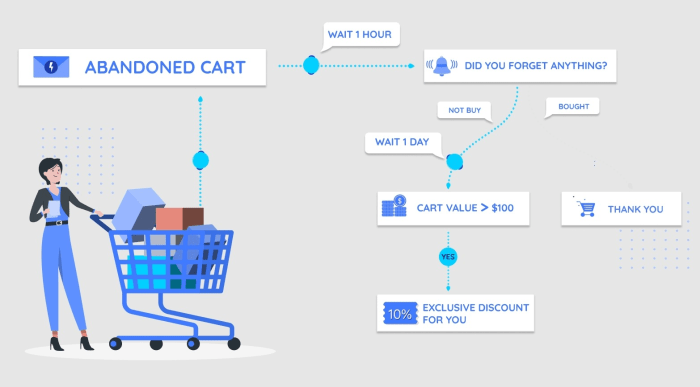
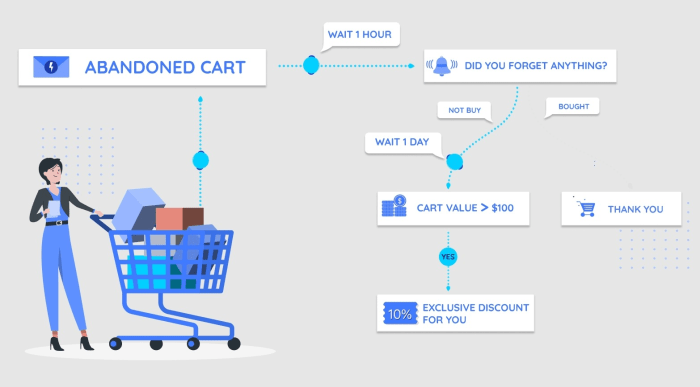
- Email Marketing Automation: Setting up automated email sequences based on lead behavior is essential. Welcome series, abandoned cart reminders, and post-purchase follow-ups are examples of automated emails. They help maintain consistent communication and move prospects along the buyer’s journey.
- Content Distribution and Scheduling: Automation allows for scheduling and distributing content across various channels (e.g., LinkedIn, Twitter, and company blog) based on predetermined schedules or trigger events. This saves time and ensures consistent content output. Platforms can also dynamically adjust content delivery based on user engagement.
- Content Personalization: Providing tailored content experiences to each individual based on their specific needs and preferences is vital in B2B. Marketing automation platforms allow you to segment audiences and deliver customized content through different channels.
- Analytics and Reporting: Understanding campaign performance is key. Robust analytics capabilities provide insights into which content resonates best, helping optimize future strategies. Platforms offer detailed reports on lead generation, conversion rates, and customer engagement.
Alignment Between Content Strategy and Automation
A successful B2B content marketing automation strategy requires a close alignment between content strategy and automation. The content created must be tailored to the specific needs and stages of the buyer’s journey. The automation tools should then be configured to deliver that content effectively to the target audience. A well-defined content strategy guides the creation of engaging content that aligns with specific buyer personas and pain points.
The content should also be designed to support the lead nurturing process, guiding prospects towards a desired action.
Examples of Successful B2B Content Marketing Automation Strategies
Several B2B companies have successfully leveraged content marketing automation. For instance, a software company might automate email sequences that guide potential clients through the software evaluation process. Another example is a professional services firm automating content delivery to demonstrate expertise in specific industry challenges. These examples highlight how automation can streamline content delivery, personalize customer interactions, and ultimately drive revenue growth.
Furthermore, successful strategies often involve A/B testing different content formats and delivery methods to determine the most effective approach.
Content Creation Strategies for Automation
B2B content marketing automation isn’t just about scheduling posts; it’s about crafting a content strategy that anticipates and responds to audience needs throughout their journey. This means designing content that can be repurposed and delivered at the optimal moment, using marketing automation tools to nurture leads and drive conversions. This approach allows businesses to maximize the impact of their content investment by delivering the right message to the right person at the right time.Content creation optimized for automation requires a shift in mindset.
Instead of creating individual pieces of content for every platform, marketers need to think in terms of evergreen assets that can be adapted and distributed through various channels. This approach leverages the power of automation to deliver targeted content across the buyer’s journey.
Framework for Creating Automated Content
A robust framework for creating automated content focuses on producing versatile content that can be easily adapted for different channels and stages of the buyer’s journey. Key elements include identifying target personas, defining content pillars that align with business goals, and crafting content that addresses specific pain points and needs. This strategy necessitates a proactive approach to understanding the needs of potential customers.
This allows for the creation of valuable content that can be effectively utilized throughout the customer lifecycle.
Repurposing Existing Content
Repurposing existing content is crucial for maximizing ROI in an automated content strategy. This involves adapting existing blog posts, white papers, and webinars into shorter social media updates, email newsletters, or even video content. For instance, a lengthy case study could be broken down into a series of shorter blog posts, each highlighting a specific aspect of the case study.
Repurposing allows for a significant increase in content reach and engagement.
Suitable Content Formats for Automation
Various content formats lend themselves well to automation. These formats include:
- Blog posts: Blog posts are excellent for establishing thought leadership and driving traffic. They can be repurposed into social media updates, email newsletters, or even short video clips.
- White papers and ebooks: These detailed documents can be broken down into shorter articles, infographics, or even individual social media posts, enabling a phased release to generate interest and lead nurturing.
- Webinars and presentations: Recorded webinars and presentations can be segmented into short video clips, each addressing a specific aspect of the topic. These clips can then be distributed across various channels to provide engaging content to potential customers.
- Infographics: Infographics are highly shareable and visually appealing, perfect for social media and email campaigns. They can be adapted to different sizes and formats to maintain visual appeal and engagement across various platforms.
Content Calendars Integrated with Automation Workflows
Content calendars are essential for maintaining a consistent content flow and ensuring alignment with automation workflows. These calendars should be dynamic and adaptable to accommodate changes in market trends and audience engagement. A well-structured content calendar allows for the seamless integration of automated content delivery into existing workflows.
Content Strategy Considering Automation
Developing a content strategy that considers automation requires a holistic approach. It starts with identifying target audiences and understanding their needs, preferences, and pain points. This insight fuels the creation of content that addresses those needs and encourages engagement. This iterative process should be continuously monitored and adapted to ensure content remains relevant and effective. A comprehensive content strategy should incorporate automation tools from the outset, ensuring that the creation and distribution of content are optimized for maximum impact.
Measuring and Optimizing Automated Campaigns
Harnessing marketing automation for B2B content marketing empowers businesses to deliver targeted content to the right audience at the right time. However, success hinges on robust measurement and optimization strategies. This process allows you to refine campaigns, maximize ROI, and continuously improve your content’s effectiveness.Effective automation demands a structured approach to monitoring and adjusting. This involves tracking key performance indicators (KPIs), analyzing conversion rates, and utilizing A/B testing to identify areas for improvement.
Continuous monitoring and adjustments ensure campaigns remain relevant and resonate with your target audience.
Metrics for Evaluating Automated Content Campaigns
Understanding the effectiveness of automated content campaigns requires a comprehensive set of metrics. These metrics provide valuable insights into campaign performance, enabling data-driven decisions for optimization. Crucially, these metrics help you understand what’s working and what isn’t, allowing you to adjust and improve your content and strategy over time.
- Engagement metrics, such as click-through rates (CTRs), open rates, and time spent on content, offer crucial insights into audience interaction with automated content. Monitoring these metrics helps gauge the effectiveness of your content in capturing and maintaining audience interest.
- Conversion rates, particularly within specific automated workflows, are essential. Tracking how many leads convert into customers through automated content provides a clear picture of the campaign’s return on investment (ROI).
- Lead generation metrics, like form submissions and qualified lead generation through content interactions, demonstrate the automation’s effectiveness in driving qualified leads. A healthy pipeline of qualified leads is crucial for successful sales and business growth.
Tracking Key Performance Indicators (KPIs) Related to Content Engagement
Tracking KPIs provides actionable insights into content engagement. A structured approach to tracking these metrics ensures that data is collected and analyzed efficiently, enabling you to fine-tune your content strategy for maximum impact.
- Click-through rates (CTR) measure the percentage of recipients who click on a link within automated content. High CTRs indicate that the content is relevant and engaging, prompting recipients to take action.
- Open rates for automated emails are essential for understanding audience engagement with your content. Low open rates might suggest the subject lines need improvement, or the content isn’t relevant to the recipients.
- Time spent on content, measured through website analytics, provides valuable insights into how engaged users are with the content. Longer time spent indicates that the content is valuable and keeps the audience interested.
Analyzing Conversion Rates Within Automated Workflows
Analyzing conversion rates within automated workflows is critical for understanding the effectiveness of your automation strategies. By understanding where users drop off in the automated process, you can pinpoint areas for improvement and optimize conversion rates.
- Conversion rates within specific automated sequences can be analyzed to pinpoint drop-off points in the customer journey. This allows for targeted improvements to specific stages of the automated workflow to improve the overall conversion rate.
- Segmentation of conversion rates based on different audience segments or lead nurturing stages helps to identify what resonates best with specific groups. This allows for tailoring content and workflows to specific segments for optimal conversion.
Examples of A/B Testing Automated Email Sequences
A/B testing automated email sequences is a valuable method for improving campaign performance. By testing different elements, you can optimize your sequences for better engagement and conversions.
- Testing subject lines with different tones or levels of urgency can significantly impact open rates. A/B testing helps identify the most effective subject lines to maximize audience engagement.
- Varying the content of automated emails, including different calls to action (CTAs) or varying the level of detail, can influence conversion rates. Experimentation through A/B testing allows for optimization of the content and delivery for better results.
- Modifying the frequency of automated emails can also be tested to find the optimal cadence that balances engagement without overwhelming recipients. This crucial aspect can significantly impact conversion rates.
Importance of Continuous Monitoring and Adjustments to Automation Strategies
Continuous monitoring and adjustments to automation strategies are vital for maximizing the effectiveness of automated content campaigns. This iterative approach ensures that campaigns remain relevant, engaging, and aligned with business objectives.
Boosting your B2B content marketing with marketing automation is key, but don’t forget the SEO side! To really optimize your automated content, you need to make sure search engines understand it. This means understanding how to use rich snippets in WordPress, for example, to make your content more attractive and easily digestible for search engine crawlers. how to use rich snippets in wordpress will help you do just that.
Ultimately, leveraging these strategies in your automated B2B content marketing campaigns will improve your visibility and conversions.
- Regular review of key metrics allows for quick identification of areas needing improvement in your automated campaigns. Regular reviews allow you to identify patterns and make necessary adjustments.
- Adapting automated workflows based on audience feedback and evolving industry trends ensures that your campaigns remain relevant and effective. Adapting to evolving trends keeps your automated campaigns relevant.
- Continuously testing and optimizing automated campaigns, including A/B testing and analyzing conversion rates, helps refine the workflow for maximum impact. Testing and optimization improve campaign performance.
Tools and Technologies for Automation: Harnessing Marketing Automation For B2b Content Marketing
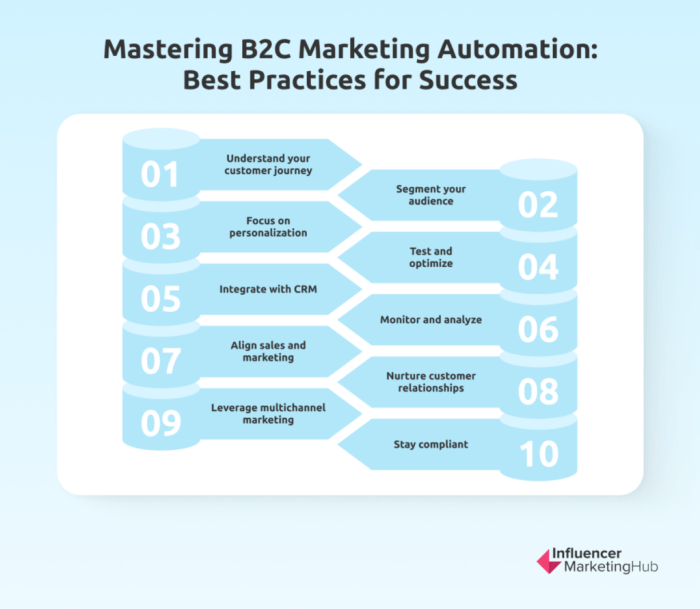
B2B content marketing automation is more than just scheduling social media posts; it’s a sophisticated system that streamlines every stage of your content lifecycle. Choosing the right tools is critical to realizing the full potential of this strategy. From creating compelling content to distributing it effectively and measuring its impact, the right automation platform can free up your team’s time and resources, allowing them to focus on higher-level tasks.Effective B2B content automation relies on robust platforms and complementary tools that work together.
This requires a deep understanding of the features offered by different platforms and how they can integrate with your existing workflows. By examining popular platforms, their pricing models, and emerging tools, you can develop a comprehensive strategy that leverages technology to enhance your B2B content marketing efforts.
Popular B2B Marketing Automation Platforms
Several platforms offer comprehensive solutions for B2B content marketing automation. Each platform boasts a unique set of features and functionalities. Key factors to consider include ease of use, integration capabilities, and the specific needs of your business.
- HubSpot is a widely used platform known for its all-in-one approach. It offers robust marketing automation features, including email marketing, lead nurturing, and social media management, all within a single interface. Its user-friendly interface and extensive documentation make it a popular choice for businesses of various sizes.
- Marketo is a powerful platform favored by larger enterprises. It excels in complex marketing automation processes and sophisticated lead scoring models. Its robust features often come at a higher price point compared to other platforms.
- Salesforce Marketing Cloud provides a robust and flexible platform for businesses requiring significant customization. Its integration with the wider Salesforce ecosystem is a key advantage for companies already invested in Salesforce CRM solutions. Its depth of features makes it a suitable option for advanced automation needs.
- ActiveCampaign stands out for its ease of use and affordability. It is a solid option for smaller businesses and startups seeking an intuitive platform for marketing automation, email marketing, and CRM capabilities.
Content Marketing Features in Automation Platforms
The features relevant to content marketing vary across platforms. Consider the following:
- Content Scheduling and Distribution: Platforms should allow you to schedule content for various channels, including social media, email, and your website. Look for features that support different content formats and allow you to tailor your distribution strategy based on audience segments.
- Lead Nurturing: This involves nurturing leads through personalized content sequences to guide them through the sales funnel. Automated workflows can send targeted emails, provide helpful resources, and engage leads based on their interactions with your content.
- Personalization: The ability to personalize content based on individual user data is crucial. This includes segmenting audiences and tailoring content delivery to match specific needs and interests.
- Analytics and Reporting: Comprehensive reporting dashboards allow you to track the performance of your automated campaigns. This data enables you to understand what’s working, what’s not, and adjust your strategies for optimal results.
Pricing Models of Automation Platforms
Pricing models vary greatly among platforms. Consider the following table for a comparative overview.
| Platform | Pricing Model | Typical Cost |
|---|---|---|
| HubSpot | Tiered pricing based on features and users | Ranges from free to hundreds of dollars per month |
| Marketo | Custom pricing based on usage and features | Typically starts in the thousands of dollars per month |
| Salesforce Marketing Cloud | Custom pricing based on usage and features | Typically starts in the thousands of dollars per month |
| ActiveCampaign | Tiered pricing based on features and users | Ranges from free to hundreds of dollars per month |
Tools to Enhance B2B Content Automation Workflows
Several tools can augment your content automation workflows:
- Content Calendar Tools: These tools help manage content creation schedules, deadlines, and assignments. Examples include Trello, Asana, and Monday.com.
- AI-powered Writing Assistants: Tools like Jasper and Copy.ai can help generate different content formats, including blog posts, articles, and social media updates.
- Content Optimization Tools: These tools analyze your content for readability, , and other key metrics. Examples include Grammarly and Surfer .
- Social Media Management Tools: Tools like Buffer and Hootsuite simplify scheduling and managing social media content.
Emerging Trends in B2B Content Automation Tools
Several trends are shaping the future of B2B content automation:
- AI-driven personalization: AI is being used to deliver even more personalized content experiences based on user behavior and preferences.
- Increased integration with CRM systems: Automation tools are increasingly integrating with CRM platforms to create a seamless workflow between marketing and sales.
- Focus on micro-content: Short-form content formats, such as short-form videos and interactive content, are becoming more prevalent, driving demand for automation tools that can manage and distribute this type of content.
Case Studies and Best Practices
Implementing B2B content marketing automation isn’t just about setting up tools; it’s about strategically leveraging technology to nurture leads and drive conversions. Successful campaigns demonstrate a clear understanding of the target audience, a well-defined content strategy, and meticulous tracking and optimization. This section delves into real-world examples, dissecting the strategies behind their success and highlighting adaptable best practices for various industries.Successful B2B content automation goes beyond simply automating tasks.
It requires a deep understanding of the buyer’s journey, the ability to tailor content to specific stages, and the capability to measure and optimize results. By analyzing successful case studies, we can identify key elements for building a robust and effective automation strategy.
Successful B2B Content Automation Implementations
Several companies have successfully harnessed content automation to achieve significant results. One example is a software company that implemented a multi-stage nurture sequence for potential customers. This involved automated emails triggered by specific actions, such as downloading a white paper or attending a webinar. The emails provided valuable insights, addressed common questions, and positioned the company as a thought leader.Another example comes from a consulting firm that automated the distribution of relevant case studies and blog posts to their target audience.
By segmenting their audience based on job title and industry, they ensured that the right content reached the right people at the right time. This resulted in a substantial increase in qualified leads.
Strategies and Tactics Employed
The success of these implementations hinged on several key strategies. First, they clearly defined their target audience and their specific needs. Second, they developed a content calendar that aligned with the buyer’s journey, providing value at each stage. Third, they implemented robust tracking mechanisms to monitor campaign performance and make data-driven adjustments.

- Segmentation: Dividing the audience into specific groups based on demographics, behavior, and interests allows for targeted messaging. This tailored approach maximizes engagement and relevance.
- Personalization: Using data to personalize content and interactions increases engagement. This could involve using dynamic content in emails or tailoring recommendations on a website.
- Nurturing sequences: These automated email sequences guide prospects through the sales funnel. Each email in the sequence addresses a specific need or pain point, fostering trust and engagement.
- A/B testing: Continuously testing different aspects of automated campaigns, such as subject lines, email content, and call-to-actions, helps identify the most effective strategies.
Results Achieved by Implementations
The positive outcomes varied but consistently demonstrated the effectiveness of automation. Increased lead generation, higher conversion rates, improved customer engagement, and reduced marketing costs were common results. Quantifiable data points, like a 25% increase in qualified leads or a 15% boost in conversion rates, highlight the impact of strategic automation.
Adapting Best Practices to Different Industries
The core principles of content automation—targeting, personalization, and nurturing—apply across industries. However, the specific strategies and tactics will vary based on the nuances of each sector. For example, a healthcare company may focus on building trust and demonstrating expertise through educational content, while a technology company might prioritize showcasing product capabilities and use cases.
Comparing Strategies Across Case Studies, Harnessing marketing automation for b2b content marketing
| Case Study | Target Audience | Content Type | Automation Strategy | Key Results |
|---|---|---|---|---|
| Software Company | Potential software clients | White papers, webinars, demos | Nurture sequence triggered by downloads and attendance | 25% increase in qualified leads |
| Consulting Firm | Potential consulting clients | Case studies, blog posts | Targeted distribution based on job title and industry | 15% boost in conversion rates |
| Financial Services Provider | High-net-worth individuals | Investment strategies, market analysis | Personalized recommendations based on financial profiles | Increased client engagement by 10% |
Content Formats for Automation
Content marketing automation isn’t just about scheduling posts; it’s about strategically deploying various formats to reach specific B2B audiences effectively. This approach allows for targeted messaging and optimized engagement, maximizing ROI from your content investment. By automating content delivery, businesses can scale their outreach and nurture leads consistently.
Content Formats Suitable for Automation
Different content formats resonate with different B2B audiences. Choosing the right format is crucial for effective automation and engagement. Consider the nuances of each format and how it can be adapted for your specific needs. A well-planned automation strategy involves selecting formats aligned with your target audience’s preferences and engagement patterns.
- Blog Posts: Blog posts are versatile and ideal for building thought leadership and establishing expertise. They can cover industry trends, product updates, or case studies. Blog posts allow for in-depth exploration of topics, engaging readers with valuable insights. Their strength lies in establishing your company as a go-to resource for information. Weaknesses include the time required for high-quality content creation and the potential for less immediate conversions compared to other formats.
Frequent updates and optimization are vital for search engine visibility.
- White Papers: White papers provide detailed, in-depth analysis of a specific topic, often addressing a problem or challenge faced by your target audience. They position your company as a thought leader and establish credibility. White papers are excellent for showcasing technical expertise and offering solutions to complex issues. Weaknesses include a higher production time commitment and a potentially lower engagement rate than shorter formats like blog posts.
- Webinars: Webinars offer an interactive platform for engaging directly with your audience. They’re valuable for product demonstrations, expert Q&A sessions, or presentations on trending topics. Live interaction and Q&A opportunities foster deeper engagement. The key weakness is the need for scheduling and coordinating a live event, and the potential for technical difficulties.
- Videos: Videos are becoming increasingly popular, especially in B2B marketing. They can showcase products, explain complex concepts, or feature customer testimonials. Videos are excellent for capturing attention and conveying information in a dynamic way. The strength of video lies in its ability to convey information effectively and engagingly. Weaknesses include the production cost and potential length of videos, requiring careful consideration of video length to maintain viewer engagement.
Examples of Successful Content Automation
| Content Format | Example | Success Metrics |
|---|---|---|
| Blog Posts | A software company publishes weekly blog posts on industry trends and product updates, generating leads through downloadable resources. | Increased website traffic, higher lead generation, and improved brand visibility. |
| White Papers | A financial services firm publishes white papers on market analysis and investment strategies, attracting qualified prospects through targeted email campaigns. | Enhanced lead quality, increased engagement with downloadable content, and strengthened thought leadership. |
| Webinars | A marketing agency hosts webinars on digital marketing strategies, generating qualified leads and showcasing expertise in a live environment. | High webinar attendance, lead generation from registrants, and brand recognition within the target market. |
| Videos | A technology company uses video to demonstrate product features, offering a clear understanding of the technology to potential customers. | Increased brand awareness, improved conversion rates, and a higher level of customer engagement. |
Selecting the Best Content Formats for Automation
To determine the optimal content formats for automation, a thorough analysis of your target audience is necessary. Consider their interests, preferences, and typical engagement patterns. This analysis should involve researching industry trends, evaluating competitor content, and analyzing your own data. For instance, if your target audience primarily consumes video content, a robust video automation strategy is crucial.
Conversely, if they prefer in-depth analysis, white papers and blog posts are more suitable. Prioritize formats that align with your overall marketing goals and effectively engage your target audience. Consider factors like production time, resource availability, and anticipated ROI when making your final decision.
Content Distribution and Promotion with Automation
B2B content marketing relies heavily on effective distribution to reach the target audience. Automation tools can streamline this process, allowing businesses to expand their reach and maximize the impact of their content. From scheduling social media posts to optimizing content for search engines, automation tools offer significant advantages for B2B marketers.Content distribution is no longer a manual, time-consuming task.
Sophisticated automation platforms allow marketers to efficiently disseminate their content across multiple channels, ensuring maximum visibility and engagement with their target audience. This optimized approach not only saves time but also allows for a more data-driven and targeted approach to distribution.
Optimizing Content Distribution Across Channels
Automation tools provide a powerful mechanism to distribute content across various channels. They allow for tailored messaging and scheduling to different platforms, enhancing the reach and engagement of content. By identifying the most effective channels for specific content types, marketers can leverage automation to achieve higher engagement and conversions.
Automating Social Media Sharing and Promotion
Social media is a crucial channel for B2B content marketing. Automation tools facilitate scheduling posts across various platforms, ensuring consistent content delivery. Automated tools can also analyze audience engagement data to optimize posting times and content formats for maximum impact. This dynamic approach to social media marketing can significantly improve brand awareness and audience interaction. Further, these tools often integrate with social listening capabilities, providing valuable insights into audience sentiment and preferences.
Integrating Content Automation with Strategies
strategies are integral to content marketing. Automation tools can help optimize content for search engines by automatically generating meta descriptions, image alt text, and other -relevant elements. This consistent implementation of best practices can enhance the visibility of content in search engine results pages (SERPs), leading to increased organic traffic. Content optimization should be a continuous process, and automation tools are ideal for achieving this.
Marketing automation is key for B2B content, but staying ahead in SEO is crucial. AI is rapidly changing the game, so understanding how to focus on what matters in SEO, like how to focus on what matters in SEO as AI accelerates rapid change , is essential. This knowledge ultimately empowers better content strategies, boosting marketing automation’s effectiveness for B2B companies.
Content Syndication and Republishing with Automation
Content syndication and republication are effective ways to expand content reach. Automation tools can streamline the process of republishing content on various platforms, allowing marketers to reach a wider audience and reinforce key messages. Republishing content across different platforms can also significantly increase the chances of ranking higher in search engine results, enhancing visibility and driving traffic to the original content.
Distribution Channels and Automation Capabilities
| Distribution Channel | Automation Capabilities |
|---|---|
| Social Media (LinkedIn, Twitter, Facebook) | Scheduling posts, targeted advertising, monitoring engagement, analyzing performance metrics. |
| Email Marketing | Segmenting audiences, personalizing email content, automating email sequences, tracking campaign performance. |
| Content Syndication Platforms (Medium, LinkedIn Pulse) | Scheduling and distributing content to multiple platforms, tracking syndication performance. |
| Search Engine Optimization () | Automatically generating meta descriptions, optimizing image alt text, and performing research. |
| Paid Advertising Platforms (Google Ads, LinkedIn Ads) | Creating and managing ad campaigns, optimizing ad spend, and targeting specific audiences. |
Content Personalization and Targeting
Unlocking the power of marketing automation often hinges on the ability to deliver highly personalized experiences. Instead of blasting generic messages at broad audiences, sophisticated automation allows you to tailor content to individual needs and preferences. This targeted approach boosts engagement, fosters stronger customer relationships, and ultimately drives higher conversion rates.
Segmenting Audiences for Targeted Content Delivery
Effective content personalization starts with accurate audience segmentation. This process involves dividing your audience into distinct groups based on shared characteristics, behaviors, and preferences. The key is to identify meaningful distinctions, such as industry, job title, company size, purchase history, website interactions, and engagement with past content. This allows you to tailor messaging and offers to resonate with specific segments, maximizing impact.
A well-defined segmentation strategy is a cornerstone of any successful personalization effort.
Personalized Content Recommendations Based on User Behavior
Automation can leverage user behavior data to suggest relevant content. For instance, if a visitor spends considerable time on a page about project management software, the system can automatically recommend related articles, webinars, or case studies. This proactive approach fosters deeper engagement and guides users towards solutions that address their specific needs. Tracking website interactions, form submissions, and even social media activity allows for a granular understanding of individual user journeys.
Personalizing Email Campaigns and Landing Pages with Automation
Personalization extends beyond content recommendations. Automated email campaigns can be tailored to individual preferences. For example, an email campaign can greet a user by name, referencing a specific product or service they’ve previously shown interest in. Similarly, landing pages can dynamically adjust their content based on the segment a visitor belongs to. This dynamic adaptation significantly improves user experience and makes interactions feel more personal.
This can include adjusting the call-to-action, showcasing specific product features, or highlighting relevant case studies.
Data Privacy in Content Personalization
Data privacy is paramount in any personalization strategy. Transparency about how data is collected, used, and protected is crucial. Clear and concise privacy policies, alongside user consent mechanisms, are vital. Strict adherence to data privacy regulations, such as GDPR, is mandatory. Companies must prioritize ethical data handling and demonstrate a commitment to user trust and security.
Closure
In conclusion, harnessing marketing automation for b2b content marketing is a powerful approach to engaging your audience, driving leads, and ultimately boosting revenue. By strategically aligning your content strategy with automation tools, you can create a dynamic and scalable marketing engine. The key takeaway is that automation isn’t just about efficiency; it’s about building meaningful connections and achieving measurable results.