
Are trends useful seo ranking – Are trends useful for ranking? This question is at the forefront of many website owners’ minds. Understanding the relationship between trends and search engine rankings is crucial for online success. This exploration delves into the world of trends, examining their impact, value, and practical application to improve your website’s visibility.
We’ll cover defining trends, their impact on rankings, the value proposition of leveraging them, and practical application strategies for your specific niche. We’ll also discuss long-term implications and the importance of adapting to evolving trends.
Defining Trends in
Search engine optimization () is a dynamic field, constantly evolving to keep pace with search engine algorithms and user behavior. Understanding what constitutes an trend is crucial for staying ahead of the curve and adapting strategies for optimal results. This involves recognizing patterns in algorithm updates, user search queries, and industry best practices that consistently shape the landscape of online visibility.Trends in are not simply fleeting fads; they represent significant shifts in how search engines evaluate websites and how users interact with search results.
These shifts often stem from a combination of factors, including algorithm changes, technological advancements, and evolving user expectations. Identifying these trends allows businesses and marketers to proactively adjust their strategies, ensuring they remain competitive and maintain a strong online presence.
Factors Influencing Trends, Are trends useful seo ranking
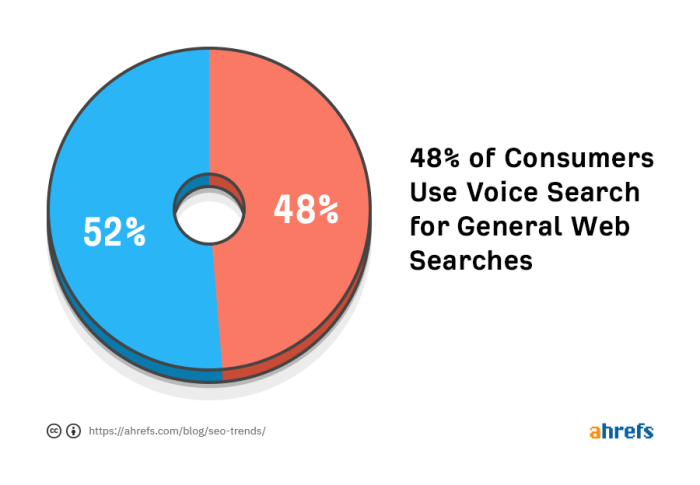
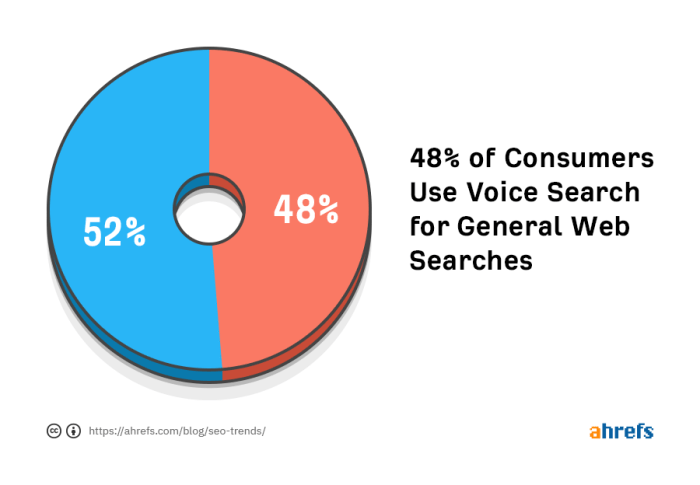
Search engine algorithms are constantly being refined to deliver more relevant and high-quality search results. This continuous evolution drives the emergence of new trends. Technological advancements, such as mobile-first indexing and the rise of voice search, also significantly impact trends. Evolving user expectations and search behavior are equally important, as users demand faster loading times, mobile-friendliness, and seamless experiences across different devices.
The interplay of these factors creates a dynamic environment that necessitates continuous adaptation in strategies.
While trends can sometimes boost SEO rankings, it’s crucial to remember that a strong SEO strategy isn’t just about chasing fleeting fads. A truly effective demand generation strategy, like the one outlined in this guide ( effective demand generation strategy ), focuses on building a solid foundation of valuable content and consistent engagement. Ultimately, staying ahead of the curve with relevant, high-quality content is key to long-term SEO success, regardless of any trend-driven tactics.
Examples of Past and Present Trends
trends are not isolated events; they often build upon and react to previous trends. Recognizing these historical patterns can provide valuable insight into the future direction of the field.
| Trend Name | Description | Impact on Rankings | Time Period |
|---|---|---|---|
| Stuffing | Overusing s in website content to artificially increase search engine rankings. | Initially boosted rankings, but eventually penalized by search engines due to poor user experience. | Early 2000s |
| Link Building | Acquiring backlinks from other reputable websites to increase domain authority and improve search engine rankings. | Crucial for improving domain authority and rankings, but now requires high-quality, relevant backlinks. | 2000s – Present |
| Mobile-First Indexing | Search engines prioritize the mobile version of a website for indexing and ranking. | Essential for websites to have a mobile-friendly design to rank well. | 2018 – Present |
| Voice Search Optimization | Optimizing content to answer common voice search queries and questions. | Improved rankings for websites that target voice search queries. | 2010s – Present |
| Content Marketing | Creating high-quality, informative, and engaging content to attract and retain users. | Continues to be a crucial factor for ranking well, as search engines prioritize user engagement. | 2010s – Present |
The Relationship Between Trends and Rankings: Are Trends Useful Seo Ranking
Following trends can significantly impact search engine rankings, but a nuanced approach is crucial. Blindly jumping on every new trend can be detrimental, while strategically leveraging relevant trends can yield substantial improvements. Understanding the correlation between adopting trends and achieving better search engine visibility is vital for optimizing online presence.The relationship between trends and rankings is complex.
While some trends can provide a substantial boost to organic search visibility, others may yield minimal results or even negatively impact rankings. The effectiveness of a trend hinges on its alignment with search engine algorithms and user intent. This requires careful analysis and strategic implementation.
Correlation Between Trend Adoption and Ranking Improvement
trends often reflect evolving search engine algorithms and user behavior. Implementing trends that align with these shifts can lead to higher rankings. Conversely, ignoring or implementing outdated or irrelevant trends can result in decreased visibility. For example, incorporating mobile-first indexing principles into website design positively affects rankings, as Google prioritizes mobile-friendly sites.
Positive and Negative Impacts on Search Engine Visibility
Trends can positively affect visibility by improving site performance, user experience, and content relevance. Implementing responsive design, for instance, can enhance user experience across devices, positively impacting rankings. Conversely, implementing a trend that doesn’t align with current search engine algorithms or user behavior can lead to a decline in visibility. Over-optimizing for s, a tactic that was once common, can now result in penalties.
Effectiveness of Various Trends
The effectiveness of different trends varies. Some, like mobile-friendliness and high-quality content, consistently deliver positive results. Others, like stuffing, are less effective and can even be detrimental. The success of a trend relies on its relevance to the target audience and its alignment with search engine guidelines.
Pitfalls of Blindly Following Trends
Blindly following every trend can be risky. A trend might not be suitable for all websites, and its effectiveness can vary significantly. Furthermore, focusing solely on trends might distract from fundamental practices like providing high-quality content and building a strong backlink profile. Prioritizing these fundamental practices, while cautiously considering relevant trends, is a more sustainable approach.
Comparison of Strategies
| Strategy | Mechanism of Improvement | Expected Outcome | Example |
|---|---|---|---|
| Mobile-first indexing | Prioritizes mobile-friendly websites in search results. | Improved rankings for mobile users. | A website optimized for mobile devices will likely rank higher in mobile search results. |
| Schema markup | Provides structured data to search engines, helping them understand the content. | Enhanced search results with rich snippets, potentially leading to increased click-through rates. | A product page with schema markup might appear with star ratings and price information in search results. |
| High-quality content | Addresses user needs, provides valuable information, and satisfies search intent. | Increased organic traffic and improved rankings. | A blog post thoroughly researching and addressing a user’s query will likely rank higher. |
| Voice search optimization | Focuses on conversational s and natural language queries. | Improved visibility for voice search queries. | A website using conversational language in its content might rank better for voice search queries. |
Assessing the Value of Trends

Staying ahead of the curve in is crucial for maintaining visibility and relevance. Understanding and leveraging current trends can significantly impact search engine rankings and ultimately drive organic traffic to a website. This involves a careful evaluation of the potential benefits and drawbacks associated with adopting new strategies. A well-informed approach is essential to maximize the positive impact and mitigate any potential negative consequences.Implementing trends effectively is a delicate balancing act between embracing innovation and avoiding costly missteps.
The key lies in identifying trends that genuinely offer a competitive edge, rather than chasing fleeting fads. Thorough research and a critical assessment of the potential ROI are crucial before adopting any new trend.
Value Proposition of Leveraging Trends
trends provide a dynamic pathway to enhance search engine rankings. By adapting to evolving search algorithms and user behavior, businesses can improve their online presence and increase their reach to a wider audience. This enhanced visibility can lead to increased brand awareness, higher conversion rates, and a more robust return on investment.
How Trends Enhance Visibility and Reach
Trends often align with emerging user preferences and search patterns. For instance, incorporating video content into strategies can attract users seeking visual information and boost a website’s ranking in video search results. Similarly, adapting to voice search optimization can attract users searching using spoken queries, thus reaching a new demographic and improving search visibility. Trends often provide a framework for optimizing for the specific ways users are searching, leading to increased visibility and reach.
Costs and Benefits of Adopting New Trends
Implementing new trends involves both costs and benefits. The cost may involve time and resources spent on learning new techniques, developing new content, and adapting existing strategies. Benefits include improved search engine rankings, increased traffic, and enhanced brand visibility, all contributing to a potentially higher return on investment. A careful cost-benefit analysis is crucial to determine the viability of implementing specific trends.
Evaluating Reliability and Validity of Trends
Evaluating the reliability and validity of trends requires a critical approach. One should avoid relying solely on anecdotal evidence or unverified claims. Instead, focus on established industry research, case studies, and successful implementations by reputable businesses. Consulting with professionals and experts can provide valuable insights into the efficacy and sustainability of various trends.
So, are trends helpful for SEO rankings? It’s a complex question, really. A good starting point might be exploring how to approach this as a problem-solving case study, like this one problem solving case study. Ultimately, while trends can offer temporary boosts, a strong, sustainable SEO strategy requires more than just jumping on the latest fad.
Focusing on user experience and content quality is key for long-term ranking success.
Table of Potential Benefits and Drawbacks of Specific Trends
| Trend | Benefits | Drawbacks |
|---|---|---|
| Voice Search Optimization | Improved visibility for conversational queries, potentially reaching a wider audience. Improved user experience through natural language processing. | Requires adaptation to conversational query patterns and natural language processing. May involve significant development costs. |
| Video | Increased visibility in video search results, attracting users seeking visual content. Potential for higher engagement and click-through rates. | Requires creating high-quality video content. May involve significant production costs. Optimization of video content for search algorithms may be complex. |
| Mobile-First Indexing | Ensures websites are optimized for mobile devices, improving user experience and rankings. | May involve significant site redesign and optimization costs. |
| Schema Markup Implementation | Provides structured data to search engines, enhancing search result visibility. | Requires technical expertise for implementation and maintenance. |
Practical Application of Trends
Turning trends into tangible results requires a strategic approach. Simply identifying emerging trends isn’t enough; the key lies in understanding how those trends translate into actionable steps for improving search engine rankings. This involves a deep dive into the specific niche and a careful evaluation of how existing strategies can be adapted to incorporate these trends effectively.Applying trends effectively requires more than just following the latest buzzwords.
It demands a nuanced understanding of your target audience, your website’s strengths and weaknesses, and your overall business goals. This chapter delves into practical methods for identifying, evaluating, and implementing trends to drive tangible results.
Identifying Relevant Trends
Understanding the specific trends that matter most in your niche is crucial. General trends might exist, but their applicability to a specific industry or business is what truly matters. Focus on trends that align with your target audience’s search queries and your business objectives. Tools like Google Trends, SEMrush, and Ahrefs can be instrumental in uncovering these insights.
For example, if you sell organic gardening supplies, focusing on rising interest in sustainable practices and vertical gardening is more relevant than the latest AI-related search trends.
While some SEO trends might seem helpful, they’re not always a guarantee of better rankings. Learning how to effectively manage your WordPress site, like adding an admin user to the WordPress database via MySQL, how to add an admin user to the WordPress database via MySQL , is often more valuable for long-term success. Ultimately, focusing on creating high-quality content and building a strong website structure, not just following fleeting trends, is key for lasting SEO success.

Incorporating New Trends into Existing Strategies
Successfully incorporating new trends into existing strategies requires a phased approach. Begin by analyzing how current strategies are performing. Identify areas where new trends can complement or enhance existing efforts. For instance, if you already have a strong blog, incorporate emerging video content trends by creating short, informative videos related to your blog posts.
Adapting Strategies Based on Specific Needs
Adapting strategies to fit the specific needs of a website or business involves careful consideration of resources, goals, and target audience. A small business with a limited budget may focus on optimizing content for voice search, which often involves simpler language and conversational queries. Larger companies with substantial resources can experiment with more complex strategies like AI-powered content generation, while still focusing on creating high-quality content for humans.
Flowchart for Identifying, Evaluating, and Implementing an Trend
(Placeholder for a flowchart. The flowchart should depict a cyclical process starting with trend identification, followed by research and analysis, strategy adaptation, implementation, monitoring, and evaluation. This iterative process allows for ongoing refinement based on results.)
Examples of Successful Trend Application
Numerous businesses have seen success by adapting their strategies to emerging trends. A travel agency, for example, might have seen a surge in bookings by incorporating video tours and virtual reality experiences into their marketing efforts. These virtual experiences can address the trend of visual search and immersive experiences. Similarly, an e-commerce store selling home goods could have boosted sales by using product-specific video content to better address the trend of visual searches and video engagement.
Long-Term Implications
Following trends can significantly impact a website’s long-term success. A strategy built on ephemeral trends risks losing ground as search engine algorithms evolve and user behavior shifts. A sustainable approach requires a deeper understanding of the fundamental principles of , combined with the ability to adapt to emerging trends. Understanding the long-term implications is crucial for building a resilient and enduring online presence.A short-sighted focus on fleeting trends can lead to wasted resources and diminished returns.
A well-structured, adaptable strategy that encompasses long-term vision, while embracing the best practices of , is far more likely to yield lasting results. This involves recognizing that search engine optimization is an ongoing process of refinement and adjustment.
Adapting to Changing Trends
Maintaining a high search engine ranking requires continuous adaptation to evolving trends. Search engines like Google constantly refine their algorithms, responding to user behavior and content quality. Failure to adapt to these changes can lead to a decline in search visibility. Staying ahead of the curve involves understanding the underlying principles driving these trends and recognizing the potential impact on organic search results.
Websites that have consistently maintained high rankings have consistently invested in a robust, evolving strategy.
Anticipating Future Trends
Anticipating future trends in is a critical aspect of long-term planning. By staying informed about algorithm updates, user behavior shifts, and emerging technologies, websites can position themselves to capitalize on opportunities and mitigate potential risks. The ability to predict and adapt to upcoming trends is a key factor in long-term success. Recognizing potential shifts in user behavior and search intent is critical.
For instance, the rise of mobile-first indexing and the increasing importance of voice search highlight the need for proactive adaptation.
Examples of Successful Adaptation
Numerous websites have demonstrated the importance of adapting to trends over time. For example, successful e-commerce sites often see consistent success by adapting their site structure and product descriptions in response to search engine algorithm updates. These sites frequently implement responsive design, ensuring optimal user experience across different devices. Furthermore, they maintain high-quality content and optimize their site structure for both search engines and users.
Another example would be news websites that constantly update their content, adhering to best practices for content freshness, and making adjustments in accordance with the ever-changing news cycle. These examples highlight the importance of consistent adaptation to maintain high search engine rankings and long-term health.
Last Recap
In conclusion, while trends can significantly influence search engine rankings, a strategic approach is essential. Blindly following every trend can be detrimental. Instead, a thoughtful evaluation of trends, their potential benefits and drawbacks, and a tailored implementation plan will yield the best results. Understanding the long-term implications of adopting a trend is vital for maintaining a healthy and sustainable strategy.