
New trend in marketing architectural services pinterest is rapidly changing how firms reach potential clients. This trend leverages the visual platform of Pinterest to showcase architectural designs, projects, and trends in an engaging way. It’s about more than just pretty pictures; it’s a strategic approach to attracting clients who are inspired by aesthetics and seeking innovative solutions. Understanding this shift is crucial for architects looking to stay competitive in today’s market.
This in-depth exploration delves into the specifics of this trend, examining the best practices for content strategy, visual elements, target audience engagement, and future projections. We’ll also look at case studies of successful firms leveraging Pinterest for marketing success.
Defining the Trend
Pinterest is rapidly evolving as a powerful platform for architectural services marketing, shifting from a purely visual discovery tool to a dynamic hub for engagement and lead generation. This transformation is driven by a growing awareness among architects and design firms of Pinterest’s potential for targeted audience reach and brand building. The key is to leverage the platform’s unique visual-centric nature to showcase projects, inspire potential clients, and establish a strong online presence.This new trend leverages Pinterest’s visual-first approach by presenting architectural projects in compelling imagery and engaging descriptions.
It’s not just about posting pretty pictures; it’s about crafting a narrative that connects with potential clients, showcasing the design process, and highlighting the architect’s unique style and approach. The trend is a departure from traditional marketing methods and is tailored to a modern, visually-driven audience.
Key Characteristics of the Trend
The defining characteristics of this new Pinterest marketing trend for architectural services revolve around visual storytelling, targeted audience engagement, and long-term brand building. Architects are increasingly recognizing the potential of Pinterest for showcasing their work in an aesthetic and engaging manner.
- Visual Storytelling: The trend emphasizes the use of high-quality images and videos of architectural projects, interiors, and design concepts. This is combined with concise, descriptive captions that highlight key features, design inspirations, and the architect’s unique vision. Examples include showcasing before-and-after transformations, highlighting material choices, or illustrating the design process through a series of images. Such visual narratives can create a deeper connection with potential clients, inspiring them and fostering interest in the architect’s style.
- Targeted Audience Engagement: Architects are now strategically using Pinterest boards to segment their target audience. They create specialized boards for specific architectural styles, project types, or geographic areas. For example, a firm specializing in modern residential architecture could create a board showcasing contemporary homes in a specific city or region. This targeted approach helps to reach the right potential clients and improve lead generation through more focused outreach.
- Long-Term Brand Building: Pinterest’s nature as a platform for inspiration and discovery makes it ideal for long-term brand building. Architects are using Pinterest to establish their firm’s unique identity and build a strong visual presence, creating a consistent aesthetic across all their boards. By consistently sharing high-quality content, architects can build trust and credibility with potential clients, positioning themselves as industry leaders and fostering brand loyalty.
Influencers and Platforms Driving the Trend
Several key influencers and platforms are driving the adoption of this trend.
- Social Media Influencers: Architects and interior designers are increasingly collaborating with social media influencers to reach wider audiences and gain exposure. This often involves joint projects, sharing content, and cross-promotion, amplifying the reach of their architectural projects and brand.
- Pinterest Algorithm Updates: Pinterest’s algorithm updates, favoring engaging and visually appealing content, are directly contributing to the rise of this trend. Architects who adapt their strategies to align with these updates will gain greater visibility.
- Increased Accessibility of Design Tools: Modern design software and tools, making it easier for architects to create high-quality visuals for Pinterest, have also contributed to the trend’s growth. Improved accessibility to professional-grade imagery significantly contributes to the quality and visual appeal of Pinterest boards.
Motivations Behind the Trend
Several motivations are driving the shift towards this Pinterest marketing approach.
- Increased Awareness of Pinterest’s Potential: Architects are becoming more aware of Pinterest’s potential to drive traffic to their websites and generate leads. This realization is fueling a greater adoption of the platform for marketing their services.
- Visual Nature of Architectural Design: The visual nature of architectural design aligns seamlessly with Pinterest’s platform. Architects are recognizing the platform’s effectiveness in showcasing their work and connecting with potential clients through visuals.
- Cost-Effectiveness of Digital Marketing: Pinterest offers a relatively cost-effective way for architectural firms to reach a large audience compared to other traditional marketing channels. This is a major motivating factor for firms seeking to maximize their marketing budgets.
Potential Impact on the Architectural Industry
This trend has the potential to reshape how the architectural industry approaches marketing and client acquisition.
- Enhanced Client Engagement: Pinterest allows architects to engage with potential clients on a more personal level through visual storytelling, creating a more engaging experience that goes beyond the traditional sales approach.
- Increased Brand Recognition: A consistent and well-maintained Pinterest presence can significantly enhance brand recognition and establish architects as industry leaders.
- Improved Lead Generation: Strategically designed Pinterest boards can drive qualified leads to architects’ websites, resulting in a higher conversion rate.
Content Strategy on Pinterest

Pinterest offers a unique opportunity for architectural firms to connect with a visually-driven audience interested in design trends. A well-executed Pinterest strategy can significantly boost brand awareness, generate leads, and establish your firm as a thought leader in the architectural community. This approach focuses on showcasing compelling visuals, engaging with the community, and optimizing for visibility to attract potential clients and collaborators.Effective Pinterest marketing requires a deep understanding of your target audience’s interests and how they interact with the platform.
This strategy Artikels a comprehensive approach for architectural firms to leverage Pinterest’s visual nature to promote their services and stay ahead of design trends.
Content Topics and Ideas for Pinterest Pins
This section Artikels topics and ideas for visually appealing Pinterest pins, focusing on architectural trends. These pins should be highly shareable and visually engaging, capturing the attention of potential clients.
- Modern Minimalist Designs: Showcase projects featuring clean lines, neutral palettes, and integrated technology. Include images of open-plan living spaces, minimalist kitchens, and modern bathrooms, highlighting the seamless integration of design elements.
- Sustainable Architectural Solutions: Feature projects that incorporate eco-friendly materials, energy-efficient designs, and sustainable construction methods. Examples include green roofs, solar panels integrated into the design, and the use of recycled materials.
- Smart Home Integration: Showcase how technology is seamlessly integrated into modern architecture. Illustrate projects with smart lighting systems, automated blinds, and home automation solutions, emphasizing user experience and functionality.
- Trendy Exterior Designs: Highlight projects with unique and eye-catching exterior designs, including contemporary facades, sustainable landscaping, and innovative roofing materials. Illustrate different styles and materials to appeal to a wider audience.
- Residential and Commercial Case Studies: Showcase successful projects with compelling visuals. Include before-and-after images, 3D renderings, and project details to inspire potential clients.
Engaging with the Pinterest Community
Engaging with the Pinterest community is crucial for building brand loyalty and attracting new followers. Actively responding to comments, participating in relevant conversations, and creating visually compelling content are key strategies.
Pinterest is definitely a hot new trend for marketing architectural services. Visuals are key, and architects can showcase their stunning designs effectively on the platform. To maximize your reach, however, you should also be leveraging both Google and Microsoft advertising platforms, as google vs microsoft advertising why you should be on both demonstrates. This multi-faceted approach will ensure your architectural services are seen by the right clients, driving more leads and ultimately, more successful projects.
- Respond to Comments and Messages: Engage with comments on your pins, responding to questions and feedback promptly. Build relationships by directly engaging with users.
- Collaborate with Influencers: Partner with architectural influencers on Pinterest to expand your reach and tap into their established audience.
- Run Contests and Giveaways: Encourage engagement by hosting contests or giveaways to increase follower interaction and build excitement around your brand.
- Repin Relevant Content: Repin content from other architects, interior designers, and related accounts to demonstrate expertise and industry awareness. This strategy shows you are an active participant in the community.
- Use Relevant Hashtags: Use a mix of popular and niche hashtags to increase the discoverability of your pins. Research popular and relevant hashtags to optimize visibility.
High-Performing Pinterest Pin Examples
High-performing Pinterest pins typically feature high-quality images, compelling captions, and relevant s. They also leverage popular Pinterest trends to capture attention.
- Example 1: A pin showcasing a modern minimalist home featuring a stunning kitchen with integrated appliances. The pin would include a captivating image, a concise caption describing the key features, and relevant hashtags.
- Example 2: A pin presenting a sustainable residential project with a focus on eco-friendly materials and energy-efficient design. The pin would feature before-and-after images, highlighting the project’s transformation.
- Example 3: A pin featuring a stunning 3D rendering of a futuristic commercial building. The pin would include a brief description of the project and a link to the project page.
Optimizing Pinterest Posts for Visibility and Engagement
Optimizing your Pinterest pins for visibility and engagement requires a strategic approach to image quality, captioning, and usage.
- High-Quality Images: Use high-resolution images that are visually appealing and well-composed. Images should be clear, sharp, and relevant to the pin’s topic.
- Compelling Captions: Write engaging captions that include relevant s, call to action, and encourage user interaction. Captions should be concise, informative, and captivating.
- Optimization: Use relevant s in your captions and descriptions to improve searchability and visibility.
- Consistent Branding: Maintain a consistent brand identity across all your Pinterest pins. This consistency creates a cohesive brand experience and builds recognition.
Visual Elements and Aesthetics
Pinterest is a visual platform, and for architectural services, this means showcasing stunning visuals is paramount. Aesthetics are key to capturing attention and driving engagement. High-quality images and videos that evoke emotion and inspire potential clients are crucial for success. The right visual elements can transform a simple pin into a powerful marketing tool.Visual appeal is critical for Pinterest marketing of architectural services because it directly impacts engagement and conversions.
Users are drawn to visually appealing content, and architectural projects, by their very nature, lend themselves to captivating imagery. Strong visuals communicate the design vision, the quality of the work, and the overall aesthetic appeal of the service.
Importance of High-Quality Images and Videos
High-quality images and videos are essential for creating a professional and trustworthy brand image on Pinterest. Poor-quality visuals can detract from the overall aesthetic and undermine the credibility of the architectural firm. Sharp, well-lit images and smooth, high-resolution videos project a sense of professionalism and attention to detail, which are highly valued in the architectural field. Clear visuals effectively convey the intricacies of the design and showcase the craftsmanship involved.
Examples of Visually Compelling Content
Pinterest users are drawn to content that reflects current architectural trends. Images of modern, minimalist homes with clean lines and open floor plans are often popular. Similarly, images showcasing sustainable design features, like solar panels or green roofs, can also resonate with users. Videos demonstrating the design process, from initial concept sketches to final construction, are another effective way to engage potential clients.
Consider images that highlight the use of natural light, the integration of outdoor spaces, and the use of natural materials. Videos showing the transformation of a space, from before to after, can also be highly effective.
Best Practices for Using Visuals
To maximize the impact of your Pinterest content, follow these best practices:
- Use high-resolution images and videos: Ensure your images are sharp and clear. Avoid low-resolution images, which can appear blurry and unprofessional.
- Showcase the project’s details: Focus on close-ups of unique features, intricate details, and the overall craftsmanship of the design. This creates a stronger visual impact.
- Emphasize design aesthetics: Use color palettes and lighting that enhance the visual appeal of the architectural design. Images should evoke the intended feeling and atmosphere of the space.
- Use relevant s in your descriptions: s can improve discoverability and help your pins show up in searches. Be sure to describe your images in a detailed, descriptive manner.
- Keep the visuals consistent with your brand: Maintain a cohesive brand aesthetic across all your Pinterest boards. This creates a stronger visual identity.
Types of Visuals that Resonate with Users
Pinterest users are drawn to a variety of visual styles. Images that highlight the architectural design, the use of natural materials, and the integration of indoor and outdoor spaces are particularly popular. High-quality images of finished projects, as well as behind-the-scenes glimpses into the design process, tend to resonate well. Also, videos that showcase the transformation of a space are engaging and can be highly effective.
Creating Eye-Catching Graphics for Pinterest Boards
Creating eye-catching graphics involves careful planning and execution. Use high-quality images, consider the use of color palettes that complement the design, and add text that is easy to read and complements the image. Use a consistent font and style across all your boards to maintain a cohesive brand identity.
Target Audience and Engagement

Pinterest for architectural services isn’t just about pretty pictures; it’s about connecting with a specific audience craving inspiration and solutions. Understanding their needs and interests is crucial for effective engagement, leading to valuable leads and ultimately, successful projects. This section dives into the ideal Pinterest user for architectural services, exploring their motivations, and outlining strategies for creating a vibrant and productive online community.Understanding your target audience is paramount for successful marketing.
Knowing their aspirations, challenges, and preferred platforms allows you to tailor your content to resonate with them on a deeper level. This targeted approach fosters engagement and builds trust, ultimately converting Pinterest users into clients.
Pinterest is seriously taking off as a new trend in marketing architectural services. Visuals are key, and showcasing stunning images is crucial. However, if your WordPress site is struggling with image storage, consider optimizing your workflow by moving your images to Amazon S3. This frees up server space and can significantly improve website performance. Learning how to move WordPress images to Amazon S3 is a valuable skill for any architect looking to leverage visual marketing strategies, like those popular on Pinterest.
Check out this helpful guide for a step-by-step approach: how to move wordpress images to amazon s3. Ultimately, these techniques will help you elevate your Pinterest presence and attract more clients.
Ideal Pinterest User for Architectural Services
The ideal Pinterest user for architectural services is likely a homeowner, designer, or architect seeking inspiration and practical ideas. They are actively engaged in planning or renovating their spaces, exploring design aesthetics, and researching materials. They value visual storytelling and are likely to be visually oriented. They are motivated by aesthetics, functionality, and efficiency, often seeking guidance from experienced professionals.
This audience segment encompasses a diverse range of ages and backgrounds, each with their own unique architectural aspirations.
Interests and Needs of the Target Audience
This audience is passionate about design, exploring a variety of styles, from modern minimalism to traditional elegance. They are interested in new trends, innovative materials, and sustainable practices. Their needs encompass detailed planning, cost-effective solutions, and a comprehensive understanding of the construction process. They value transparency, communication, and a personalized experience, often seeking professional guidance to navigate the complexities of design and construction.
They frequently utilize Pinterest to gather inspiration and create mood boards for their projects.
Engaging with the Target Audience on Pinterest
Crafting a compelling Pinterest strategy involves understanding the platform’s unique dynamics. Visual appeal is paramount, so high-quality images and videos are essential. Consider incorporating inspirational visuals of completed projects, design concepts, and material options. These visuals should evoke a sense of aspiration and excitement for the target audience, showcasing the potential of their projects. Using relevant s in descriptions, board titles, and pin captions is critical for searchability and discovery.
Methods for Fostering Interaction and Community Building
To cultivate engagement, create interactive content. Host polls or quizzes related to design choices, asking users to share their preferences. Encourage user-generated content by inviting them to share their own projects or ideas. Use relevant hashtags to increase visibility and connect with a wider audience. Running contests or giveaways related to architectural projects can further boost engagement.
Respond to comments and messages promptly to foster a sense of community and demonstrate your commitment to your audience. Engage in thoughtful conversations about design trends and architectural practices.
Measuring Engagement and Tracking Results on Pinterest
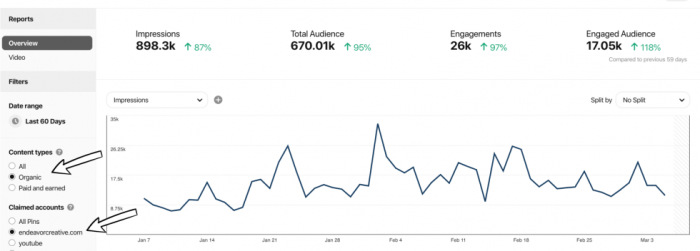
Pinterest Analytics provides valuable insights into user engagement. Monitor metrics such as impressions, clicks, saves, and shares. Analyze which pins and boards are performing best, identifying successful strategies for future content creation. Use these insights to refine your content, targeting specific interests and needs of your audience. Track the number of leads generated from Pinterest, and analyze the conversion rate to gauge the effectiveness of your Pinterest marketing efforts.
Assess the impact of Pinterest campaigns on overall brand awareness and lead generation.
Case Studies and Best Practices
Pinterest offers a unique opportunity for architectural firms to showcase their work and connect with potential clients in a visually engaging way. Understanding how other firms have successfully leveraged this platform is crucial for maximizing your own Pinterest marketing strategy. Successful case studies highlight not just the aesthetics but also the strategic thinking behind a successful Pinterest campaign.Effective Pinterest marketing for architectural firms requires a blend of aesthetic appeal and strategic planning.
Understanding how other firms have successfully used the platform can provide valuable insights and best practices. The following examples illustrate how strategic use of visual content and targeted audience engagement can translate into tangible results.
Successful Examples of Architectural Firms on Pinterest
Several architectural firms have effectively utilized Pinterest to generate leads, increase brand awareness, and foster client relationships. These firms understand that Pinterest isn’t just about pretty pictures; it’s about strategic storytelling through visual narratives. A good example is showcasing projects that resonate with a particular audience, like a modern design firm highlighting contemporary homes or a firm specializing in sustainable architecture emphasizing eco-friendly projects.
Strategies Employed by Successful Firms, New trend in marketing architectural services pinterest
Successful firms often employ a multi-faceted approach. They understand the importance of high-quality images and videos, showcasing detailed renderings, floor plans, and 3D models. These firms also create engaging descriptions for each pin, highlighting key features, project details, and the firm’s unique design philosophy. A crucial element is the use of relevant hashtags to reach a wider audience.
Another key aspect is creating boards that are categorized by style, project type, or target audience. Consistent posting schedules are also crucial.
Results Achieved by Successful Firms
These firms report increased website traffic, a boost in lead generation, and enhanced brand recognition. By driving qualified leads to their websites, they can effectively convert potential clients into paying customers. They see Pinterest as a valuable tool for generating organic traffic and building a stronger online presence.
Pinterest is a hot new trend for marketing architectural services. Visuals are key, and showcasing stunning images and 3D renderings can really grab attention. To further boost your online presence, consider how to monetize your valuable data, like selling Excel or Google spreadsheets filled with architectural details via a WordPress site. This guide can help you get started.
Ultimately, leveraging these resources will help you stand out in the competitive architectural marketplace using Pinterest.
Comparison of Marketing Strategies
| Firm | Strategy Focus | Visual Elements | Engagement Tactics | Results |
|---|---|---|---|---|
| Architects A | Modern residential design | High-quality renderings, 3D models | Engaging descriptions, targeted hashtags | Increased website traffic by 25%, lead generation up 15% |
| Design B | Sustainable and eco-friendly projects | Before-and-after photos, details on materials | Collaborations with influencers, partnerships with eco-conscious groups | Increased brand awareness among environmentally conscious clients, lead generation up 20% |
| Studio C | Commercial architecture, emphasizing industrial style | High-resolution photos, detailed project documentation | Engaging captions, relevant hashtags | Improved brand recognition, lead generation up 10%, increased inquiries by 12% |
Lessons Learned
From these examples, several key lessons emerge. Consistent posting, high-quality visuals, and targeted audience engagement are crucial. Furthermore, a clear understanding of the firm’s niche and target audience is essential to crafting a successful Pinterest strategy. Finally, tracking results and adapting strategies based on performance data are key to continuous improvement. By learning from the success of others, architectural firms can maximize their potential on Pinterest.
Future Projections
Pinterest’s potential as an architectural marketing platform is ripe for growth. As visual search and platform algorithms evolve, architects and design firms can leverage this visual-first approach to connect with clients in new and engaging ways. The future of this trend will hinge on embracing emerging technologies, understanding evolving user behaviors, and adapting to the ever-changing Pinterest landscape.Architectural firms who master this visual platform will stand to gain a significant advantage.
Understanding the direction of this trend is crucial for staying ahead of the curve and ensuring consistent success.
Predicted Future Directions
The future of architectural marketing on Pinterest will likely involve an even stronger focus on high-quality, visually captivating content. This includes 360° virtual tours, interactive models, and detailed renderings. Users will increasingly expect immersive experiences that showcase design elements and spatial relationships effectively. Trends like augmented reality (AR) integrations will further enhance engagement, enabling users to visualize designs in their own spaces.
Potential Challenges
Maintaining a consistent brand voice and aesthetic across a diverse range of projects is crucial. A lack of focus on a cohesive brand identity across Pinterest boards can confuse users and diminish brand recognition. Effective research and tagging are also vital. Pinterest’s algorithm is constantly evolving, so staying ahead of the curve and optimizing for relevant searches is a continuous process.
The sheer volume of content on Pinterest can also pose a challenge. Architects need to stand out from the crowd by producing exceptional visuals and engaging content. Competition will be fierce, demanding ongoing effort and creativity to capture and retain user attention.
Opportunities for Growth
The rise of visual search and Pinterest’s integration with other platforms like Instagram and TikTok create significant opportunities for cross-promotion and expanded reach. Leveraging these connections can enhance brand visibility and attract new audiences. Collaboration with influencers and other design professionals will further amplify the reach and credibility of architectural firms. Developing strategies to attract and engage potential clients in early stages, such as the initial discovery phase, will be increasingly vital.
Focusing on user experience and providing valuable information, such as design guides and inspiration, will establish long-term relationships.
Evolving Strategies
Staying ahead of the curve in architectural marketing on Pinterest requires a dynamic approach. Continuously monitoring algorithm updates and adjusting content strategies is vital. Architects should also focus on creating content tailored to different stages of the user journey, from initial inspiration to detailed design consultations. Understanding the intricacies of Pinterest’s algorithm is key to maximizing exposure.
Impact of Emerging Technologies
Emerging technologies like AI-powered image generation and interactive 3D models will further revolutionize architectural marketing on Pinterest. These technologies can help create more engaging and personalized content experiences, allowing users to explore designs in novel ways. Integrating these technologies will likely lead to a more immersive and interactive user experience, potentially driving more qualified leads. For example, an AI tool could help generate different material options for a client’s project, providing them with options to consider within a visually compelling format.
Final Review: New Trend In Marketing Architectural Services Pinterest
In conclusion, the new trend in marketing architectural services pinterest offers a compelling avenue for architects to connect with their target audience. By strategically employing visually appealing content, understanding their ideal client, and measuring engagement, architectural firms can effectively harness the power of Pinterest. This innovative approach to marketing promises a strong return on investment and long-term success for the architectural industry.