
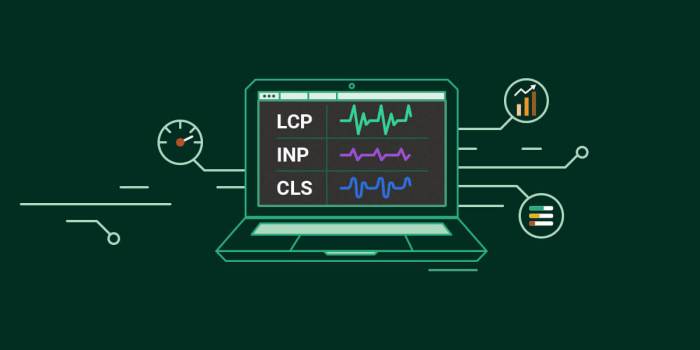
Improving your core web vitals a guide is your comprehensive resource for boosting your website’s performance and ranking. This guide delves into the critical metrics like Largest Contentful Paint, First Input Delay, and Cumulative Layout Shift, explaining how they affect user experience and search engine visibility. We’ll uncover common performance pitfalls, providing actionable strategies to optimize your site’s speed and responsiveness.
From image optimization to JavaScript management, this guide equips you with the knowledge and tools to diagnose and fix performance bottlenecks. Learn how to measure your progress and maintain a high-performing website. Mastering these essential elements will improve your website’s speed, user engagement, and search engine ranking.
Introduction to Core Web Vitals

Core Web Vitals are a set of metrics that Google uses to evaluate the user experience of a website. These metrics, focusing on loading performance, interactivity, and visual stability, are crucial for ensuring a smooth and enjoyable browsing experience. Understanding and optimizing for these vitals is vital for both user satisfaction and search engine rankings.Good Core Web Vitals translate directly to a better user experience.
Users expect websites to load quickly, respond instantly to their actions, and remain visually stable. Poor Core Web Vitals, on the other hand, can lead to frustrated users abandoning a site, impacting conversions and ultimately, negatively affecting a site’s visibility in search results.
Improving your core web vitals is crucial for SEO, and a great starting point is optimizing your website’s performance. One often overlooked aspect of this is ensuring you’re sending out effective welcome emails to new users, like learning how to resend new user welcome emails in WordPress here. This helps maintain engagement and can significantly boost user experience, which in turn contributes to better core web vitals scores.
So, if you’re aiming to enhance your website’s overall performance, remember that effective communication with new users is a key element in the process.
Core Web Vitals Explained
Core Web Vitals encompass three key metrics: Largest Contentful Paint (LCP), First Input Delay (FID), and Cumulative Layout Shift (CLS). These metrics provide insights into various aspects of website performance.
Largest Contentful Paint (LCP)
LCP measures the time it takes for the largest image or text block on a page to load. A fast LCP score indicates that the critical content is loading quickly, crucial for a positive user experience. Slow LCP scores mean that the content takes too long to load, potentially causing the user to lose interest.
First Input Delay (FID)
FID measures the time it takes for a user’s interaction with a page (like clicking a button) to be processed. A low FID score indicates that the page responds quickly to user input, ensuring a smooth and interactive experience. High FID scores mean the page takes too long to respond to user actions, making the website feel sluggish.
Cumulative Layout Shift (CLS)
CLS measures the unexpected movement of content on a page after it has loaded. This can occur due to dynamically loaded elements, images not loading promptly, or other factors. A low CLS score indicates a stable layout, minimizing user frustration from unexpected shifts. High CLS scores cause elements to shift unexpectedly, making the user experience frustrating and impacting usability.
Comparing Core Web Vitals
| Metric | Description | Good Score | Bad Score | Example |
|---|---|---|---|---|
| Largest Contentful Paint (LCP) | Time to load the largest content element | Under 2.5 seconds | Over 4 seconds | A website loads the main hero image within 2 seconds. |
| First Input Delay (FID) | Time it takes for the page to respond to user interaction | Under 100 milliseconds | Over 300 milliseconds | A button click triggers an action within 50 milliseconds. |
| Cumulative Layout Shift (CLS) | Unexpected movement of content after page load | Below 0.1 | Above 0.25 | Images load and display without causing the page to shift significantly. |
Identifying Performance Issues
Understanding your website’s Core Web Vitals performance is crucial for providing a positive user experience. Poor Core Web Vitals can lead to higher bounce rates, lower conversion rates, and ultimately, a negative impact on your search engine rankings. Identifying the root causes of these issues is the first step in improving your website’s performance.Identifying and addressing performance bottlenecks is not a one-size-fits-all process.
Each website is unique, with its own set of technical characteristics and user behavior patterns. A deep dive into specific performance issues and the use of appropriate diagnostic tools are essential for pinpointing the root causes. This allows for targeted solutions, rather than broad, generalized fixes.
Common Causes of Poor Core Web Vitals
Several factors can contribute to poor Core Web Vitals scores. Understanding these common causes is essential for effective troubleshooting. Excessive server response times, inefficient JavaScript execution, and large image sizes are all prime suspects. These issues can lead to slow loading times, negatively impacting metrics like Largest Contentful Paint (LCP), First Input Delay (FID), and Cumulative Layout Shift (CLS).
Analyzing Performance Bottlenecks
Identifying specific performance bottlenecks on your website requires a structured approach. Tools like Chrome DevTools, PageSpeed Insights, and Lighthouse are invaluable resources for this purpose. These tools provide detailed reports on various aspects of your website’s performance, including metrics related to Core Web Vitals. Analyzing the results from these tools allows you to pinpoint the elements of your site that are contributing to slow loading times.
Examining Element Impact on Core Web Vitals
A structured method for examining the impact of different elements on Core Web Vitals involves progressively analyzing and removing elements, tracking the change in the metrics. For example, you can remove non-essential CSS files, minify JavaScript code, and optimize images to determine their impact on loading times and user experience. This method helps in isolating the elements that have the most significant impact on your website’s Core Web Vitals.
Improving your core web vitals is crucial for a positive user experience. Understanding how users interact with your site is key, and that’s where usability testing in UX design comes in handy. By conducting thorough usability testing, you can identify pain points and areas for improvement, leading to a better understanding of how to optimize your website’s performance for a smooth user journey.
Ultimately, this knowledge will help you fine-tune your core web vitals for a better user experience. usability testing in ux design is a great resource for more in-depth insights.
Diagnostic Tools and Methods
Various diagnostic tools and methods can help identify performance problems. These tools provide insights into the performance characteristics of different parts of your website. They provide detailed information that enables the user to determine the root causes of performance issues.
Table of Diagnostic Tools
| Tool | Key Features | Functionality |
|---|---|---|
| Chrome DevTools | Built-in browser tool for debugging and performance analysis. | Provides real-time insights into network requests, JavaScript execution, and rendering performance. |
| PageSpeed Insights | Google tool for analyzing page speed and providing recommendations. | Evaluates your website’s performance against industry best practices and offers actionable suggestions for improvement. |
| Lighthouse | A free automated tool that audits web pages and provides performance recommendations. | Analyzes your website’s performance, accessibility, , and best practices against various criteria, generating actionable recommendations for improvement. |
| GTmetrix | Provides comprehensive performance analysis and suggestions for improvement. | Offers a visual representation of performance metrics and provides detailed reports with actionable suggestions for optimization. |
| WebPageTest | Provides detailed performance analysis of web pages, including load times, network conditions, and server response times. | Evaluates your website’s performance under various conditions, including different network speeds and geographical locations, to identify performance issues under different scenarios. |
Optimizing for Largest Contentful Paint (LCP)

Largest Contentful Paint (LCP) measures the time it takes for the largest image, text block, or other visual element on a webpage to load and become fully visible. A fast LCP score is crucial for providing a positive user experience, as users perceive a page as loading quickly when the primary content appears promptly. A slow LCP often leads to a poor user experience, as users might abandon the page before the key content is displayed.Optimizing for LCP involves a multi-faceted approach, focusing on image optimization, asset management, and server performance.
By addressing these factors, you can significantly improve your page load time and boost your search engine rankings. A well-optimized website that delivers LCP quickly keeps visitors engaged and encourages them to explore further.
Optimizing Images for Faster Loading
Efficient image optimization is paramount for achieving a good LCP score. Large, uncompressed images significantly hinder page load times. Proper image optimization techniques reduce file size without compromising visual quality, leading to faster loading times.
Reducing Image Size Without Sacrificing Quality
Several strategies can reduce image file sizes without compromising visual quality. Lossy compression, such as JPEG, allows for significant size reduction. Choosing the right compression level is key; higher compression levels result in smaller files but potentially lower image quality. For images that require high detail, lossless compression techniques like WebP are preferable. These techniques retain the original image quality while achieving a smaller file size compared to PNG.
Optimizing Website Assets for Quicker Loading
Website assets, including images, scripts, and stylesheets, should be optimized for quick loading. A critical aspect of optimization is utilizing efficient caching mechanisms. Browser caching stores frequently accessed assets locally, minimizing the need to download them repeatedly, thereby speeding up subsequent page loads. This ensures faster retrieval of frequently accessed files.
Effective Image Compression Techniques
Several effective image compression techniques can be employed. JPEG is a common choice for photographs, while PNG is ideal for graphics and illustrations. WebP is a modern format that offers excellent compression, often surpassing JPEG and PNG in terms of quality for the same file size. Tools like TinyPNG, ImageOptim, and Compressor.io can help automate the process of compressing images.
Improving Server Response Times, Improving your core web vitals a guide
Fast server response times are critical for achieving a good LCP score. Strategies include optimizing server configuration, employing Content Delivery Networks (CDNs), and utilizing a Content Management System (CMS) with built-in performance enhancements. CDNs distribute content across various servers globally, reducing latency and ensuring faster delivery to users.
Best Practices for Optimizing Images for LCP
| Best Practice | Explanation |
|---|---|
| Choose the Right Image Format | Select the most appropriate format (JPEG, PNG, WebP) based on image type and desired quality. |
| Optimize Image Dimensions | Resize images to the exact dimensions needed for the webpage. Avoid unnecessarily large images. |
| Employ Lossy Compression | Use lossy compression (JPEG) where appropriate, adjusting compression levels to balance file size and quality. |
| Leverage Lossless Compression | Use lossless compression (WebP) for images requiring high quality and detail. |
| Utilize Image Optimization Tools | Employ automated tools to compress images and reduce file sizes. |
| Implement Caching Mechanisms | Implement browser caching and server-side caching to store frequently accessed assets. |
| Optimize Server Configuration | Ensure your web server is configured for optimal performance. |
| Employ Content Delivery Networks (CDNs) | Use CDNs to distribute content across multiple servers globally, reducing latency. |
Optimizing for First Input Delay (FID)
First Input Delay (FID) measures the time from when a user interacts with a web page (e.g., clicking a button, hovering over a link) to when the browser can respond to that interaction. A low FID indicates a responsive user experience, while a high FID suggests sluggishness. Optimizing FID is crucial for providing a smooth and engaging experience, which directly impacts user satisfaction and conversion rates.JavaScript execution and render-blocking resources are significant contributors to high FID scores.
Minimizing JavaScript execution time and optimizing render-blocking resources are vital steps in the optimization process. Techniques such as deferring or lazy-loading non-critical JavaScript, alongside careful selection of JavaScript optimization techniques, will significantly improve page load times and reduce latency.
Minimizing JavaScript Execution Time
Efficient JavaScript execution is paramount for minimizing FID. Long-running scripts can block the browser from responding to user interactions, resulting in a poor FID score. Profiling and identifying performance bottlenecks within JavaScript code is the first step. Tools like Chrome DevTools offer comprehensive profiling capabilities to pinpoint areas for improvement.
Optimizing Render-Blocking Resources
Render-blocking resources, such as CSS and JavaScript files, can delay the rendering of the initial page content. Minimizing the size of these files and using asynchronous loading techniques are essential strategies. Minification, concatenation, and code splitting can reduce file sizes without sacrificing functionality.
Deferring or Lazy-Loading Non-Critical JavaScript
Deferring or lazy-loading non-critical JavaScript can significantly reduce the initial load time. Non-critical JavaScript, such as those handling advanced animations or complex interactions, should be loaded after the initial page content has been rendered. This technique allows the browser to respond to user interactions more promptly.
Lazy Loading Images
Lazy loading images is another crucial technique. Images are often a significant source of initial load time, especially large images or those located further down the page. Lazy loading images only loads them when they enter the viewport.
JavaScript Optimization Techniques
Various JavaScript optimization techniques can help improve performance. Choosing the right technique depends on the specific needs of the website.
| Optimization Strategy | Description | Strengths | Weaknesses |
|---|---|---|---|
| Minification | Removing unnecessary characters from JavaScript code (e.g., whitespace, comments) without altering functionality. | Reduces file size, potentially improves load times. | Requires careful consideration to avoid unintended consequences. |
| Code Splitting | Dividing large JavaScript files into smaller, more manageable chunks. | Improves initial load time, allows for asynchronous loading of specific code sections. | May introduce complexity in code management. |
| Tree Shaking | Removing unused code from a JavaScript module. | Reduces the size of the final bundle significantly. | Works best with modules and requires a build process. |
| Caching | Storing frequently accessed assets on the server to reduce load times for returning users. | Significantly improves load times for returning users, and reduces server load. | Requires proper implementation and maintenance of caching mechanisms. |
Optimizing for Cumulative Layout Shift (CLS)
Cumulative Layout Shift (CLS) measures the unexpected movement of content on a webpage. This can be frustrating for users, as it disrupts the flow of reading and navigation, potentially leading to lost context and a less positive user experience. Minimizing CLS is crucial for providing a smooth and reliable browsing experience, impacting both user satisfaction and search engine rankings.Unexpected shifts in page layout, whether from dynamic content or external resources, negatively impact user experience.
Improving your core web vitals is crucial for SEO, and understanding how to do it effectively can be tricky. One thing that really helps is looking at successful examples, like the visible expert profile of James McLurkin and how his robots made him famous visible expert profile how james mclurkins robots made him famous. Learning from others’ successes can give you valuable insights, ultimately leading to better core web vitals practices for your own website.
These shifts can lead to jarring visual interruptions, making it difficult for users to interact with the page effectively. Addressing CLS involves proactive strategies to prevent and mitigate these shifts, resulting in a more stable and user-friendly website.
Ensuring Content Positioning
Properly positioning content on a page is fundamental to preventing layout shifts. This involves understanding how elements are rendered and how they interact with each other. Carefully consider the order of elements and the potential for interactions between different parts of the page, ensuring that elements don’t shift after the page loads.
Minimizing Unexpected Layout Shifts from Dynamic Content
Dynamic content, such as ads or interactive elements, can introduce unexpected layout shifts. To minimize these, employ techniques like deferring or lazy-loading dynamic content. By delaying the loading of dynamic content, the initial rendering phase is less susceptible to layout disruptions. Furthermore, using placeholders for dynamic content can prevent shifts until the content is available.
A Comprehensive Method for Fixing and Preventing Layout Shifts
A comprehensive approach to CLS involves a multi-faceted strategy. First, thoroughly audit your website for potential causes of layout shifts. Identify all third-party scripts and iframes, paying particular attention to their loading times and potential impact on the page layout. Next, use appropriate techniques to defer or lazy-load these elements. Finally, regularly test your website using tools like Google PageSpeed Insights to monitor CLS scores and identify areas for improvement.
Reducing Third-Party Script and Iframe Impact
Third-party scripts and iframes are a common source of CLS issues. These external elements can introduce significant delays and cause unexpected layout changes if not managed properly. Techniques to mitigate this include: using asynchronous loading for scripts, utilizing placeholders for iframes, and ensuring that third-party providers follow best practices for rendering and loading. Properly configuring these elements to load asynchronously or with placeholders reduces the likelihood of layout shifts.
Improving Website Layout Stability
A stable layout is essential for minimizing CLS. Ensure that your CSS is well-structured and validated, preventing potential conflicts that can lead to unexpected layout shifts. Thorough testing and debugging are crucial steps in maintaining a stable layout. Consider using a content delivery network (CDN) to serve static resources and reduce latency.
Common Causes of CLS and Solutions
| Cause | Solution |
|---|---|
| Third-party scripts loading asynchronously and changing page layout before completing loading. | Use placeholders, defer loading, or load scripts asynchronously. |
| Dynamic content appearing or changing size unexpectedly. | Use placeholders, lazy-load, or defer loading of dynamic content. |
| Iframes or embedded content changing page layout before loading | Use placeholders for iframes or use asynchronous loading. |
| Missing or incorrect CSS rules causing elements to shift | Validate CSS, fix broken or missing selectors, ensure CSS is correctly linked. |
| Content not respecting page layout constraints. | Use proper container sizes and ensure elements have appropriate positioning attributes (e.g., using `position: relative` or `position: absolute` correctly). |
Implementing Performance Improvements: Improving Your Core Web Vitals A Guide
Putting your website’s core web vitals in tip-top shape isn’t a one-and-done deal. It’s an ongoing process of optimization and refinement. This section dives into the practical steps of implementing the improvements discussed in the previous sections. We’ll cover everything from using monitoring tools to tweaking server configurations and testing on various devices.Implementing these improvements requires a methodical approach.
Success hinges on consistent monitoring, iterative adjustments, and a keen understanding of user behavior. The key is not just making changes, but making data-driven changes that positively impact your site’s performance and user experience.
Step-by-Step Implementation Guide
This section Artikels a practical, actionable guide for putting your optimization strategies into action. Each step builds on the previous, leading to a more performant website.
- Identify Bottlenecks with Performance Monitoring Tools: Using tools like Google PageSpeed Insights, Lighthouse, and WebPageTest is crucial for pinpointing specific areas needing improvement. These tools provide detailed reports highlighting areas like image optimization, render-blocking resources, and server response times, allowing you to prioritize improvements based on measurable data.
- Optimize Images Strategically: Image optimization is often a significant performance booster. Compress images without sacrificing quality, use appropriate formats (WebP for instance), and leverage responsive image techniques to serve the optimal size for the user’s device. This reduces the size of images without compromising visual appeal, leading to faster loading times.
- Minify and Combine Resources: Combine and compress JavaScript, CSS, and HTML files to reduce the number of requests your server has to handle. This optimization technique dramatically decreases the time it takes for the browser to download and process these files, improving the perceived speed of your website.
- Leverage Browser Caching: Implement proper caching mechanisms to store frequently accessed files on the user’s browser. This strategy reduces the server load by serving files from the cache, resulting in a significant performance boost, especially for returning visitors.
- Optimize Server Configuration: Ensure your server is properly configured to handle requests efficiently. Optimize your server’s response time and consider factors such as server-side caching and load balancing to distribute traffic effectively. This approach ensures the server can handle the load, preventing slowdowns and improving user experience.
- Implement a Content Delivery Network (CDN): A CDN distributes your website’s content across multiple servers globally, bringing it closer to users. This approach drastically reduces latency and improves loading times, making your website accessible from anywhere in the world with minimal delays.
Monitoring and Tracking Performance Improvements
Regular monitoring is crucial to track the effectiveness of your optimizations.
- Use Performance Monitoring Tools Continuously: Regularly run performance tests with tools like Lighthouse, PageSpeed Insights, and WebPageTest. Track metrics such as LCP, FID, and CLS to measure the impact of changes and identify areas for further optimization.
- Track Key Metrics: Monitor key metrics like time-to-first-byte (TTFB), server response time, and page load time. These metrics provide valuable insights into how your website is performing under various conditions.
- Analyze User Behavior: Track user behavior using tools like Google Analytics. This helps you understand how users interact with your website and identify any bottlenecks in the user journey. Look for patterns of frustration related to slow page load times.
Testing on Different Devices and Browsers
Testing on various devices and browsers is critical to ensure consistent performance across the board.
- Comprehensive Testing Methodology: Test your website’s performance on different devices (desktops, laptops, tablets, smartphones) and browsers (Chrome, Firefox, Safari, Edge) to ensure a seamless experience for all users. Utilize testing tools to simulate different network conditions.
- Simulate Various Network Conditions: Test your website’s performance under different network conditions (high latency, low bandwidth) to understand how your website behaves in real-world scenarios. This proactive approach helps identify and address potential performance issues before they affect users.
Measuring and Monitoring Results
Once you’ve implemented improvements to your Core Web Vitals, the next crucial step is tracking and monitoring their performance to ensure your efforts are paying off. Regular monitoring allows you to identify any regressions and make necessary adjustments to maintain optimal performance. This ongoing process is essential for maintaining a positive user experience and ranking well in search results.Understanding how to measure and monitor your Core Web Vitals provides valuable insights into the effectiveness of your optimization strategies.
This data-driven approach enables you to identify areas for improvement, refine your techniques, and ultimately enhance user engagement and search engine visibility.
Tracking Core Web Vitals Metrics
Regularly monitoring Core Web Vitals metrics is essential to assess the effectiveness of your optimization strategies. This involves consistently tracking key metrics like Largest Contentful Paint (LCP), First Input Delay (FID), and Cumulative Layout Shift (CLS) over time. By monitoring these metrics, you can identify any potential issues and make necessary adjustments to maintain a positive user experience.
Using Google Search Console for Monitoring
Google Search Console is a powerful tool that provides valuable insights into your website’s performance, including Core Web Vitals data. It allows you to identify areas needing improvement and track the impact of your optimization efforts. By regularly reviewing these reports, you can stay informed about any performance fluctuations and adjust your strategies accordingly. Regular analysis of Search Console reports provides actionable data for continuous improvement.
Utilizing Other Performance Monitoring Tools
Besides Search Console, various other tools can provide detailed performance insights. Tools like PageSpeed Insights, Lighthouse, and GTmetrix offer comprehensive data and actionable recommendations for optimization. These tools provide detailed reports and suggestions for improving Core Web Vitals, allowing you to identify specific areas for enhancement and track your progress. Integrating these tools into your workflow empowers you to make data-driven decisions and maintain optimal performance.
Strategies for Monitoring Core Web Vitals Over Time
Establishing a consistent monitoring strategy is key to maintaining optimal Core Web Vitals. This involves setting up regular reporting schedules, tracking performance trends, and identifying any significant changes or regressions. By implementing these strategies, you can quickly identify and address performance issues before they negatively impact user experience. A proactive approach enables you to maintain a high standard of performance.
The Importance of Ongoing Monitoring and Adjustments
Core Web Vitals are not static; they are constantly evolving as search engine algorithms and user expectations change. This necessitates continuous monitoring and adjustments to maintain optimal performance. Regular monitoring allows for timely adjustments to strategies, ensuring the ongoing effectiveness of your efforts. By staying informed about changes and adapting your optimization strategies, you can maintain a high standard of performance.
Tools and Metrics for Measuring Core Web Vitals
This table Artikels the essential tools and metrics for measuring Core Web Vitals, providing a clear overview of the resources available.
| Tool | Metrics | Description |
|---|---|---|
| Google Search Console | LCP, FID, CLS | Provides aggregated data on Core Web Vitals performance across various devices and locations. |
| PageSpeed Insights | LCP, FID, CLS, First Contentful Paint (FCP), Time to Interactive (TTI) | Offers a comprehensive analysis of page load performance and provides actionable recommendations for improvement. |
| Lighthouse | LCP, FID, CLS, FCP, TTI | Allows for auditing your website’s performance against Core Web Vitals and providing suggestions for optimization. |
| GTmetrix | LCP, FID, CLS, FCP, TTI | Provides a detailed analysis of your website’s performance and offers actionable recommendations for improvement. |
Outcome Summary
In conclusion, improving your core web vitals is a crucial step towards creating a better user experience and enhancing your search engine rankings. This guide has provided a roadmap to identify, diagnose, and fix performance issues. By implementing the strategies discussed, you can significantly boost your website’s speed and responsiveness. Remember, consistent monitoring and optimization are key to maintaining top performance.
This guide has equipped you with the tools and knowledge to achieve your website’s full potential.