
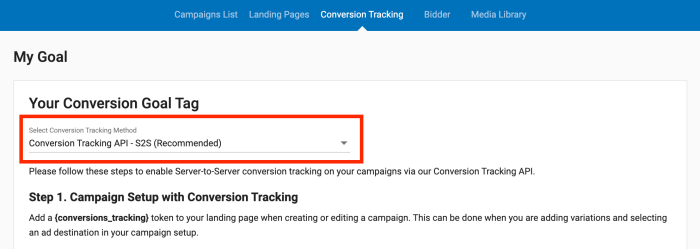
Conversion tracking makes tracking your ROI easy, offering a straightforward approach to understanding the return on your marketing investments. It’s more than just website visits; it’s about pinpointing which actions lead to tangible results, from purchases to lead generation. This in-depth guide explores the core concepts, practical applications, and essential strategies for leveraging conversion tracking to optimize your ROI across various business models, from e-commerce to service-based businesses.
We’ll delve into the different types of conversions you can track, the direct link between conversion tracking and ROI, and how to use data analysis to identify areas for improvement. We’ll cover best practices, tools, and even look ahead to future trends. Get ready to unlock the full potential of your marketing efforts!
Defining Conversion Tracking
Conversion tracking is a crucial element of any online business, providing valuable insights into the effectiveness of marketing campaigns and website strategies. It goes beyond basic website analytics, focusing specifically on actions that directly contribute to achieving business goals. This detailed look at conversion tracking will clarify its purpose, types, and how it differs from standard website analysis.Conversion tracking, at its core, measures the specific actions users take on a website that represent a desired outcome.
These actions are defined as “conversions,” and they can vary significantly depending on the business objectives. For instance, a retail website might track purchases as conversions, while a software company might focus on lead generation or sign-ups.
Conversion Types
Understanding the various types of conversions is vital for establishing accurate tracking strategies. Conversions encompass a broad range of actions, from simple interactions to complex transactions. For instance, a conversion might involve a user filling out a contact form, downloading a resource, making a purchase, or signing up for a newsletter. These actions all contribute to achieving business objectives, making them key metrics for evaluating marketing performance.
Conversion Tracking vs. General Website Analytics
While both conversion tracking and general website analytics utilize data from user interactions, their focuses differ significantly. General website analytics provide a broad overview of website traffic, user behavior, and engagement. Conversion tracking, on the other hand, drills down to the specific actions that lead to desired outcomes, such as sales, leads, or registrations. This focused approach allows for a deeper understanding of campaign ROI and user journeys.
Conversion Tracking Methods
Various methods exist for tracking conversions, each with its strengths and limitations. A comparative analysis of common methods will highlight the advantages and disadvantages of each approach.
Conversion tracking makes tracking your ROI a breeze. It’s all about efficiency, and a well-structured system is key. Implementing the right systems, like those discussed in the insightful article on the revolutionary impact of systems on your SEO business , can significantly boost your overall performance. Ultimately, these systems, when combined with solid conversion tracking, empower you to optimize your marketing efforts and maximize your return on investment.
| Method | Description | Strengths | Weaknesses |
|---|---|---|---|
| Google Analytics | A comprehensive platform for website analytics, including conversion tracking. | Extensive data collection, detailed reporting, and integration with other Google services. | Requires some technical setup, and data can be complex to interpret. |
| UTM Parameters | Used to track traffic sources and campaigns. | Simple implementation, useful for campaign analysis, and integrates well with other marketing tools. | Limited in scope, may not be suitable for complex tracking needs. |
| Custom Events | Allows for tracking specific user interactions that aren’t standard conversions. | Highly customizable, tracks unique user behaviors. | Requires more technical expertise to implement and can be complex to manage. |
| Conversion Pixels | Code snippets placed on websites to track specific conversions. | Precise tracking of conversions, often tied to specific marketing campaigns. | Can become cumbersome with numerous pixels, and requires ongoing maintenance. |
The Link Between Conversion Tracking and ROI
Conversion tracking isn’t just about counting clicks; it’s the key to understanding the true return on your investment. By meticulously monitoring user interactions and actions leading to conversions, you gain invaluable insights into the effectiveness of your marketing efforts. This data, when properly analyzed, directly translates into actionable strategies to optimize your ROI.Conversion tracking provides a direct line of sight into how your marketing spend is performing.
It’s not just about the number of visitors, but about the specific actions that translate into tangible results. Whether it’s a completed purchase, a form submission, or a phone call, each conversion represents a step closer to achieving your business objectives. The clearer the picture of these conversions, the better you can adjust your strategy to maximize profitability.
Direct Relationship Between Conversion Tracking and ROI
Conversion tracking directly impacts ROI by providing the data necessary to calculate it accurately. Every conversion represents a measurable result from your marketing investments. By understanding the cost of acquiring each conversion, you can pinpoint profitable strategies and eliminate those that aren’t performing as expected. This direct link allows you to allocate resources more effectively and see a more immediate return on investment.
Examples of Using Conversion Tracking Data to Measure ROI
Imagine an e-commerce company running a social media campaign. Conversion tracking reveals that 100 users clicked through to the website from the campaign ads, and 20 of those users made a purchase. This data, coupled with the cost of the campaign, allows the company to calculate the ROI. Another example: A SaaS company tracks conversions from free trials to paid subscriptions.
This data allows them to measure the effectiveness of their onboarding process and adjust it to improve conversion rates.
Improving Conversion Rates Using Tracking Data
Conversion tracking isn’t just about measuring ROI; it’s a powerful tool for optimization. The data collected allows you to identify areas for improvement in your marketing funnels. For example, if the tracking shows a high bounce rate on a specific landing page, it signals a need for a redesign or content adjustments. Similarly, if the tracking shows low conversion rates for a specific product, it might indicate a need for better product descriptions or improved pricing strategies.
Analyzing conversion tracking data allows for the identification of bottlenecks and roadblocks in the customer journey.
Calculating ROI Using Conversion Tracking Metrics
Understanding how to calculate ROI using conversion tracking metrics is crucial for maximizing your marketing efforts. The following table Artikels the steps to calculate ROI.
| Step | Action | Formula | Example |
|---|---|---|---|
| 1 | Determine the total cost of the marketing campaign. | Total Campaign Cost | $5,000 |
| 2 | Identify the total number of conversions generated from the campaign. | Total Conversions | 100 |
| 3 | Calculate the revenue generated from each conversion. | Revenue Per Conversion | $50 |
| 4 | Calculate the total revenue generated from the campaign. | Total Revenue = Total Conversions
|
$100 – $50 = $5,000 |
| 5 | Calculate the Return on Investment (ROI). | ROI = ((Total Revenue – Total Campaign Cost) / Total Campaign Cost) – 100 | (($5,000 – $5,000) / $5,000) – 100 = 0% |
ROI = ((Total Revenue – Total Campaign Cost) / Total Campaign Cost) – 100
Note: The example in the table shows a 0% ROI. Real-world scenarios will often yield different results. The key is using the data to make informed decisions about your marketing strategies.
Tracking ROI in Different Business Models
Conversion tracking isn’t just about counting clicks; it’s a crucial tool for understanding the true return on investment (ROI) across various business models. By meticulously measuring actions that lead to revenue, businesses can pinpoint which strategies are most effective and where to allocate resources for optimal profitability. This deep dive into ROI measurement will cover how conversion tracking applies to e-commerce, lead generation, and service-based businesses.Understanding how conversion tracking impacts ROI across different business models is essential for strategic decision-making.
A clear picture of the financial impact of marketing campaigns, website changes, and sales processes allows businesses to make data-driven adjustments and optimize their efforts for maximum profit.
E-commerce Businesses
Conversion tracking is paramount for e-commerce businesses, allowing them to monitor every step a customer takes from initial website visit to final purchase. This detailed tracking enables a granular view of the customer journey. Key metrics include the number of visitors, add-to-cart rates, cart abandonment rates, and conversion rates. Analyzing these metrics reveals bottlenecks in the sales funnel and areas needing improvement.
For example, a high cart abandonment rate might signal a need for clearer shipping costs or more streamlined checkout procedures. Conversion tracking also helps to understand which marketing channels drive the most valuable customers and purchases.
Lead Generation Businesses
Lead generation businesses use conversion tracking to measure the effectiveness of their efforts in acquiring potential customers. Instead of focusing on immediate sales, these businesses track qualified leads, such as form submissions, newsletter sign-ups, or requests for information. Conversion tracking helps determine which marketing channels and content are most effective in generating leads. This allows for resource allocation to the strategies that yield the best results.
For example, if a particular email campaign results in a high number of qualified leads, the business can invest more resources in similar campaigns.
Service-Based Businesses
Conversion tracking for service-based businesses, like consulting firms or marketing agencies, differs slightly from e-commerce and lead generation. Here, conversions often represent inquiries, consultations, or project proposals. Key metrics include the number of inquiries, conversion rates from inquiry to consultation, and the conversion rate from consultation to project engagement. Tracking this data provides insights into the efficiency of sales and marketing processes, allowing for optimization.
For instance, a low conversion rate from inquiry to consultation might suggest a need to refine the initial communication strategy.
Comparison of Business Models
| Business Model | Conversion Actions | Key Metrics | ROI Optimization Strategies |
|---|---|---|---|
| E-commerce | Purchase, Add to Cart, View Product | Conversion rate, Average order value, Customer lifetime value | Optimize checkout process, improve product descriptions, run targeted ads |
| Lead Generation | Form submission, Downloadable content, Newsletter signup | Lead generation rate, Lead quality score, Cost per lead | Refine content marketing, improve landing pages, target specific demographics |
| Service-Based | Inquiry, Consultation, Project Engagement | Conversion rate, Average project value, Customer lifetime value | Optimize initial communication, improve sales process, target ideal clients |
Conversion Tracking Best Practices
Conversion tracking is more than just a tool; it’s a critical component for optimizing your marketing efforts. By meticulously tracking user interactions and measuring their impact on desired outcomes, you gain invaluable insights into campaign effectiveness and can fine-tune your strategies for maximum ROI. Understanding these best practices will empower you to implement a robust conversion tracking system that delivers accurate and actionable data.Effective conversion tracking goes beyond simply installing a tag.
It demands a strategic approach to defining conversions, selecting the right tools, and analyzing the results. This meticulous process ensures that every marketing dollar is allocated wisely and contributes to your overall business goals.
Conversion tracking simplifies ROI calculation, making it a breeze to understand your return on investment. But to truly maximize your online presence, you need strong strategies like medical SEO. Implementing strategies like those found in boost online presence with medical seo strategies will help you reach a wider audience, ultimately improving your conversions and making your ROI even clearer.
In the end, robust conversion tracking provides a crystal-clear picture of your financial performance.
Implementing Conversion Tracking on a Website
Conversion tracking requires careful planning and implementation to ensure accuracy and efficiency. The process begins with defining clear conversion goals, which should align with your business objectives. These goals could range from completing a purchase to signing up for a newsletter or requesting a quote. Defining these specific goals will be critical to measuring the impact of your campaigns.
The more precisely you define the desired actions, the more accurate your tracking will be. A crucial aspect is selecting the right tools and platforms that integrate seamlessly with your website and marketing automation software.
Setting Up Effective Conversion Tracking Tags
Setting up conversion tracking tags is a crucial step in the process. Choosing the right platform and implementing the tags correctly is paramount. The most common methods involve using tools like Google Analytics, which offers comprehensive tracking capabilities. Ensuring proper implementation is key; errors in tag placement or configuration can lead to inaccurate data. Testing the tags thoroughly to confirm their proper function is vital to avoid inaccurate data analysis.
Measuring the Success of Marketing Campaigns
Analyzing the data collected from conversion tracking allows for detailed campaign performance assessments. Use dashboards and reports to identify successful marketing campaigns and areas for improvement. This data-driven approach enables the identification of which channels are driving the most conversions and which campaigns are underperforming. Key metrics to consider include conversion rates, cost per conversion, and return on ad spend (ROAS).
Analyzing these metrics allows for informed decisions about optimizing your campaigns for maximum effectiveness.
Common Conversion Tracking Mistakes to Avoid
Defining the scope of your tracking is crucial. Avoid ambiguity in defining your goals. A vague definition of a conversion can result in inaccurate tracking data and lead to misinterpretations. Ensure the tracking is comprehensive and encompasses all relevant channels. Incomplete tracking can result in an incomplete view of the customer journey.
It is also crucial to avoid data silos; ensure all data points are consolidated for a comprehensive view. Another important point is to ensure that the conversion tracking tags are properly implemented and tested. A lack of testing can result in inaccuracies. Inaccurate tracking data can lead to incorrect conclusions about the effectiveness of marketing campaigns.
Conversion tracking simplifies ROI calculation, making it a breeze to monitor your marketing effectiveness. However, with Google’s AI-driven algorithm updates, like the recent Google AI overview organic ranking overlap drop core update, organic search rankings are constantly shifting. Fortunately, robust conversion tracking still provides crucial data to understand your ROI, even amidst these algorithm changes.
It’s essential for continued success.
Finally, avoid a lack of regular monitoring and review of your conversion tracking data. Failing to regularly review the data can lead to missing opportunities for optimization and improvement.
- Ambiguous Conversion Definitions: Clearly defining what constitutes a conversion is essential for accurate tracking. Vague definitions lead to inaccurate data and misinterpretations.
- Incomplete Tracking: Ensure your tracking covers all relevant channels and touchpoints in the customer journey. Missing data points lead to an incomplete picture of campaign effectiveness.
- Data Silos: Integrate your data sources for a holistic view of customer behavior. Avoid data silos, which hinder a comprehensive understanding of conversion patterns.
- Untested Tags: Thoroughly test the conversion tracking tags to ensure proper functioning and avoid inaccurate data. Errors in implementation can result in unreliable data analysis.
- Lack of Monitoring: Regularly review your conversion tracking data to identify areas for optimization. Ignoring data analysis results in missed opportunities for campaign improvement.
Optimizing Conversions Through Data Analysis
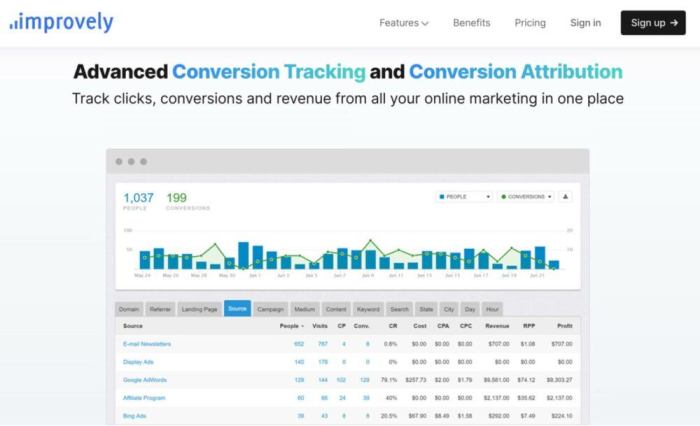
Conversion tracking data isn’t just a collection of numbers; it’s a treasure trove of insights waiting to be unearthed. By diligently analyzing this data, businesses can pinpoint areas needing improvement, optimize underperforming pages, and ultimately drive higher conversion rates. This detailed exploration will delve into methods for extracting valuable information from conversion tracking, enabling smarter marketing strategies and more effective budget allocation.Understanding the nuances of user behavior is paramount in optimizing conversion rates.
By meticulously examining data, businesses can gain actionable insights into the customer journey and tailor their approaches to meet specific needs. This data-driven approach not only enhances the user experience but also increases the likelihood of successful conversions.
Analyzing Conversion Tracking Data for Improvement
Conversion tracking data provides a comprehensive view of user interactions. This data, when meticulously analyzed, can reveal bottlenecks in the conversion funnel, highlighting areas where users are dropping off. By pinpointing these drop-off points, businesses can focus their efforts on improving the user experience and reducing friction at those critical junctures.
Identifying Underperforming Pages and Optimizing Them
Identifying underperforming pages is crucial for effective optimization. Tools within analytics platforms can highlight web pages with low conversion rates, allowing businesses to investigate the reasons behind this performance. These insights often point to areas requiring improvement, such as poor content, confusing navigation, or ineffective calls-to-action (CTAs). By addressing these issues, businesses can significantly boost conversion rates.
- Comprehensive Website Audits: Regular website audits, using tools like Google Analytics, can identify pages underperforming in conversion rates. These audits should meticulously examine elements like page load speed, mobile responsiveness, and user-friendliness. By pinpointing specific issues, businesses can focus their optimization efforts on the most critical areas.
- A/B Testing: A/B testing is a powerful technique for optimizing page elements. By creating variations of web pages (e.g., different headlines, CTAs, or layouts), businesses can track which version performs better. This data-driven approach ensures that the most effective elements are implemented, maximizing conversion rates.
- User Experience (UX) Assessments: Analyzing user behavior through heatmaps and session recordings can pinpoint areas where users struggle or get confused. These insights can help identify design flaws or confusing navigation that are preventing conversions. Improving the user experience, based on these observations, is a cornerstone of conversion optimization.
Segmenting Data to Understand User Behavior
Segmenting conversion tracking data allows businesses to drill down into specific user groups. This granular view provides invaluable insights into the behavior of different user segments. Understanding how different user groups interact with web pages helps tailor content and marketing strategies to resonate with their specific needs and preferences.
- Demographic Segmentation: Dividing users based on demographics like age, location, or gender provides insights into preferences. This information can be leveraged to personalize marketing messages and optimize content for specific demographics, increasing conversion rates.
- Behavioral Segmentation: Grouping users based on their actions, such as browsing history or purchase patterns, offers a more nuanced understanding of user behavior. By segmenting users according to their behavior, businesses can better understand what motivates each segment and adjust their approach accordingly.
- Source Segmentation: Analyzing where users are coming from (e.g., organic search, social media, paid advertising) reveals which channels are most effective. This allows for more targeted marketing campaigns by focusing on high-performing channels and optimizing campaigns on underperforming channels.
Refining Marketing Strategies and Allocating Budgets
Conversion tracking data enables businesses to refine their marketing strategies and allocate budgets more effectively. This data helps to understand which marketing campaigns are generating the most conversions and which channels are delivering the best ROI. This analysis allows for adjustments in campaign strategies and budget allocation, leading to a more effective and efficient marketing approach.
- Campaign Performance Analysis: Tracking campaign performance metrics helps identify which marketing campaigns are driving the most conversions. By analyzing these metrics, businesses can identify high-performing campaigns and allocate more resources to them.
- Channel Optimization: Conversion tracking data helps determine the most effective marketing channels for reaching target audiences. By understanding which channels are driving the highest conversion rates, businesses can allocate their budgets strategically to maximize ROI.
- Budget Reallocation: Conversion tracking data provides evidence for budget reallocation. Identifying low-performing campaigns or channels allows businesses to shift funds to more effective strategies, ensuring optimal ROI.
Tools and Technologies for Conversion Tracking
Choosing the right tools for conversion tracking is crucial for maximizing ROI. Different tools cater to various business needs and scales, from small startups to large enterprises. Selecting a tool that aligns with your business model and data volume ensures efficient tracking and actionable insights. Understanding the capabilities and limitations of each tool is essential for making informed decisions.
Popular Conversion Tracking Tools
A range of tools offer conversion tracking capabilities, each with its own strengths and weaknesses. Selecting the appropriate tool depends on your specific needs, budget, and technical expertise. Key factors to consider include the ease of integration with your existing platforms, the depth of reporting features, and the cost of subscription or licensing.
- Google Analytics 4 (GA4): GA4 is a powerful and versatile platform offering comprehensive data collection and analysis. It provides detailed insights into user behavior, allowing you to track conversions across various channels. GA4’s flexibility enables integration with other Google products, such as Ads and Tag Manager, streamlining your workflow and improving efficiency. A significant benefit is the real-time data tracking, allowing you to react quickly to changes in user behavior and optimize campaigns in real-time.
It is particularly well-suited for businesses with a large volume of data and a need for advanced analytics.
- Google Tag Manager (GTM): GTM simplifies the process of implementing and managing tags and tracking codes on your website. This tool allows for easy updates to your tracking without needing to modify the website’s code directly. This reduces errors and ensures seamless tracking across different platforms and campaigns. The ability to manage multiple tags and tracking codes in one place enhances efficiency and minimizes errors in the tracking process.
This tool is highly recommended for businesses looking to optimize their tracking infrastructure and ensure data accuracy.
- Facebook Pixel: The Facebook Pixel is designed for tracking conversions on Facebook and Instagram ads. It enables you to measure the effectiveness of your social media campaigns, track website visitors who engage with your ads, and optimize ad spend for maximum results. The pixel allows you to understand user behavior on your website after interacting with your ads. This tool is ideal for businesses relying heavily on social media advertising for conversions.
- Hotjar: Hotjar provides detailed heatmaps and recordings of user behavior on your website. This tool allows you to visualize how users interact with your website, identifying areas of friction and improving user experience. It allows you to understand user journeys and improve website navigation, directly leading to enhanced conversions. This is valuable for businesses seeking to understand user behavior and optimize website design.
Integration Process
The integration process varies depending on the chosen tool. Each tool has its own documentation and support resources. The complexity of integration depends on the tool’s features and your website’s technical infrastructure. Following the tool’s specific instructions and using available support resources is crucial to a successful integration.

- Google Analytics 4 (GA4) and Google Tag Manager (GTM): GA4 and GTM are often used together. The integration involves setting up the GA4 tracking code within GTM and configuring tags for different conversions. This ensures efficient tracking of website data. The integration process is typically straightforward and well-documented.
- Facebook Pixel and Google Tag Manager (GTM): Similar to GA4, the Facebook Pixel can be easily implemented using GTM. This allows you to efficiently manage your tracking code and ensure accurate data collection for Facebook ad campaigns. The integration process is well-documented and supported by both platforms.
Choosing the Right Conversion Tracking Tools
The ideal conversion tracking tool depends on your business’s specific needs. Factors to consider include the type of conversions you want to track, your budget, and the technical resources available. A thorough assessment of your business goals and objectives is crucial.
“The best conversion tracking tool isn’t about the most features, but about the most accurate and relevant data for your specific business needs.”
- Small Businesses: Simple tools like Google Analytics 4 (GA4) and Facebook Pixel are sufficient. These tools provide comprehensive tracking capabilities at a reasonable price point, making them suitable for startups or small enterprises.
- Large Enterprises: More advanced tools with comprehensive reporting and analysis features might be necessary for large enterprises with complex business models. These tools can handle large volumes of data and provide in-depth insights. Examples include tools with sophisticated segmentation and reporting capabilities.
Illustrative Case Studies
Conversion tracking isn’t just a buzzword; it’s a powerful tool for businesses looking to optimize their return on investment (ROI). Real-world examples demonstrate how meticulous tracking and data analysis can lead to significant improvements in profitability. Understanding these case studies can provide valuable insights into how to apply similar strategies in your own business.By examining successful implementations of conversion tracking, businesses can identify areas where they can improve their own strategies, implement necessary adjustments, and ultimately boost their ROI.
These examples showcase the tangible benefits of this data-driven approach to marketing and sales.
A Fictional E-commerce Success Story
The online clothing retailer “StyleSpark” struggled with a low conversion rate despite significant traffic. They decided to implement a comprehensive conversion tracking strategy, meticulously monitoring user behavior across their website.
Identification of Improvement Areas
StyleSpark’s analysis revealed several key areas for improvement. First, they noticed a high bounce rate on the product detail pages. Second, the checkout process was overly complex, deterring potential customers. Finally, the abandoned cart rate was alarmingly high. This detailed breakdown highlighted specific weaknesses in their online experience.
Implementation of Strategies
To address the high bounce rate, StyleSpark simplified the product detail pages, incorporating high-quality images and concise product descriptions. They streamlined the checkout process, reducing the number of steps and adding a one-click payment option. To combat the high abandoned cart rate, they implemented a personalized email campaign reminding customers of items left in their carts. These changes were carefully tested and implemented incrementally.
Positive Impact on ROI
These strategic changes resulted in a 20% increase in conversion rates within three months. The improved checkout process alone contributed to a 15% reduction in abandoned carts. Consequently, StyleSpark saw a 12% increase in overall revenue. This quantifiable data demonstrated the positive impact of conversion tracking.
Specific Strategies and Impact
The detailed analysis from conversion tracking played a crucial role in determining which strategies would yield the best results. This data-driven approach allowed StyleSpark to focus their efforts on the most impactful areas, resulting in a substantial improvement in ROI. The simplification of the checkout process, for example, demonstrated a direct impact on the conversion rate, proving that conversion tracking is more than just a metric; it’s a tool for actionable improvements.
Conversion Tracking for Mobile and Other Platforms
Conversion tracking isn’t just about websites anymore. In today’s multi-platform world, businesses need a unified strategy that encompasses mobile apps, social media campaigns, and even email marketing. Understanding how to track conversions across these different touchpoints is crucial for maximizing ROI and ensuring your marketing efforts are truly effective. This involves more than simply adapting existing web tracking; it requires a holistic approach to data collection and analysis.Conversion tracking across platforms isn’t just about collecting data; it’s about understanding the customer journey.
A seamless experience across all touchpoints leads to better customer engagement, higher conversion rates, and ultimately, greater profitability. It’s about recognizing that a user might discover your brand on a mobile app, research on a desktop website, and complete a purchase on a tablet. A robust conversion tracking strategy accounts for this fluidity and connects the dots.
Mobile App Conversion Tracking Strategies
Mobile app conversion tracking requires specific methods, differing from website tracking. This is due to the distinct architecture and user interactions within apps. Tracking installs, in-app purchases, app usage, and other key metrics is essential to understanding user behavior within the app ecosystem. The focus should be on quantifying the impact of app features and marketing campaigns on user engagement and in-app actions.
Website Conversion Tracking Strategies
Websites continue to be a primary source of lead generation and sales. Conversion tracking on websites needs to be robust to capture conversions across various stages of the customer journey, from initial website visits to completed purchases. This typically involves tracking page views, form submissions, email sign-ups, and more. A crucial aspect is integrating tracking with CRM systems to gain a complete view of the customer lifecycle.
Cross-Platform Conversion Tracking
A unified approach is essential for a comprehensive understanding of the entire customer journey. Tracking across platforms means gathering data from all channels and combining it to create a single, unified view of customer behavior. This holistic perspective is critical to evaluating the effectiveness of marketing campaigns across all platforms. This allows businesses to identify which channels are most effective at driving conversions and optimize marketing spend accordingly.
Similarities and Differences in Conversion Tracking Across Channels
While the specific methods may differ, the fundamental principles of conversion tracking remain consistent across various channels. Each platform presents unique challenges and opportunities, but the goal remains the same: to attribute conversions accurately and optimize marketing efforts. A key similarity is the need for clear definitions of what constitutes a conversion for each platform. Differences arise in the technologies used for tracking, the data points collected, and the analysis required to extract actionable insights.
Importance of a Unified Conversion Tracking Strategy
A unified conversion tracking strategy is essential for a holistic view of the customer journey. It allows businesses to understand how users interact with their brand across all platforms. A unified strategy provides a single source of truth for all conversion data, enabling data-driven decisions and optimized marketing efforts. This unified approach allows for a complete understanding of the customer’s interactions, from initial awareness to final conversion.
By understanding the full customer journey, businesses can tailor their marketing messages and improve the customer experience.
Future Trends in Conversion Tracking: Conversion Tracking Makes Tracking Your Roi Easy
Conversion tracking is constantly evolving, driven by technological advancements and changing business needs. As businesses increasingly rely on data-driven decisions, the sophistication of conversion tracking will continue to grow. The future of conversion tracking will be characterized by greater integration with other business functions, increased personalization, and a focus on predictive analytics. Understanding these trends is critical for businesses looking to optimize their marketing efforts and stay ahead of the curve.
Emerging Technologies in Conversion Tracking, Conversion tracking makes tracking your roi easy
The field is witnessing a surge in innovative technologies. Machine learning algorithms are becoming more prevalent, allowing for more accurate predictions of user behavior and personalized experiences. Real-time bidding and dynamic pricing strategies are becoming integrated into conversion tracking, allowing for rapid adaptation to market changes. These technological advancements are not just theoretical; they’re already impacting businesses today.
For example, e-commerce platforms are using machine learning to personalize product recommendations and optimize pricing strategies, leading to higher conversion rates. Furthermore, advancements in AI are enabling more sophisticated analysis of user data, providing deeper insights into customer behavior and driving targeted marketing campaigns.
Impact on Business and Conversion Optimization
These emerging technologies will profoundly impact how businesses operate and optimize their conversion strategies. Real-time data analysis will allow businesses to respond to market fluctuations more quickly, leading to more agile marketing campaigns. Personalized experiences will drive higher engagement and conversion rates by tailoring interactions to individual customer needs. Predictive analytics will enable businesses to anticipate customer needs and preferences, paving the way for proactive marketing efforts.
For instance, a retail company might use predictive analytics to anticipate customer demand for specific products based on past purchase patterns, enabling proactive inventory management and marketing campaigns.
Evolution of Conversion Tracking
Conversion tracking will shift from a simple measurement of website interactions to a comprehensive understanding of the entire customer journey. This will include analyzing interactions across multiple touchpoints, from social media engagement to email marketing campaigns. By tracking the entire customer journey, businesses can identify key pain points and areas for improvement in the customer experience. This holistic approach will enable a more accurate assessment of return on investment (ROI) across all marketing channels.
For example, a travel company might track a customer’s journey from social media advertisement to booking a flight and hotel, providing a comprehensive understanding of the conversion process.
Preparing for the Future
Businesses need to proactively adapt to these changes. Investing in data analytics expertise is crucial to leveraging the insights provided by advanced technologies. Implementing robust data management systems is essential for storing and processing the increasing volume of data. Finally, businesses should focus on building a culture of data-driven decision-making, ensuring that data insights are integrated into all aspects of the business.
By proactively addressing these factors, businesses can successfully navigate the evolving landscape of conversion tracking and maintain a competitive edge. For example, a company might hire data scientists to interpret the vast amounts of data being collected or invest in advanced data warehousing systems.
Final Review
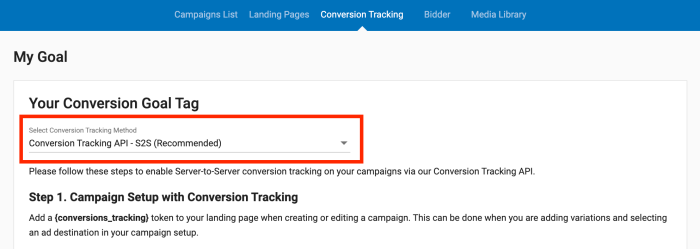
In conclusion, mastering conversion tracking is key to maximizing your ROI. By understanding the various types of conversions, their relationship to ROI, and employing best practices, you can gain valuable insights into your marketing effectiveness. The tools and strategies discussed will help you refine your marketing strategies, allocate budgets more effectively, and ultimately drive profitable growth. Remember, consistent monitoring and analysis of your conversion tracking data are crucial for staying ahead of the curve and achieving optimal ROI.