A guide to web design pricing how much does web design cost? This comprehensive guide dives deep into the often-confusing world of web design costs. From understanding the factors that influence pricing to navigating different pricing models, we’ll equip you with the knowledge to make informed decisions about your website project. We’ll explore everything from basic websites to complex e-commerce platforms, providing realistic expectations and helping you avoid costly pitfalls.
This exploration will cover various aspects of web design pricing, including the different types of services, the impact of project scope and complexity, and the pros and cons of different pricing models. We’ll also walk you through establishing a realistic budget, negotiating prices effectively, and understanding the breakdown of web design costs. By the end, you’ll be equipped with the knowledge to confidently approach your web design project, knowing exactly what to expect and how to get the best value for your investment.
Introduction to Web Design Pricing
Understanding the cost of web design is crucial for any business or individual embarking on a digital presence. This isn’t just about choosing a pretty website; it’s about aligning your budget with your needs and expectations. Factors like project scope, desired features, and the designer’s experience all play a role in determining the final price tag. This guide will break down the key elements to help you navigate the world of web design pricing.The cost of web design isn’t a fixed amount.
Figuring out web design pricing can be tricky, right? Knowing how much a website costs depends on many factors. While a guide to web design pricing can help you understand the scope of costs, you also need to consider other marketing avenues. For example, exploring targeted advertising options like Snapchat ads for business can complement your website and reach a different audience.
Ultimately, a solid understanding of your budget and target market is key to any successful web design project, so having a good grasp of pricing is crucial.
It’s a dynamic figure shaped by numerous variables. From the complexity of the design to the expertise of the designer, various factors influence the final price. Knowing these elements will empower you to make informed decisions and avoid costly surprises.
Factors Influencing Web Design Costs
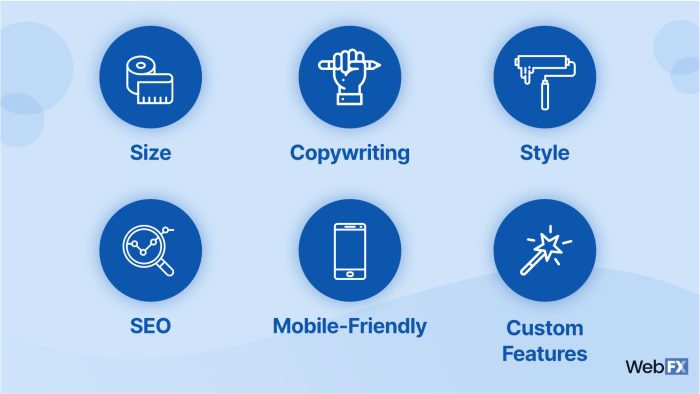
Several key factors contribute to the total cost of a web design project. These factors range from the complexity of the project to the expertise required. The more intricate the design, the more time and resources are required, thus affecting the cost.
- Project Scope: The extent of the project significantly impacts the cost. A simple landing page will cost less than a fully functional e-commerce website with inventory management, complex integrations, and multiple pages.
- Desired Features: Sophisticated features like custom integrations, dynamic content management systems (CMS), or advanced e-commerce functionalities increase the project’s complexity and, consequently, the cost.
- Designer Expertise: Experienced web designers with a proven track record of successful projects typically charge higher rates. Their knowledge and skills translate into a higher quality product and often faster project timelines.
- Design Style: A unique and custom design approach may require more time and resources, leading to a higher cost compared to a more standardized design template.
- Content Creation: The amount of content to be developed, including writing, photography, and videography, significantly influences the overall project cost. If extensive content creation is needed, this adds to the project timeline and costs.
- Maintenance and Support: The ongoing maintenance and support required after the website launch are often overlooked but crucial aspects to consider in the overall budget. Websites require regular updates, security patches, and potential bug fixes. These services can be bundled into a package or offered separately, affecting the final cost.
Types of Web Design Services and Price Ranges
Web design encompasses various services, each with its own price range. Understanding these service types will help you tailor your project to fit your budget.
- Basic Website Design: This usually involves a pre-designed template with minimal customization. Pricing typically falls between $500 and $2,000, depending on the complexity and features.
- Standard Website Design: This involves a more customized template, potentially including some custom design elements and basic functionality. Prices range from $2,000 to $5,000.
- Premium Website Design: This option often includes a completely custom design, complex integrations, advanced features, and a personalized user experience. Expect prices exceeding $5,000, with significant variations depending on the project’s scope.
Importance of Understanding Web Design Pricing
Before embarking on a web design project, thoroughly researching and understanding the pricing structure is vital. This proactive approach ensures you’re making informed decisions and avoid potential budget overruns.
So, you’re diving into web design pricing? Figuring out how much a website costs can be tricky, right? It depends on so many factors, from the complexity of the design to the specific features you need. Meanwhile, have you considered the impact of visuals in your Amazon advertising? For instance, how does the performance of brand-generated images compare to those from stock sites like Shutterstock?
This article dives deep into that topic, exploring the performance differences. amazon advertising performance difference between brand generated images and shutterstock Ultimately, knowing the costs and factors influencing web design will help you make informed decisions when building your site, no matter the approach you choose.
- Budget Allocation: Knowing the expected costs helps in allocating resources effectively and avoiding budget surprises.
- Realistic Expectations: Understanding the price range allows you to set realistic expectations regarding the features and functionality your budget can support.
- Effective Communication: A clear understanding of pricing facilitates effective communication with the web designer about project scope and deliverables.
Web Design Packages
The following table presents a comparative overview of various web design packages.
| Package | Features | Estimated Costs | Project Timelines |
|---|---|---|---|
| Basic | Basic template, minimal customization, basic functionalities | $500 – $2,000 | 2-4 weeks |
| Standard | Customizable template, basic custom design elements, e-commerce (basic), contact forms | $2,000 – $5,000 | 4-8 weeks |
| Premium | Custom design, advanced functionalities, e-commerce (advanced), custom integrations, complex CMS | $5,000+ | 8+ weeks |
Factors Affecting Web Design Costs
Understanding web design pricing goes beyond just the hourly rate. Numerous factors influence the final cost, from the scope of the project to the complexity of the design and functionalities. This section delves into these crucial elements to help you get a clearer picture of what to expect when embarking on a web design journey.The cost of a website is not a fixed amount; it’s a dynamic equation.
Different factors play a significant role in shaping the price. Careful consideration of these elements will empower you to make informed decisions and avoid unpleasant surprises during the project lifecycle.
Project Scope
Project scope dictates the overall ambition of the website. A simple landing page for a small business will have a much lower price tag than a comprehensive e-commerce platform with complex features. The larger the scope, encompassing more pages, intricate functionalities, and customized features, the higher the associated costs will be. Consider the number of pages needed, the integration of various platforms (like social media), and the overall complexity of the project when evaluating the scope.
For example, a blog with a contact form and basic features will cost less than a multi-user platform with sophisticated membership options and an extensive content management system.
Design Complexity
The visual design significantly impacts the cost. A simple, minimalist design requires less time and effort compared to a highly customized and elaborate design with unique animations, intricate layouts, and interactive elements. The design’s complexity directly correlates with the design team’s hours needed to conceptualize, develop, and implement the visual aesthetic.
Website Functionalities
Different functionalities demand varying levels of technical expertise and development time. Basic websites, such as informational sites or portfolios, have lower costs compared to e-commerce sites, membership platforms, or social media integration websites. The addition of features like online stores, shopping carts, user accounts, or membership levels will significantly increase the overall development cost.
Development Stages Costs
The cost breakdown across different development stages can provide a more comprehensive understanding of the pricing structure.
| Development Stage | Typical Cost Breakdown (Approximate Percentage) |
|---|---|
| Planning | 10-15% |
| Design | 20-30% |
| Development | 40-50% |
| Testing | 5-10% |
| Launch & Maintenance | 5-15% |
Note: These percentages are approximations and can vary depending on the project’s specific requirements and complexity.
Different Web Design Pricing Models
Choosing the right pricing model is crucial for web designers and clients alike. It impacts not only the initial project cost but also the long-term relationship and the overall success of the project. Understanding the different models available allows for informed decisions and potentially avoids misunderstandings down the line.Different models offer varying degrees of flexibility and control, making it essential to match the model to the specific project requirements.
This section will delve into the most common models, their advantages, disadvantages, and impact on the overall cost of your web design project.
Hourly Rates
Hourly rates offer a degree of flexibility for projects with undefined scope. This model works well for smaller, straightforward tasks or for projects where the exact timeline and deliverables are not initially clear. Clients have a better understanding of the cost per hour for the designer’s time.
- Advantages: Hourly rates are adaptable to evolving project needs. This allows for a degree of control and transparency in the project’s progression, as clients can track the time spent on different tasks. It is particularly beneficial for projects with unforeseen complications that may need extra time or effort.
- Disadvantages: The biggest drawback is the potential for cost overruns if the project takes longer than anticipated. This model can also lack transparency if the scope of work is not clearly defined upfront. Clients may not always have a clear understanding of the value they are receiving for each hour spent. The client bears the responsibility of managing the time spent and ensuring it remains within budget.
Project-Based Pricing
Project-based pricing is a common model for web design projects with a clearly defined scope. This model provides a fixed price for the entire project, including design, development, and launch. This clarity is attractive to clients and often leads to a more predictable budget.
- Advantages: This model provides a clear and fixed price, minimizing the risk of cost overruns. The client knows the total cost upfront, reducing uncertainty. The fixed price can motivate the designer to complete the project efficiently, as their compensation is fixed.
- Disadvantages: Defining the exact scope of the project upfront can be challenging, and this may not always account for unforeseen complications or changes. If the scope of the project expands, there’s a risk that the fixed price may not reflect the additional work required.
Retainer Models
Retainer models involve a recurring fee paid on a monthly basis. This model is suitable for ongoing projects or projects needing ongoing maintenance and updates. It is commonly used for businesses that need regular website updates or for those who require ongoing support.
- Advantages: This model provides a predictable and ongoing relationship between the client and designer. It’s beneficial for companies needing consistent website updates, maintenance, or ongoing support. This allows for a consistent flow of work and a more predictable budget.
- Disadvantages: The ongoing fee can be a significant expense for clients. It’s essential to establish clear expectations about the services included in the retainer fee to avoid misunderstandings.
Pricing Model Comparison
| Pricing Model | Transparency | Flexibility | Control |
|---|---|---|---|
| Hourly Rates | Moderate | High | Client |
| Project-Based Pricing | High | Low | Designer |
| Retainer Models | Moderate to High | Moderate | Shared |
Fixed-price projects often lead to more clearly defined expectations, whereas hourly models can be more adaptable to changes but carry a greater risk of exceeding the initial budget.
Determining a Realistic Budget for Your Website
Figuring out a website budget isn’t about throwing numbers at a wall and hoping something sticks. It’s a strategic process that involves understanding your needs, setting realistic expectations, and making informed decisions about your project’s scope. This guide helps you navigate the often-complex world of web design pricing and ensures you’re building a website that aligns with your financial resources and business goals.A realistic budget isn’t just a number; it’s a reflection of the value you’re seeking from your website.
It needs to cover all the essential components from design and development to hosting and ongoing maintenance. Understanding the interplay of features, platforms, and project goals is crucial to creating a budget that’s both achievable and beneficial for your business.
Prioritizing Features Based on Budget Constraints
Defining your website’s core functionalities is paramount when facing budget constraints. Not every feature is essential for immediate success. Start by identifying the absolute must-haves. These might include basic navigation, contact forms, and a clear call to action. Features like complex e-commerce functionalities, advanced integrations, or elaborate animation might be postponed or scaled down depending on the allocated budget.
- Essential Features: Prioritize features directly tied to your business objectives. If you’re a service-based business, an easy-to-use contact form is crucial. For an e-commerce site, a robust shopping cart and secure payment gateway are non-negotiable. Identifying these ‘must-haves’ first is critical for staying within budget.
- Desirable Features: Consider features that would enhance your site but aren’t essential for immediate success. These might include custom animations, sophisticated reporting dashboards, or complex integrations. Evaluating their value proposition relative to your budget is key.
- Postponable Features: Some features can be added later as your business grows and your budget expands. This could include things like advanced analytics tools or membership access levels. Understanding what can wait allows for more focused development in the initial phase.
Defining Project Goals and Objectives, A guide to web design pricing how much does web design cost
Understanding your website’s purpose is fundamental to setting a realistic budget. What are you hoping to achieve? Is it increased brand awareness, lead generation, or online sales? Clearly defining your project goals and objectives helps determine the necessary features and functionalities, directly impacting the price.
- Specific Goals: Establish concrete, measurable goals for your website. For example, “Increase online sales by 20% in the first quarter” is more effective than “improve online presence.” Quantifiable goals allow for better budget allocation and feature prioritization.
- Target Audience: Knowing your target audience is crucial. Their needs and expectations influence the website’s design and functionality, impacting the overall budget.
- Key Performance Indicators (KPIs): Define the KPIs you’ll use to track the success of your website. This helps justify the budget for features that directly contribute to achieving your goals.
Website Platforms and Budget Impact
The choice of website platform significantly affects the budget. Custom-built websites offer maximum customization but come with a higher price tag due to the development time and expertise required. Content Management Systems (CMS) like WordPress offer a more affordable and faster approach for many businesses, but customization options may be limited.
| Platform | Cost Considerations |
|---|---|
| Custom-built | High initial investment, potential for greater flexibility and scalability, and expert developers are required. |
| WordPress | Lower initial investment, wider range of themes and plugins, and potentially faster development times. |
| Other CMS Platforms | Various options with varying levels of customization and cost. |
Evaluating Web Design Options
A checklist for evaluating various web design options based on price and features can help you make informed decisions. This involves considering not just the upfront cost but also long-term maintenance, hosting, and potential future scalability.
- Price Breakdown: Request detailed breakdowns of all costs, including design, development, hosting, and ongoing maintenance. This helps avoid hidden fees and ensures transparency.
- Feature Set: Evaluate the features offered and ensure they align with your budget and project goals. If you need e-commerce functionality, make sure the option supports it.
- Support and Maintenance: Inquire about the level of support and maintenance provided after the website launch. A clear support plan can significantly impact your long-term budget.
Web Design Cost Breakdown: A Guide To Web Design Pricing How Much Does Web Design Cost
Understanding the various components that contribute to a web design project’s total cost is crucial for budgeting and making informed decisions. A clear breakdown allows you to assess the value of different design elements and negotiate effectively with potential designers. This section will delve into the specific costs involved in creating a website, from initial design to ongoing maintenance.
Components of Web Design Costs
Different aspects of a web design project contribute to the overall cost. These factors include design, development, hosting, and ongoing maintenance. Each component has its own set of variables that influence its price. Careful consideration of these factors will enable you to accurately assess the total project cost.

Design Costs
The design phase involves conceptualizing the website’s look and feel, creating mockups, and refining the visual aspects. Design costs vary significantly based on the complexity of the project, the designer’s experience, and the level of customization required. For example, a simple, straightforward website might cost a few hundred dollars for design, while a complex e-commerce site could easily exceed a few thousand dollars.
The designer’s experience, reputation, and the number of revisions requested will also affect the cost.
Figuring out web design pricing can be tricky, right? Knowing how much a website costs depends on many factors, from the complexity of the design to the features you need. But before you dive into those design specifics, consider your overall marketing strategy. Tools like marketing tools for small business can significantly boost your visibility and attract potential customers.
Ultimately, a well-designed website, strategically integrated with effective marketing, is key to a successful online presence. So, get ready to dive into the details of that web design pricing guide!
Development Costs
Development encompasses the coding, programming, and integration of the website’s functionality. This stage often involves converting the design into a fully functional website. The complexity of the website’s features, the number of pages, and the need for integration with other systems will all affect the development cost. A basic website with static pages will typically have a lower development cost compared to a dynamic e-commerce website with complex features.
Hosting Costs
Hosting is the service that makes your website accessible online. It involves storing the website’s files and providing the necessary infrastructure. Hosting costs vary depending on factors such as storage space, bandwidth, and the number of visitors expected. Basic hosting plans for a small website might cost a few dollars per month, while larger, more complex websites may require more robust and expensive hosting plans.
Maintenance Costs
Regular maintenance is essential for ensuring your website’s optimal performance and security. This includes updates, security patches, and troubleshooting issues. Maintenance costs can vary, depending on the level of support required and the frequency of updates. Websites that are frequently updated and require more technical support will have higher maintenance costs.
Cost Breakdown Table
| Item | Estimated Cost | Justification ||—|—|—|| Design (Basic Website) | $300 – $1500 | Depends on complexity, designer’s experience, revisions needed. || Development (Basic Website) | $500 – $2500 | Depends on the number of pages, features, and integrations. || Hosting (Basic Plan) | $5 – $50/month | Depends on storage space, bandwidth, and expected traffic. || Maintenance (Basic Website) | $50 – $200/month | Depends on the frequency of updates, security patches, and troubleshooting.
|
Requesting Detailed Cost Breakdowns
When requesting a detailed cost breakdown from a web designer, be clear about your project’s scope, desired features, and timeline. Ask specific questions about the estimated costs for each phase of the project, including design, development, hosting, and maintenance. A professional web designer should be able to provide a comprehensive breakdown of the costs involved. Requesting a detailed breakdown will allow you to evaluate the value proposition and ensure you are getting a fair price.
Case Studies (Example)
A small business with a simple online store might have a design cost of $500, development cost of $1500, hosting cost of $10 per month, and maintenance cost of $50 per month. A larger e-commerce site with multiple features, advanced functionalities, and high traffic volume might have a design cost of $3000, development cost of $5000, hosting cost of $50 per month, and maintenance cost of $200 per month.
These are just examples, and actual costs will vary depending on the specifics of each project.
Avoiding Common Web Design Pricing Pitfalls
Knowing the cost of web design is crucial, but understanding potential pitfalls is equally important. Often, the initial quote might seem reasonable, but hidden costs or unrealistic expectations can dramatically increase the final price. This section highlights common errors to avoid, ensuring you get the website you need without overspending.Navigating the web design pricing landscape requires careful consideration of various factors beyond the initial quote.
By understanding potential pitfalls, you can make informed decisions and protect your investment. This includes recognizing scope creep, hidden fees, and unrealistic expectations.
Common Pricing Mistakes to Avoid
Unclear project scope is a major contributor to cost overruns. A vague brief or lack of detailed specifications can lead to misunderstandings and unexpected additions to the project. To prevent this, establish clear deliverables and expectations from the start, outlining the desired functionality and design elements. Detailed documentation, including wireframes and mockups, is essential for avoiding ambiguity.
Hidden Costs and Unexpected Expenses
While the initial quote might seem comprehensive, several hidden costs can emerge during the project. These can include additional design revisions, unforeseen technical issues (e.g., integrating with existing systems), and unexpected plugin or hosting costs. Be sure to factor in potential adjustments and upgrades throughout the project. Always ask about the potential for revisions beyond the initial design.
Unrealistic Expectations and Scope Creep
One of the most common pitfalls is unrealistic expectations. A client might envision a fully functional e-commerce platform with advanced features within a tight budget and timeframe. Be realistic about what can be accomplished within a specific timeframe and budget. Avoid over-promising and prioritize essential features to meet your goals without exceeding the allocated resources. Consider phased development for large projects.
Preventing Unnecessary Expenses
Preventing unnecessary expenses during the project lifecycle is crucial. This involves careful management of communication, a detailed project plan, and a clear understanding of deliverables. Prioritize essential features and functionalities over non-essential extras. Develop a well-defined timeline with milestones and deadlines to ensure the project stays on track and within budget.
Protecting Your Investment
Protecting your investment requires proactive steps. Reviewing and approving each stage of the design and development process is essential. Requesting regular progress reports and ensuring clear communication channels are established will help you track progress and make necessary adjustments. Have a dedicated point person to act as the project lead to ensure efficient communication. Always request a detailed breakdown of the final costs.
Document every agreement in writing, including project specifications and timelines. Using a project management tool or platform can streamline communication and ensure everyone is on the same page.
Summary
In conclusion, understanding web design pricing is crucial for any website project. This guide has provided a comprehensive overview of the key factors influencing costs, the various pricing models available, and strategies for effective negotiation. Armed with this knowledge, you can confidently navigate the web design process, ensuring a positive experience and a website that meets your needs and budget.
Remember, careful planning and clear communication are key to a successful project.