UPH Professors Highlight Indonesia’s Readiness for AI, Political Ethics, and Tourism Service Gaps


Jakarta, CNN Indonesia – A distinguished panel of professors from Universitas Pelita Harapan (UPH) has raised critical concerns regarding Indonesia’s preparedness across several key sectors, encompassing the rapid advancement of Artificial Intelligence (AI), the integrity of political ethics, and persistent shortcomings in the nation’s tourism services. These insights, shared during a recent interview with CNNIndonesia.com, underscore a complex landscape of challenges and opportunities facing the archipelago.
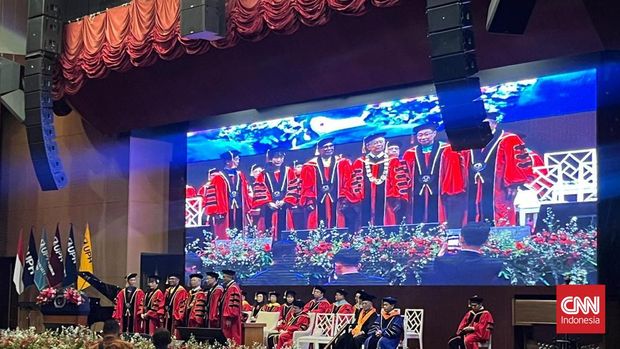
The discourse, held on Monday, April 20, 2026, featured contributions from leading academics whose expertise spans education, political science, and hospitality management. Their collective analysis points to a pressing need for strategic foresight and proactive policy development to navigate these multifaceted issues.
Navigating the AI Revolution: Education and Ethical Imperatives
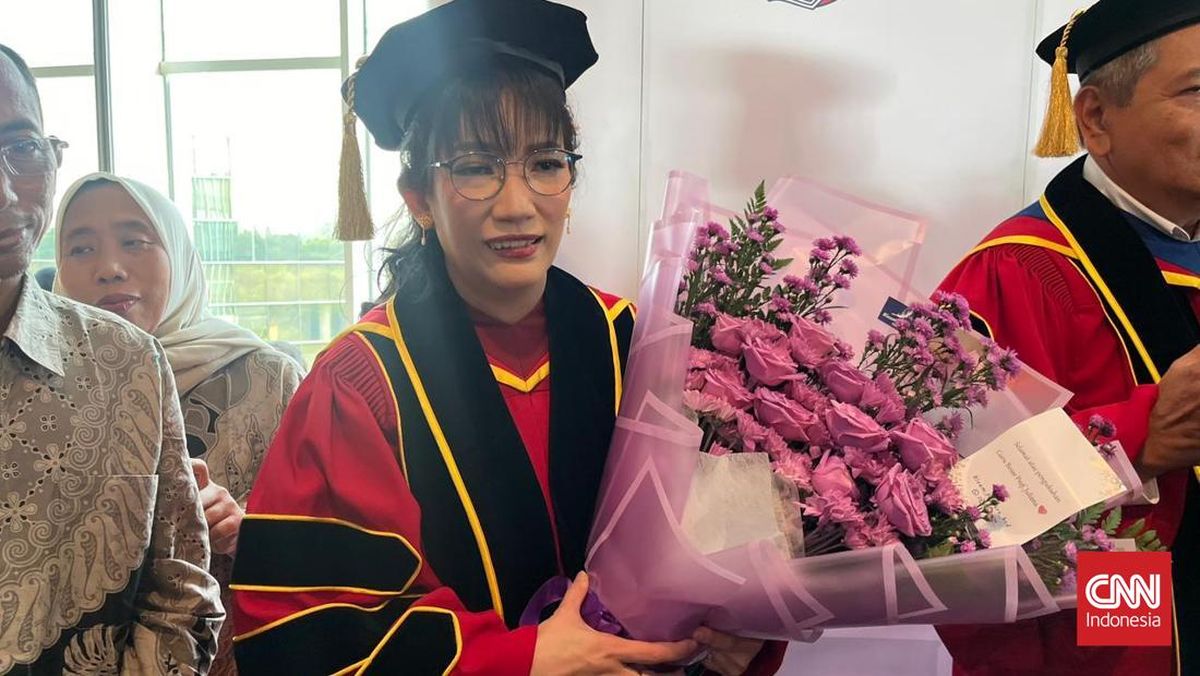
Professor Dr. Ir. Drs. Khoe Yao Tung, a distinguished figure in educational science, articulated a stark assessment of Indonesia’s current readiness for the burgeoning AI era. "Fundamentally, we are still not fully prepared," Prof. Khoe stated, emphasizing the unstoppable momentum of AI development. "AI cannot be contained. We urgently need established ethical guidelines for its use and robust security measures."
Prof. Khoe’s concerns are particularly acute regarding the educational sector, where the integration of AI presents both immense potential and significant risks. He warned that without adequate preparation and a clear understanding of AI’s capabilities and limitations, the younger generation could be exposed to serious perils. "If we do not equip our children to use AI correctly and ethically, it will pose a danger to us," he cautioned.
His proposed solution centers on the concept of "AI citizenship," advocating for its incorporation into the national education curriculum. This approach, he explained, moves beyond mere prohibition or avoidance. "We cannot ban it, we cannot avoid it. Instead, we must embrace it, but within a clear framework," Prof. Khoe elaborated. This framework, he suggested, should equip individuals with the critical thinking skills necessary to discern AI-generated content, understand its biases, and utilize it as a tool for empowerment rather than a source of misinformation or dependency.
The global trajectory of AI adoption further contextualizes Prof. Khoe’s remarks. As of early 2026, AI integration is accelerating across industries worldwide. The World Economic Forum’s "Future of Jobs Report 2023" projected that AI and machine learning specialists would be among the fastest-growing roles in the coming years, while other roles might see a decline due to automation. This underscores the imperative for Indonesia to not only adapt but to proactively shape its engagement with AI to foster economic growth and societal well-being. The ethical implications, including data privacy, algorithmic bias, and the potential for job displacement, are already subjects of intense debate in developed nations, and Indonesia must learn from these experiences to chart its own responsible path.
Re-establishing the Foundations of Political Ethics and Public Good
The conversation then shifted to the realm of political ethics, with Professor Dr. Drs. Thomas Tokan Pureklolon, a respected scholar in political science, urging a re-examination of the fundamental purpose of power. Prof. Pureklolon called for a renewed understanding of governance as an instrument for achieving the "bonum commune," or the common good. He stressed that political systems and public policies must be grounded not only in legality but also in a strong moral compass.
"The common good means that after all regulations, all rules, and all systems are in place, three fundamental principles must be present: natural law," Prof. Pureklolon explained. He delineated these three pillars of natural law as the laws of God, humanity, and nature.
To truly realize the concept of "bonum commune" within Indonesia’s political and public policy frameworks, Prof. Pureklolon emphasized the necessity of internalizing these three principles into positive law. "There must be meaning, value, and a goal, which is to move towards shared happiness," he asserted. This call for a values-based approach to governance comes at a time when public trust in political institutions is a recurring global concern. Reports from organizations like Transparency International consistently highlight the challenges of corruption and the erosion of ethical standards in various political landscapes, making Prof. Pureklolon’s emphasis on moral underpinnings particularly relevant.
The implication of Prof. Pureklolon’s analysis is that beyond drafting legislation, there is a critical need to cultivate a political culture that prioritizes collective welfare over individual or group interests. This involves fostering accountability, transparency, and a genuine commitment to serving the populace. The success of this endeavor would likely translate into more equitable resource distribution, improved public services, and a stronger sense of national unity.
Addressing the Persistent Gaps in Indonesian Tourism
In the third critical area, Professor Dr. Juliana, a leading expert in hospitality and tourism management, brought attention to the persistent weaknesses in service quality and cleanliness within Indonesia’s vital tourism sector. "Hospitality in Indonesia is still lacking," Prof. Juliana observed candidly. "In terms of cleanliness, it remains a major work in progress."
Prof. Juliana’s assessment highlights that while Indonesia possesses abundant natural beauty and cultural heritage, these assets are not being fully leveraged due to foundational issues in the service experience. She argued that the strength of the tourism sector cannot solely rely on its natural potential. Instead, it demands a collaborative approach that actively involves local communities, fosters creativity, and crucially, elevates service standards.
This perspective is supported by global tourism metrics. The World Tourism Organization (UNWTO) has repeatedly stressed the importance of service quality and sustainable tourism practices in driving visitor satisfaction and long-term growth. Countries that consistently rank high in tourism competitiveness, such as those in Europe and parts of Asia, often excel in meticulous attention to detail in service delivery, hygiene, and customer care. Indonesia’s struggle in these areas, therefore, represents a tangible barrier to realizing its full tourism potential, impacting not only revenue generation but also the nation’s international image.
Prof. Juliana’s call for a collaborative approach suggests a need for integrated strategies involving government agencies, private sector businesses, local communities, and educational institutions. This could manifest in enhanced training programs for tourism workers, stricter enforcement of hygiene regulations, and initiatives to promote cultural exchange that fosters genuine hospitality. The economic implications are substantial, as a more robust and appealing tourism sector can create jobs, stimulate local economies, and contribute significantly to foreign exchange earnings.
A Multifaceted Approach to Future Challenges
The collective insights from the UPH professors paint a comprehensive picture of the multifaceted challenges confronting Indonesia. The issues extend beyond technological advancement, encompassing the fundamental building blocks of ethical conduct, effective governance, and high-quality public interaction.
The implications of these observations are far-reaching. The successful integration of AI requires not just technological infrastructure but also a society equipped with ethical frameworks and critical digital literacy. A revitalized political landscape, anchored in the principles of the common good, is essential for equitable development and social cohesion. Furthermore, elevating the standards of the tourism sector is crucial for economic diversification and showcasing Indonesia’s unique appeal to the world.
These varied perspectives underscore that Indonesia’s path forward necessitates a holistic and integrated approach. Addressing these challenges requires sustained commitment, strategic investment, and a willingness to adapt and innovate across all levels of society and governance. The dialogue initiated by UPH’s esteemed professors serves as a vital catalyst for national reflection and action, urging Indonesia to proactively shape its future by confronting these critical issues with foresight and determination. The coming years will be pivotal in determining how effectively Indonesia navigates these complex terrains, transforming challenges into opportunities for sustainable growth and societal advancement.
Related posts: