The vibrant allure of a freshly painted crimson manicure has long been associated with confidence and allure. However, a recent surge in social media discussions has elevated this classic aesthetic to a purported dating phenomenon known as the "red nail theory." Originating on platforms like TikTok, this theory suggests that adorning one’s fingernails with red polish can significantly increase a person’s attractiveness to potential romantic partners. While the concept might seem whimsical, its widespread adoption and anecdotal endorsements warrant a closer examination of its psychological underpinnings and potential impact.
The genesis of the "red nail theory" can be traced back to TikTok user Robyn Delmonte. According to reports from Very Well Mind, Delmonte shared her personal observations, claiming that whenever she wore red nail polish, she consistently received compliments and attention from men. This personal anecdote, amplified by the viral nature of social media, quickly resonated with a broad audience. Other content creators soon began experimenting with the theory, reporting similar positive outcomes. For instance, Taylor Donoghue, another influencer, stated that after painting her nails red, she was approached by four different men. These widespread personal testimonials, shared across various social media channels, fueled the momentum of the "red nail theory," transforming it from a niche observation into a widely discussed trend.
Understanding the Psychological Roots of the Red Nail Theory
The widespread appeal of the "red nail theory" is not entirely unfounded and can be linked to established psychological principles concerning color association and self-perception. Dr. Stefanie Mazer, a psychologist, elaborates on the core concept, suggesting that the efficacy of red nails lies in the psychological impact of the color red itself. "If someone believes that red nails help them stand out, they will behave and present themselves differently, and people will notice," Dr. Mazer explained in an interview with Woman’s Health Magazine. This highlights a crucial element of the theory: self-confidence. When an individual feels more confident and self-assured, this inner state often translates into outward behavior that is perceived as more attractive.
The color red has a deep-seated association with power, passion, and vitality across numerous cultures. Historically and evolutionarily, red has been used as a signal for dominance, fertility, and heightened energy. Studies dating back to 2008 have explored the impact of the color red on perceptions of attractiveness. Research published in academic journals indicated that men tended to rate women wearing red clothing as more attractive and sexually desirable. Crucially, these findings have not been confined to Western cultures; more recent research has observed similar responses to the color red in diverse cultural contexts, including China, suggesting a potentially universal psychological response. This evolutionary psychology perspective posits that red might have evolved in many species, including humans, as a visual cue signaling health and reproductive fitness.
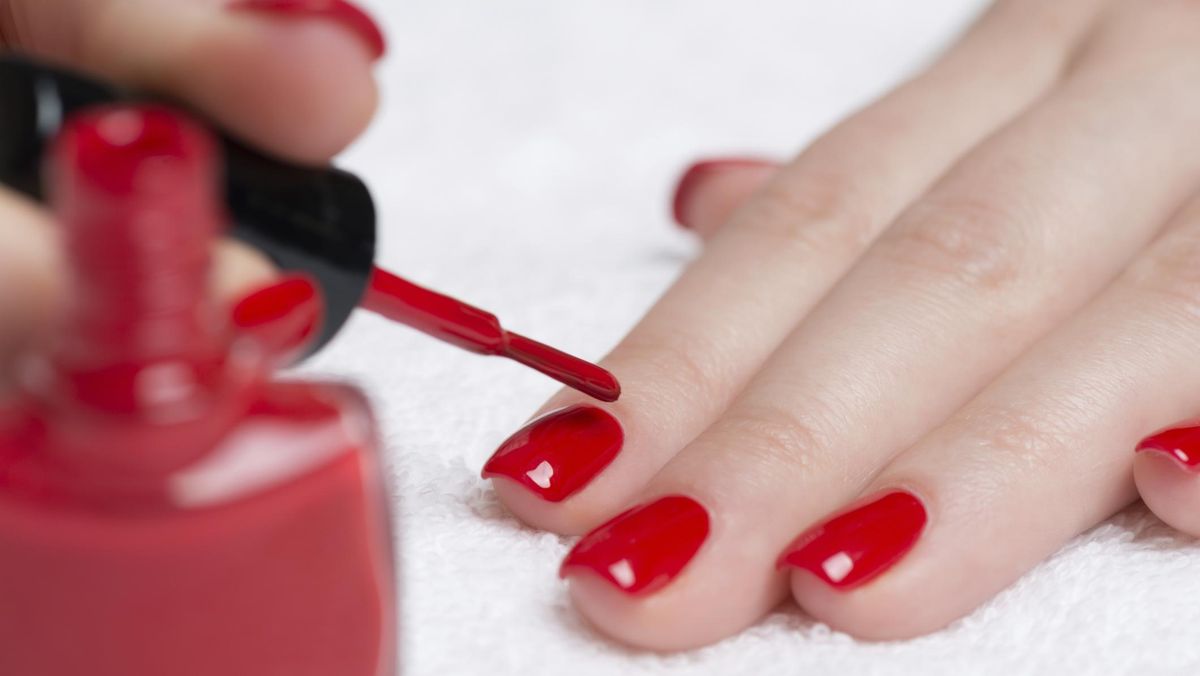
Therefore, the "red nail theory" can be understood as a confluence of these factors. The color red itself carries inherent psychological weight, often associated with boldness and desirability. When this color is applied to the nails, it becomes a prominent, albeit subtle, visual cue. However, the true power, as Dr. Mazer suggests, may lie not solely in the color’s inherent properties but in how it influences the wearer’s self-perception and subsequent behavior. If a person feels more empowered and attractive with red nails, their increased confidence can lead to more assertive body language, a brighter demeanor, and greater social engagement, all of which are attractive qualities.
The Rise and Spread of the Trend
The "red nail theory" gained significant traction in late 2023 and early 2024, particularly on TikTok. The platform’s algorithm, designed to amplify engaging content, played a pivotal role in disseminating the trend. Users began sharing their personal experiences using hashtags such as #rednailtheory, #rednails, and #datingtips. These videos often featured "before and after" scenarios, showcasing the perceived increase in male attention after adopting the red nail trend. The narrative typically involved individuals recounting specific instances where they were approached, complimented, or asked out on dates shortly after painting their nails red.
The trend’s simplicity and accessibility were key to its rapid spread. Applying nail polish is a common beauty practice, and red is a universally recognized and widely available color. This low barrier to entry meant that a vast number of people could easily experiment with the theory without significant cost or effort. Furthermore, the theory taps into a universal human desire for connection and romantic validation, making it inherently appealing to a wide demographic, particularly young adults navigating the complexities of dating.
The "red nail theory" also benefited from a broader cultural context where beauty trends are heavily influenced by social media. Platforms like TikTok, Instagram, and Pinterest have become powerful engines for trend dissemination, often propelling seemingly niche ideas into mainstream consciousness. The visual nature of these platforms is particularly well-suited for beauty-related trends, allowing users to easily share and replicate styles. The "red nail theory" fits perfectly into this ecosystem, offering a tangible and visually appealing method for potentially enhancing one’s romantic prospects.
Evidence and Expert Perspectives
While anecdotal evidence abounds, the scientific community offers a more nuanced perspective on the "red nail theory." Dr. Mazer’s assertion that confidence is a primary driver aligns with established psychological research on self-efficacy and attraction. When an individual genuinely believes a certain action will make them more appealing, their altered mindset can lead to behavioral changes that, in turn, increase their perceived attractiveness. This phenomenon is often referred to as the "placebo effect" in a broader sense, where belief in a treatment can lead to positive outcomes.
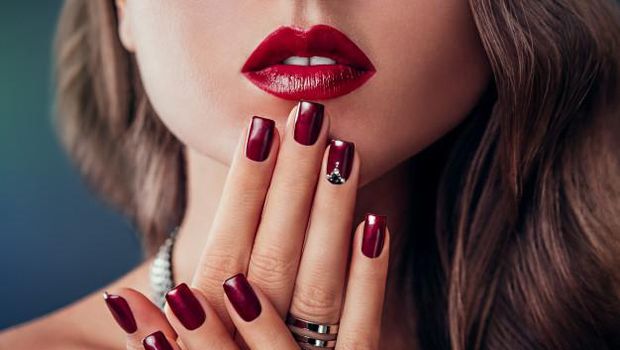
The historical research on the color red’s impact on attraction, while significant, often focused on clothing or ambient color rather than specific beauty practices like nail polish. The leap from general color perception to the specific application of red nail polish is substantial. While red nails can be eye-catching, their effect is likely mediated by the wearer’s internal state and the context of the interaction. It’s important to distinguish between a direct causal link and a correlation or a confidence-boosting effect.
Furthermore, it is crucial to acknowledge that individual perceptions and preferences vary significantly. What one person finds attractive, another may not. The "red nail theory" may resonate with individuals who are already predisposed to find red appealing or who are actively seeking external validation. For others, the color of nail polish may be a secondary or even tertiary factor in their assessment of attractiveness. The theory’s success is not universal, and many individuals may not experience the same results as those who have shared their positive anecdotes online.
Beyond the Polish: The Broader Implications
The "red nail theory" serves as a fascinating case study in how social media can shape perceptions and behaviors, even in the realm of personal attraction. Its popularity underscores a desire among many, particularly younger generations, for accessible and tangible methods to enhance their dating experiences. The trend also highlights the power of suggestion and the self-fulfilling prophecy in social interactions. When individuals adopt a belief, their behavior often aligns with that belief, leading to outcomes that reinforce the initial conviction.
The implications of the "red nail theory" extend beyond mere beauty trends. It touches upon broader societal conversations about attraction, gender dynamics, and the influence of digital culture on our self-perception and interpersonal relationships. While the theory itself may not be a guaranteed path to romance, its widespread discussion encourages individuals to consider the subtle ways in which appearance, confidence, and psychological priming can intersect to influence social interactions.
Ultimately, while the "red nail theory" might not be a universally applicable dating strategy, it has undeniably sparked a conversation about the power of color, self-confidence, and the often-unseen psychological mechanisms that contribute to attraction. For those who find a sense of empowerment and confidence in a splash of crimson on their fingertips, the "red nail theory" may indeed offer a subtle, yet significant, boost in their social endeavors. However, it is essential to approach such trends with a balanced perspective, recognizing that genuine connection and attraction are multifaceted and rarely dependent on a single aesthetic choice. The true allure, as suggested by psychological insights, often emanates from the confidence and self-assurance that a chosen style, like red nails, can help to cultivate.